
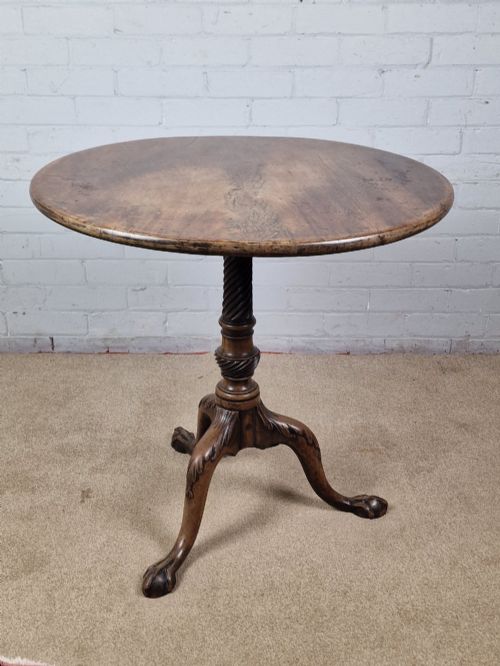


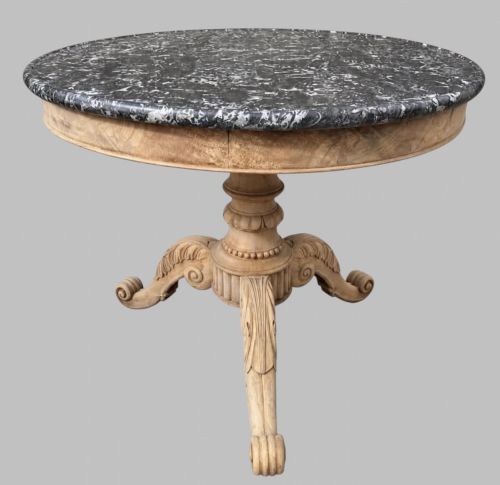
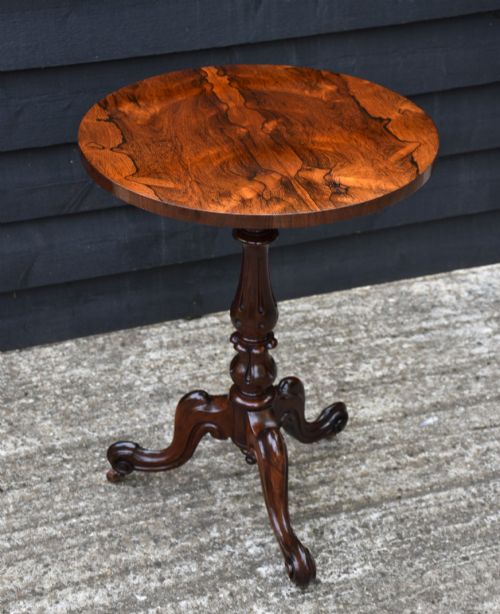
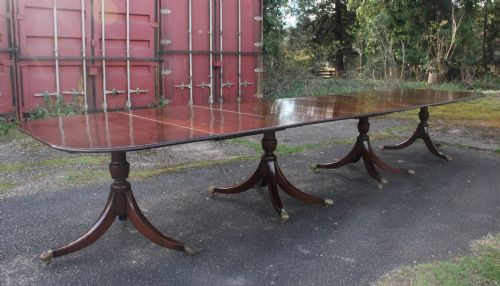
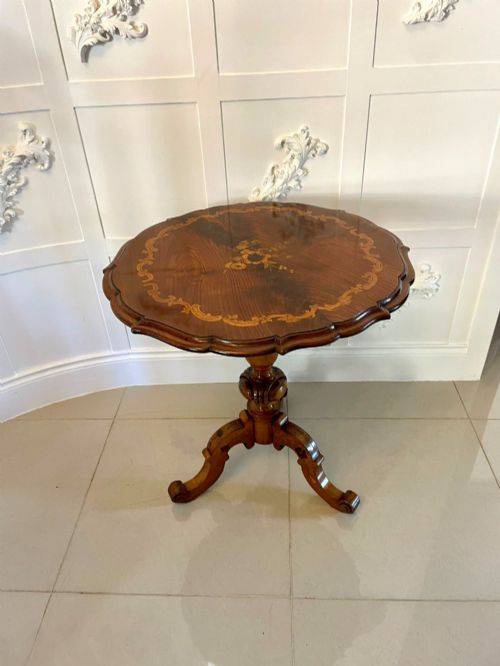
Tripod Pedestal Table
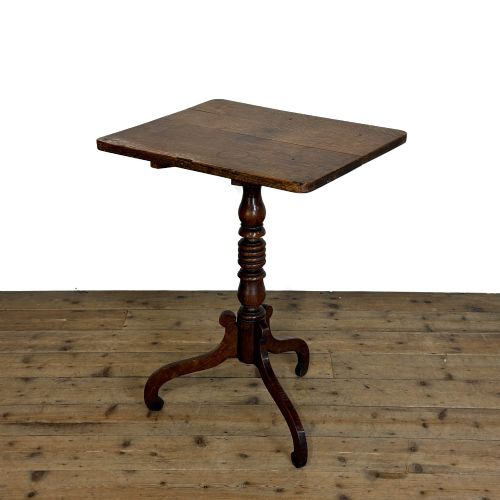
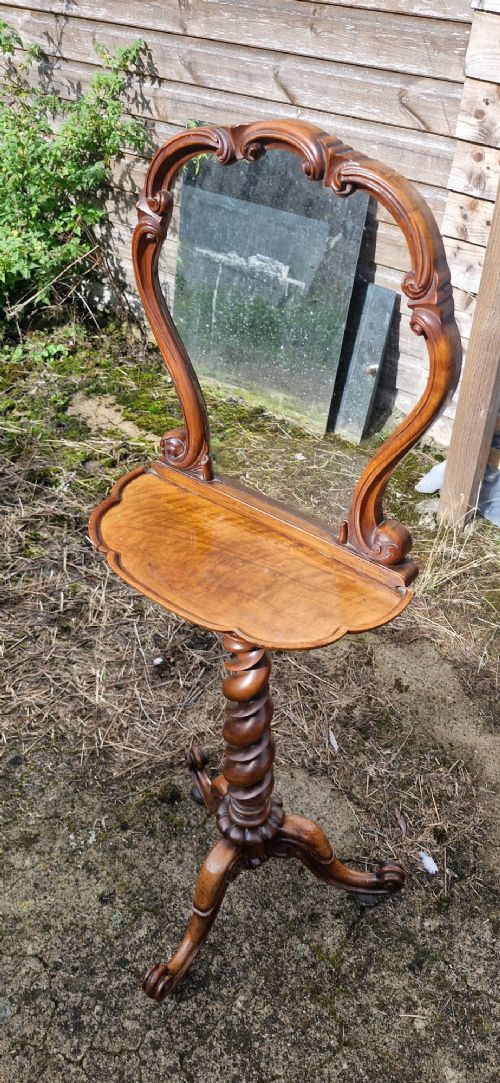
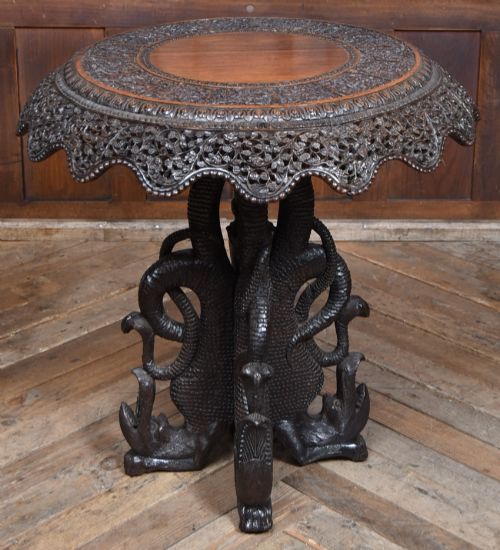
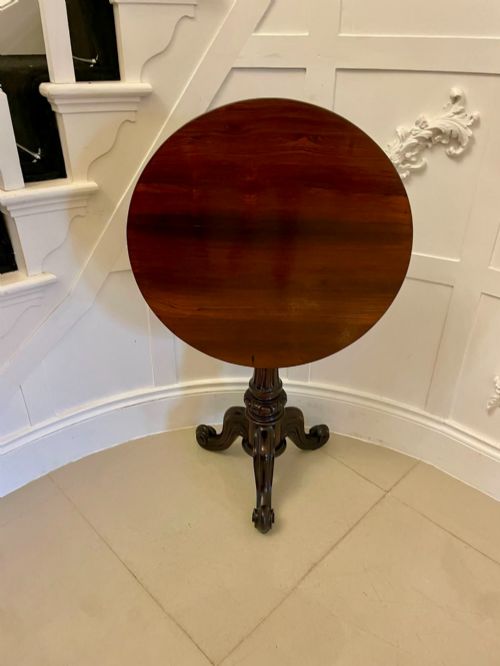
When you search for a tripod pedestal table, you are looking at centuries of versatile English and continental occasional furniture designed around a single central column and three supportive legs.
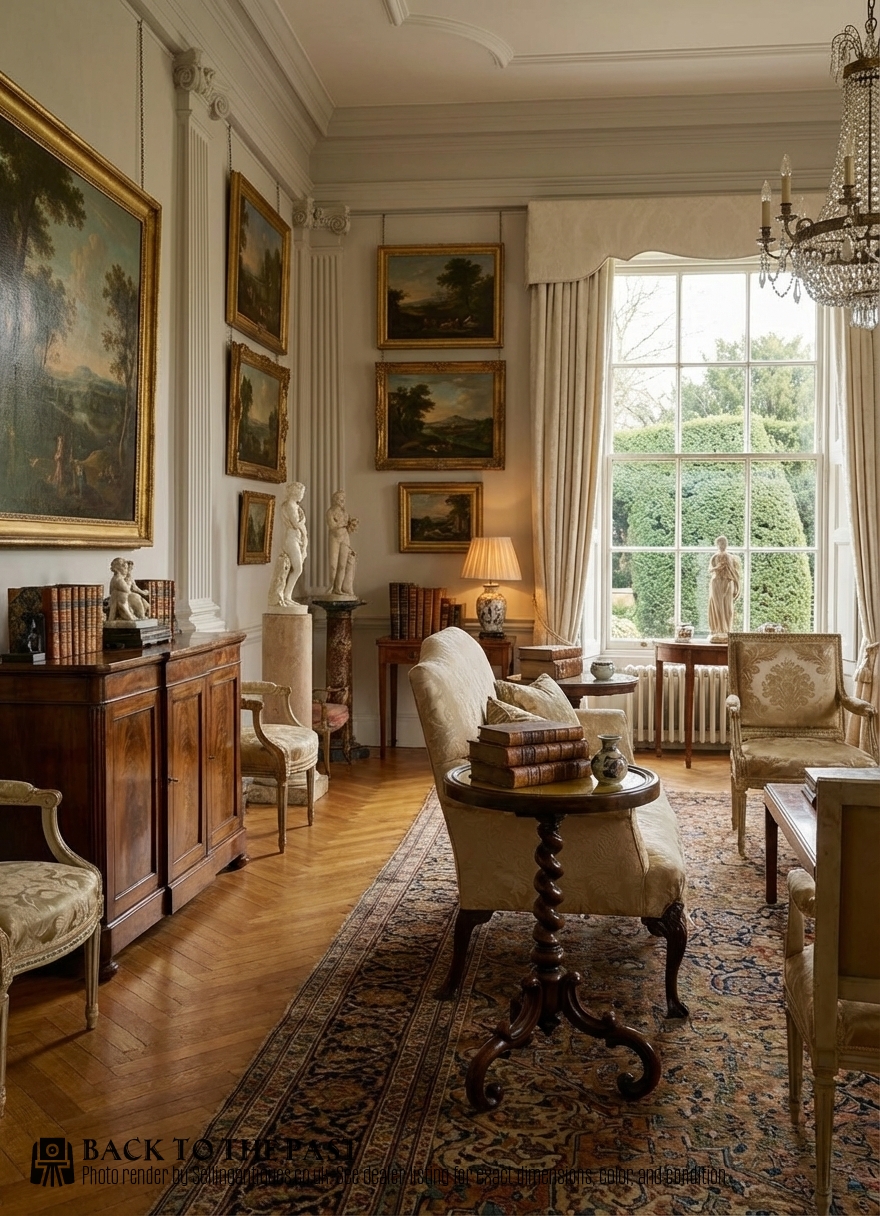
Tripod Pedestal Table
A tripod pedestal table serves as an adaptable surface for lamps, wine, books, or tea, taking forms such as wine tables, tilt-top tables, and occasional tables. These pieces span multiple eras including the Georgian, Regency, and Victorian periods, reflecting shifting interior uses from the eighteenth century onward.
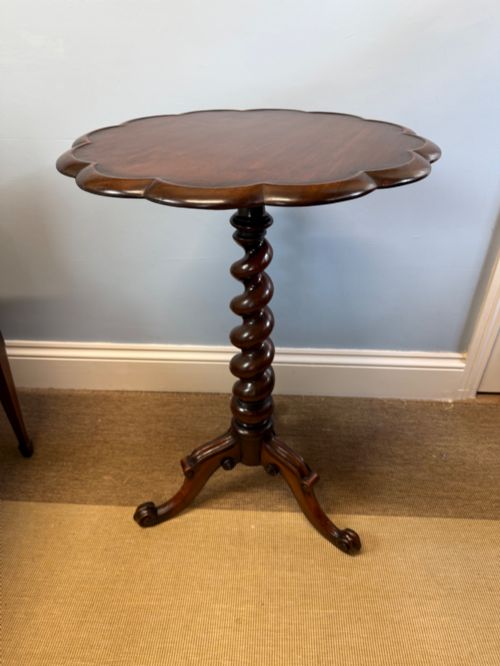
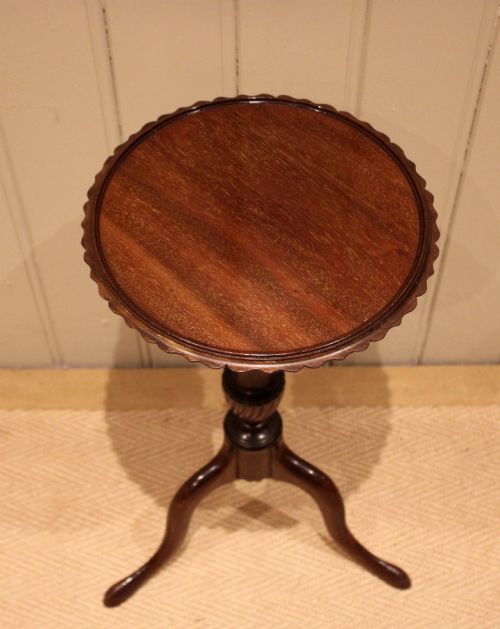
The version you are most likely to meet on this page is the circular mahogany wine or lamp table resting on three splayed legs. These compact pieces were built for intimate spaces and remain practical for modern rooms needing flexible surface area.
How they were made
Cabinet makers utilised dense hardwoods like mahogany, walnut, rosewood, and oak, often turning the central pedestal on a lathe and shaping three legs to form a stable tripod base. Many examples incorporate clever mechanisms such as birdcage frames or brass tilt-top catches that allowed the circular top to fold flat when not in use.
Finer iterations employ decorative techniques including marquetry inlay, burr wood veneers, and leather inserts. Structural joints typically rely on dovetails and sturdy pegging beneath the top block to secure the column to the legs.
Tripod Pedestal Table Retail Price Guide 2026
Typical asking prices for tripod pedestal table among the pieces listed under this phrase on Sellingantiques today, from the lower quarter to the upper quarter. They describe what is for sale here now, not the wider market.
Listings feature timbers including mahogany, walnut, rosewood, oak, ebony, and burr birch across Georgian, Regency, and Victorian periods.
What varies in quality
The distinction between standard examples and top-tier pieces rests on the choice of timber and the precision of the carving. Superior tables feature richly figured grains like fiddleback mahogany, burr walnut, or satinwood, paired with crisp hand-carved details on the knees and feet of the tripod base.
Construction methods also dictate grade, with high-quality specimens maintaining original tilt mechanisms, unwarped solid timber tops, and harmonious proportions between the height of the pedestal and the spread of the legs.
Gillows
The Tripod Pedestal Table Glossary
- Tilt-top
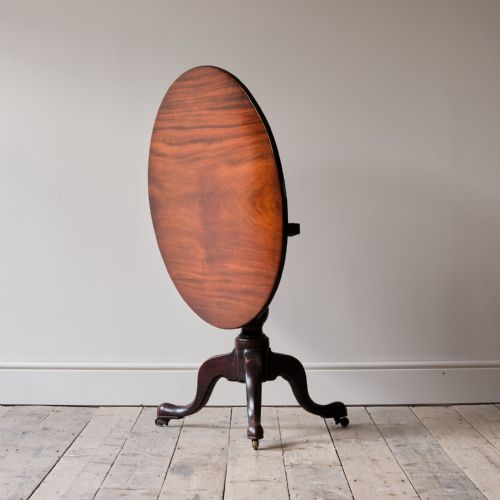
- A hinged tabletop mechanism that allows the surface to fold into a vertical position for storage against a wall. This clever feature saved valuable floor space in smaller eighteenth-century parlours.
- Birdcage
- A rotating wooden frame beneath the tabletop that permits the surface to both tilt and revolve. It represents a more complex piece of engineering found on superior examples.
- Pie crust
- A decorative carved tabletop edge raised into undulating curves resembling pastry work. This detailed moulding is frequently associated with Chippendale style pieces.
- Gueridon
- A small French occasional table supported by a central column or figures. These decorative surfaces gained popularity during the nineteenth century.
- Column
- The central vertical shaft connecting the tripod base to the tabletop. Turners shaped these elements with fluting, reeding, or simple baluster profiles.
Tripod Pedestal Table: Frequently Asked Questions
What was a wine table used for?
A wine table provided a stable, movable surface for holding glasses, decanters, and bottles during evening gatherings. Their small diameters kept refreshments close to individual seating.
Over time, these versatile stands adapted into general lamp and occasional tables placed beside chairs or in hallways.
How do I spot a tilt-top mechanism?
Look underneath the circular top for a wooden catch, block, or brass pivot pin that releases the table surface. When disengaged, the top swings upward to rest vertically against the central column.
This movement allowed eighteenth and nineteenth-century households to tuck unused furniture safely out of the way.
Are these tables sturdy on three legs?
A well-constructed tripod base distributes weight evenly across three splayed feet, making the table remarkably stable on flat floors. The spread of the legs must balance the diameter of the top.
Uneven floors can cause rocking, which is why many period pieces feature adjustable feet or careful levelling.
How do I date a mahogany tripod table?
Dating relies on timber characteristics, leg profiles, and the construction of the underside block. Georgian examples often feature slender cabriole legs ending in pad or snake feet, while Victorian versions favour heavier turned pedestals.
Examining the grain and fixings reveals whether a piece originates from the eighteenth, nineteenth, or early twentieth century.