

Folding Top Table
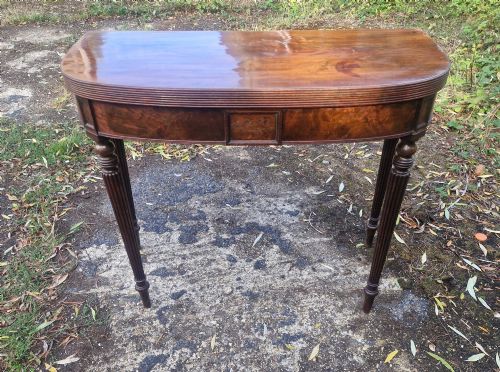
A folding top table adapts to the room, shifting easily from a compact console to a surface for tea, cards or games.
Folding Top Table
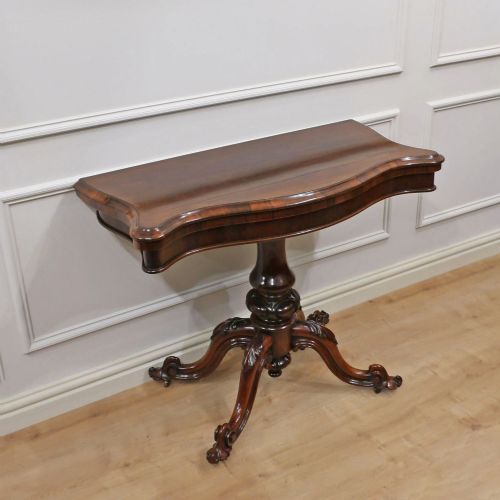
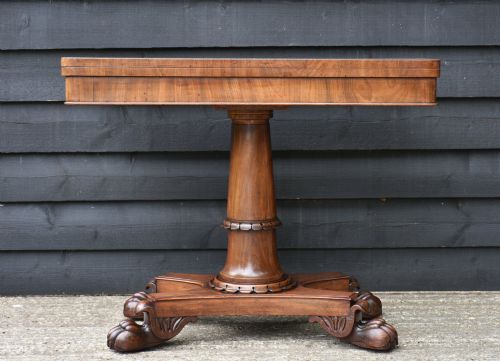
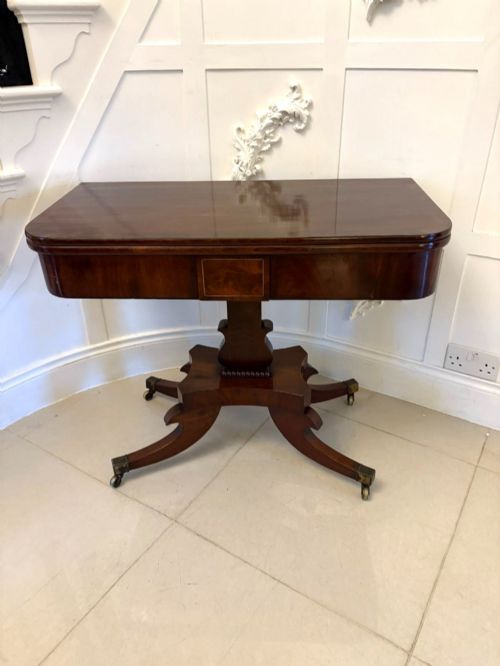
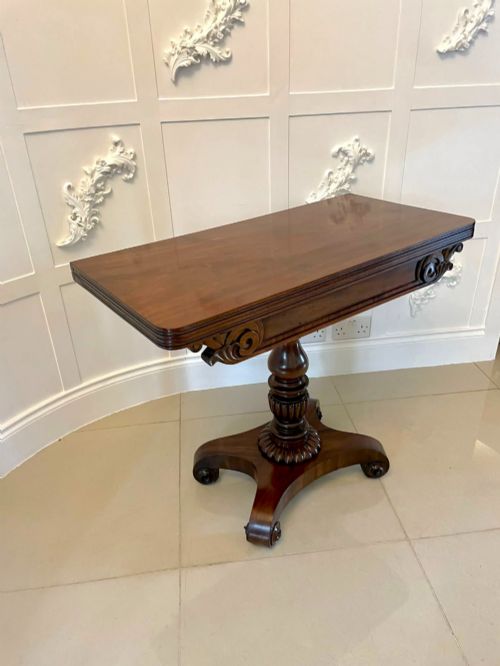
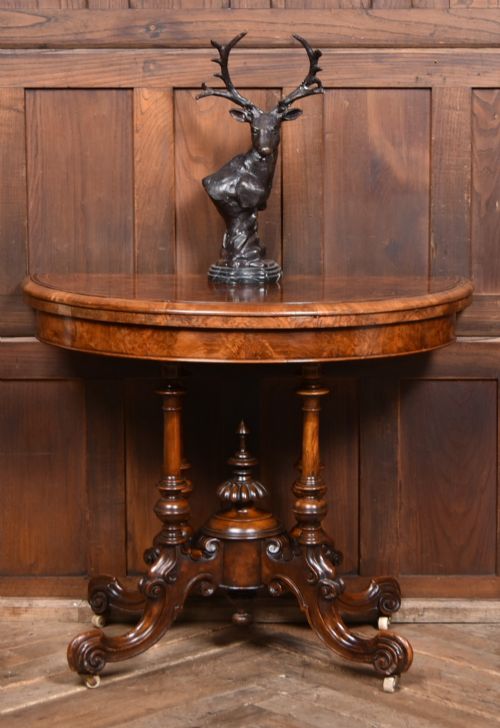
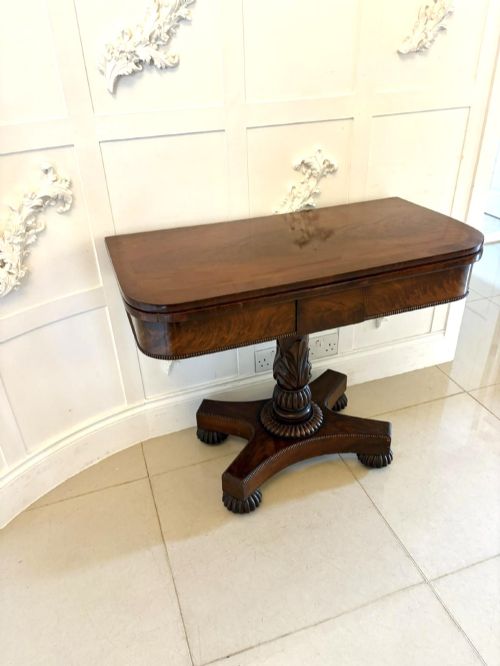
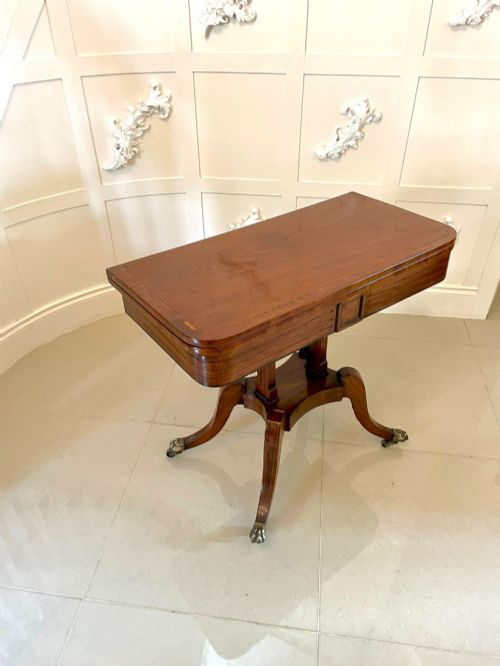
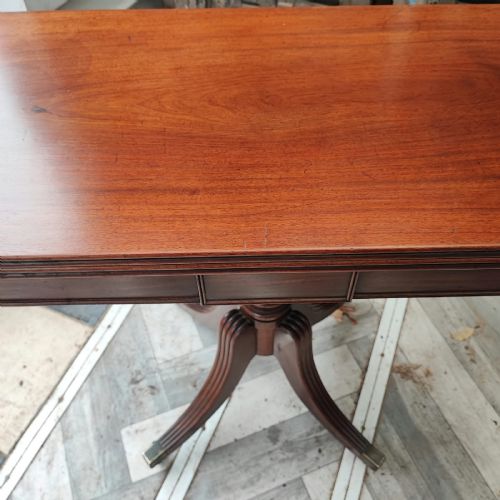
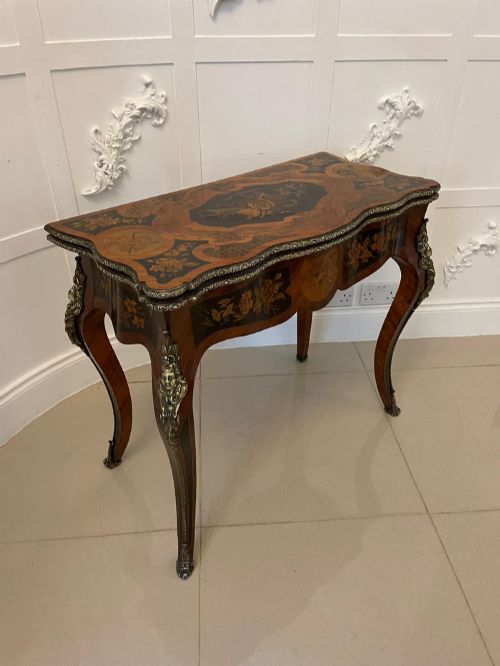
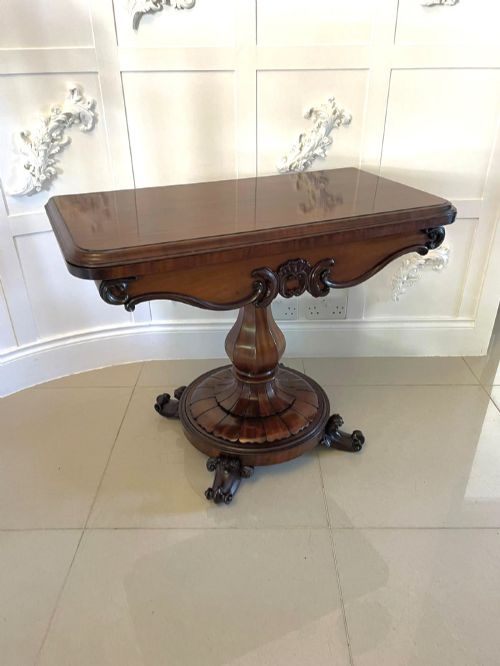
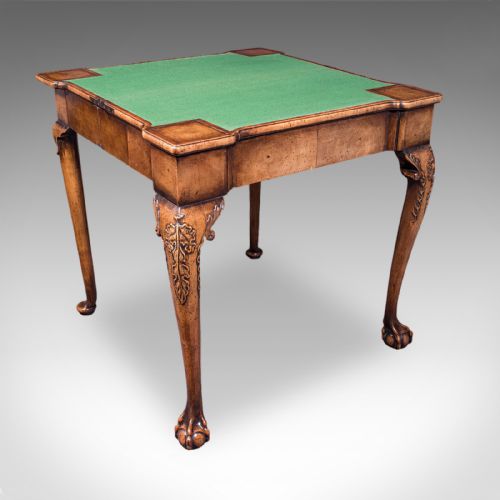
When you search for a folding top table, you encounter pieces designed to expand when needed and sit flat against a wall otherwise. The versions on this page span Georgian, Regency, William IV, Victorian and Edwardian periods, taking forms such as card tables, tea tables, games tables and console tables.
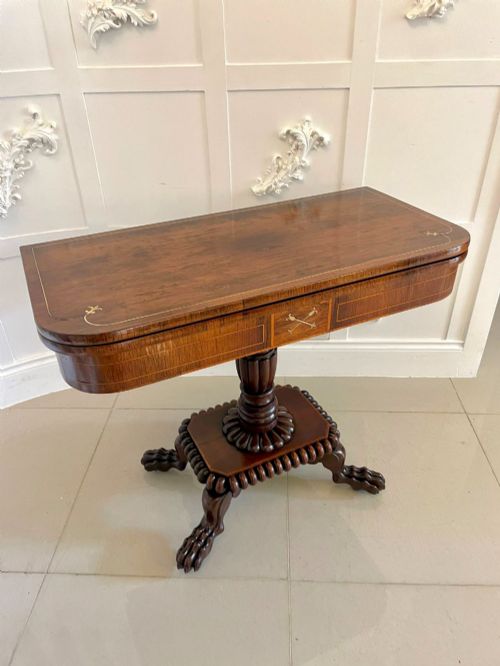
Mahogany and rosewood dominate the earlier centuries, often featuring figured grain, crossbanding or brass inlay. Walnut and oak appear frequently too, alongside specialised iterations like Anglo-Indian brass tray top tables and envelope card tables from the twentieth century.
How they were made
Cabinetmakers utilised dense timbers like mahogany, rosewood and walnut, frequently selecting flame veneers or burr walnut for the primary surfaces. Crossbanding in satinwood or yew provided contrast, while brass inlay and ormolu mounts added detail to Regency and Victorian pieces.
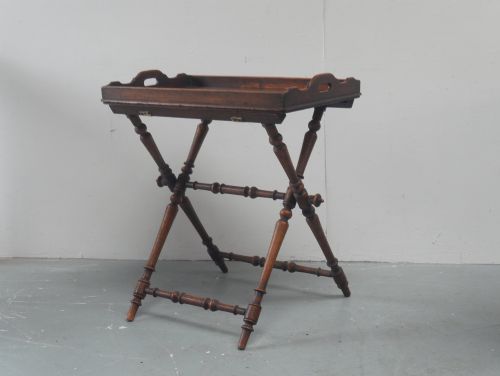
Hinged leaves and swivel mechanisms allowed the tops to turn and fold over securely onto supporting frames, pedestals or sabre legs. Tray top variants combined removable brass or carved wooden trays with folding wooden stands.
Folding Top Table Retail Price Guide 2026
Typical asking prices for folding top table among the pieces listed under this phrase on Sellingantiques today, from the lower quarter to the upper quarter. They describe what is for sale here now, not the wider market.
Some tables hide their game counters beneath secret swivel tops while others wear the paint splatters of an artist's easel.
What varies in quality
The standard of the timber figure and the precision of the veneer work set examples apart, with select pieces displaying matched flame mahogany or intricate marquetry and ormolu mounts. Finer tables show careful attention to the turning mechanism, ensuring the turnover top rests level and true on its base.
The Folding Top Table Glossary
- Card Table
- A specialised table with a folding top designed for playing card games, often lined with baize or felt on the interior surface.
- Tea Table
- A small table designed for serving tea, featuring a folding or turnover top that expands to hold porcelain once tea was cleared.
- Swivel Top
- A table top construction where the upper leaf pivots on the frame to reveal a concealed compartment or to support the leaf when open.
- Crossbanding
- A decorative border of veneer laid around the edge of a table top with the grain running perpendicular to the centre panel.
- Envelope Table
- A card table with a square top composed of four triangular flaps that fold inward and rotate to open like an envelope.
Folding Top Table: Frequently Asked Questions
How were folding top tables used?
These tables served multiple functions in domestic spaces, acting as side or console tables against a wall when closed. When guests arrived, the tops unfolded to accommodate tea service, card playing or social games.
In larger homes, specialised tables were brought out specifically for evening entertainment. Once the activity finished, the tops folded back down to save floor space.
How do I identify a Regency folding table?
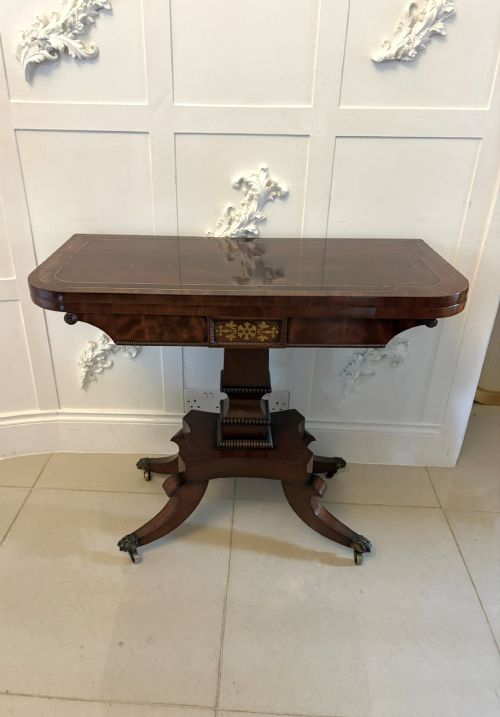
Regency tables typically date from the early nineteenth century and frequently employ dark mahogany or rosewood. Look for distinct design elements like brass inlay, carved pedestal bases and sabre legs.
Many examples from this era incorporate clever swivel mechanisms that rotate the top before folding it flat onto the frame.
How do I live with a antique folding table?
Position the table against a wall where it can function as a console or side table during daily use. Open the top gently only when you need extra surface space for dining, games or display.
Keep polished wooden surfaces away from direct sunlight and excessive heat sources to protect the aged veneers and timber grain.