
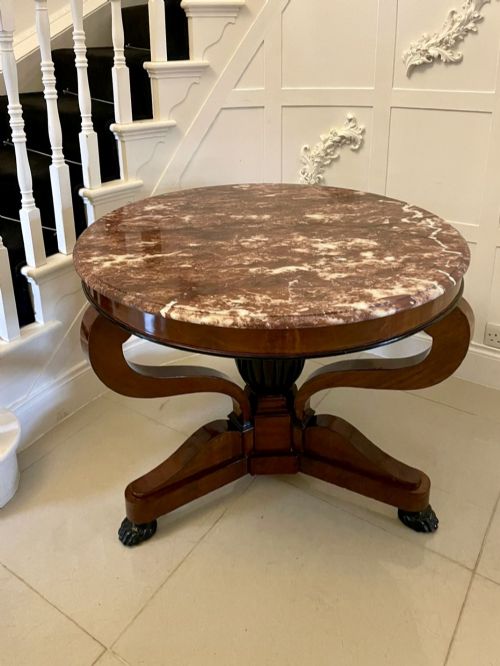
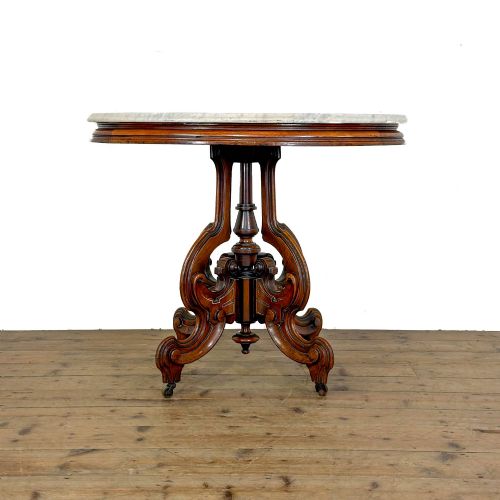
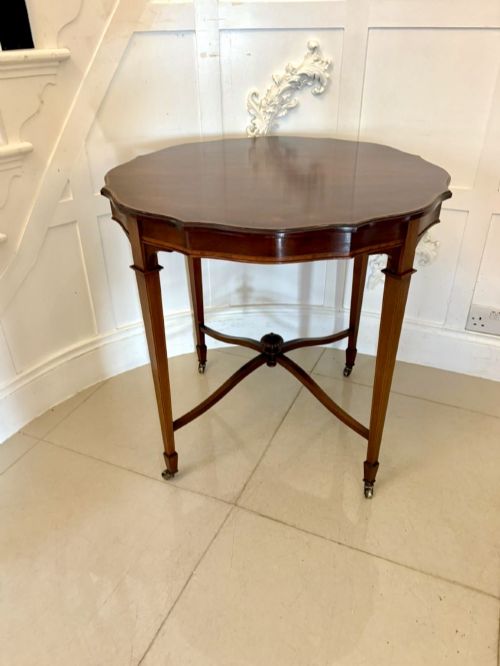
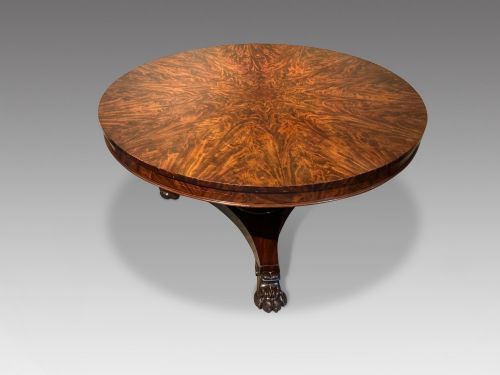

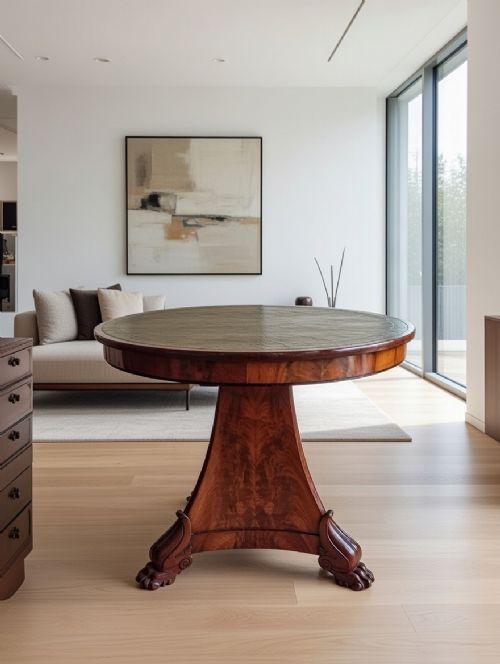
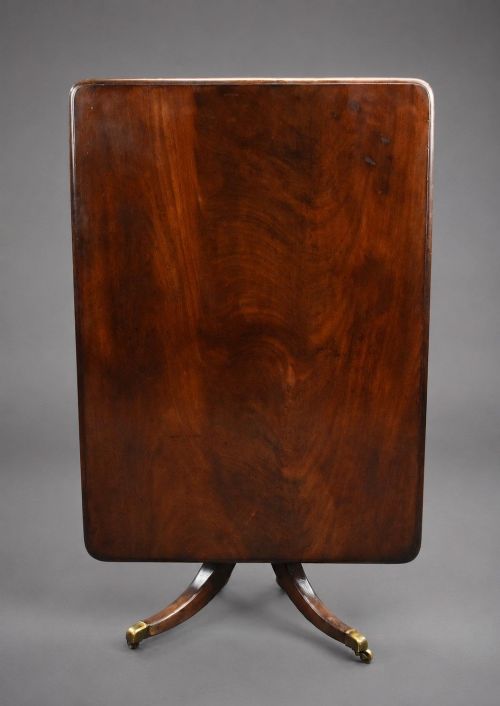
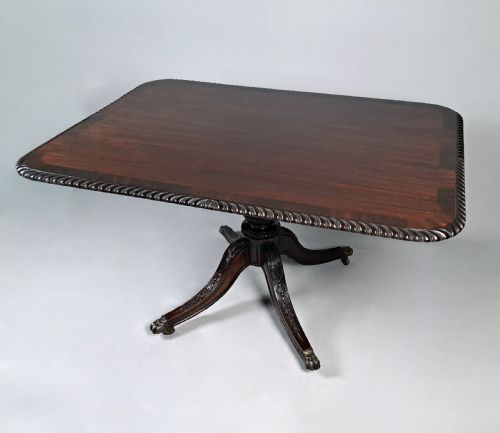
Brown Mahogany Centre Table
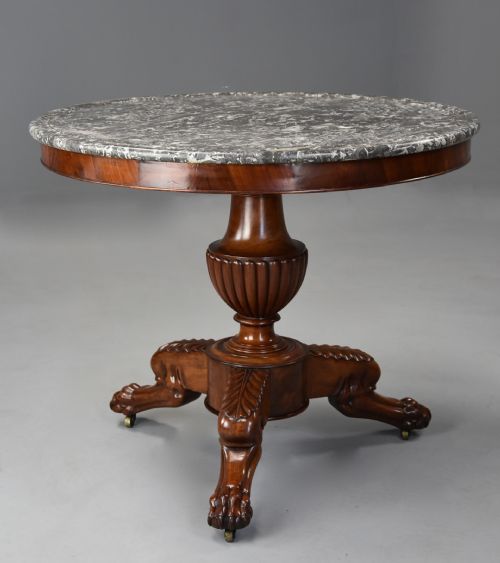
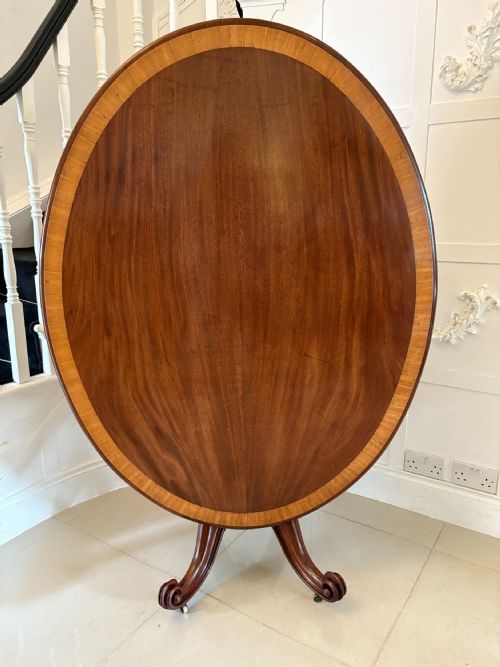
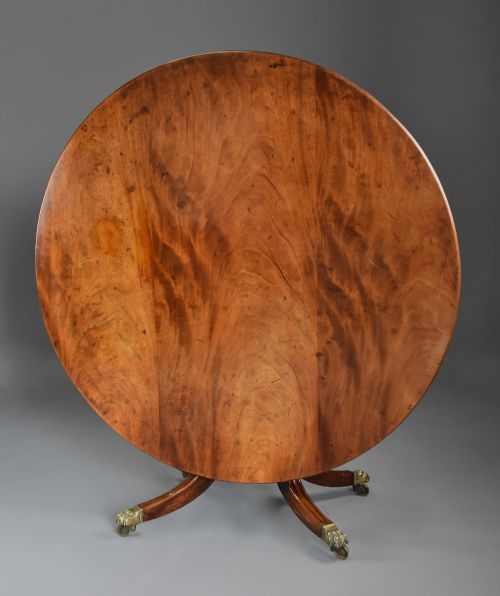
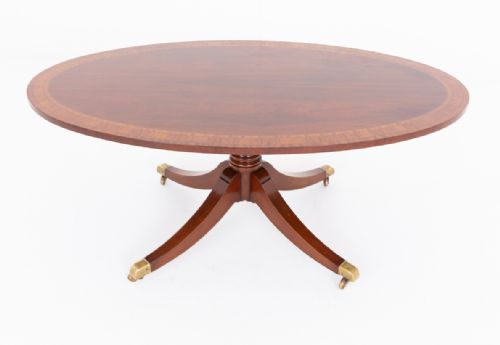
These brown mahogany centre table pieces anchor a room with rich timber and solid presence, offering both functional surface area and classic period design.
Defining the brown mahogany centre table
A brown mahogany centre table serves as a freestanding focal point in a room, designed to be viewed from all sides rather than pushed against a wall. The pieces available span the Georgian, Regency, Victorian, and Edwardian eras, showcasing the enduring popularity of mahogany in British furniture making.

Materials and construction methods
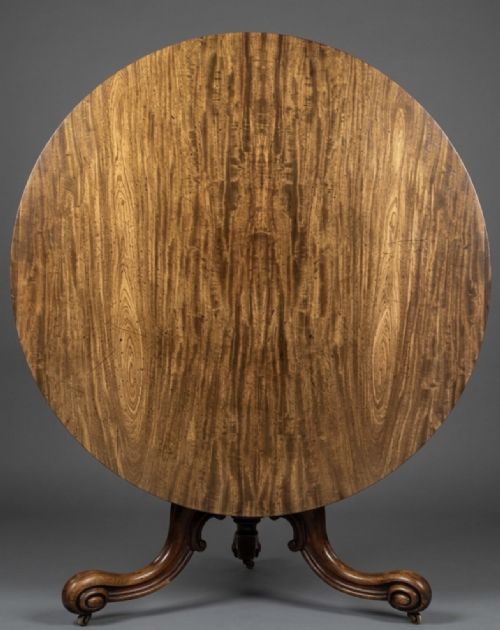
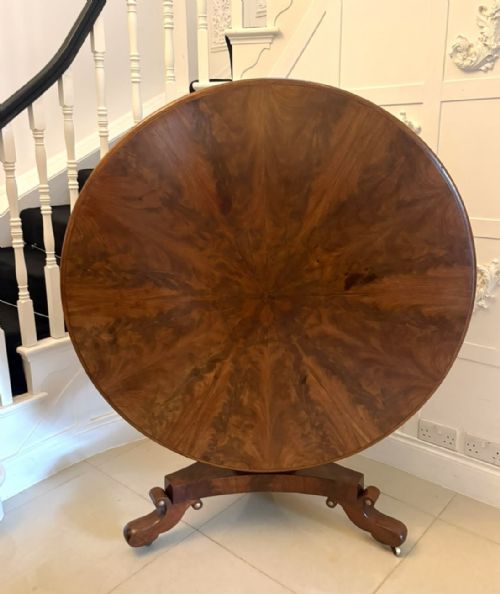
Makers utilised solid mahogany and figured mahogany veneers to create rich grain patterns across the tops of these tables. Structural elements often integrated secondary timbers, while specialised pieces incorporated inset leather surfaces or heavy marble tops.
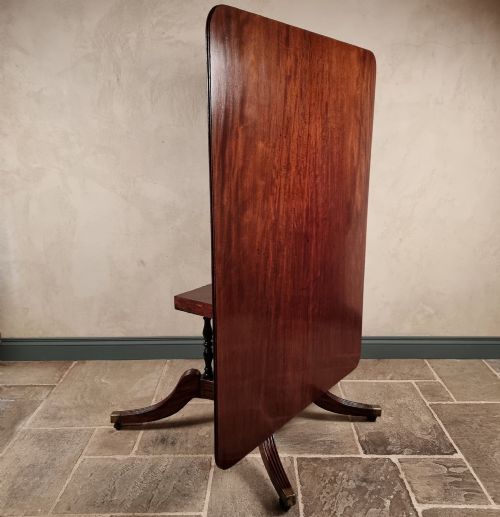
Metalwork played a key role in embellishment and function, with brass mounts appearing on bases and tilt mechanisms allowing large dining and library surfaces to pivot. Carved wooden bases provided the necessary stability for freestanding tables positioned in the middle of rooms.
Retail Price Guide 2026
Typical UK retail prices for brown mahogany centre table, calculated from the Sellingantiques database of over a million retail prices indexed since 2003. This retail price guide relies exclusively on Sellingantiques data; no external sources or auction records are used, so the figures do not describe the wider market.
Some tables tilt up entirely, transforming a heavy dining surface into a flat wooden wallflower when you need room to dance.
Assessing quality in period tables
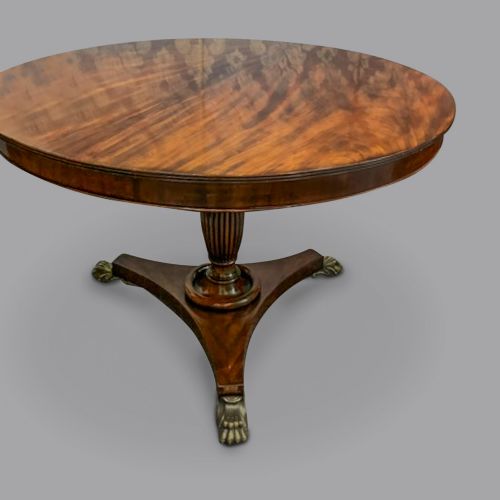
The sophistication of the timber selection dictates much of the visual appeal, with highly figured mahogany commanding attention through deep chatoyancy and complex grain movement. Finer examples display meticulous attention to proportion, particularly where circular, octagonal, or serpentine tops meet substantial carved pedestals.
Construction integrity separates standard utility items from superior workshop output, evident in the smooth operation of tilt mechanisms, the precision of brass mountings, and the crisp execution of hand-carved wooden bases. Integrated details like fitted leather inserts and harmonious marble-to-timber pairings further elevate the standing of an individual piece.
The Brown Mahogany Centre Table Glossary
- Mahogany
- A durable tropical hardwood known for its deep reddish-brown colour and stable grain, heavily utilised in British cabinet making throughout the Georgian and Victorian periods.
- Tilt-top
- A hinged table mechanism allowing the surface to fold vertically when not in use, saving floor space and displaying the figured timber top.
- Gueridon
- A small freestanding ornamental table, often featuring a circular marble top supported by a decorative pillar or figural base.
- Drum table
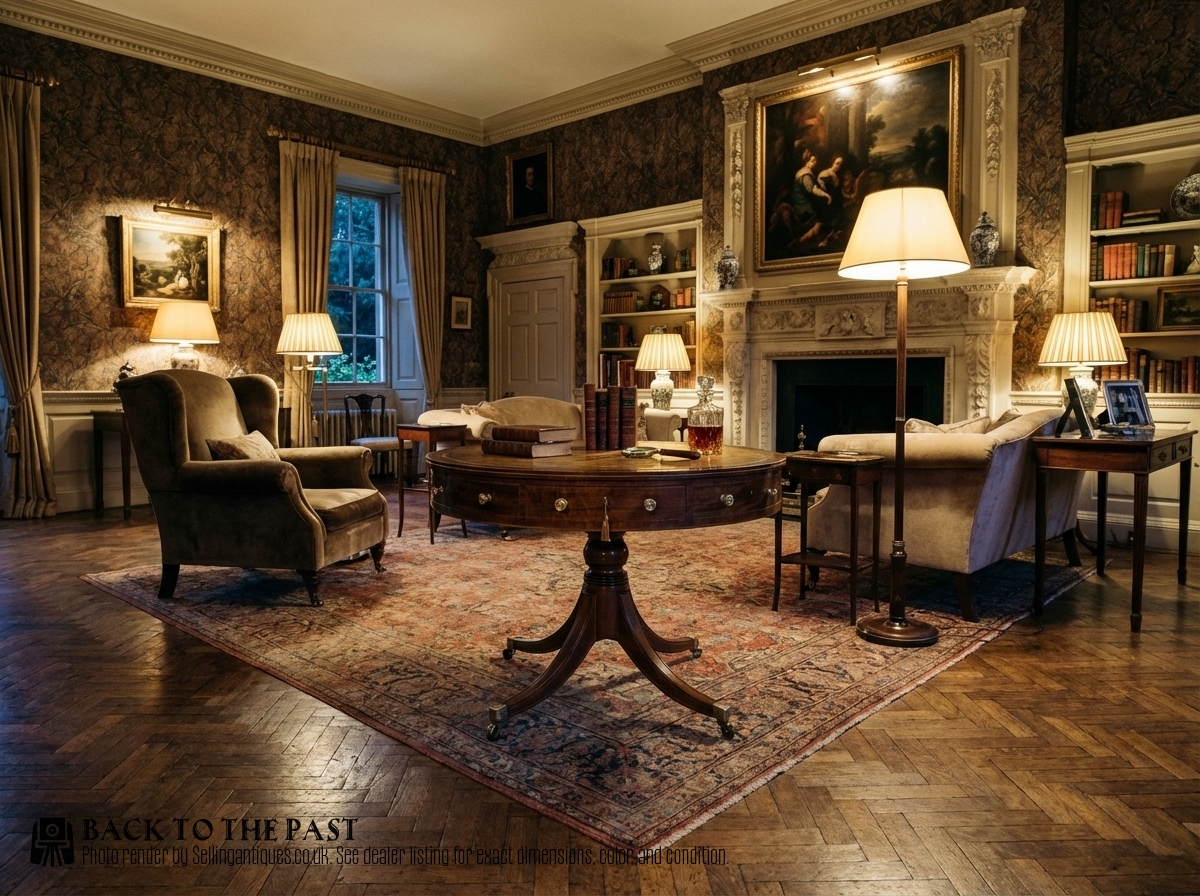
- A circular library table containing a deep frieze with alternating drawers and faux-drawer fronts, typically resting on a central pillar with tripod legs.
- Serpentine
- A furniture edge or front line curving outward then inward, creating a gentle undulating shape associated with advanced cabinet work.
Frequently Asked Questions
Where should I place a centre table?
These tables are designed to stand freely in the middle of a room, hallway, or library rather than against a wall. This allows access from all sides and showcases the complete circular, octagonal, or serpentine form.
Ensure there is adequate clearance around the piece for movement, treating it as both a functional surface and a sculptural anchor for the space.
How do I care for mahogany timber?
Keep the wood away from direct heat sources and strong sunlight to prevent the rich brown colour from fading and the timber from drying out. Regular dusting with a soft, dry cloth maintains the finish.
Apply a quality beeswax periodically to nourish the mahogany and preserve the depth of the figured grain without building up heavy chemical residues.
What is a tilt-top table used for?
Tilt-top tables served a dual purpose in period homes, functioning as solid dining or display surfaces when locked horizontally. The hinge mechanism allowed the top to fold flat against the pedestal when the room needed to be cleared.
Today, leaving the top tilted displays the figured mahogany grain as a vertical decorative panel when the table is not in active use.
How do I identify a Georgian table?
Georgian pieces date from the eighteenth century and are characterised by classic proportions, understated carving, and rich timber selection. They often feature robust pedestals and traditional cabinet-making joints without modern fasteners.
Examining the underside and interior construction reveals hand-cut elements and period tooling marks that distinguish these older pieces from later Victorian revivals.
Can these tables be used for dining?
Larger circular and serpentine examples in the collection are specifically configured as dining or library centre tables, offering comfortable seating arrangements for multiple people. Their sturdy pedestals provide ample legroom beneath the top.
Using coasters and placemats protects the historical polished surface and leather inserts from moisture and heat during meals.