

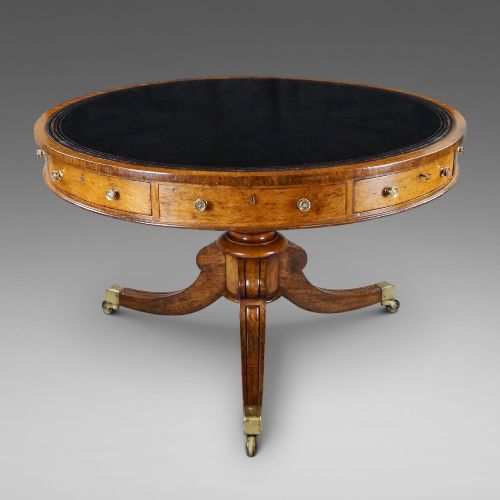
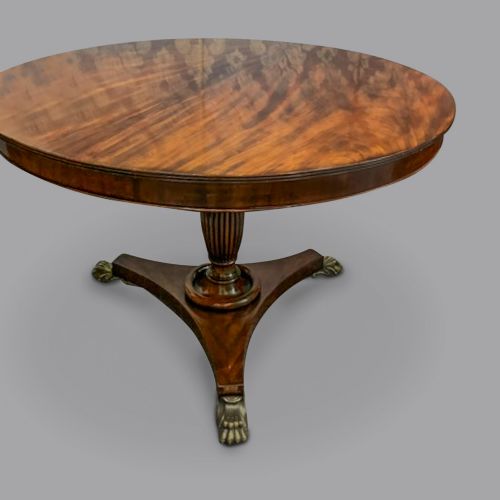
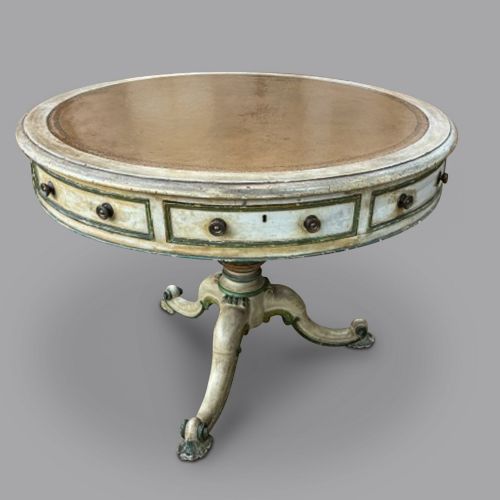
Georgian Centre Table
A georgian centre table stands free in a room, offering polished timber surfaces and sturdy column or tripod supports designed for display or dining.
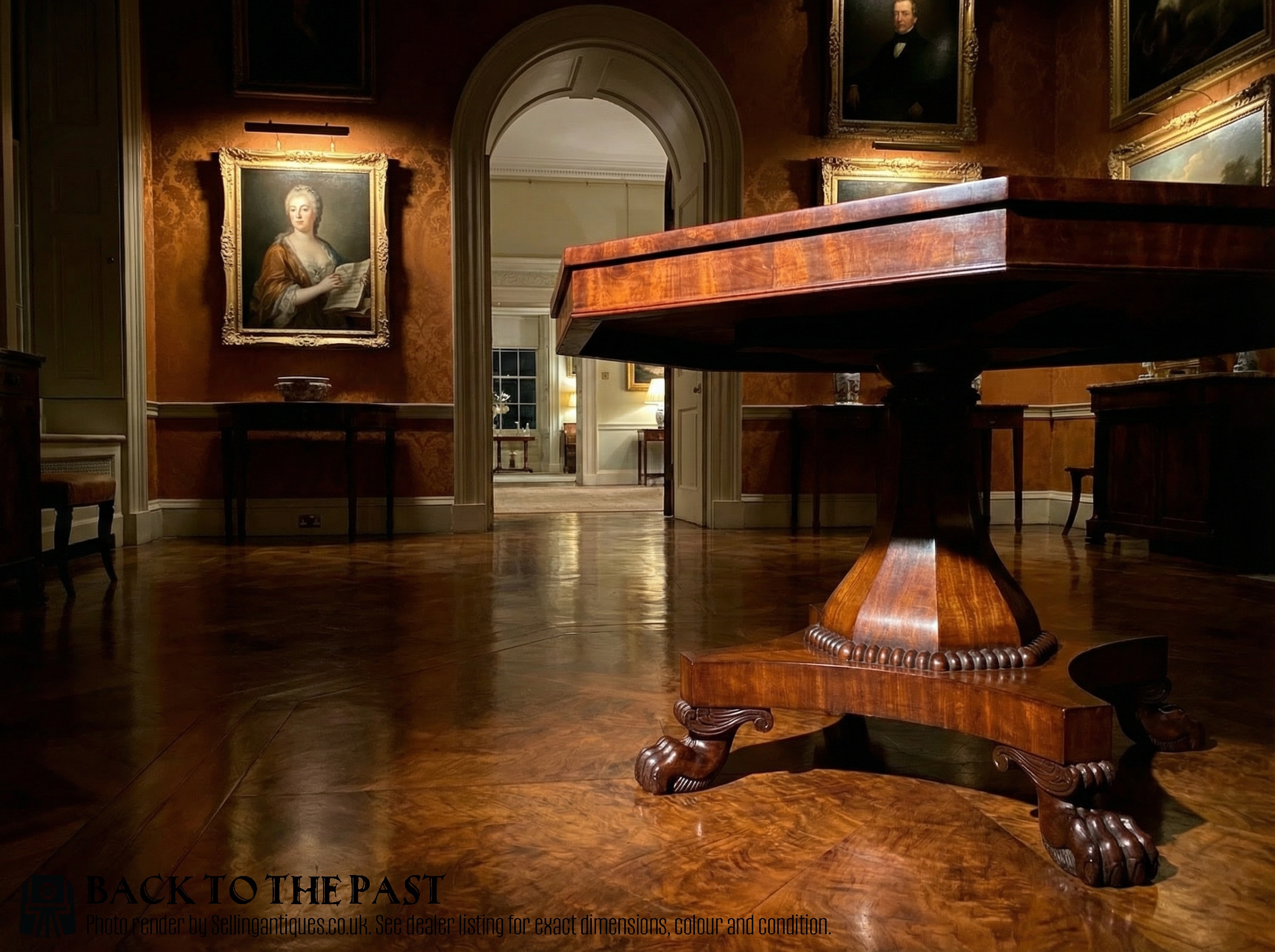
Georgian Centre Table
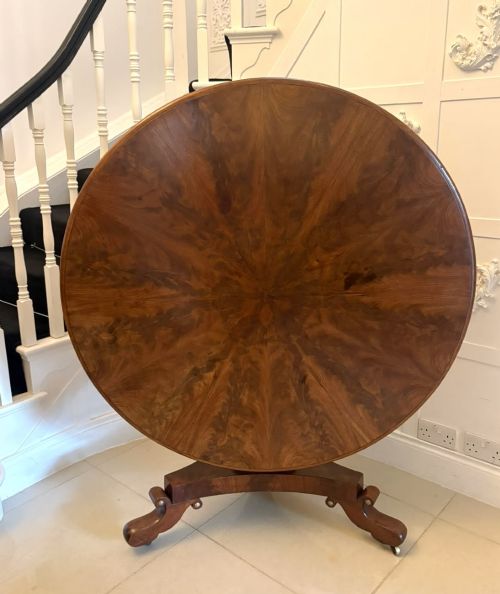
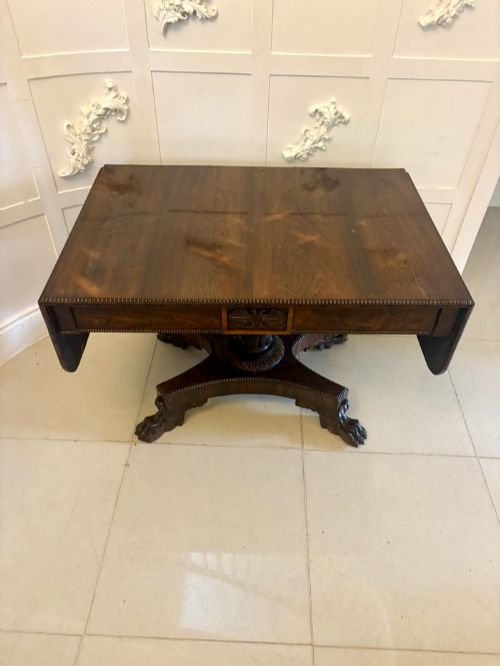
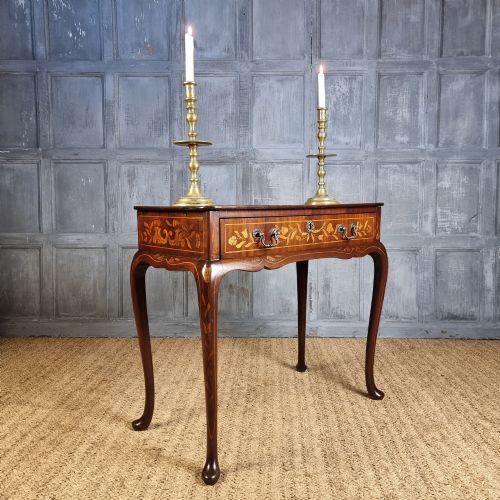
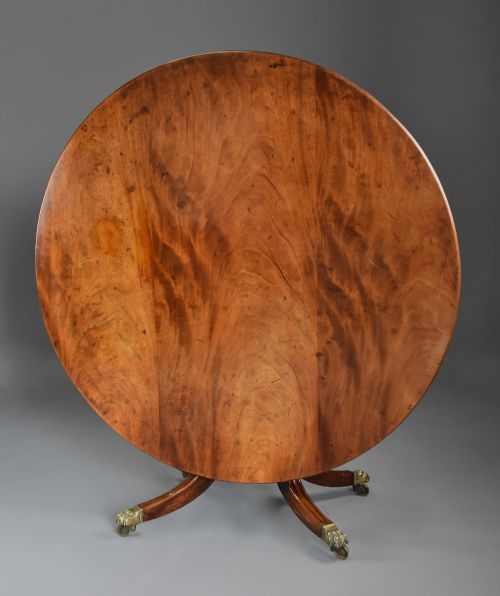
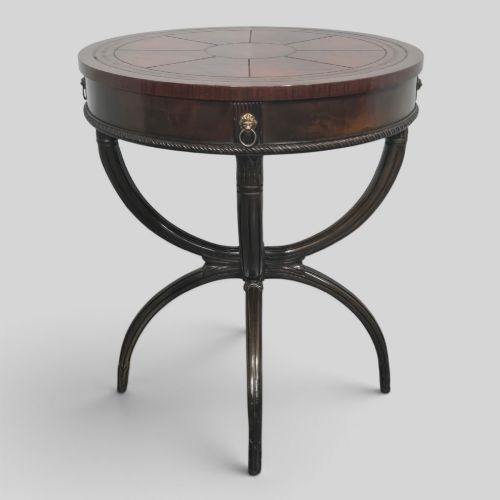
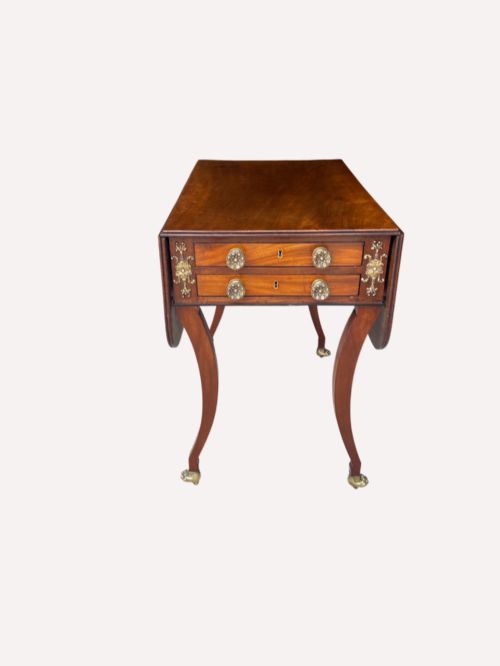
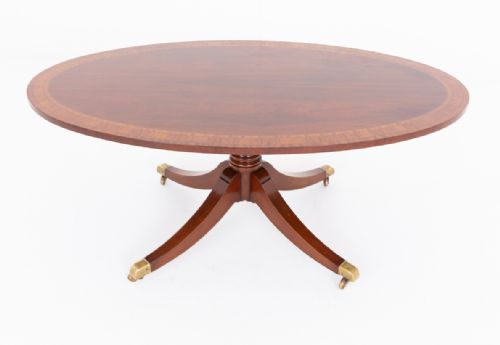
A georgian centre table is a freestanding piece designed to be viewed from all sides, commonly taking the form of circular breakfast tables, drum tables, or drop-leaf dining surfaces. These items appear across periods from the eighteenth century through the Regency era, utilising timber forms that anchor the middle of a room.
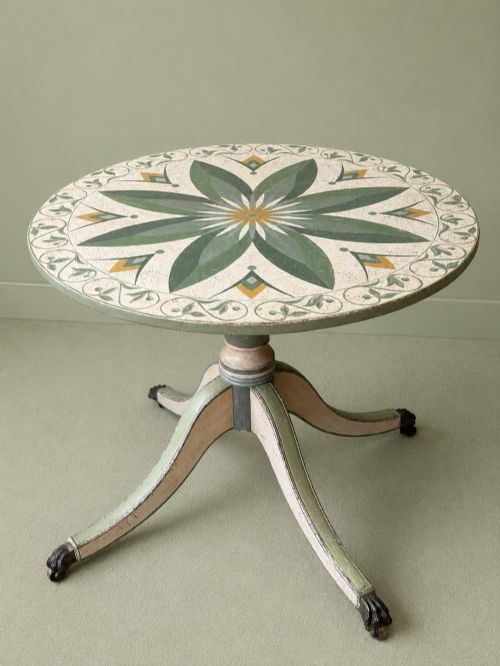
The pieces on this page span several centuries of construction, combining formal dining tables with smaller occasional and coffee table adaptations. Mahogany dominates the selection, accompanied by rosewood, walnut, and oak examples shaped by regional cabinet makers.

Materials and construction
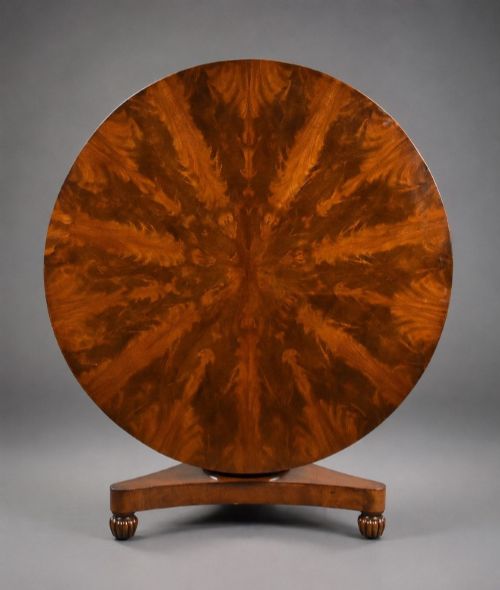
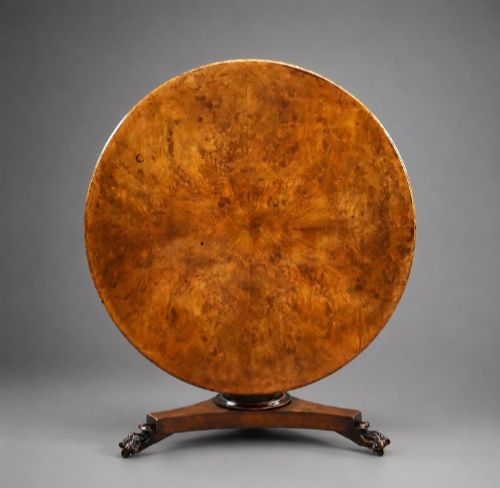
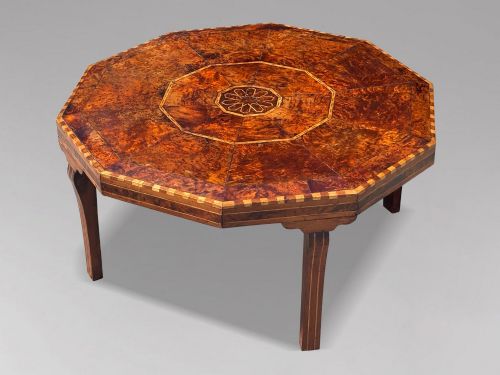
Cabinet makers relied heavily on solid mahogany and figured veneers such as flame mahogany, burr yew, and rosewood, often laid over secondary softwood or oak carcases. Surfaces frequently incorporate crossbanded borders, brass inlay, and intricate marquetry to enhance the visual depth of the timber.
Support structures range from heavy central pillars resting on triform bases with brass castors to slender tripod legs designed for tilt-top mechanisms. Joinery techniques balance weight distribution, ensuring that large circular tops remain stable upon their pedestals.
Georgian Centre Table Retail Price Guide 2026
Typical asking prices for georgian centre table among the pieces listed under this phrase on Sellingantiques today, from the lower quarter to the upper quarter. They describe what is for sale here now, not the wider market.
The listings on this page include mahogany, rosewood, walnut, and burr yew across the eighteenth, nineteenth, and twentieth centuries.
What separates the fine examples
Quality rests upon the choice of timber figure and the precision of the cabinet work, where symmetrical veneer matching and crisp brass inlay elevate a piece. Faded natural patination and well-preserved surface finishes indicate genuine age and careful handling over generations.
The integrity of the structural joints and the smooth operation of tilt mechanisms or drawers distinguish superior workshop output. Well-balanced proportions and refined carving on the pedestal base separate standard utility furniture from exceptional examples.
Gillows·Walker-Lancaster
The Georgian Centre Table Glossary
- Tilt-top
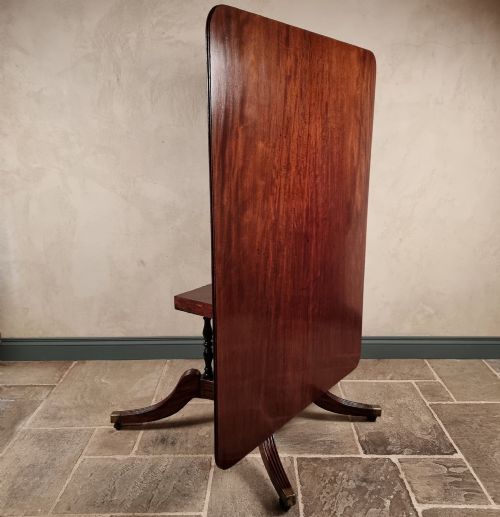
- A table top hinged to fold vertically when not in use. This mechanism allowed tables to be stored against walls to save floor space.
- Drum table
- A circular library table with a deep top containing drawers around the perimeter. It usually stands on a single central pedestal.
- Crossbanding
- A strip of veneer applied to the border of a table top with the grain running perpendicular to the main panel. This frames the central wood figure.
- Triform base
- A three-sided pedestal foot assembly that supports the central column. It frequently terminates in brass castors for mobility.
- Marquetry
- Elaborate decorative veneer work forming pictures or geometric patterns. Artisans used contrasting woods to achieve pictorial designs.
Georgian Centre Table: Frequently Asked Questions
What is a georgian centre table used for?
These tables served multiple functions including dining, writing, and displaying decorative objects in the middle of principal rooms. Their freestanding design allowed them to occupy open floor space rather than sitting against a wall.
Smaller versions functioned as occasional or lamp tables, while larger drum and breakfast variants accommodated meals or library work.
How do I identify a Regency period table?
Regency pieces often feature bold rosewood or flame mahogany veneers accented with brass inlay, parcel gilt, or ebony details. Their pedestals frequently take robust triform or rectangular block shapes.
Cabinet work from this era emphasises classical architectural motifs and dramatic wood grains rather than heavy carved ornamentation.
Can I use a tilt-top table daily?
Tilt-top tables function well for daily use provided the catch mechanism remains secure and the central pivot is stable. The folding feature originally saved space when the table was pushed to the perimeter.
Care should be taken when releasing the catch to protect the timber top and the block beneath from sudden impacts.
What woods were used in these tables?
Mahogany forms the primary material across the majority of pieces, accompanied by rosewood, walnut, and oak. Cabinet makers also utilised decorative veneers including burr yew, burr elm, and satinwood.
Secondary timbers like pine or oak frequently appear in drawer linings and internal carcase construction.