
Turned Column Table
These turned column table examples combine vertical turned supports with compact tops, offering practical surfaces that suit both historic and modern interiors.
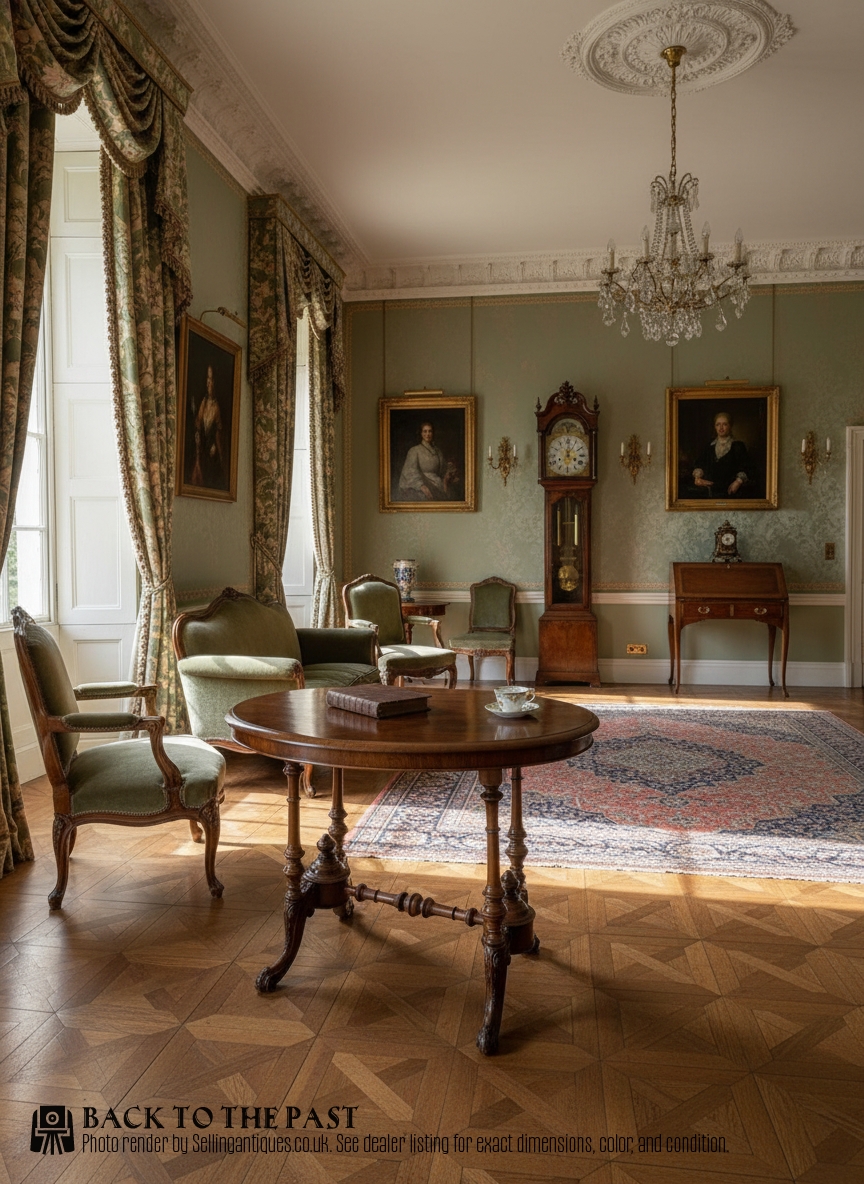
Turned Column Table
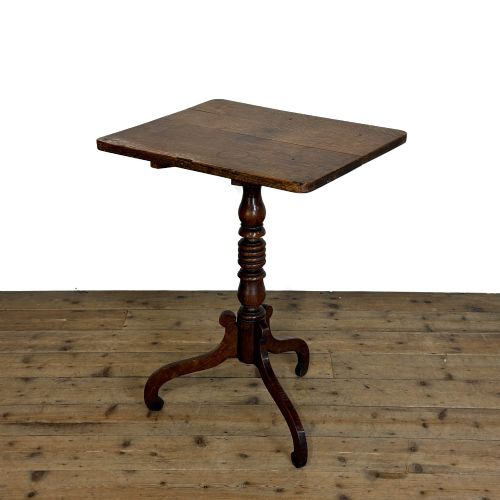
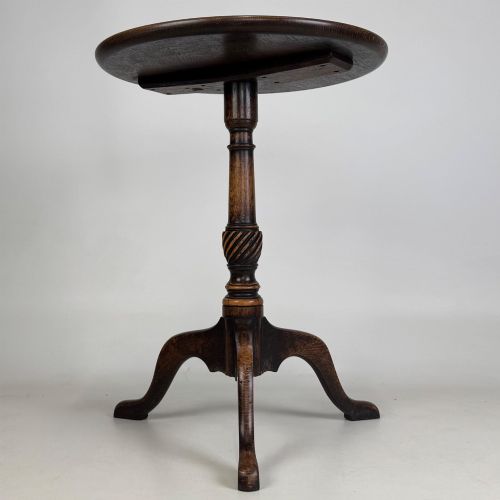
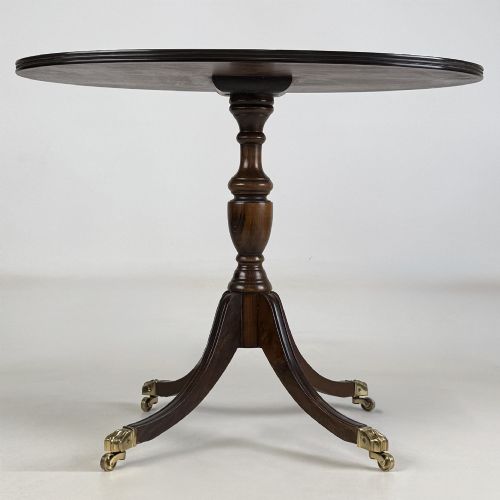
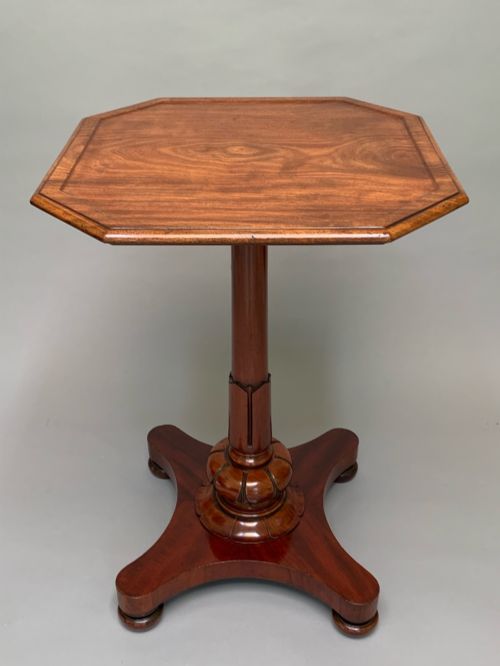
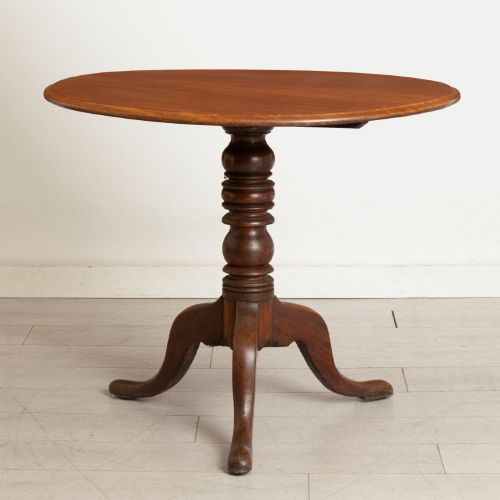
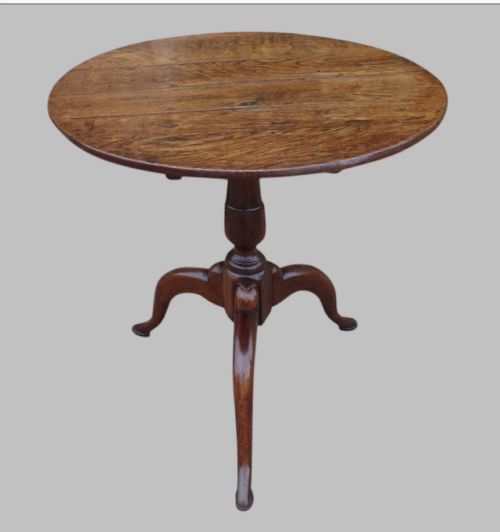
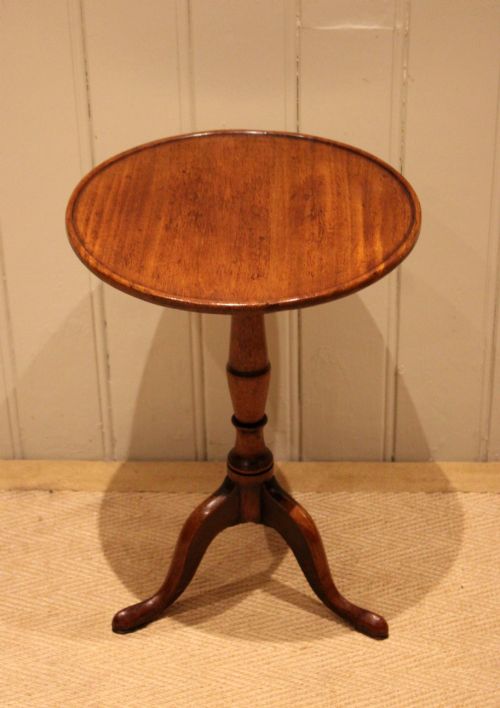
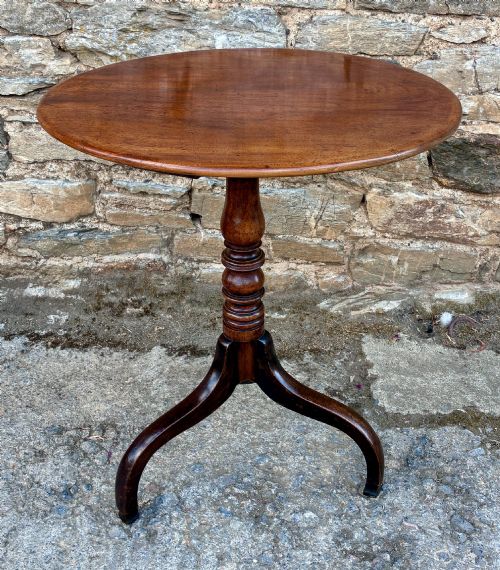
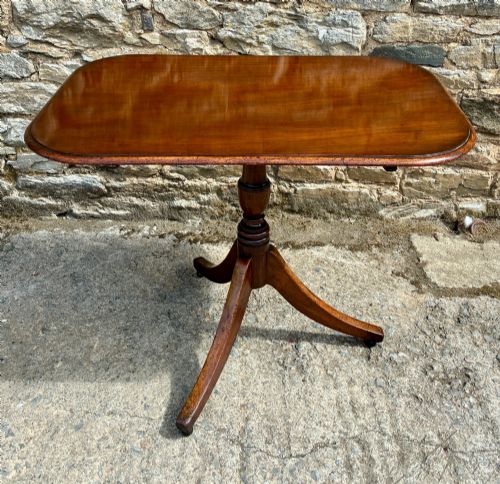
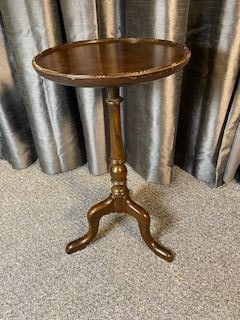
A turned column table is a compact or occasional piece raised on a central turned shaft, frequently appearing as a wine table, tripod table, or lamp table. You will regularly encounter mahogany and oak examples from the Georgian, Victorian, and Regency periods, often featuring tilting tops or slender tripod bases.
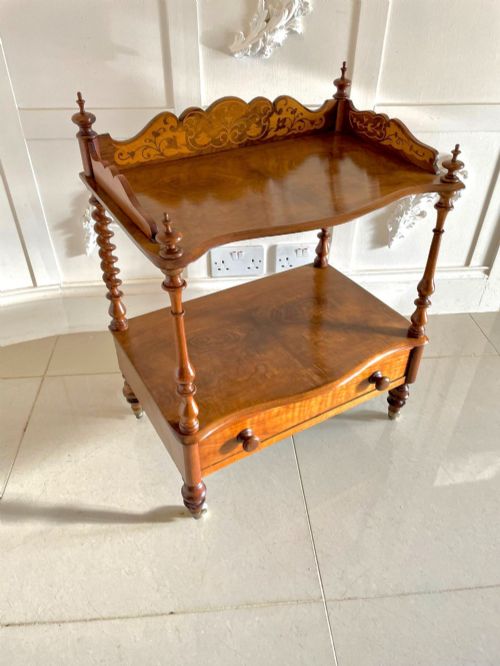
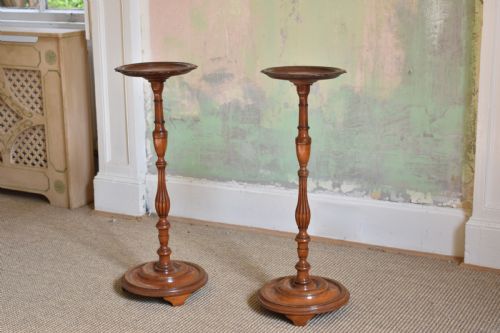
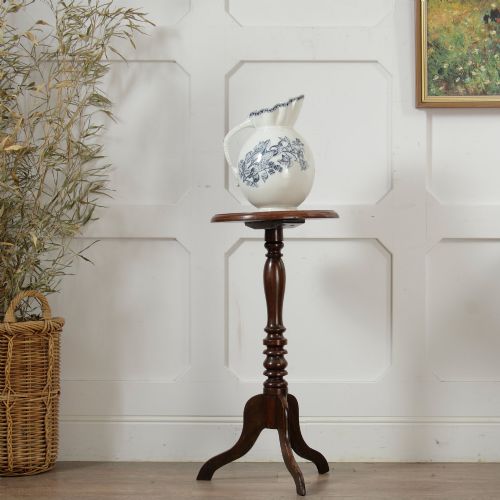
Beyond standard side tables, the category extends to specialised forms like pedestals, plant stands, and occasional tables designed to occupy corners or beside seating. These versatile items span centuries of British and continental design, prioritising a small footprint and functional surface height.
How they were made
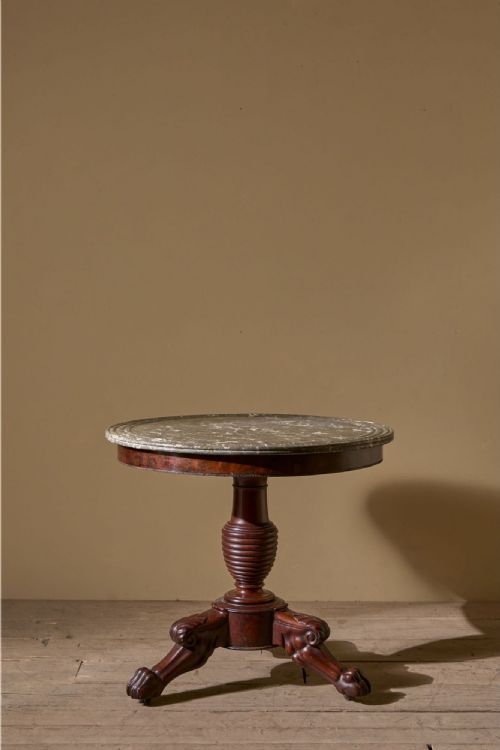
Cabinet makers utilised dense hardwoods such as mahogany, oak, and walnut, turning the central columns on lathes to achieve precise baluster or reeded profiles. Tops were frequently fashioned from single timber boards or veneered panels, sometimes inlaid with satinwood or supported by tilting mechanisms.
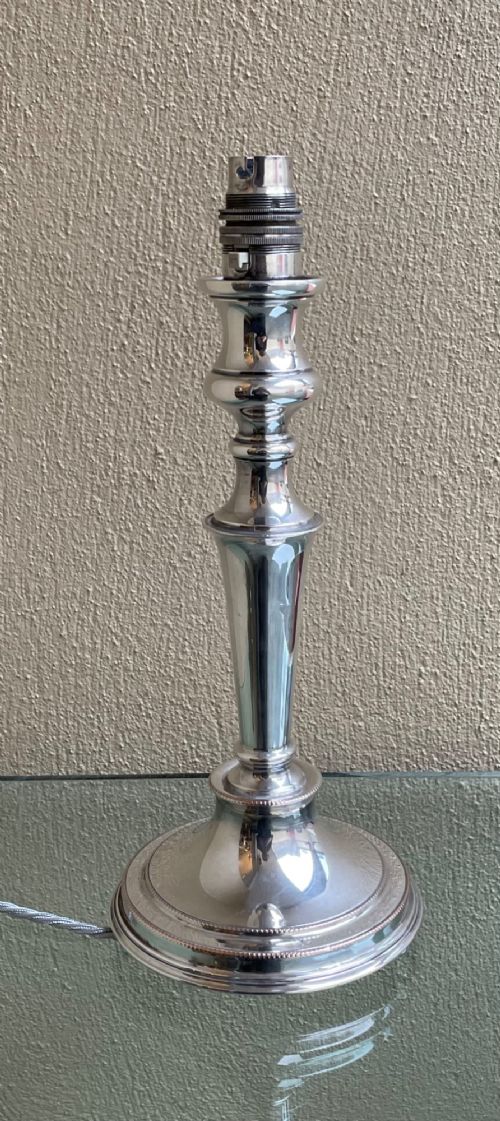
Base construction relied heavily on tripod legs secured to the central column via dovetail or pegged joints, occasionally accented with brass castors or paw feet. For lighting pieces, turned brass, lignum vitae, and painted pine served as sturdy vertical bodies to house electrical components.
Turned Column Table Retail Price Guide 2026
Typical asking prices for turned column table among the pieces listed under this phrase on Sellingantiques today, from the lower quarter to the upper quarter. They describe what is for sale here now, not the wider market.
Listings feature mahogany, oak, and walnut across Georgian, Regency, and Victorian periods.
What varies in quality
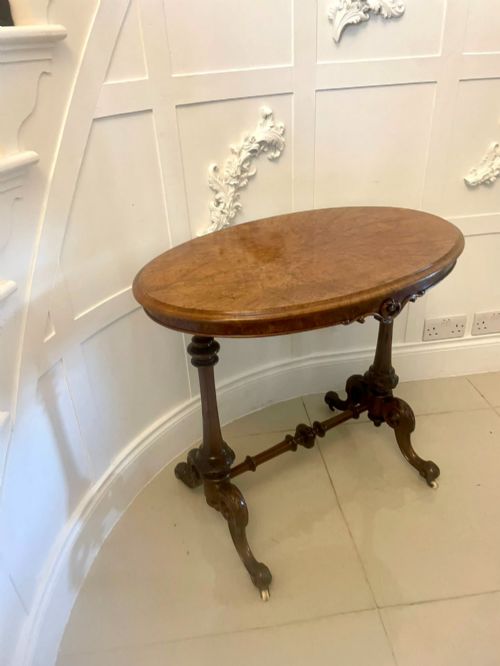
Quality rests in the crispness of the column turning and the selection of timber figures, such as burr walnut or figured mahogany, rather than simple utility. Superior examples exhibit balanced proportions between the top, the central shaft, and the supporting feet.
The integrity of the construction dictates longevity, particularly where the column meets the tripod base or the tilting mechanism. Finer pieces demonstrate precise joinery and subtle decorative touches like crossbanding or inlay that elevate the object beyond basic carpentry.
Shoolbred
The Turned Column Table Glossary
- Tilt top
- A table top hinged to the central column so it can be folded flat when not in use. This allowed the furniture to be stored against a wall to save floor space in smaller rooms.
- Tripod base
- A three-legged support system radiating from the base of the column. It ensures steady placement on uneven historic floors.
- Wine table
- A small occasional table designed to hold a glass and bottle during evening gatherings. These typically feature circular tops supported by a turned pillar.
- Crossbanding
- A strip of veneer applied to the border of a table top with the grain running perpendicular to the centre. It creates a defined visual frame for the main timber.
- Reeded
- A decorative moulding consisting of parallel convex rounded strips resembling parallel reeds. It is frequently carved along columns or table legs during the Regency period.
Turned Column Table: Frequently Asked Questions
How do I use a tilt top table?
Release the catch beneath the top to pivot the surface into a vertical position for storage against the wall.
Return it to the horizontal position when you need a stable surface for lamps or drinks.
What rooms suit a wine table?
These compact pieces fit easily beside armchairs, sofas, or in awkward corners where standard tables cannot reach.
They provide a convenient resting spot for small items like cups or reading glasses without crowding the floor space.
How do I date a tripod table?
Examine the timber species, the turning style of the central column, and the method used to join the legs to the shaft.
Georgian examples often show vernacular oak construction, while Regency and Victorian pieces lean towards refined mahogany or walnut with sharper lathe work.
Are these tables sturdy enough for daily use?
Most tripod and occasional designs offer stable daily surfaces provided they are placed on level flooring and not overloaded.
Care should be taken with tilting mechanisms to avoid straining the original wooden hinges over time.