

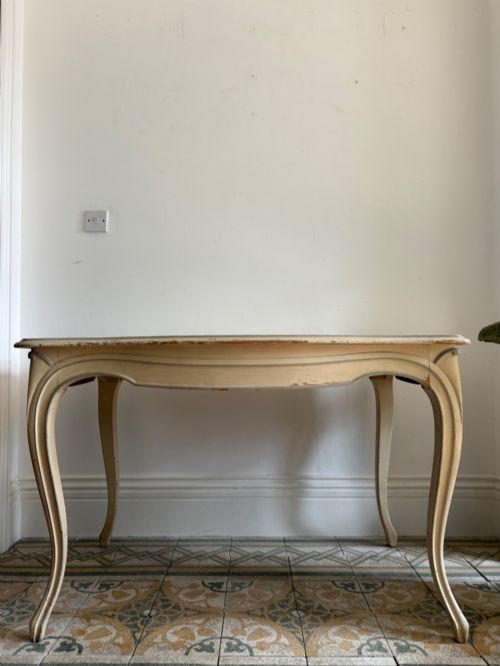
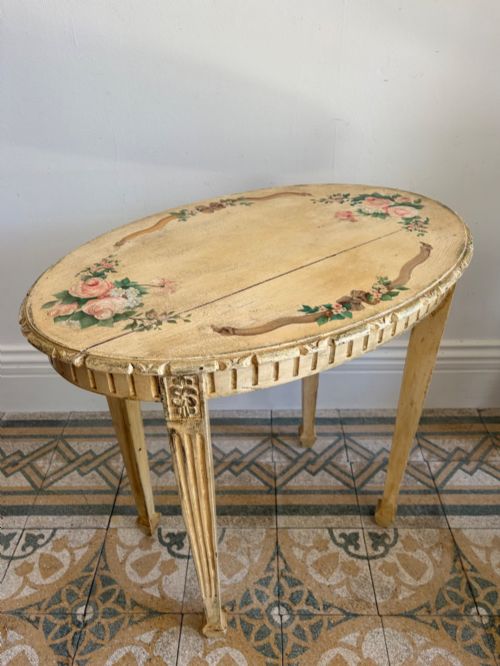
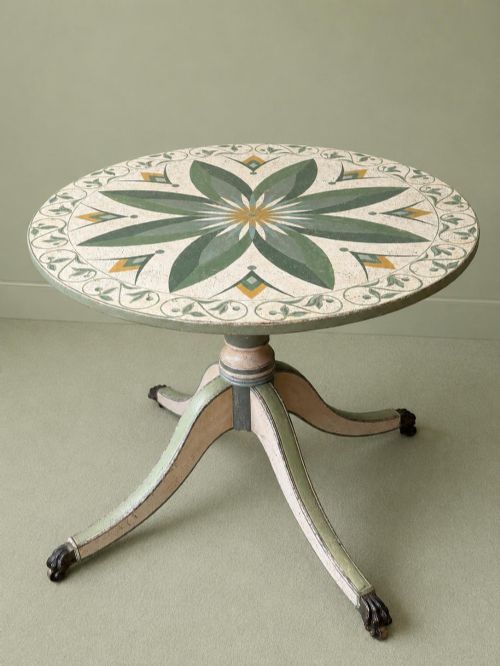
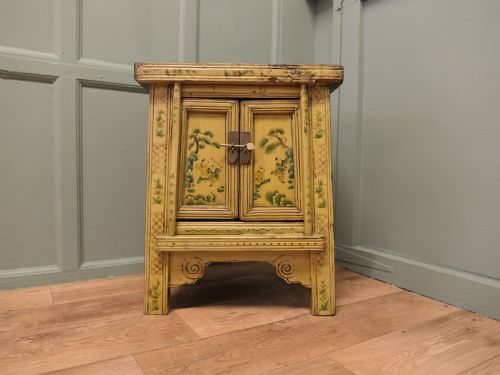
Cream Painted Side Table
A cream painted side table brings brightness and continental charm to a room, offering surface space with a soft aesthetic.
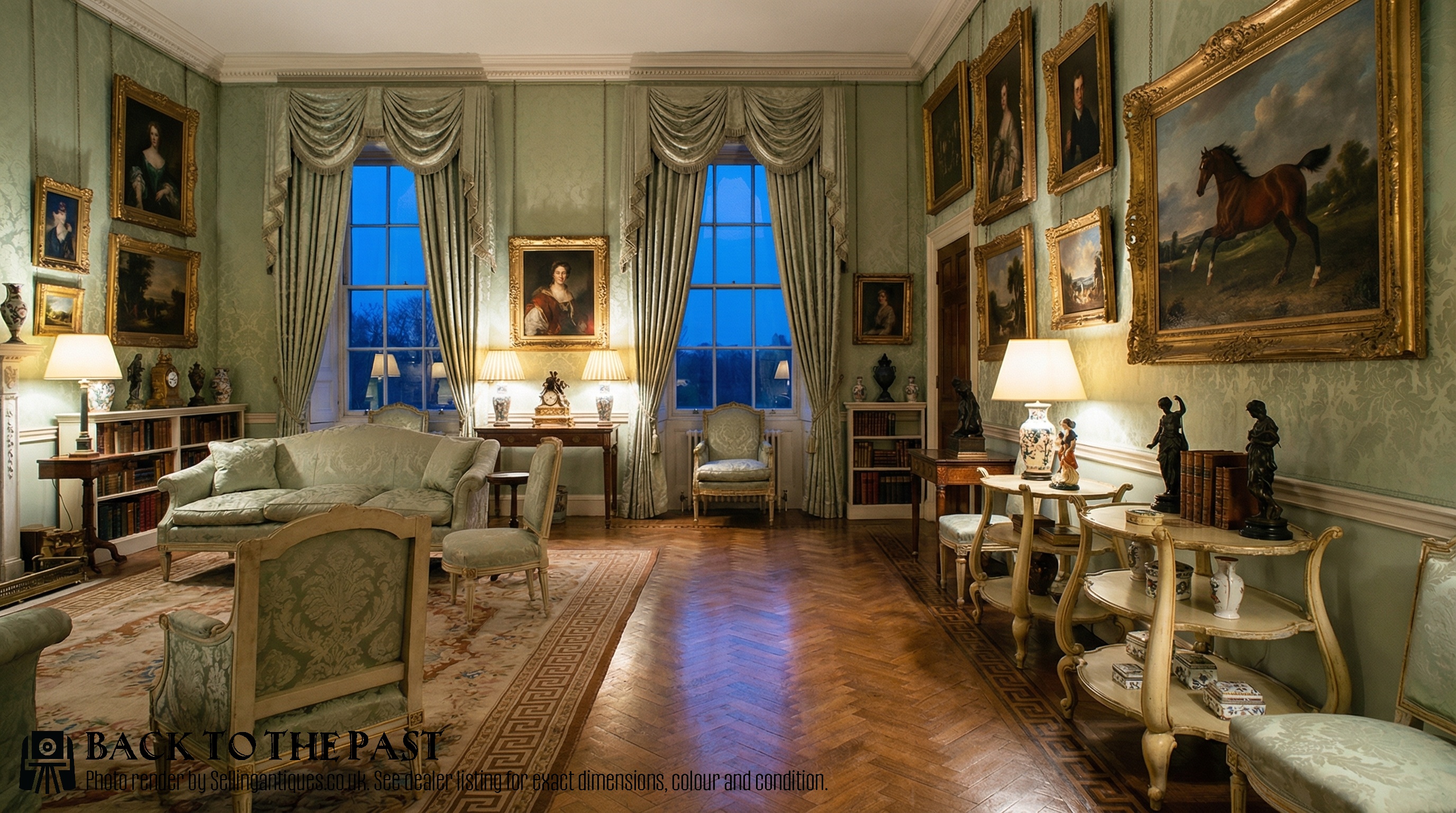
Cream Painted Side Table
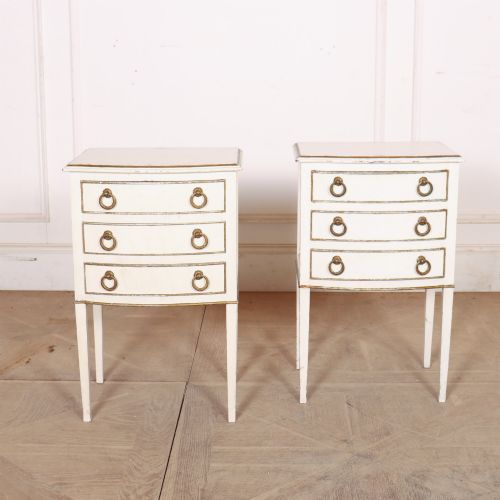
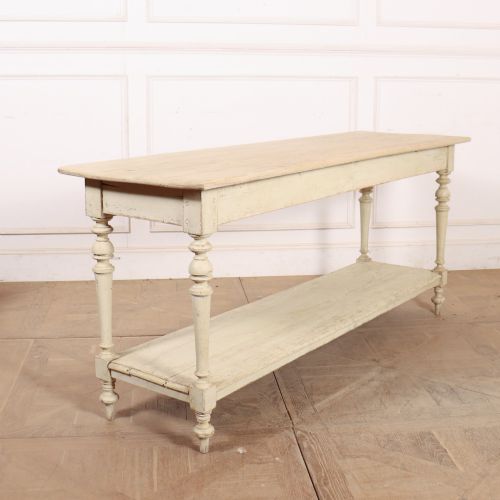
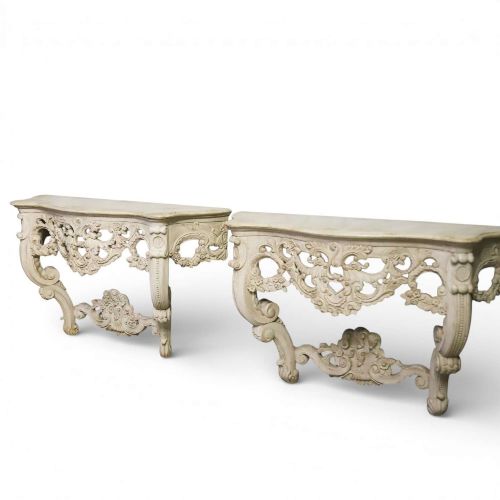
When searching for a cream painted side table, you encounter a variety of forms designed to fit domestic spaces, from console tables and bedside chests to lamp and occasional tables. These pieces serve functional roles in halls, bedrooms and reception rooms while introducing a muted, lighter palette.
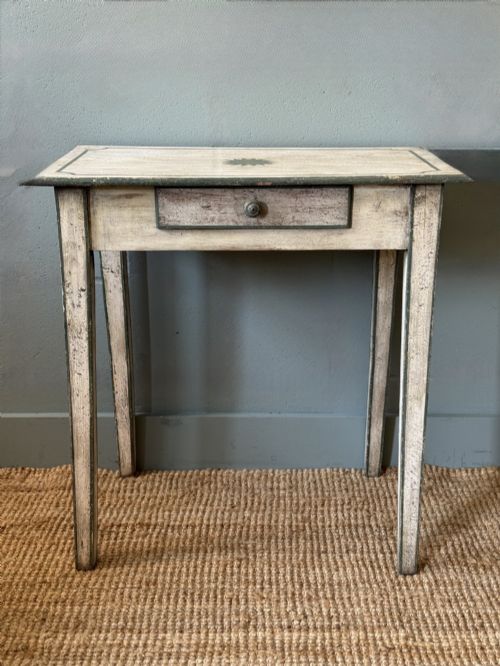
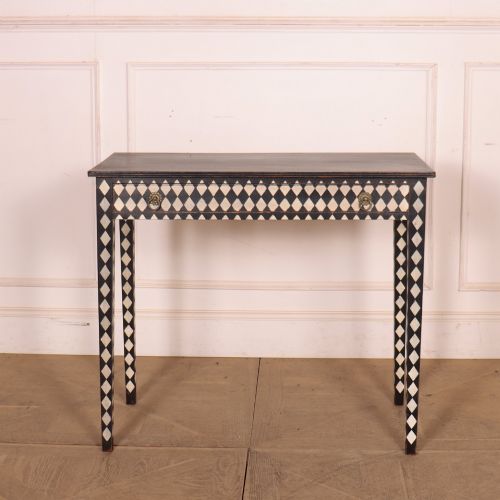
The selection includes examples from the nineteenth and twentieth centuries, reflecting styles such as French chateau, Gustavian, Neoclassical and English country house. You are most likely to meet console tables and bedside cabinets finished in antique white or cream paint, often showing regional characteristics from France, Italy, Sweden and England.
Materials and construction
Makers utilised timber and pine as foundations for these surfaces, sometimes incorporating marble tops, brass fittings or gesso details to elevate the design. The wooden structures were then painted, layered with white or cream finishes, and occasionally detailed with gilt or parcel gilt accents.
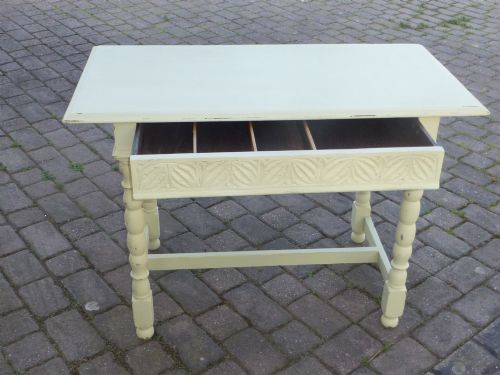
Construction techniques range from hand-carved decorative motifs on console tables to simpler joinery on country prep and dairy tables. Surfaces often show historic layers of paint, with some items featuring later painted finishes applied over older timber bases.
Cream Painted Side Table Retail Price Guide 2026
Typical asking prices for cream painted side table among the pieces listed under this phrase on Sellingantiques today, from the lower quarter to the upper quarter. They describe what is for sale here now, not the wider market.
Materials recorded across the inventory include painted wood, pine, fruitwood, oak, marble, brass and gesso.
Factors influencing quality
Quality in these pieces rests upon the integrity of the timber frame, the harmony of the proportions and the character of the painted surface. Hand-carved detailing and original decorative schemes distinguish finer continental consoles and occasional tables from simpler utilitarian forms.
The depth and texture of the paintwork also divide standard examples from superior pieces, particularly where gesso or parcel gilding remains well-preserved. Structural stability in legs, joints and marble inserts determines how successfully a table has survived its domestic history.
The Cream Painted Side Table Glossary
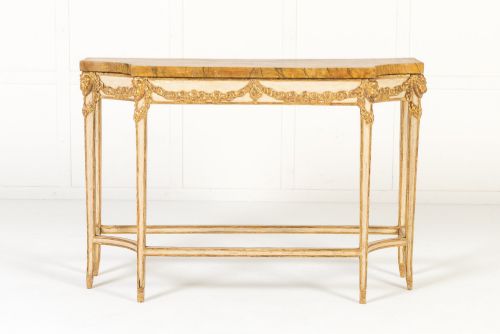
- Console table
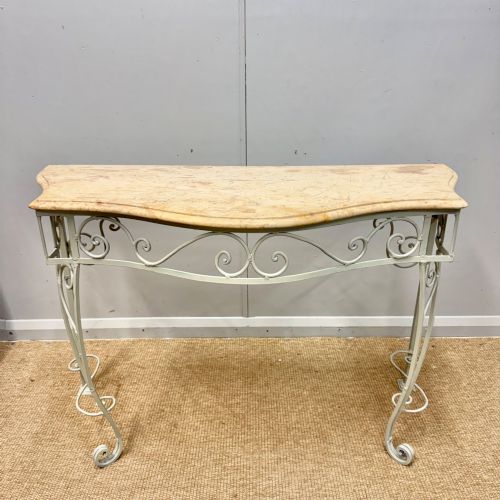
- A table designed to stand against a wall, frequently supported by brackets or cabriole legs. These pieces often feature decorative aprons and marble or wooden tops.
- Demi-lune
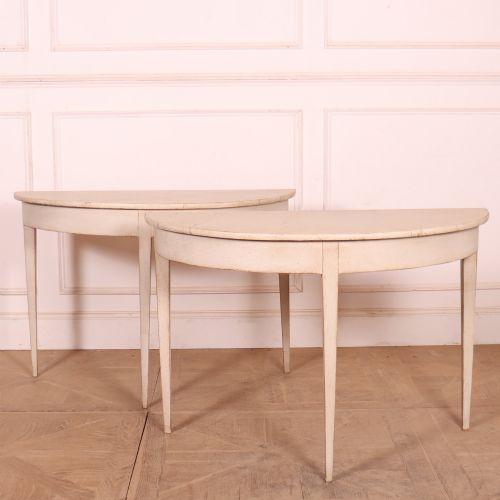
- A half-moon shape characteristic of certain console and hall tables. This form allows the furniture to sit flush against a wall while occupying minimal floor space.
- Gesso
- A plaster-like material applied to wood as a base for paint or gilding. It enables intricate relief ornamentation on frames and tables.
- Parcel gilt
- Partially gilded with gold leaf or paint to highlight carved details or architectural motifs. This technique contrasts effectively with cream or antique white painted surfaces.
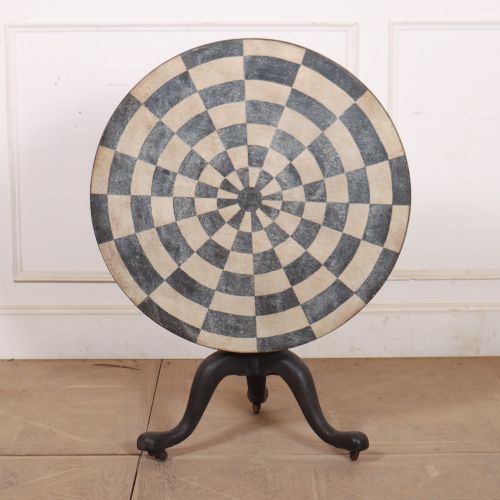
- Tilt-top table
- A table with a hinged top that pivots to a vertical position when not in use. This mechanism allowed for compact storage in period interiors.
Cream Painted Side Table: Frequently Asked Questions
Where should I place a cream painted side table?
These tables suit hallways, living rooms and bedrooms where you need a compact surface for lamps, books or decorative objects. Console variants anchor narrow entrance spaces, while bedside versions fit neatly beside sleeping quarters.
The neutral cream or antique white tones allow the furniture to complement both traditional country interiors and more formal neoclassical settings without overwhelming the room colour scheme.
How do I identify the period of a painted table?
Dating relies on examining the construction methods, timber types and the characteristics of the paint layers. Nineteenth-century examples often display hand-planed timbers and traditional joinery, whereas twentieth-century pieces may show different wear patterns or later surface treatments.
Style indicators such as cabriole legs, neoclassical motifs or Gustavian proportions also provide clues to the era in which the piece was constructed and painted.
Are marble top tables difficult to care for?
Marble tops require gentle cleaning with mild, non-acidic soap and water to protect the polished stone surface from staining. Using coasters and placemats helps prevent moisture marks and scratches on vintage marble.
The stone provides a durable and cool surface for lamps and drinks, combining practicality with the decorative elegance typical of continental console and side tables.
What is the difference between a console and a side table?
A console table is specifically designed to be placed directly against a wall, frequently featuring decorative front legs and a flat rear edge. Side tables are generally freestanding and can be moved around a room as needed.
Both forms appear frequently in cream painted finishes, serving similar functional purposes while offering distinct architectural silhouettes within a domestic interior.