
Indian Carved Coffee Table
These Indian carved coffee table pieces bring rich regional craftsmanship and intricate low furniture forms into the modern home.

What they are
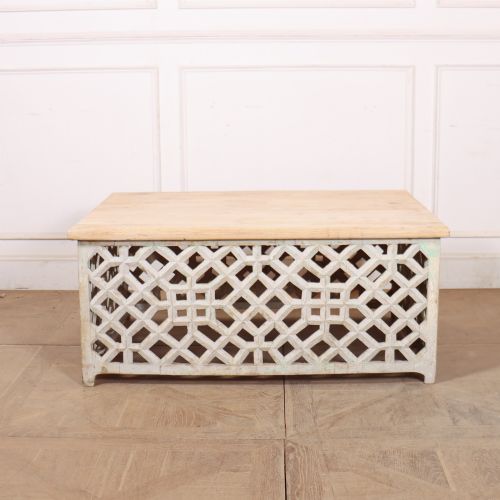
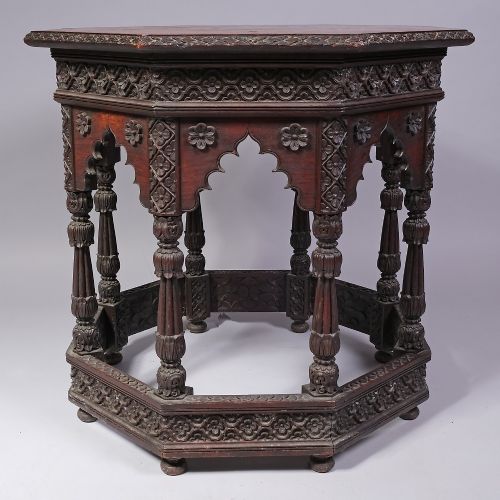
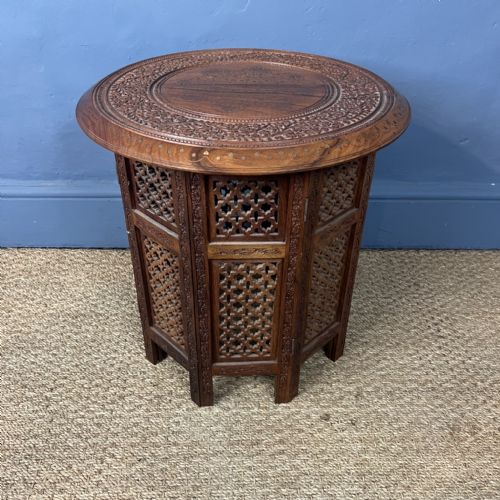
An Indian carved coffee table brings intricate woodwork into domestic spaces through low forms designed for serving and display. The selection includes occasional tables, side tables, and tea tables adapted into coffee tables over time.
The available pieces span the late Victorian period, the nineteenth century, and around nineteen hundred, alongside items from circa nineteen twenty. Regional origins represented include Burma, Kashmir, southern India, and Bombay, often grouped under the Anglo-Indian style.
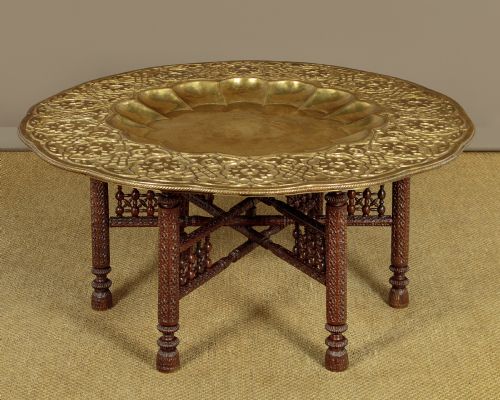
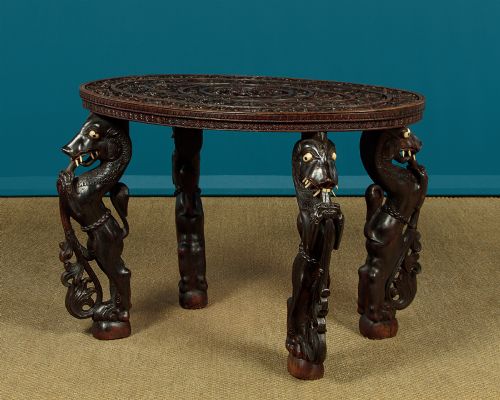
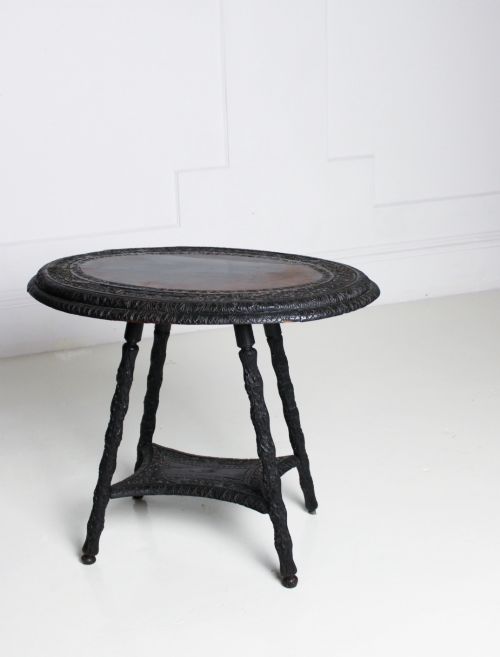
Buyers encounter specific figurative and structural motifs, such as elephant tables, two-tier oval shapes, square display tables, and massive teak frames with inset brass trays. These varied forms reflect both traditional regional furniture and British colonial influence.
How they were made
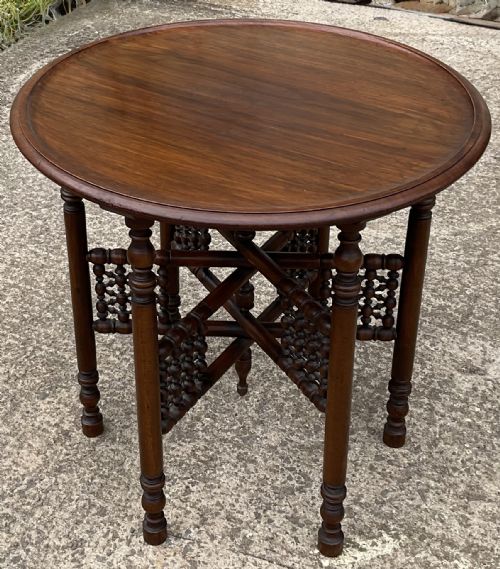
Artisans utilised dense timbers suited to intricate carving, specifically teak, walnut, and general hardwood. These durable woods provided the stable foundation necessary for deep relief work and structural longevity.
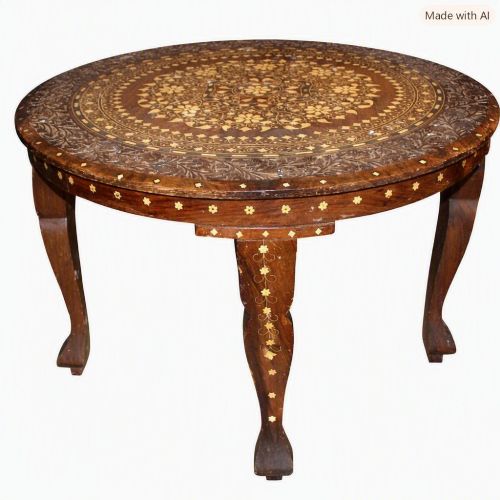
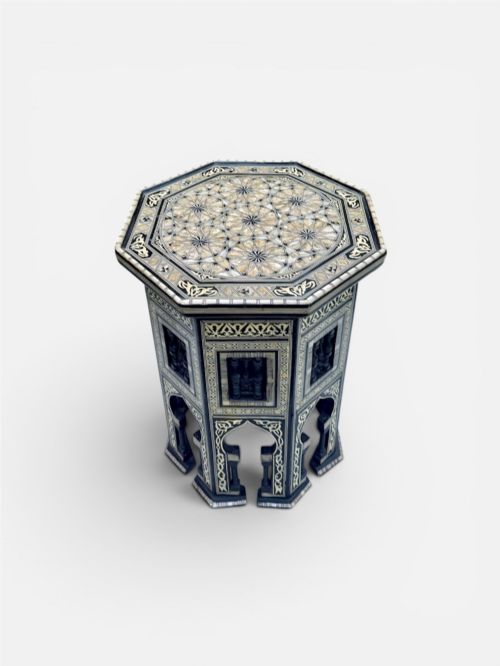
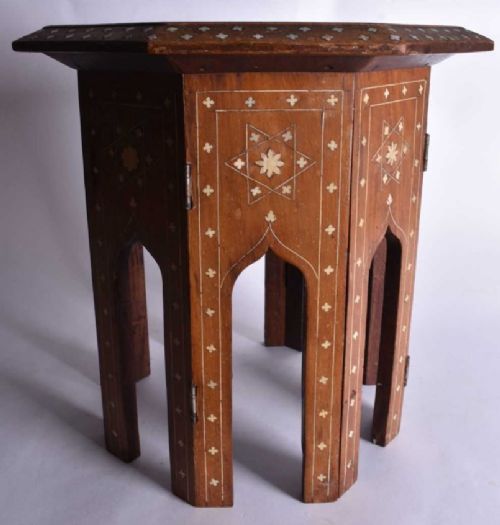
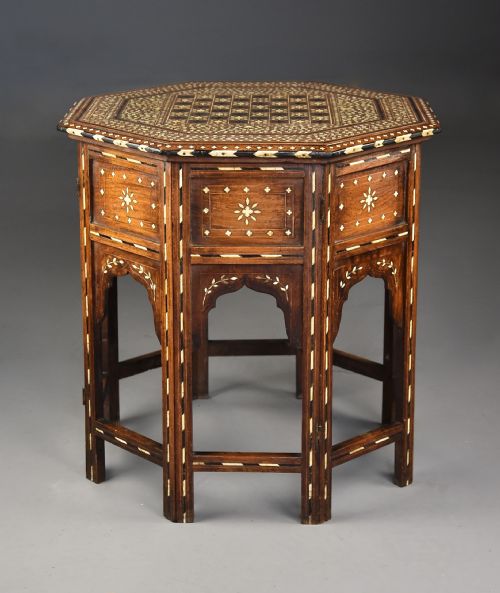
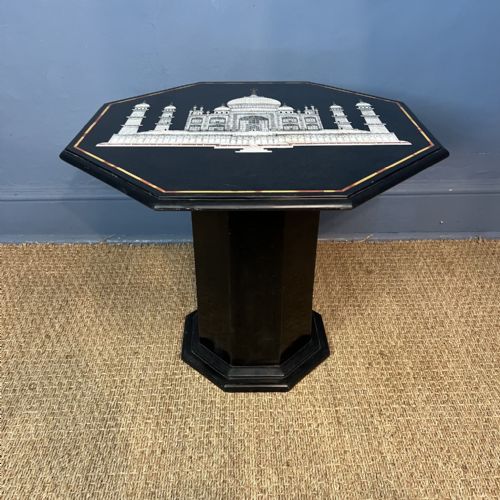
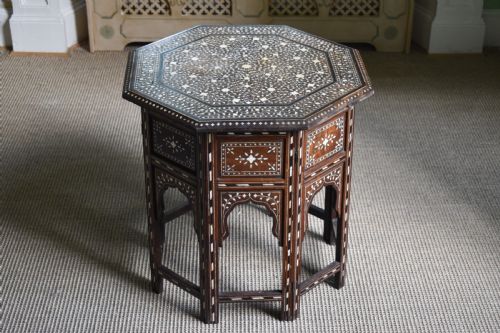
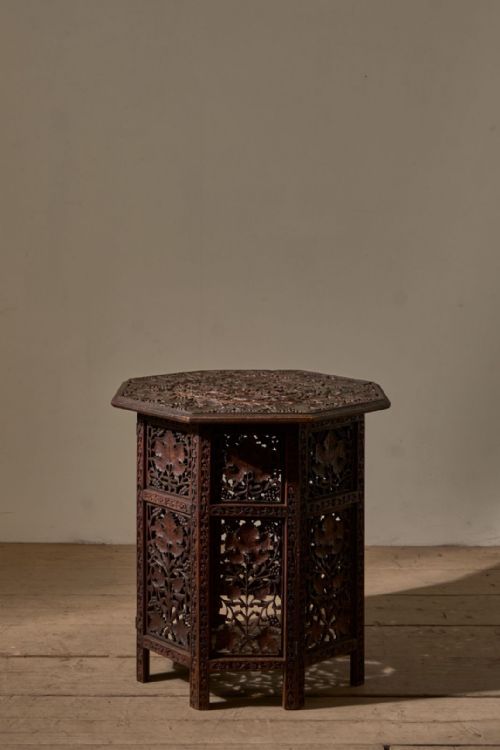
Surface ornamentation involved elaborate hand carving across the timber, sometimes combined with delicate bone inlay or contrasting bone elements. Certain examples incorporated metal components, such as inset brass trays held within massive wooden surrounds.
Retail Price Guide 2026
Typical UK retail prices for indian carved coffee table, calculated from the Sellingantiques database of over a million retail prices indexed since 2003. This retail price guide relies exclusively on Sellingantiques data; no external sources or auction records are used, so the figures do not describe the wider market.
Elephants appear frequently beneath table tops, shouldering the weight with surprising dignity.
What varies in quality
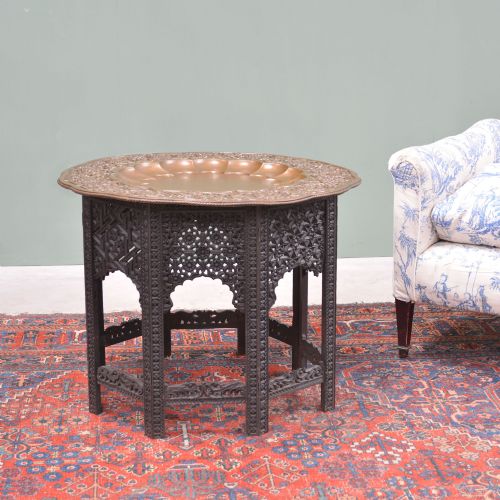
Quality rests upon the depth, sharpness, and complexity of the hand carving across the timber surface. Tables featuring deeply undercut foliage, figures, and animals demonstrate a higher degree of artisan skill than shallowly incised examples.
Material selection and decorative enrichment further distinguish the range. The inclusion of fine bone inlay, solid walnut or teak construction, and specialised regional forms such as inset brass trays separate standard production from superior pieces.
The Indian Carved Coffee Table Glossary
- Anglo-Indian
- A descriptive term for furniture made in India during the British colonial period, combining traditional regional craft with European forms. This aesthetic defined much of the decorative export trade.
- Bone inlay
- A decorative technique where small pieces of animal bone are set flush into recesses carved in the wood. This method creates geometric or floral patterns with high visual contrast.
- Occasional table
- A light, movable small table designed for intermittent use around a room. Many historical examples of this form function well as modern coffee tables.
- Teak
- A durable tropical hardwood prized for its resistance to weathering and dimensional stability. Its dense grain allows for crisp, detailed carving without splintering.
Frequently Asked Questions
What is an Indian carved coffee table?
These pieces are low wooden tables originating from regions like Kashmir, Burma, and Bombay, often featuring dense hand-carved ornamentation. Many examples began as tea tables, occasional tables, or side tables before being adopted for modern living.
They showcase diverse regional styles from the nineteenth and early twentieth centuries, incorporating motifs such as elephants, foliage, and geometric patterns.
How do I date these tables?
Dating relies on stylistic markers, construction methods, and recorded periods such as late Victorian, nineteenth century, or circa nineteen hundred. Pieces often exhibit specific regional traits tied to British colonial production.
Material choices like solid teak, walnut, and the presence of bone inlay or brass trays also help place items within their historical timeframe.
How were bone inlay tables made?
Craftsmen carved precise recesses into hardwood surfaces and fitted small, shaped pieces of bone into the timber. This intricate mosaic work required steady hands and specialised tools to achieve a smooth finish.
The resulting patterns contrasted brightly against the dark wood background of the table.
How do I live with an antique carved table?
These tables fit well as central coffee tables in living spaces, providing a distinct focal point through their carved surfaces and rich wood tones. Regular dusting with a soft cloth helps maintain the recessed details.
Their sturdy hardwood construction makes them practical for daily use while retaining their decorative historical character.