
Brown Carved Table
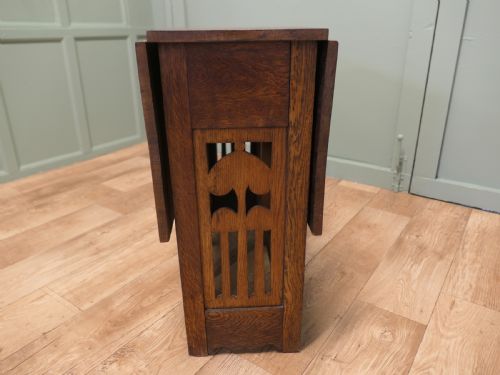
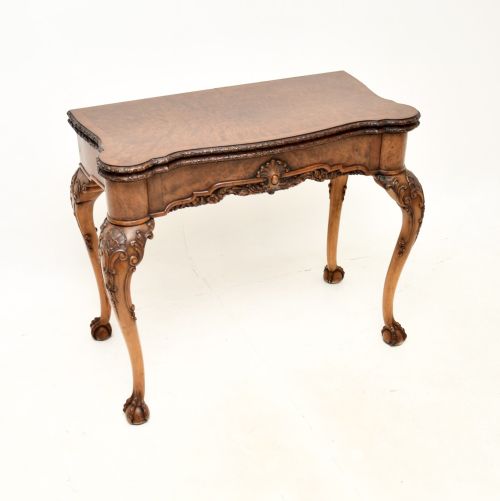
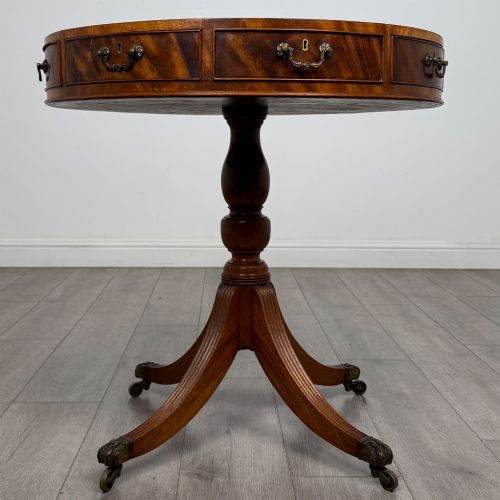
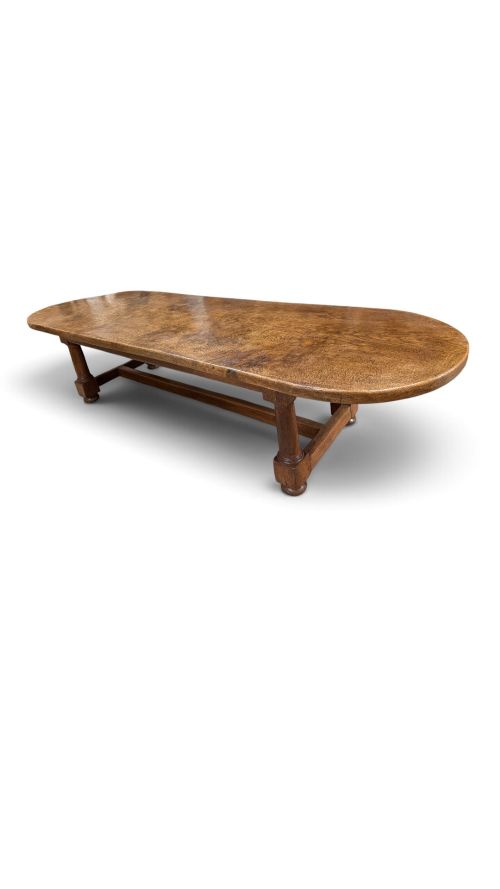
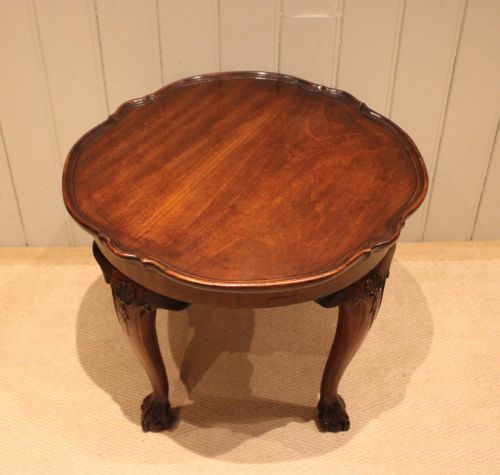
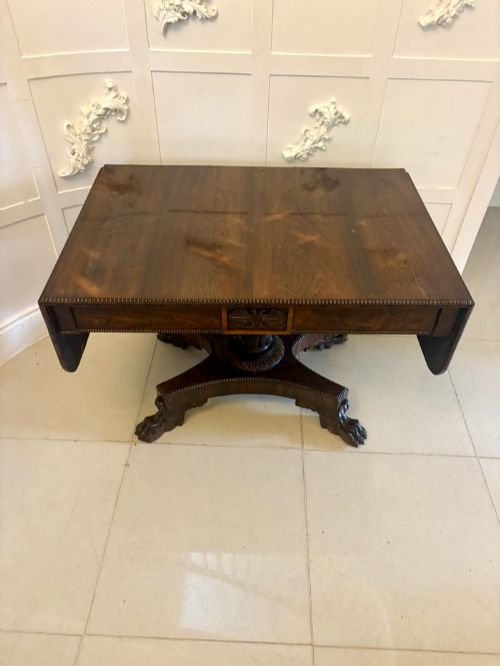
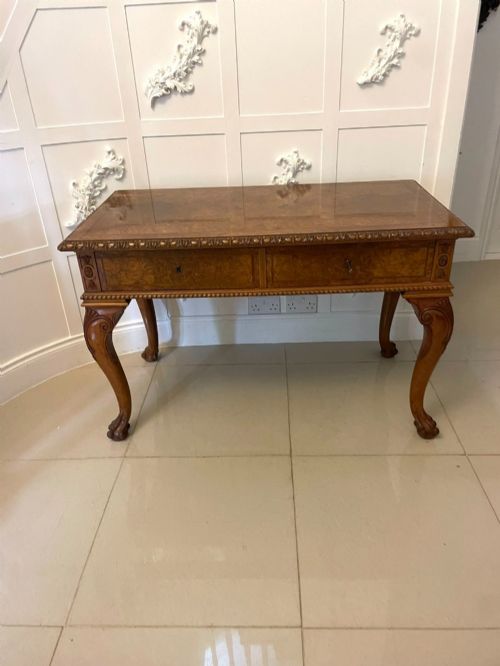
A brown carved table brings warmth to a room through deep wood tones and sculptural detail.
Brown Carved Table
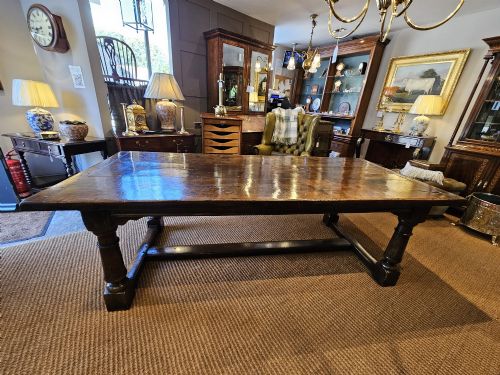
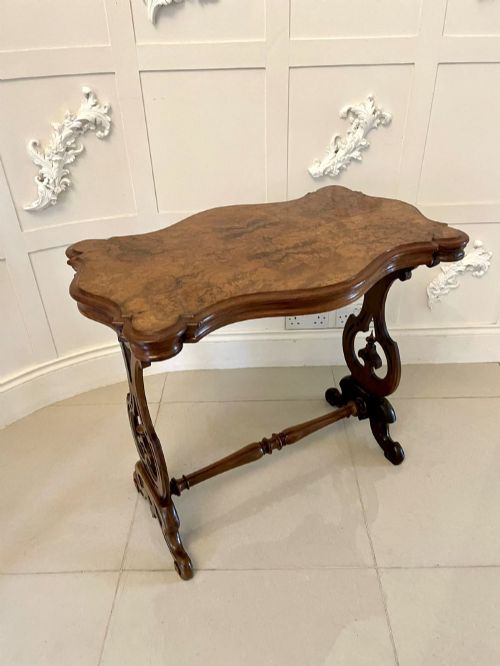
A brown carved table encompasses a diverse group of domestic furniture pieces designed for dining, display, and games, created across several centuries. The selection on this page relies heavily on Victorian and Edwardian examples alongside earlier pieces, spanning forms from occasional tables to large refectory dining tables.
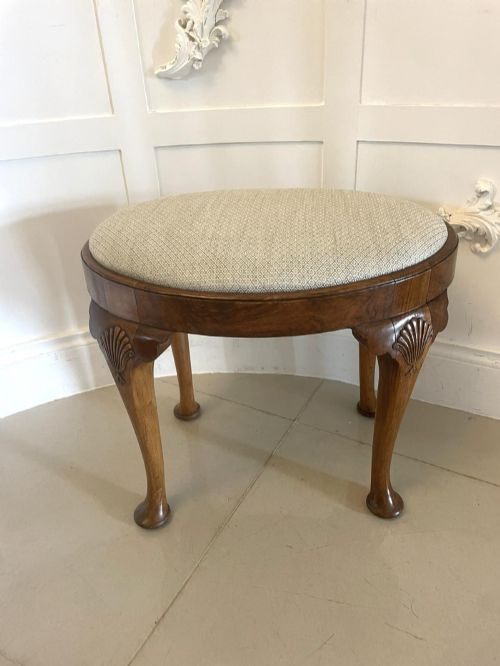
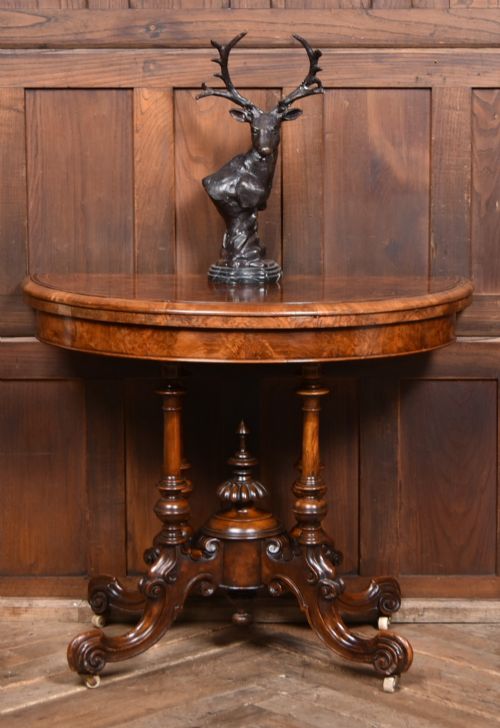
Buyers encounter solid woods and figured veneers shaped into specialised furniture types, including card tables, console tables, centre tables, and desks. Walnut and mahogany dominate the offerings, frequently enhanced by decorative carving upon pedestals, friezes, and legs.
The aesthetic of a brown carved table ranges from austere 17th-century oak to exuberant Victorian burr walnut and revival styles. Many pieces serve functional domestic roles, such as sewing, writing, or serving food, while others act as decorative centrepieces.
How they were made
Cabinet makers utilised dense hardwoods such as oak, mahogany, walnut, and rosewood, often applying burr walnut veneers to tabletops to achieve striking grain patterns. Brass hardware and occasional glass elements complement the timber structures.
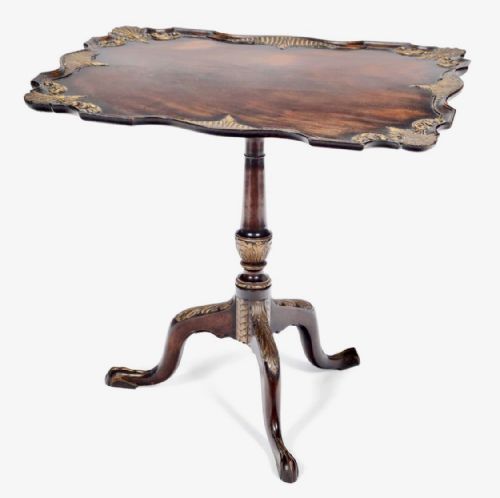
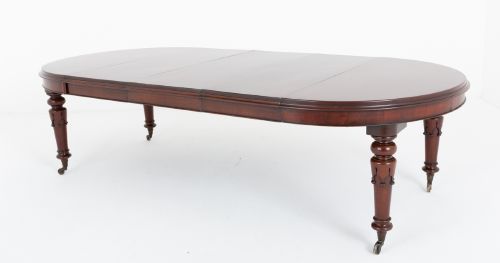
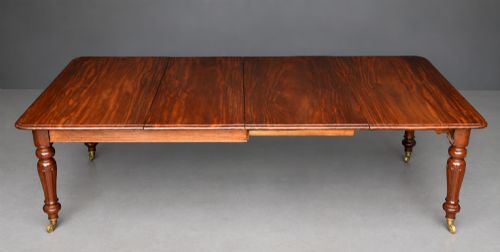
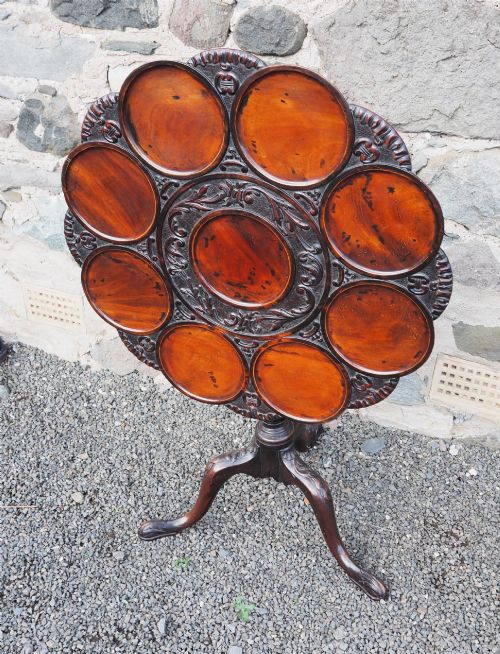
Carpentry techniques involved sturdy joinery like draw leaves, tilt-top mechanisms, and pedestals supported by tripod bases or carved basket designs. Hand-carved ornamentation was applied directly to the solid wood or integrated into applied mouldings.
Object types include dining tables, card tables, console tables, refectory tables, and nesting tables incorporating carving and wood inlay.
What varies in quality
The refinement of the carving distinguishes standard production from exceptional examples, with crisp, deeply undercut details indicating superior craftsmanship. The choice of timber also dictates quality, particularly the selection of well-figured burr walnut or dense, single-plank oak.
Structural integrity and the retention of original mechanisms, such as smooth fold-over actions for games tables or stable tilt-top catches, mark the difference between ordinary and high-grade pieces.
Trevor Page and Co·German H.A.C.
The Brown Carved Table Glossary
- Tilt-top table
- A table equipped with a hinge mechanism that allows the top to rotate and rest vertically when not in use. This design saved space in smaller domestic rooms.
- Refectory table
- A long, narrow dining table traditionally used in communal dining halls and constructed from heavy oak. Examples often rest upon substantial stretcher bases.
- Console table
- A table designed to stand against a wall, frequently secured with brackets or resting on carved front legs. They often match serving or side tables in formal interiors.
- Frieze
- The horizontal band situated directly beneath the tabletop, frequently decorated with carved neoclassical motifs or mouldings.
Brown Carved Table: Frequently Asked Questions
What is a centre table?
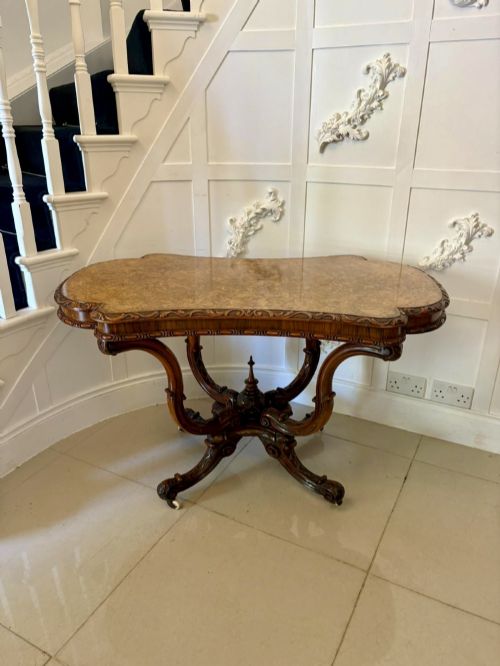
A centre table is finished on all sides so it can stand independently in the middle of a room rather than against a wall. Victorian and Edwardian iterations often served as display surfaces for lamps, books, or decorative objects.
These pieces frequently incorporate pedestal bases or carved tripod supports. Their freestanding nature requires adequate floor space to allow movement around them.
How do I date an oak table?
Dating oak tables involves examining the joinery techniques, timber selection, and hardware used in construction. Early pieces from the seventeenth century often show hand-cut peg joinery and single-plank construction.
Later revival pieces from the Victorian and Edwardian eras emulate these older styles but utilise machine-sawn elements and different finishing methods. Comparing the proportions and carving style to documented periods helps confirm the age.
Where does a tilt-top table fit?
A tilt-top table fits well beside seating areas or in corners where floor space is limited. The mechanism allows the top to fold flat against the support when not in use.
Historically used as wine or lamp tables, these pieces provide a convenient surface without dominating a room. Their compact footprints make them adaptable to modern interiors.