




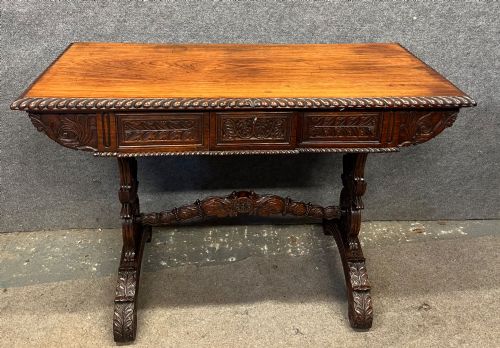
Indian Carved Table
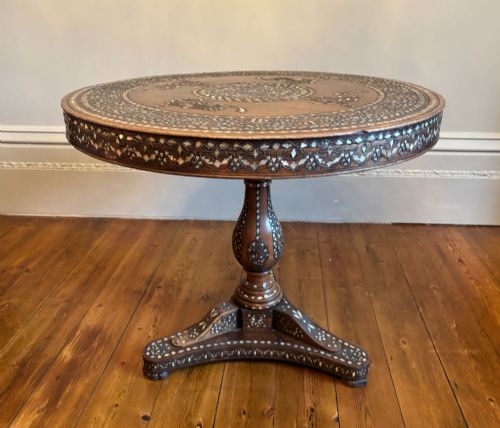
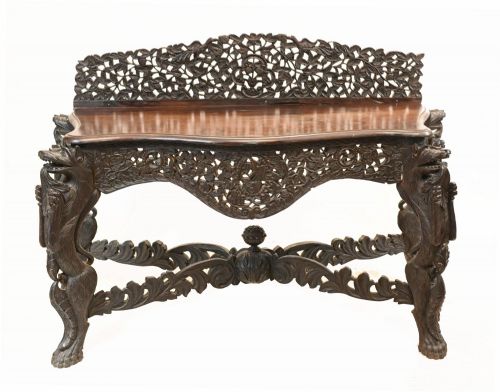
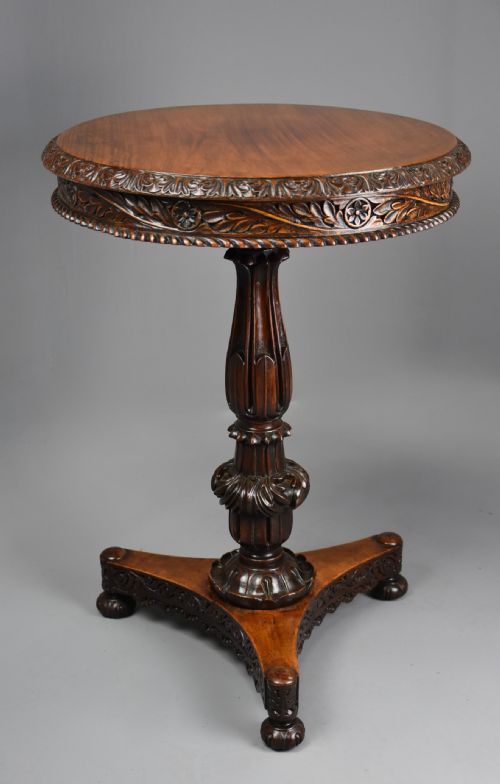
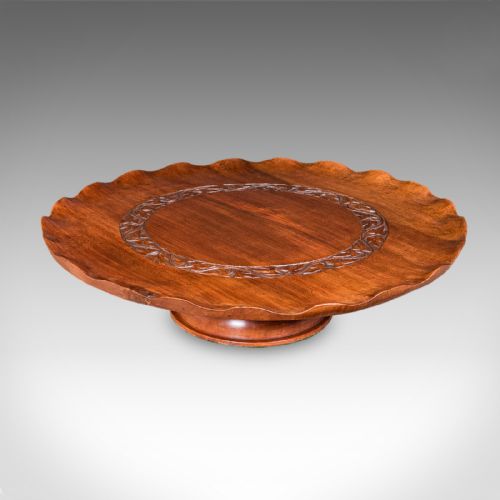
When you want an indian carved table, you are looking at dense hardwoods and intricate foliage created for colonial interiors.
Indian Carved Table
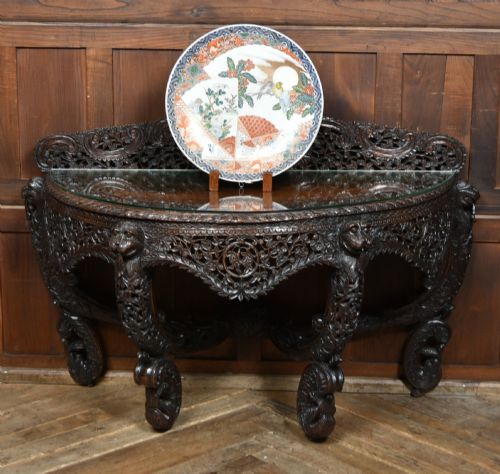
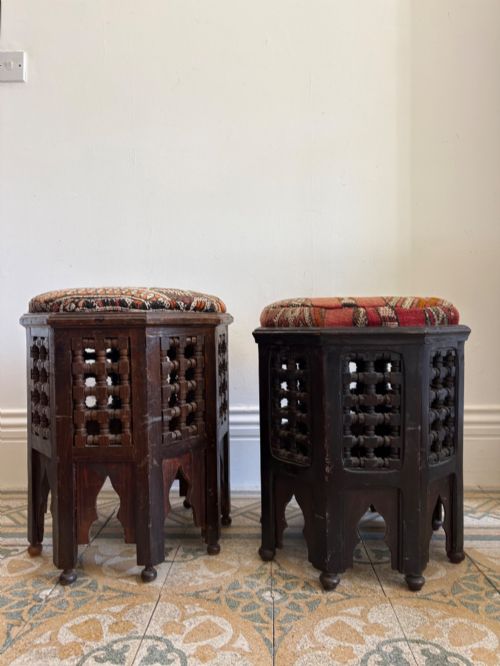
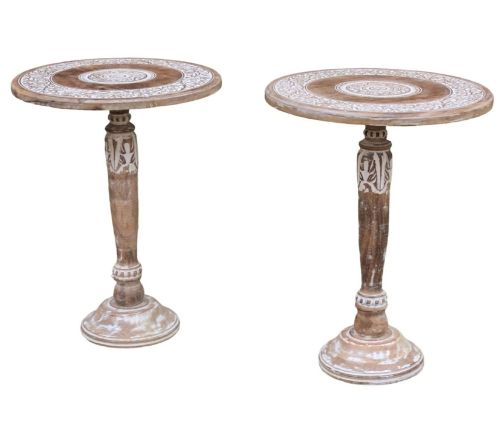
An indian carved table brings dense foliage, geometric lattices and animal motifs into domestic spaces. The selection ranges from folding occasional tables to large centre pieces.
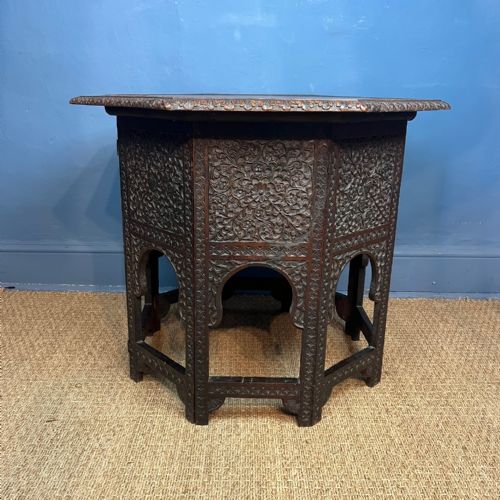
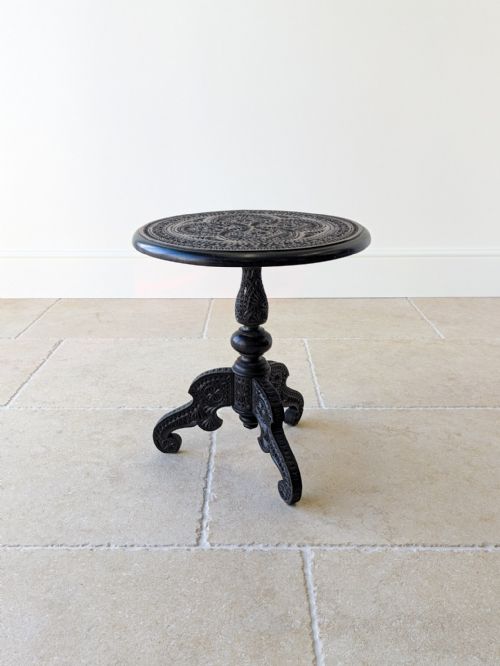
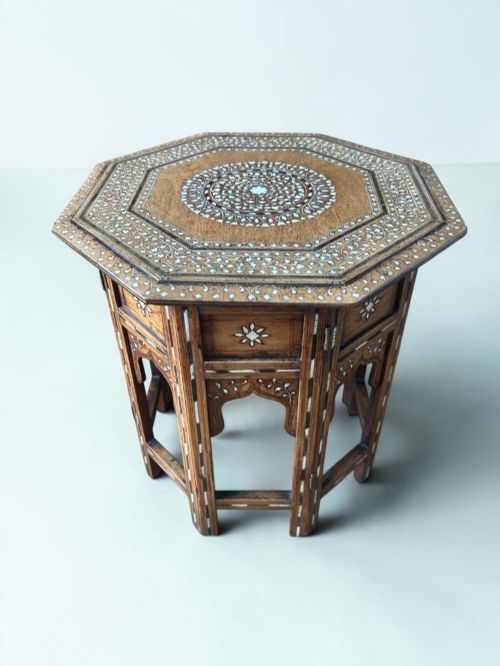
Octagonal and tripod forms dominate the selection, often produced in regional workshops for export to British homes during the nineteenth and early twentieth centuries.
How they were made
Carpenters utilised dense tropical timbers including teak, padauk, rosewood and ebony, which accepted deep, crisp chip carving without splintering.
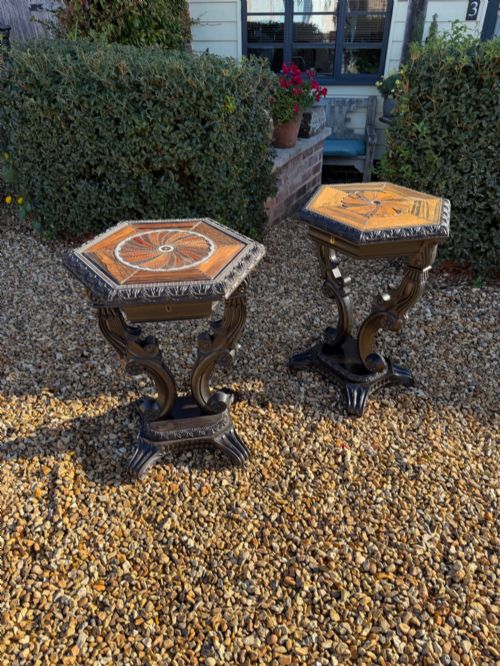
Artisans combined surface relief work with contrasting inlays of brass, copper, bone and mother-of-pearl, frequently structuring bases to fold flat.
Indian Carved Table Retail Price Guide 2026
Typical asking prices for indian carved table among the pieces listed under this phrase on Sellingantiques today, from the lower quarter to the upper quarter. They describe what is for sale here now, not the wider market.
Several elephants keep watch beneath table tops, equipped with their own wooden tusks.
What varies in quality
The depth and crispness of the chisel work dictate the standard of the carving, distinguishing sharp botanical motifs from soft or shallow execution.
Richer examples display precise joinery, complex geometric brass wire inlays and dense secondary woods rather than plain construction.
Liberty And Co
The Indian Carved Table Glossary
- Hoshiarpur
- A district in Punjab renowned for intricate wood carving and geometric inlay using brass and bone.
- Teak
- A durable, oily tropical hardwood selected for heavy structural elements and fine carving.
- Padauk
- A heavy reddish-brown hardwood that darkens with age and accepts sharp detail.
- Tripod
- A three-legged base configuration commonly supporting tilt-top occasional tables.
- Octagonal
- Having eight sides, forming the geometry for folding tables originating from regional workshops.
Indian Carved Table: Frequently Asked Questions
How were folding tables used?
These folding tables served as versatile occasional furniture in nineteenth-century drawing rooms, easily moved or stored when not in use.
Their collapsing bases reflect the portable campaign influence common in colonial administrative life.
How do I identify Hoshiarpur work?
Hoshiarpur pieces are identified by dense all-over chip carving combined with micro-inlays of brass wire and bone.
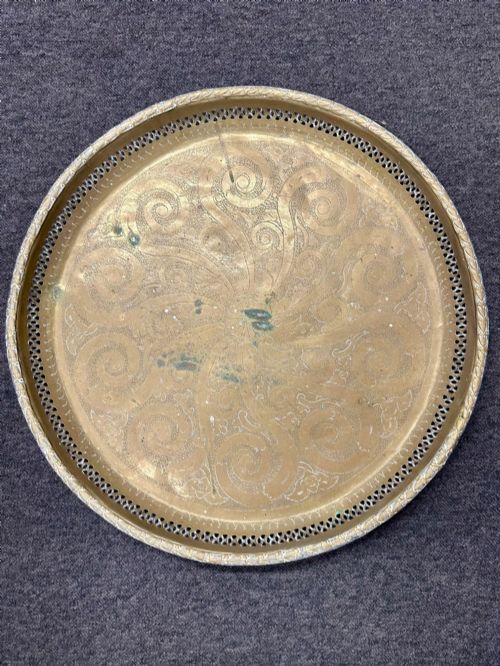
The geometric patterns cover the entire surface, including folding bases and tray tops.
Are these tables solid timber?
The structural elements and carved tops consist of solid tropical hardwoods like teak, padauk or rosewood.
Makers relied on the natural density of these woods to hold sharp relief without needing veneers.