
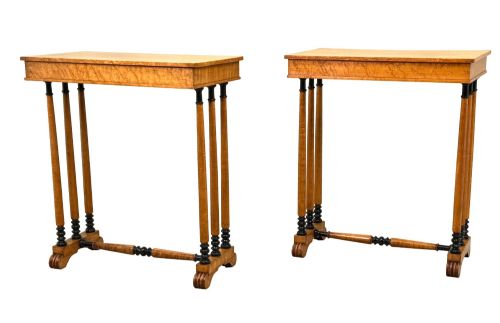
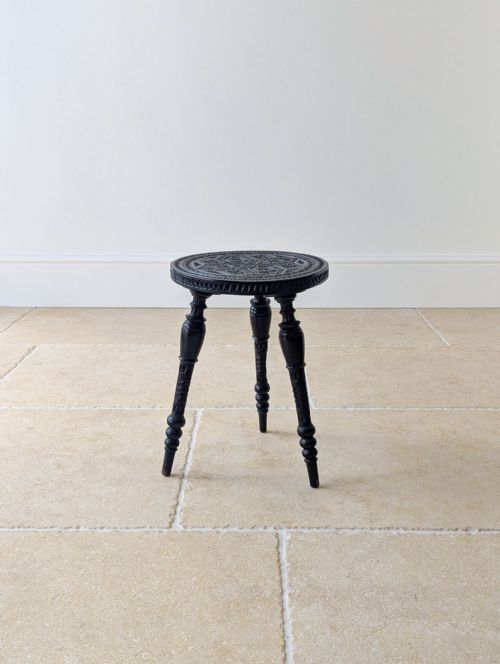
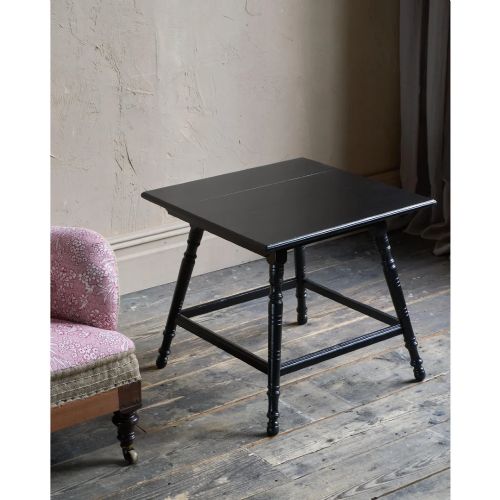
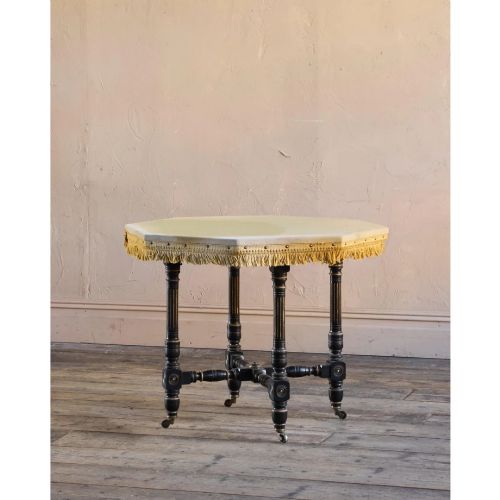

Ebonised Accent Table
An ebonised accent table brings a dark, striking surface to a room, offering both utility and a distinct historic finish.
What these pieces are
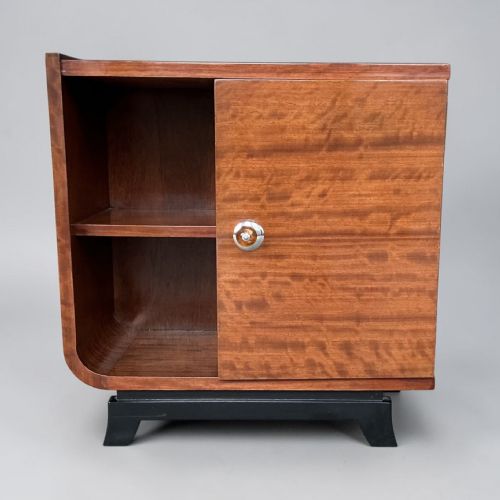
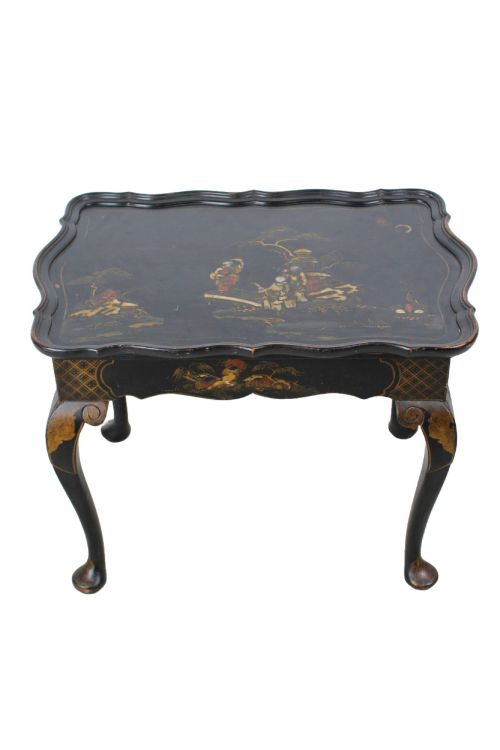
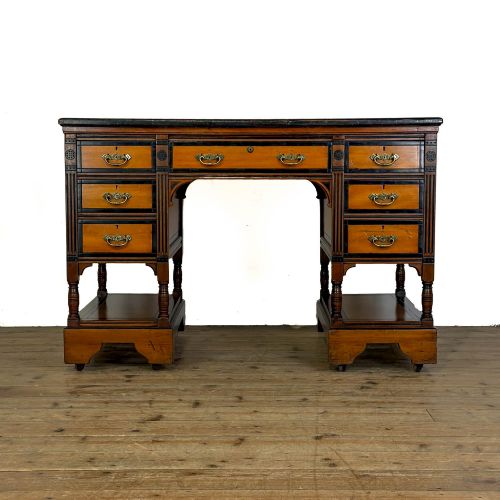
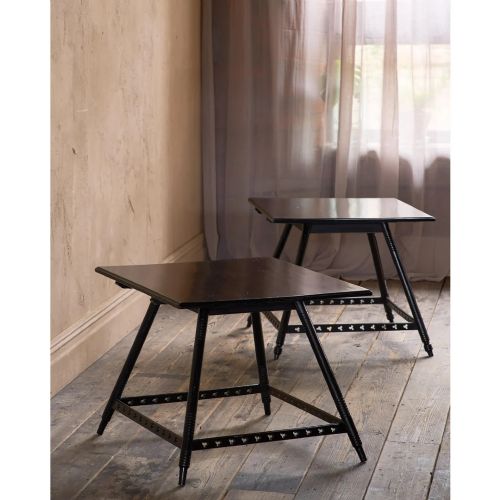
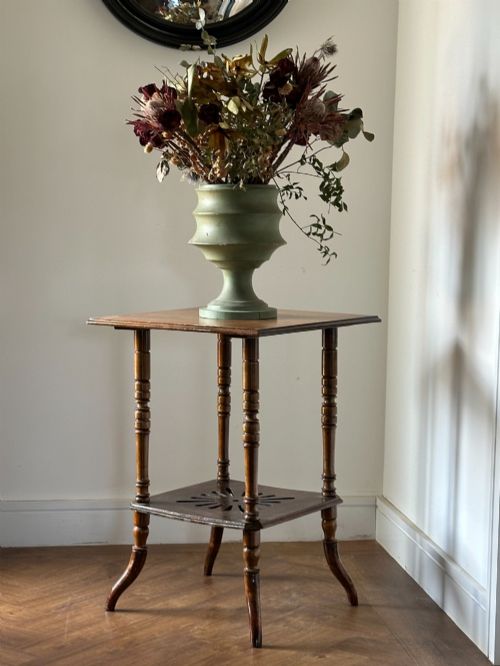
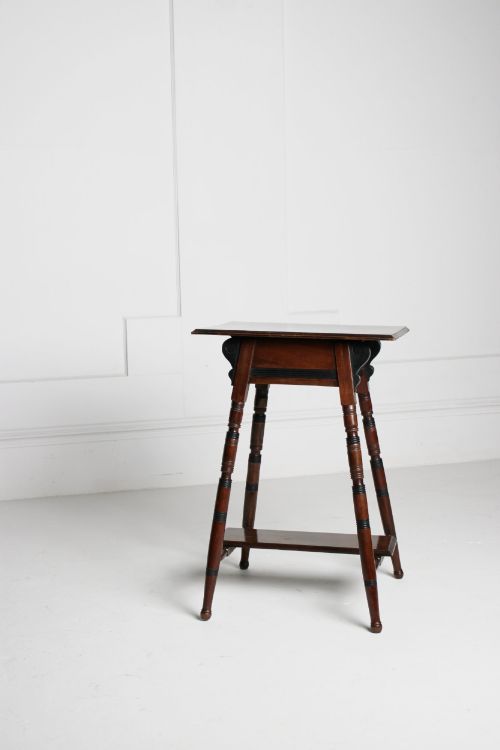
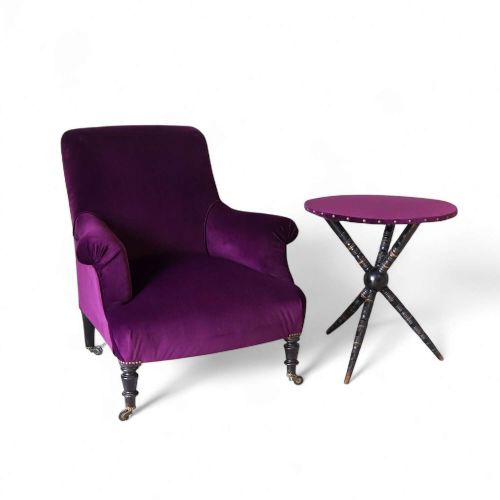
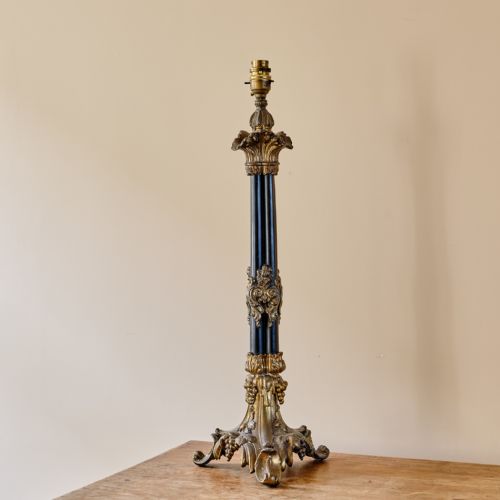
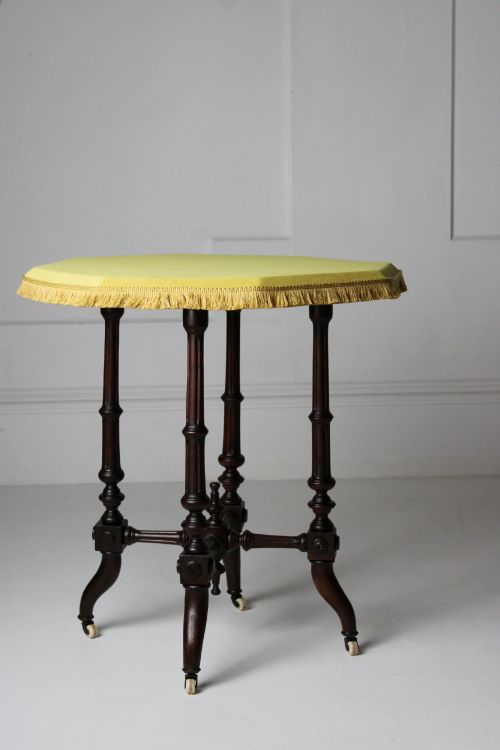
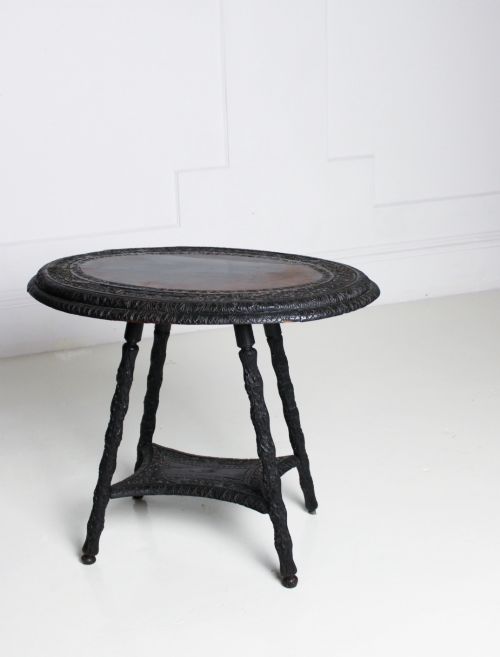
When you search for an ebonised accent table, you find side and occasional tables finished with a dark, blackened surface that mimics ebony. The examples here span the nineteenth century up to nineteen-thirty, capturing Victorian, Aesthetic Movement, Far Eastern, and Art Deco designs.
You are most likely to meet Victorian and Aesthetic Movement side tables alongside later Art Deco occasional pieces. Forms vary from simple occasional stands to octagonal side tables and carved dragon tables originating from the Far East.
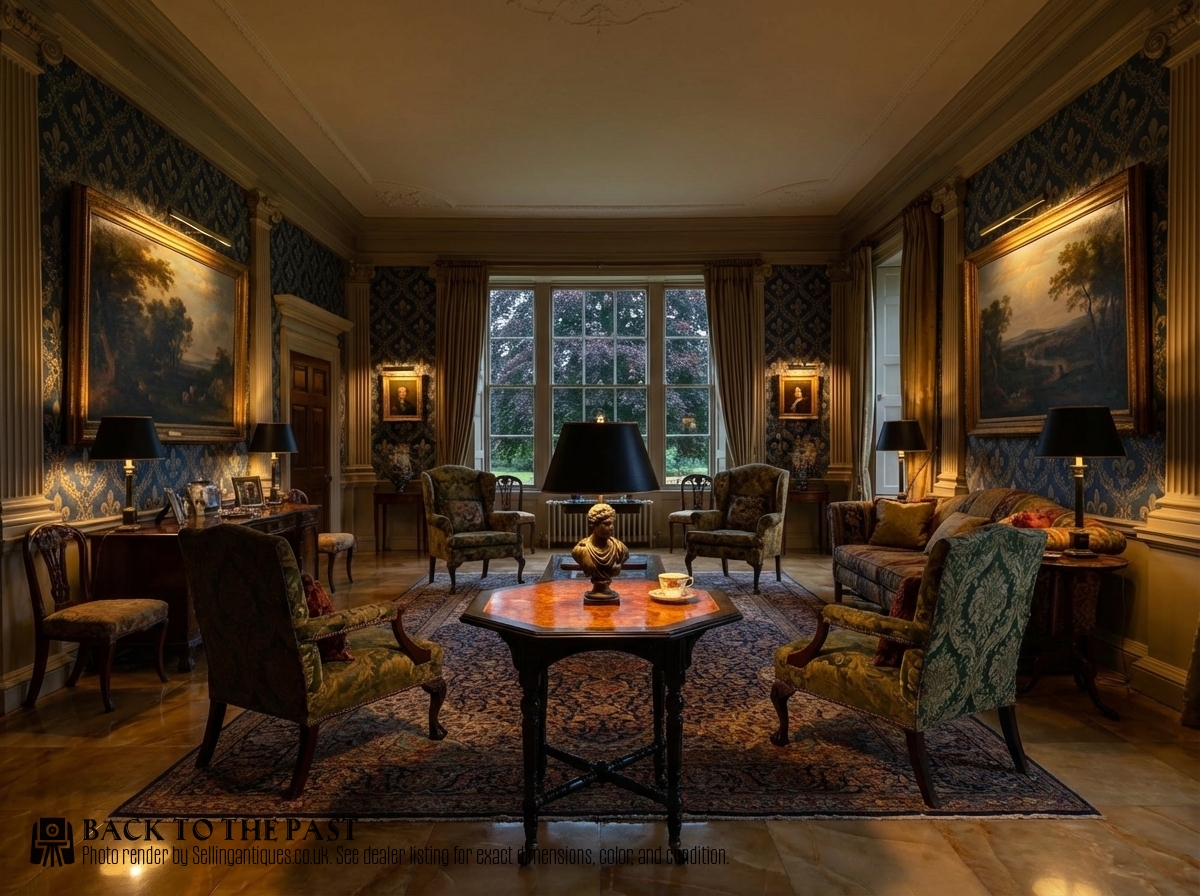
How they were made
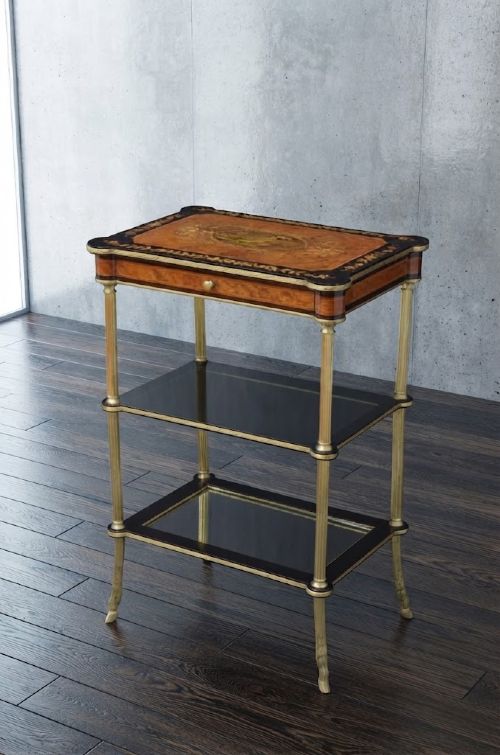
Cabinetmakers used various timbers as a base, applying ebonised finishes to woods like oak or rosewood, while some pieces utilise solid ebony. Metal details such as brass also appear alongside the dark wood.
Makers shaped these side and occasional tables into distinct geometric and carved forms, reflecting the stylistic shifts from nineteenth-century revivalism to nineteen-thirty Art Deco.
Retail Price Guide 2026
Typical UK retail prices for ebonised accent table, calculated from the Sellingantiques database of over a million retail prices indexed since 2003. This retail price guide relies exclusively on Sellingantiques data; no external sources or auction records are used, so the figures do not describe the wider market.
Listings feature periods from the nineteenth century to nineteen-thirty, encompassing Victorian, Aesthetic Movement, Far Eastern, and Art Deco styles.
What varies in quality
The distinction between standard and superior pieces rests on the choice of materials and the integrity of the construction. Solid timber builds like solid ebony or oak hold a different presence compared to ebonised secondary woods.
Execution of detail separates the ordinary from the exceptional, whether through intricate Far Eastern carving, brass mounts, or the clean geometric lines characteristic of Art Deco design.
Bertram and Son
The Ebonised Accent Table Glossary
- Ebonised wood
- Timber treated with a dark stain or finish to imitate expensive ebony. This technique was widely utilised during the nineteenth century to create dramatic contrast.
- Occasional table
- A small, movable table designed for specific, temporary uses rather than permanent placement. These pieces appear frequently in nineteenth-century and Art Deco interiors.
- Aesthetic Movement
- A late nineteenth-century design style emphasising visual beauty over narrative or moral content. Ebonised finishes were central to this movement's interpretation of Japanese-inspired design.
- Art Deco
- A modernist style from the early twentieth century defined by sleek lines and geometric forms. Pieces from around nineteen-thirty often pair ebonised elements with oak.
Frequently Asked Questions
What is an ebonised accent table?
An ebonised accent table is a small surface finished in a dark, blackened tone to resemble ebony.
These pieces function as side or occasional tables across various historic styles.
How old are these tables?
The pieces span from the nineteenth century through to nineteen-thirty.
They cover periods including Victorian, Aesthetic Movement, and Art Deco.
What materials are used?
Makers utilised woods such as oak, rosewood, and solid ebony, alongside ebonised finishes.
Brass details also appear on selected occasional tables.
How do I style one?
These tables provide a dark, contrasting surface that anchors a room's decor.
Their compact forms suit placement beside seating or in hallways.