

Low Wooden Coffee Table
A low wooden coffee table grounds a room, bringing character and practical surface space through varied timbers and regional craft traditions.
Low Wooden Coffee Table
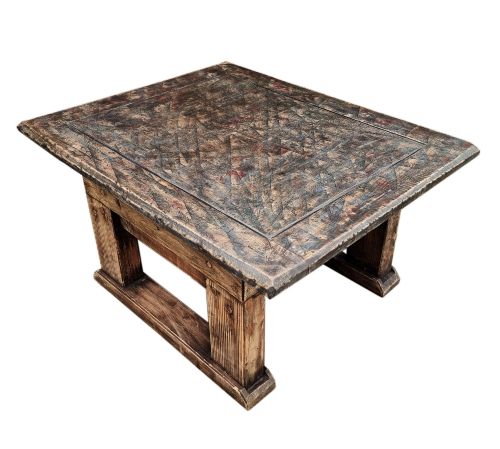
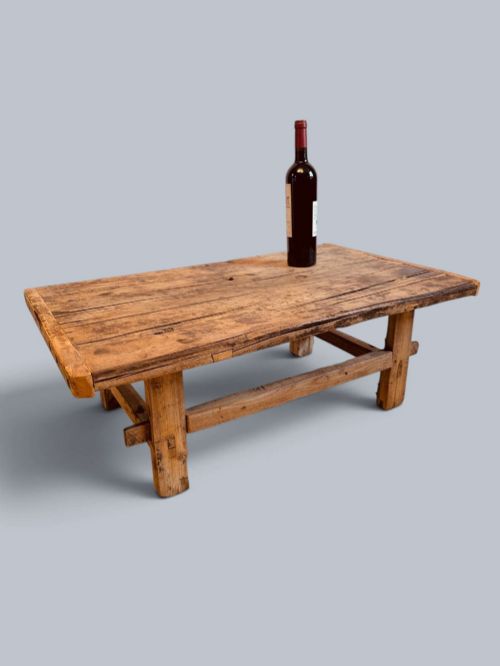
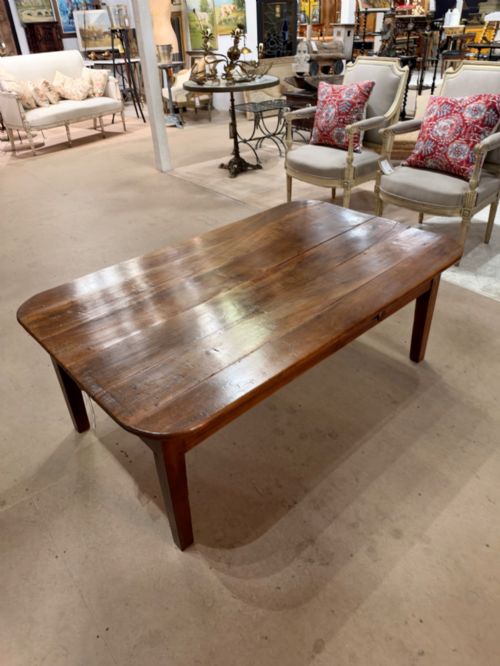
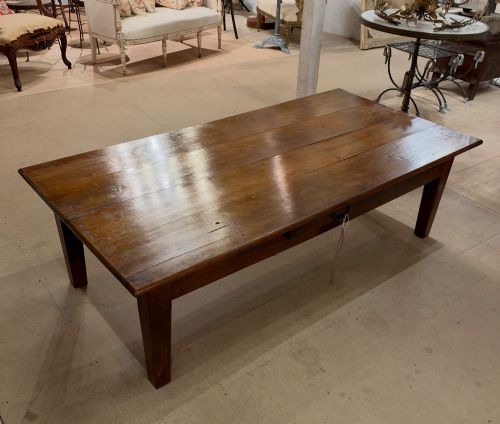
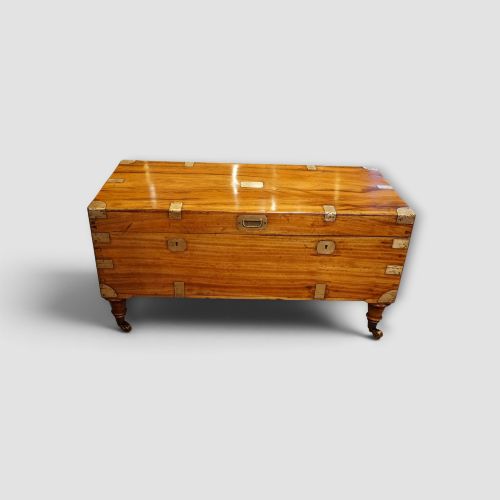
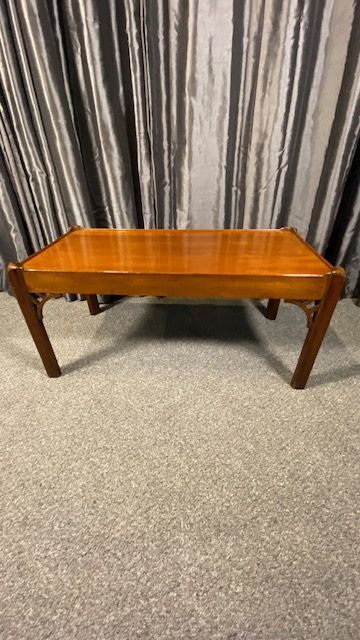
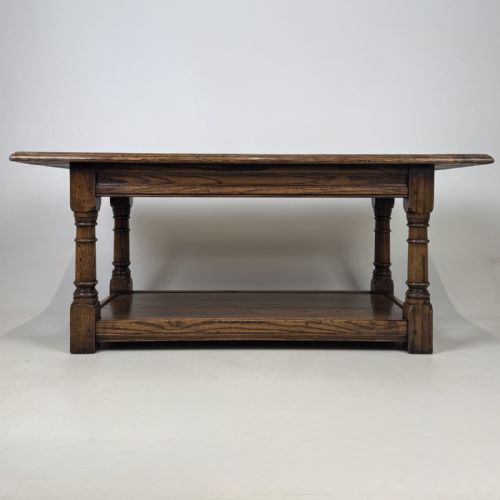
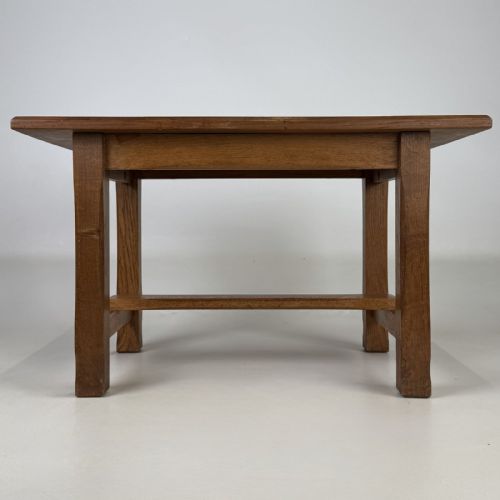
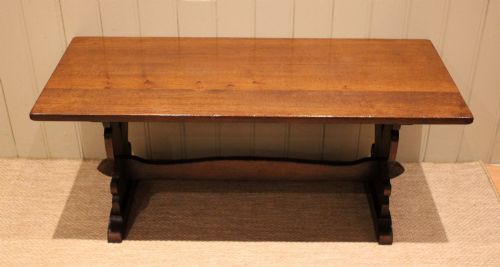
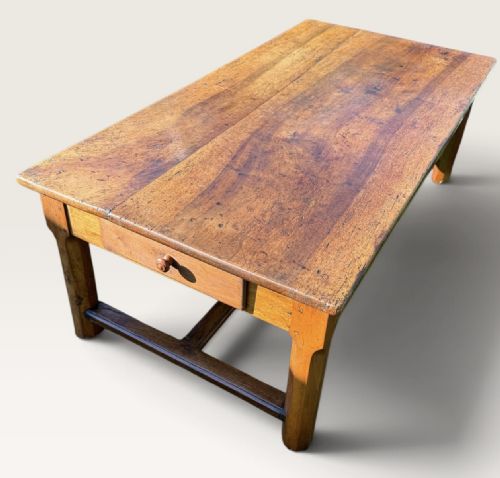
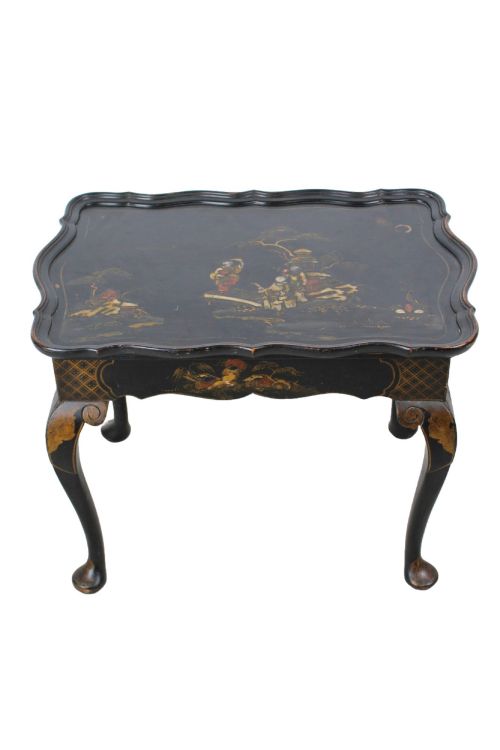
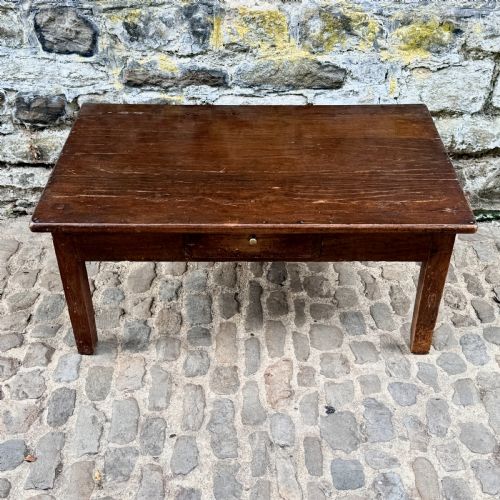
When you search for a low wooden coffee table, you encounter diverse forms shaped from timber across multiple centuries. These pieces encompass utilitarian workbenches adapted for domestic use alongside formal tables built from walnut, oak, and pine.
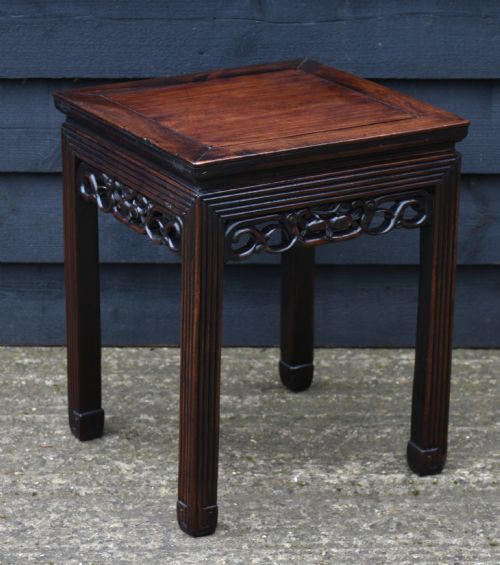
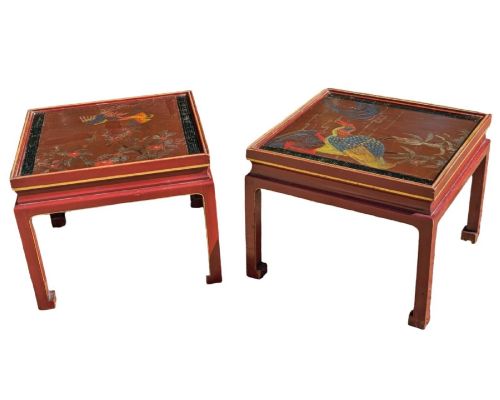
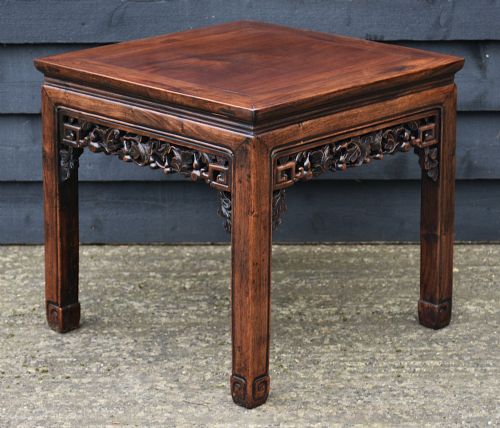
The selections span British rustic styles, French provincial designs, and international forms including Chinese opium tables and Anglo-Indian brass or carved pieces. Oak and pine examples frequently display vernacular simplicity, while walnut and mahogany variants introduce refined grain and polished finishes.
You will also find repurposed objects such as pig benches and jewellers benches functioning as low coffee tables. These diverse origins mean each piece brings distinct proportions and historic materials into a modern interior.
What varies in quality
The standard of a low wooden coffee table rests on the selection of timber and the integrity of its construction. Superior examples exhibit tightly grained woods, stable joints, and well-preserved original surfaces without intrusive modern alterations.
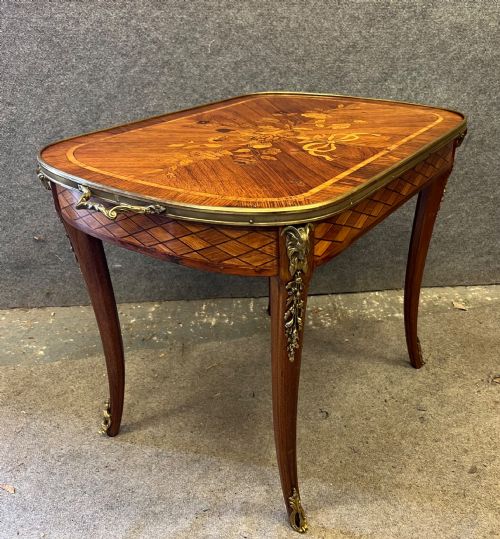
Proportion and balance define the better pieces, whether they originate from a formal cabinet maker or a country workshop. Finer execution shows in crisp carving, harmonious inlay work, and honest patination built through decades of use.
Low Wooden Coffee Table Retail Price Guide 2026
Typical asking prices for low wooden coffee table among the pieces listed under this phrase on Sellingantiques today, from the lower quarter to the upper quarter. They describe what is for sale here now, not the wider market.
Several tables began life as agricultural pig benches before finding a peaceful retirement holding coffee cups.
Betty Joel
The Low Wooden Coffee Table Glossary
- Marquetry
- Decorative patterns formed by small pieces of wood veneer fitted into a backing. This technique creates complex pictorial or geometric designs on tabletops.
- Pig bench
- A low wooden bench traditionally used in agricultural settings for butchery. These sturdy vernacular forms are frequently repurposed as low coffee tables.
- Oyster veneer
- Thin slices of wood cut crosswise from small branches to show circular growth rings. This creates a distinctive oyster-shell pattern across the surface.
- Turned leg
- A wooden support shaped on a lathe to produce cylindrical, bulbous, or spiralling profiles. This method gives stability and decorative detail to tables.
- Tray top
- A tabletop featuring a raised edge or gallery designed to keep items from sliding off. This detail appears frequently on occasional and parlour tables.
Low Wooden Coffee Table: Frequently Asked Questions
How do I style a low wooden coffee table?
Pair the natural timber tones with simple ceramics or books to let the grain and historic surface character remain the focus of the seating area.
Keep arrangements uncluttered so the proportions and build of the specific table stay visible within the room.
Are these tables suitable for daily use?
Most historic low tables were built for functional domestic or workshop purposes, making them robust enough for modern living.
Use coasters and protective mats to safeguard aged polished or waxed surfaces from moisture and heat marks.
How do I date an antique wooden table?
Examine the timber species, construction joints, and tool marks visible underneath or inside the frame. Styles such as Art Deco, Edwardian joinery, or 18th-century vernacular framing offer clear clues to the era of manufacture.
Compare the wear patterns and finish to verify whether the surface retains its original character or has undergone later restoration.
What is the difference between a side table and a coffee table?
Coffee tables are built with lower heights suited for placement directly in front of sofas or armchairs, whereas side tables stand taller for use beside seating.
Many antique tables listed as coffee tables were originally benches, low opium tables, or occasional tables adapted over time for modern living spaces.