




Antique Asian Low Table
These antique asian low table pieces bring low-slung surface utility and traditional craftsmanship from various Eastern origins into modern sitting rooms.
Antique Asian Low Table
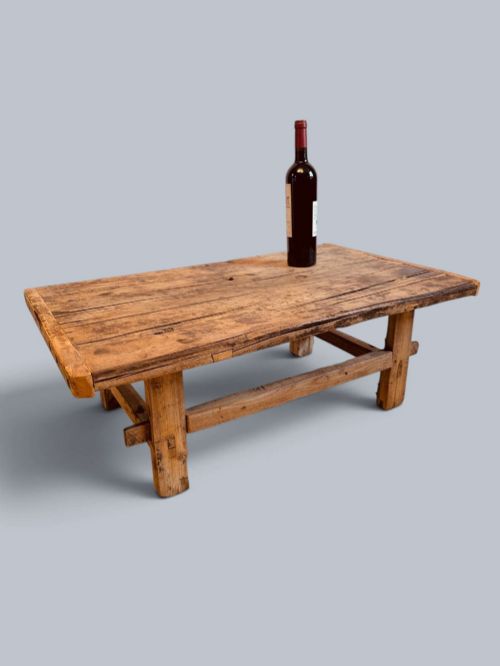
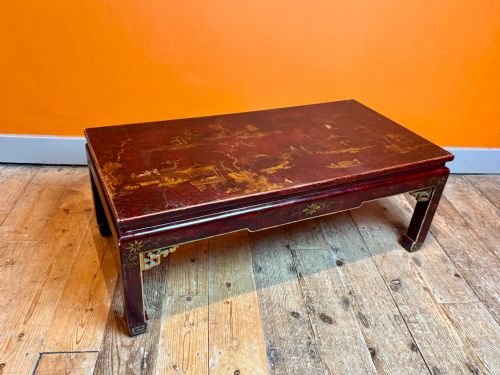
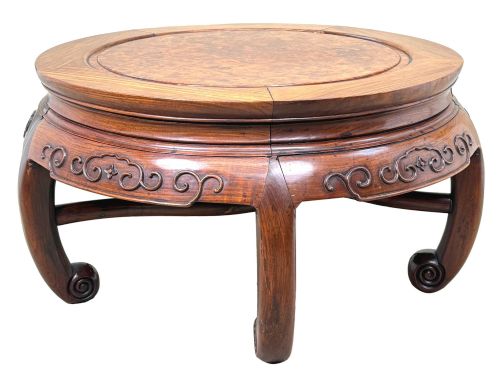
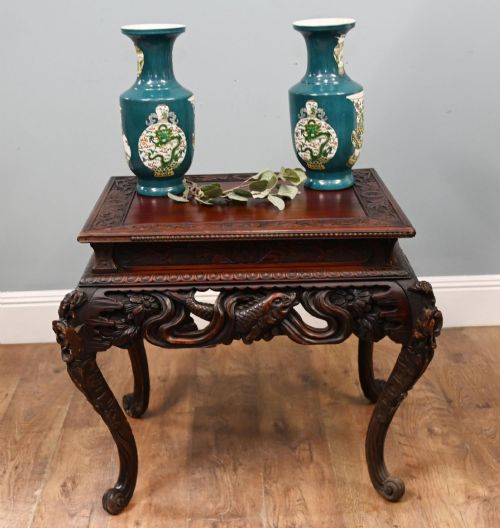
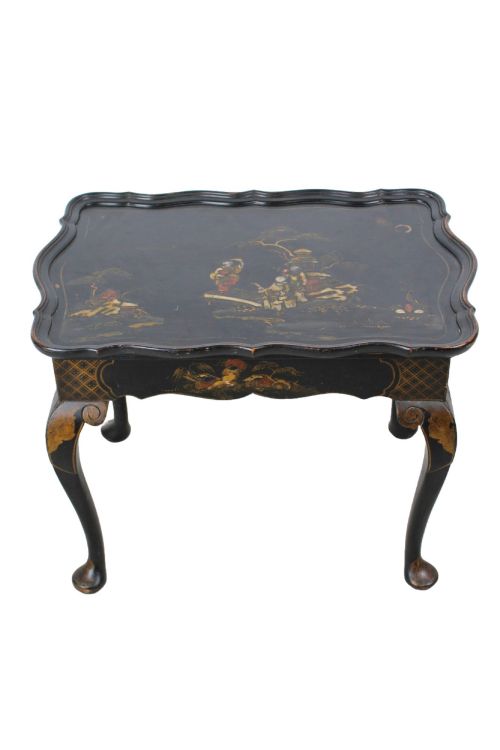
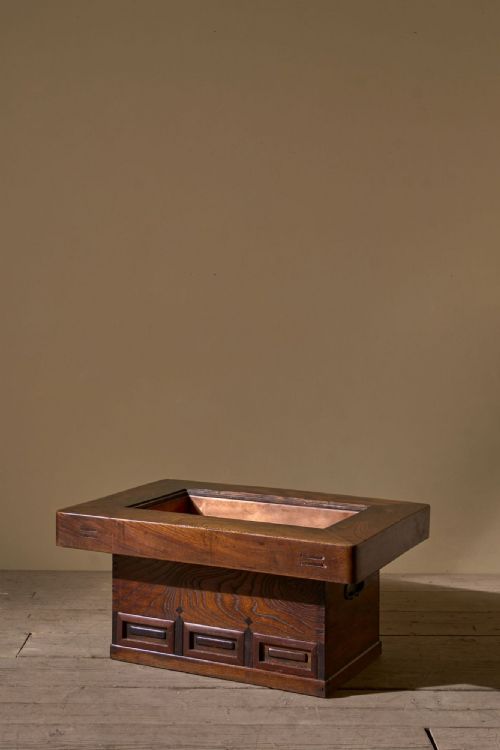
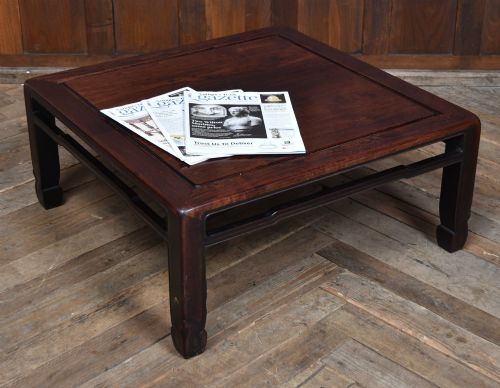
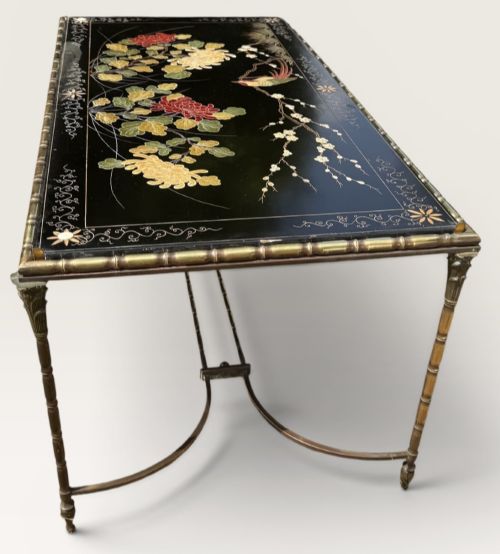
When you search for an antique asian low table, you encounter a variety of forms including coffee tables, opium tables, and low benches originating from China and Japan. The pieces on this page span the nineteenth century through the early twentieth century, incorporating Qing Dynasty designs, Japanese hibachi tables, and Edwardian chinoiserie interpretations.
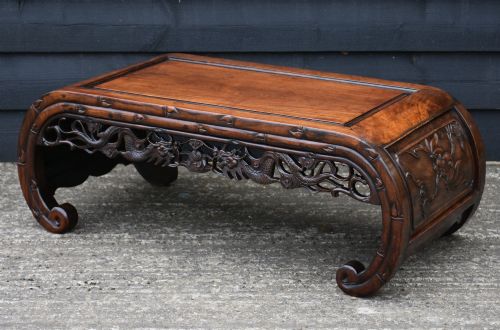
The domestic functions of these low tables vary by regional tradition, from Chinese kang tables built for sitting on platforms to Japanese chabudai tables used for tea and kneeling. Side tables, plant stands, and occasional tables also appear within the selection, demonstrating the adaptability of low-level furniture across different Asian aesthetics.
Materials and Construction
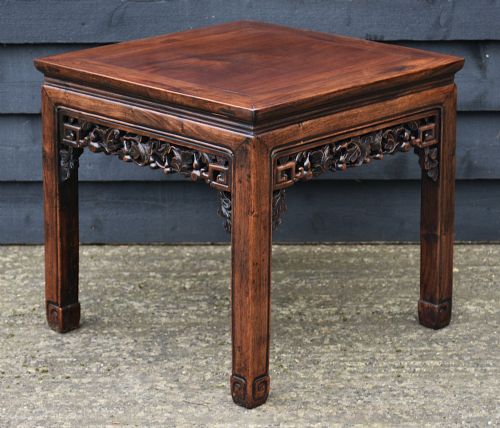
Makers utilised dense timbers such as rosewood, padouk, hongmu, and elm to construct these low surfaces, often employing traditional joinery without relying on modern fasteners. Hardwoods provide the structural integrity required for low-profile furniture subjected to daily domestic use.
Surface finishes range from natural wood grains to red lacquer and painted treatments, occasionally supplemented by inset porcelain panels, glass tops, iron fittings, or intricate carved details like dragon motifs and fretwork.
Antique Asian Low Table Retail Price Guide 2026
Typical asking prices for asian low table among the pieces listed under this phrase on Sellingantiques today, from the lower quarter to the upper quarter. They describe what is for sale here now, not the wider market.
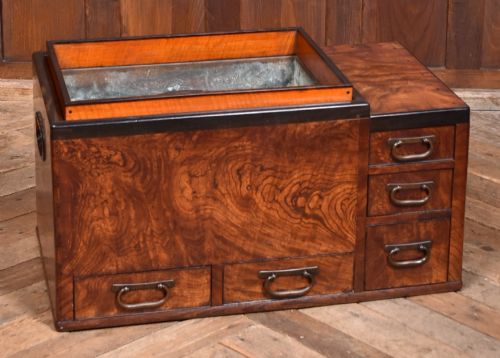
Some nineteenth-century tables served double duty as indoor fireside heating units before finding new life as coffee tables.
Craftsmanship and Detail
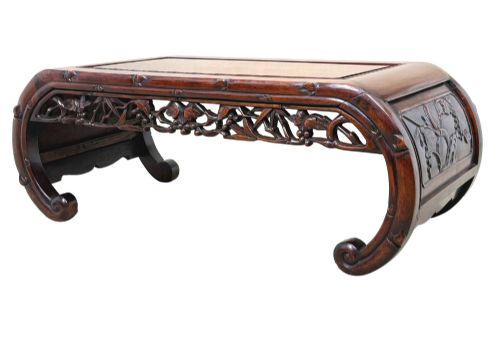
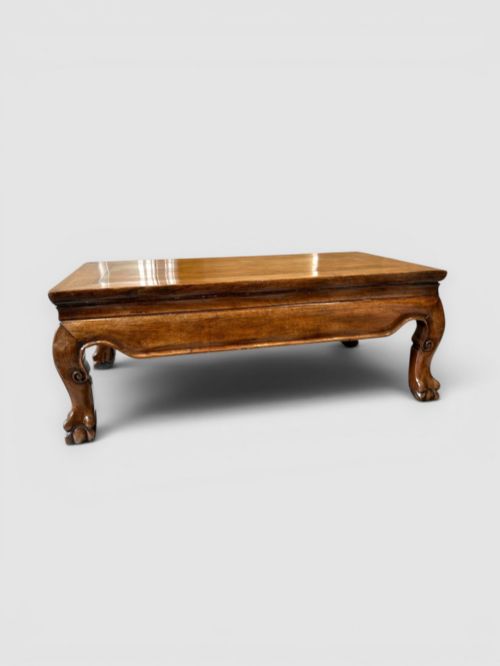
The distinction between standard examples and finer pieces lies in the crispness of the carving, such as scroll ends or relief work on kang tables, and the selection of timber figures. Superior items display careful attention to joinery and harmonious proportions rather than routine assembly.
Condition and originality dictate the standing of a piece within its category, with intact lacquer surfaces, original hardware, and undisturbed patination holding greater interest for collectors than heavily restored or altered examples.
The Antique Asian Low Table Glossary
- Kang table
- A low platform table traditionally placed upon a heated brick bed in northern China for resting or drinking tea. These pieces often feature scroll ends and carved aprons.
- Hibachi
- A traditional Japanese heating device or brazier, sometimes adapted into a low table form with a central compartment. They demonstrate utilitarian metal and wood integration.
- Chabudai
- A short-legged Japanese table utilised for meals and tea ceremonies while sitting on tatami mats. Users fold or store them easily when not in use.
- Huali
- A prized Chinese hardwood associated with classic furniture production. It displays distinctive grain patterns and substantial weight.
- Chinoiserie
- European interpretation and imitation of Chinese artistic traditions, popular in Edwardian decorative arts. It appears on painted and lacquered coffee tables from that period.
Antique Asian Low Table: Frequently Asked Questions
How were antique asian low tables used?
These tables served various domestic purposes near floor level, including serving tea, holding charcoal braziers, or providing a stable surface for writing and resting upon platforms or mats.
In contemporary settings, their proportions suit modern living rooms well as low coffee tables placed before sofas.
What woods are common in these tables?
Asian hardwoods dominate the selection, with rosewood, padouk, hongmu, and elm appearing frequently across nineteenth and early twentieth-century examples.
Lighter secondary woods or teak also surface depending on the specific regional workshop and period of manufacture.
How do I date an antique low table?
Dating relies on stylistic clues such as Qing Dynasty carving conventions, Edwardian decorative motifs, or the presence of Meiji-era Japanese construction traits.
Wood patina, joinery techniques, and wear patterns further help narrow the era of production between the nineteenth and mid-twentieth centuries.
Can I use a kang table as a coffee table?
Their low height and sturdy construction make them direct functional equivalents to standard coffee tables in modern interiors.
Many examples even feature glass tops added later to protect antique wooden surfaces from everyday spills.