





Carved Hardwood Low Table
A carved hardwood low table offers a remarkably low silhouette, bringing grounded poise and rich timber grain to sitting rooms.
Carved Hardwood Low Table
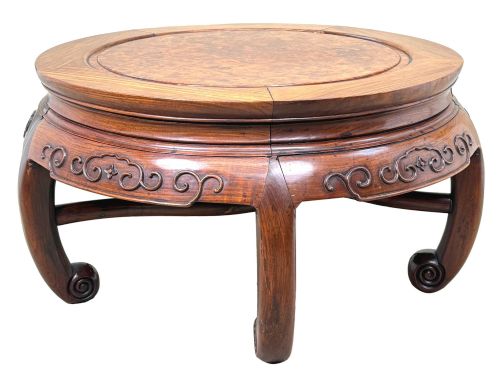
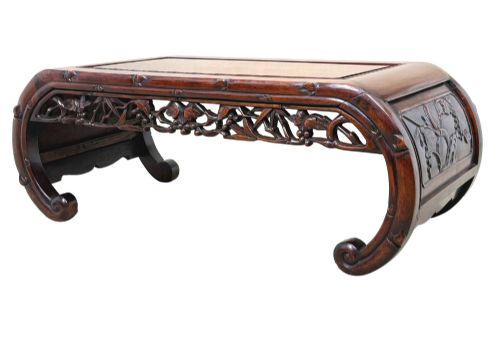
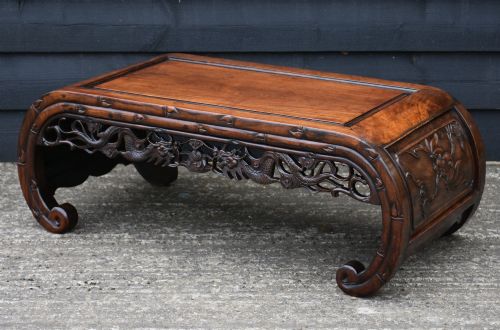
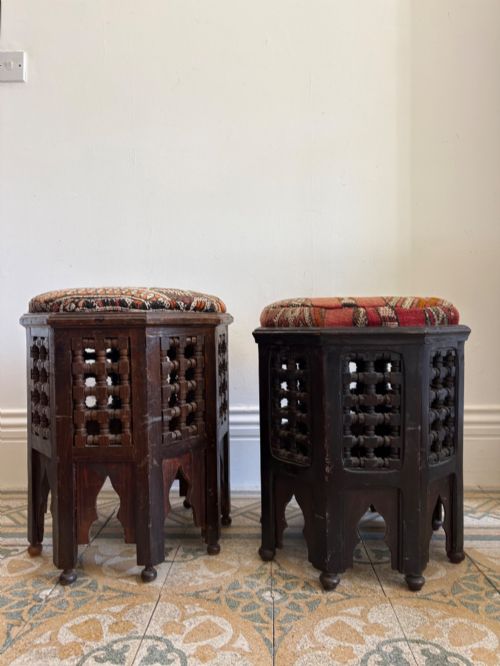
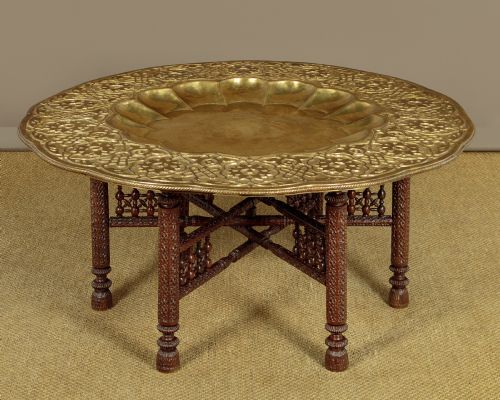
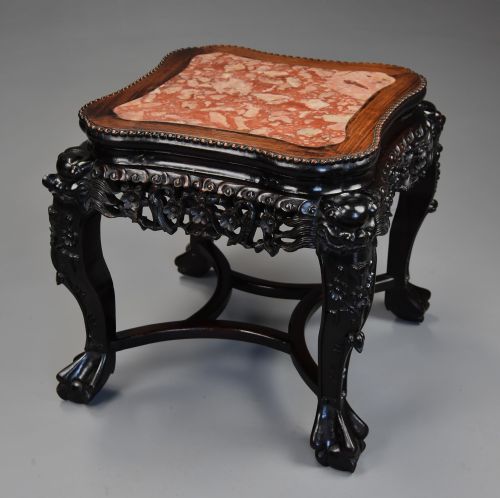
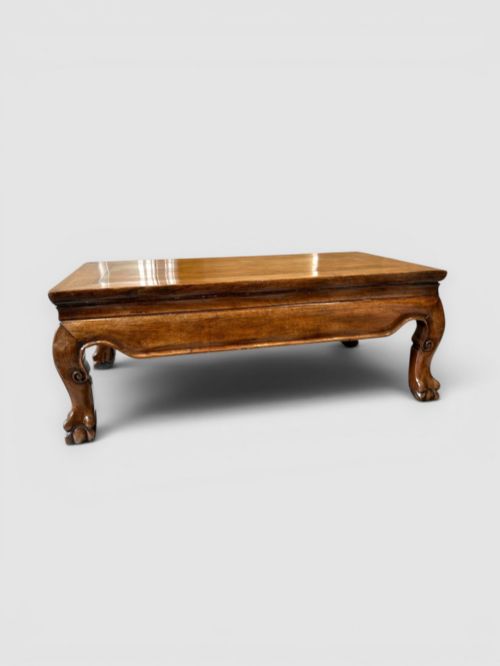
A carved hardwood low table sits low to the floor, drawing from traditions across China, Japan, and India. The pieces gathered under this phrase include traditional Chinese kang tables, opium tables, circular reception pieces, and Indian elephant tables.
Most examples hail from the nineteenth century and the early twentieth century, spanning Qing Dynasty designs to Taisho period Japanese side tables and Anglo-Indian forms. They function equally well as coffee tables, display stands, or jardiniere supports.
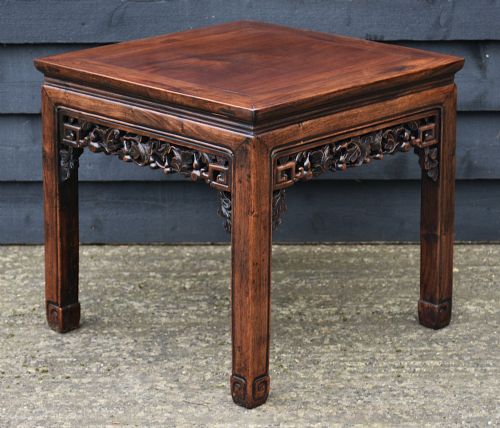
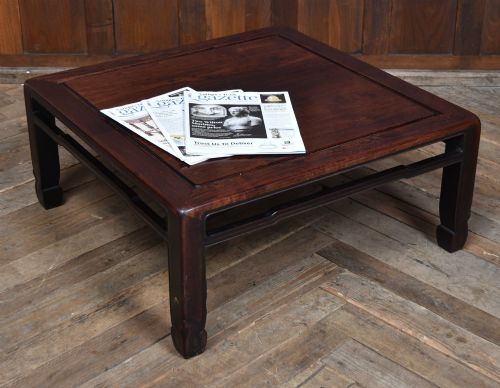
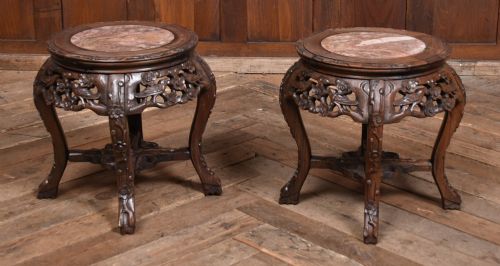
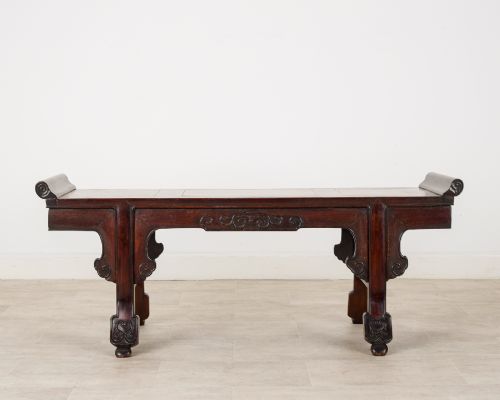
Buyers will encounter rectangular scroll-end forms alongside square and circular tables, frequently featuring recessed legs or robust frames. These low proportions suit contemporary living spaces while retaining their historical character.
How they were made
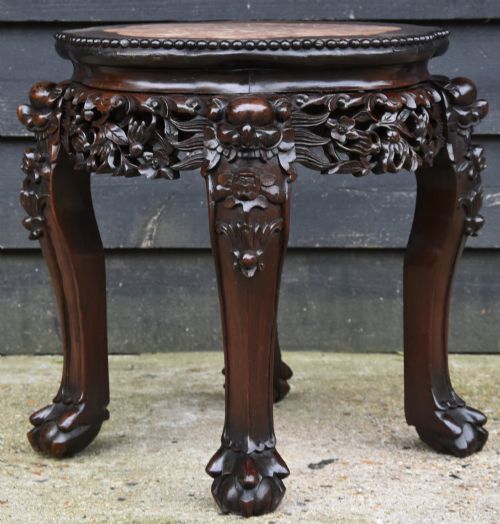
Cabinetmakers utilised dense timbers including elm, teak, rosewood, and hongmu, often carving intricate motifs directly into the solid wood. Selected pieces incorporate inset marble tops, adding a cool, smooth stone surface to the warm timber frame.
Construction techniques relied on traditional joinery methods that accommodated the weight and density of heavy hardwoods without relying on modern fasteners. Additional decorative elements occasionally incorporate brass or bone detailing to accent the carved surfaces.
Carved Hardwood Low Table Retail Price Guide 2026
Typical asking prices for carved hardwood low table among the pieces listed under this phrase on Sellingantiques today, from the lower quarter to the upper quarter. They describe what is for sale here now, not the wider market.
The archive records nineteenth-century Qing Dynasty pieces alongside early twentieth-century coffee tables and jardiniere stands.
What varies in quality
The refinement of the carving separates standard joinery from exceptional workshop production, particularly in the depth and sharpness of floral or scroll motifs. Tables featuring inset marble panels or figured rosewood display a higher grade of material selection by the maker.
Proportion and scale dictate the visual weight of the piece, with smaller Kang tables and matched pairs commanding particular attention for their balance. The crispness of scroll-ends and the integrity of the underlying timber grain define the upper tier of surviving examples.
The Carved Hardwood Low Table Glossary
- Kang table
- A low platform table traditionally used in northern China on a heated brick bed for dining or writing. These pieces sit directly on the floor with short, often curved legs.
- Opium table
- A colloquial term for a low Chinese table used for serving tea or smoking. They share the compact proportions and sturdy hardwood construction of kang tables.
- Hongmu
- A category of dense, heavy Chinese hardwood often translated as red wood. It encompasses several prized timber species known for deep colour and fine grain.
- Jardiniere stand
- A tall or low decorative table designed to hold a plant pot or flower bowl. Many surviving examples feature inset marble tops to protect the wood from moisture.
- Taisho period
- The era in Japanese history spanning from 1912 to 1926. Furniture from this time often blends traditional Japanese craft with Western influences.
Carved Hardwood Low Table: Frequently Asked Questions
What is a kang table?
A kang table is a low wooden platform designed for use on a heated brick sleeping platform in traditional northern Chinese homes. They provide a stable surface for writing, eating, or drinking tea.
Today, these compact tables function readily as low coffee tables or decorative display stands in modern sitting rooms.
How do I use a low table?
These low tables serve well as central coffee tables in rooms with low seating, or as side tables beside armchairs. Their modest height also makes them ideal for displaying ceramics, sculptures, or plants.
Positioning them on a rug helps ground their proportions within an open plan living space.
How do I date these tables?
Dating relies on stylistic markers from the nineteenth century and the early twentieth century, including Qing Dynasty carving conventions and Taisho period influences. Examining the density of the hardwood and the style of the joinery offers further clues.
Matched pairs and specific architectural scroll-ends often point towards late nineteenth-century workshop production.
What woods were used?
Cabinetmakers utilised a variety of dense hardwoods including elm, teak, rosewood, and hongmu. These timbers provided the structural strength required for deep relief carving.
Some tables also incorporate contrasting materials such as marble inserts, bone inlay, or brass fittings.