




Traditional Chinese Furniture
Traditional chinese furniture brings centuries of craftsmanship into a room, offering striking forms built from dense hardwoods and vibrant lacquers.
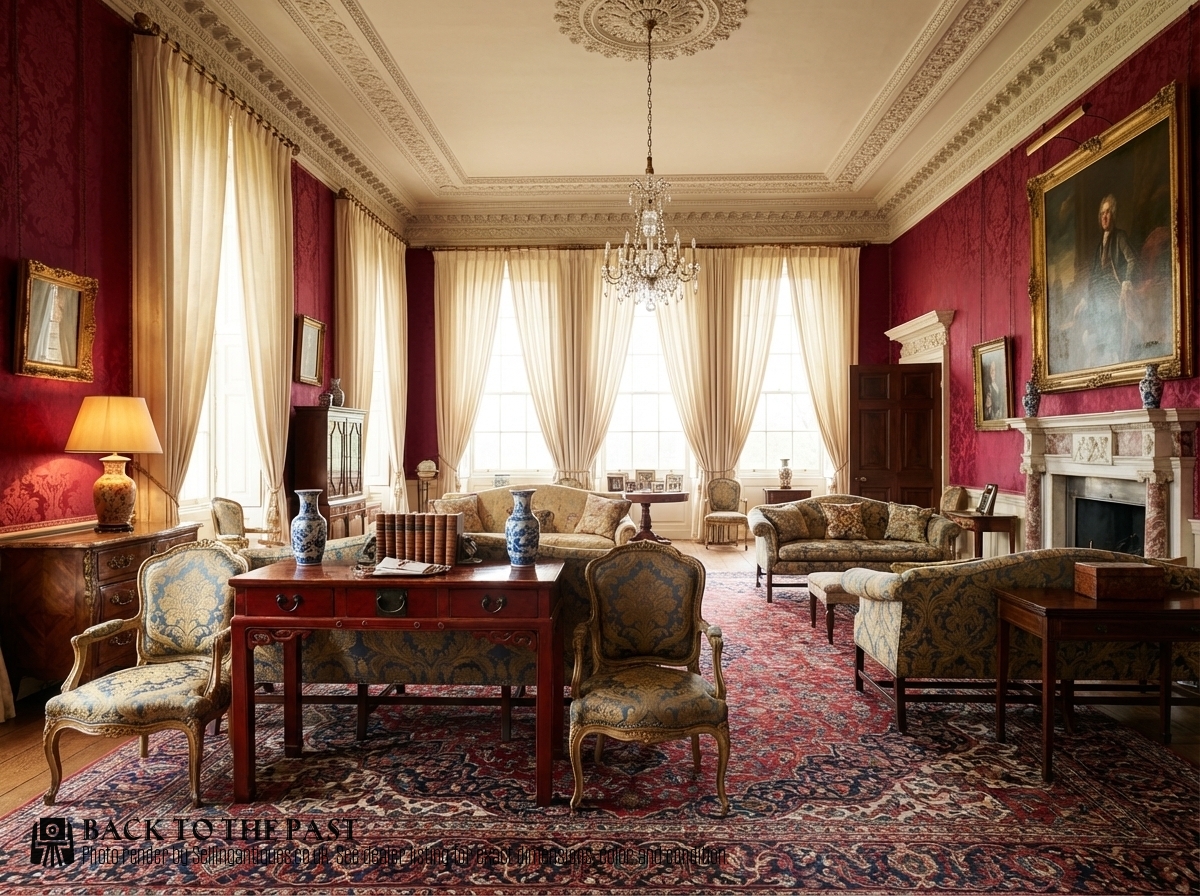
What traditional chinese furniture includes
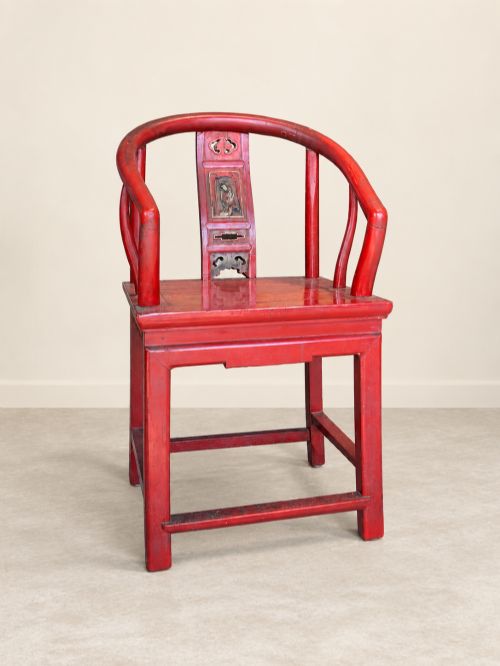
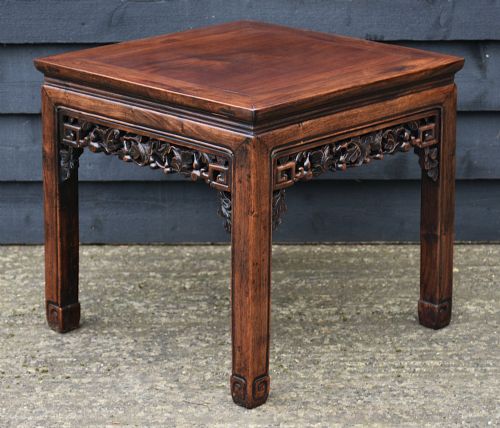
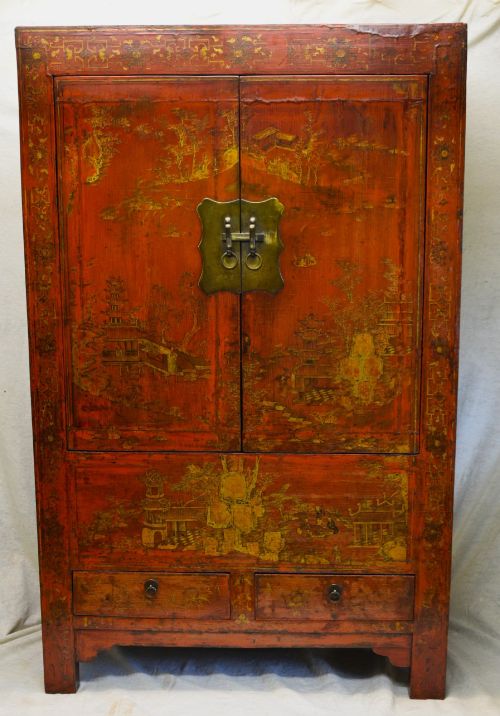
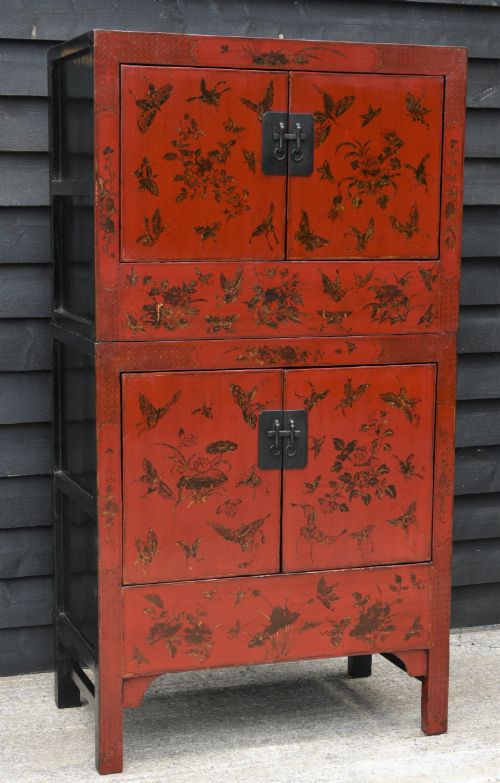
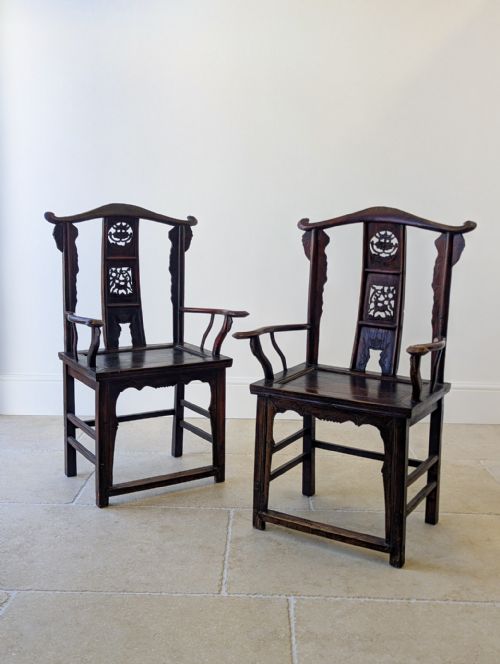
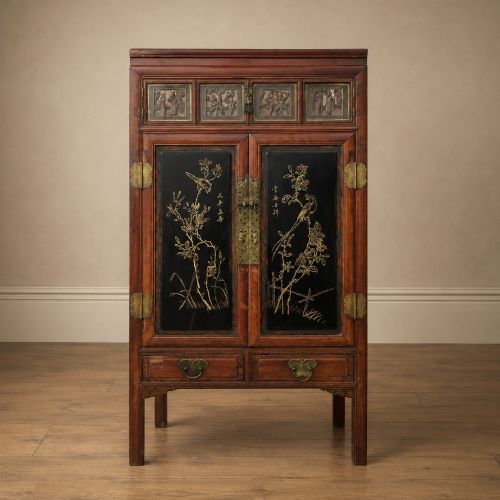
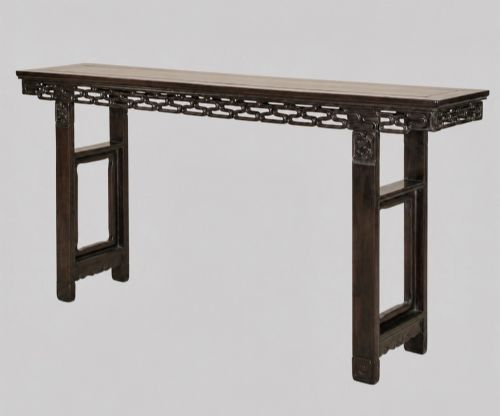
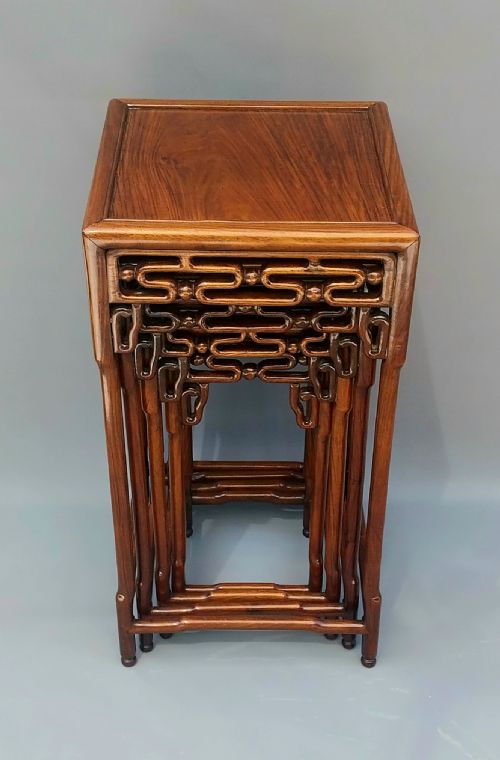
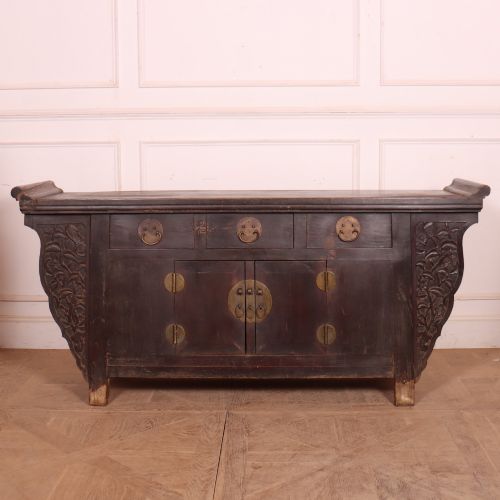
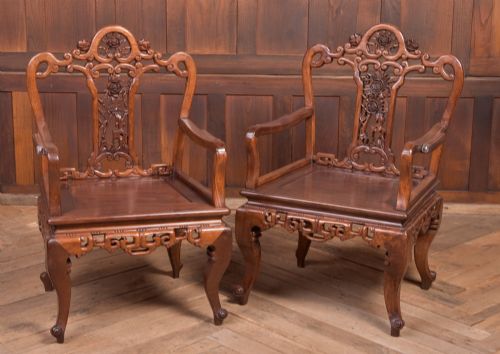
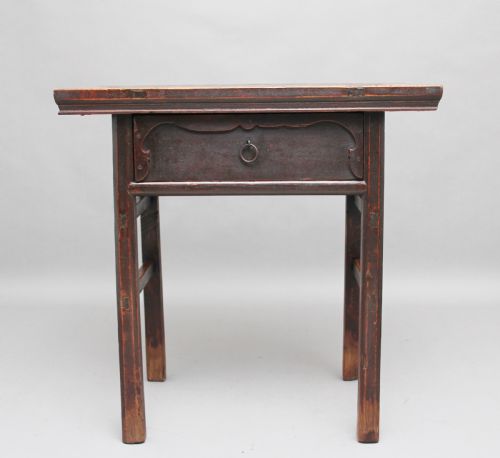
Traditional chinese furniture covers seating, tables and storage pieces dating from the nineteenth century up to the nineteen-thirties. The selection on this page ranges from armchairs and throne chairs to coffee tables, console tables, centre tables, stools, benches and wedding cabinets.
Buyers frequently encounter larger statement pieces like red lacquered wedding cabinets or horseshoe hall benches alongside smaller items such as opium tables and side tables. These forms bridge regional Chinese workshop traditions and decorative Chinoiserie aesthetics.
The periods represented stretch across the nineteenth century, nineteen hundred and nineteen-thirty, with styles encompassing Chinese Qing Dynasty, Qing Dynasty, Traditional Chinese and Chinese Antique pieces.
Materials and construction
These items rely on durable timbers including hardwood, polished hardwood, hongmu, elm and general wood, often finished with lacquer or red lacquered surfaces. Metal elements such as brass appear as mounts or hardware details.
Retail Price Guide 2026
Typical UK retail prices for traditional chinese furniture, calculated from the Sellingantiques database of over a million retail prices indexed since 2003. This retail price guide relies exclusively on Sellingantiques data; no external sources or auction records are used, so the figures do not describe the wider market.
Object types on this page include armchairs, cabinets, seating sets, coffee tables, console tables, centre tables and stools.
Judging quality and merit
Quality separates ordinary utility pieces from exceptional examples through the choice of dense timber, such as heavy hongmu or select hardwoods, versus simpler woods like elm. The depth and execution of red lacquer finishes also distinguish finer workshops.
Design complexity marks the upper tier, seen in intricately carved throne chairs or marble-inset tables compared to plain stools and basic side tables. The integrity of the original construction and surviving brass hardware further define the hierarchy.
The Traditional Chinese Furniture Glossary
- Hongmu
- A dense, dark tropical hardwood prized for traditional seating and tables. It translates literally to red wood and provides exceptional weight and durability.
- Opium table
- A low domestic table traditionally used for resting or dining while seated on cushions or platforms. These low forms serve well as modern coffee tables.
- Chinoiserie
- Western decorative style reflecting Chinese artistic influences. It appears in European interpretations of traditional motifs and forms.
- Qing Dynasty
- The final imperial dynasty of China, spanning from sixteen-forty-four to nineteen-twelve. Many nineteenth-century items on this page fall within this historic period.
- Horseshoe hall bench
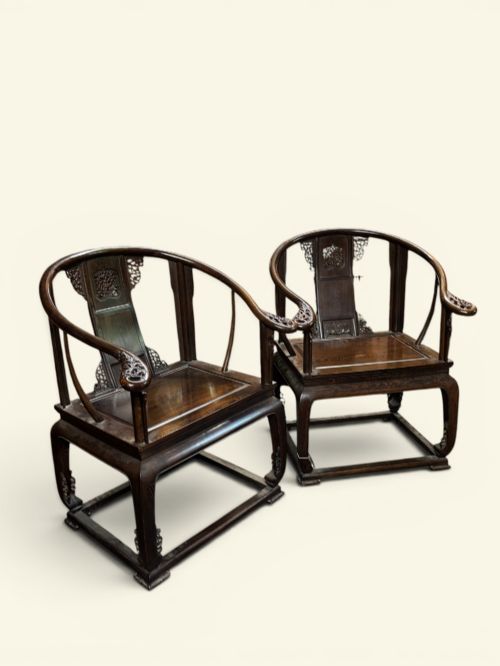
- A seating form named for the curved, continuous backrail shaped like a horseshoe. It offers an embracing profile designed for reception halls.
Frequently Asked Questions
How do I use an opium table today?
Opium tables function well as low coffee tables in contemporary living spaces. Their compact height pairs naturally with low seating arrangements.
They also serve as display surfaces for ceramics or decorative objects, adding low-profile character to a room.
What is hongmu wood?
Hongmu is a general term for various dense, dark tropical hardwoods used in fine Chinese cabinetmaking. It offers heavy weight and a fine grain that takes a polished finish.
Items made from hongmu represent the higher tier of traditional craftsmanship on this page.
How do I date a red lacquered wedding cabinet?
Dating relies on stylistic markers, construction joints and the wear patterns visible in the red lacquer finish. Nineteenth-century examples display hand-applied layers and traditional brass hardware.
Examining the interior timbers and backboards helps confirm the period alongside exterior decorative details.
Where were horseshoe armchairs placed?
Horseshoe armchairs and settles typically stood in reception halls or main living quarters for formal use. Their curved backrails provided comfortable support during official gatherings.
Today, they make striking accent seating in hallways, studies or living rooms.