

Antique Chinese Chairs
Antique chinese chairs bring quiet authority to a room, offering sturdy elm, rich hongmu and carved rosewood shaped for traditional interiors.
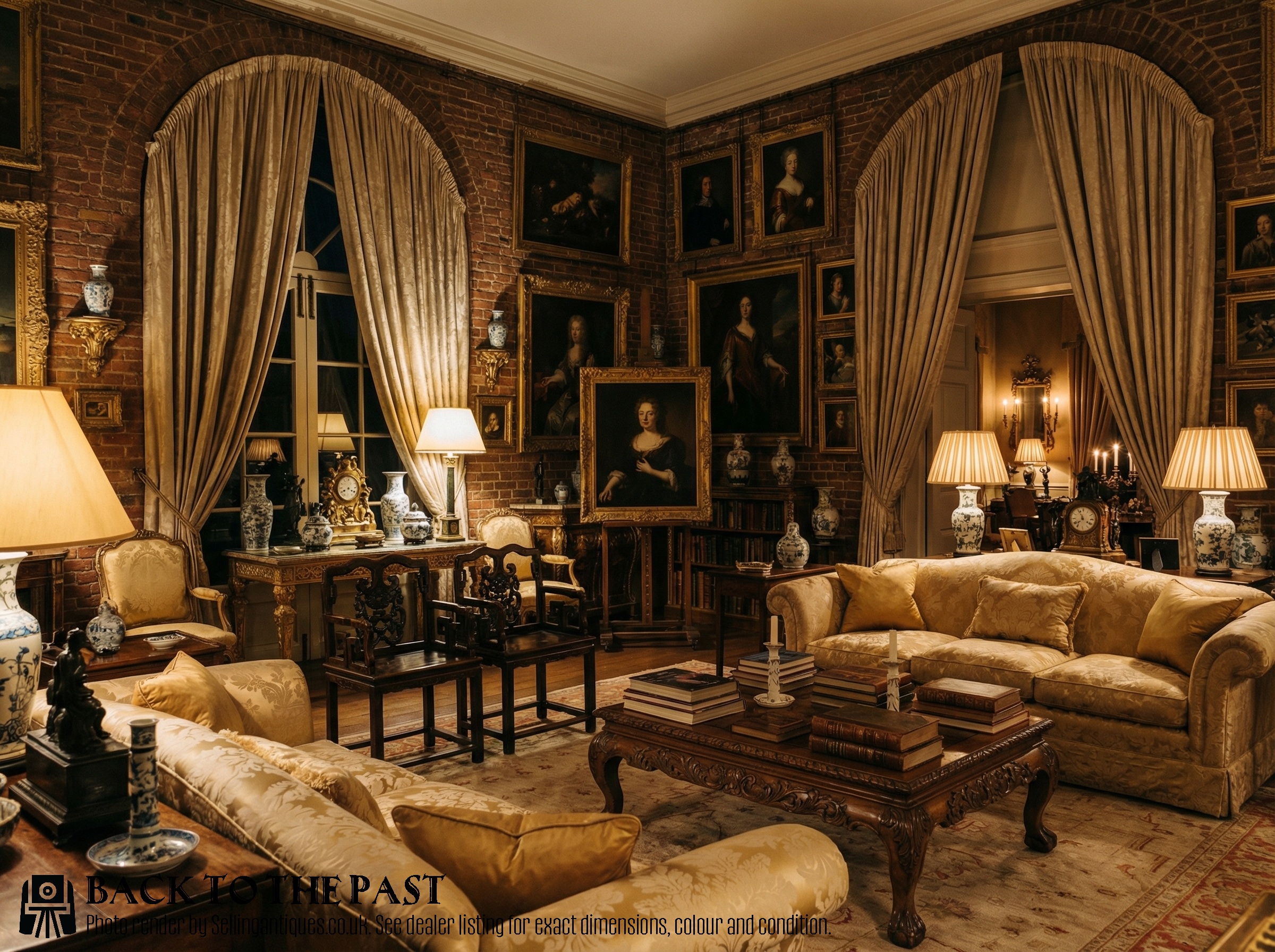
Antique Chinese Chairs
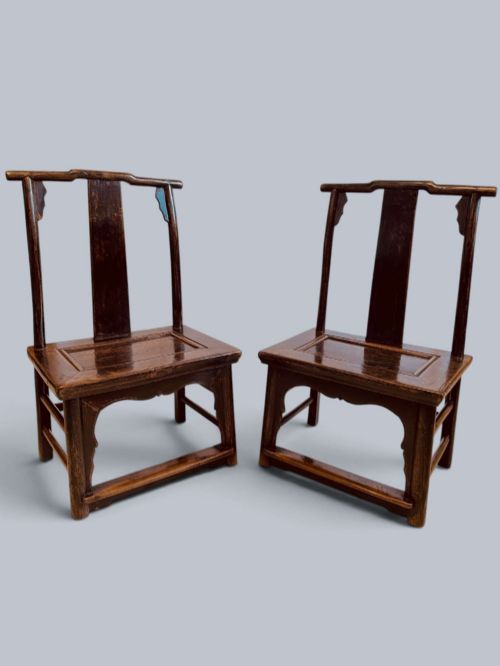
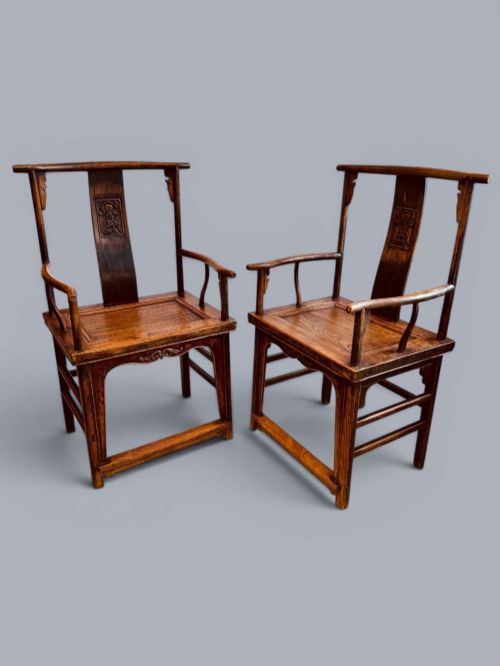
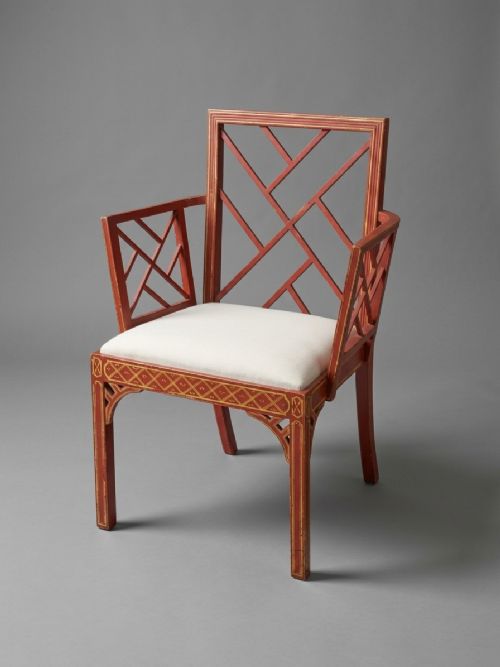
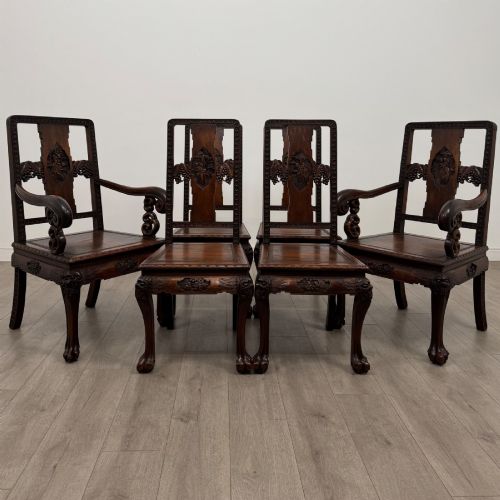
The most common examples on this page are nineteenth-century elm armchairs, often featuring red lacquer, alongside denser hongmu and rosewood seating from the Qing dynasty and Chinese export traditions.
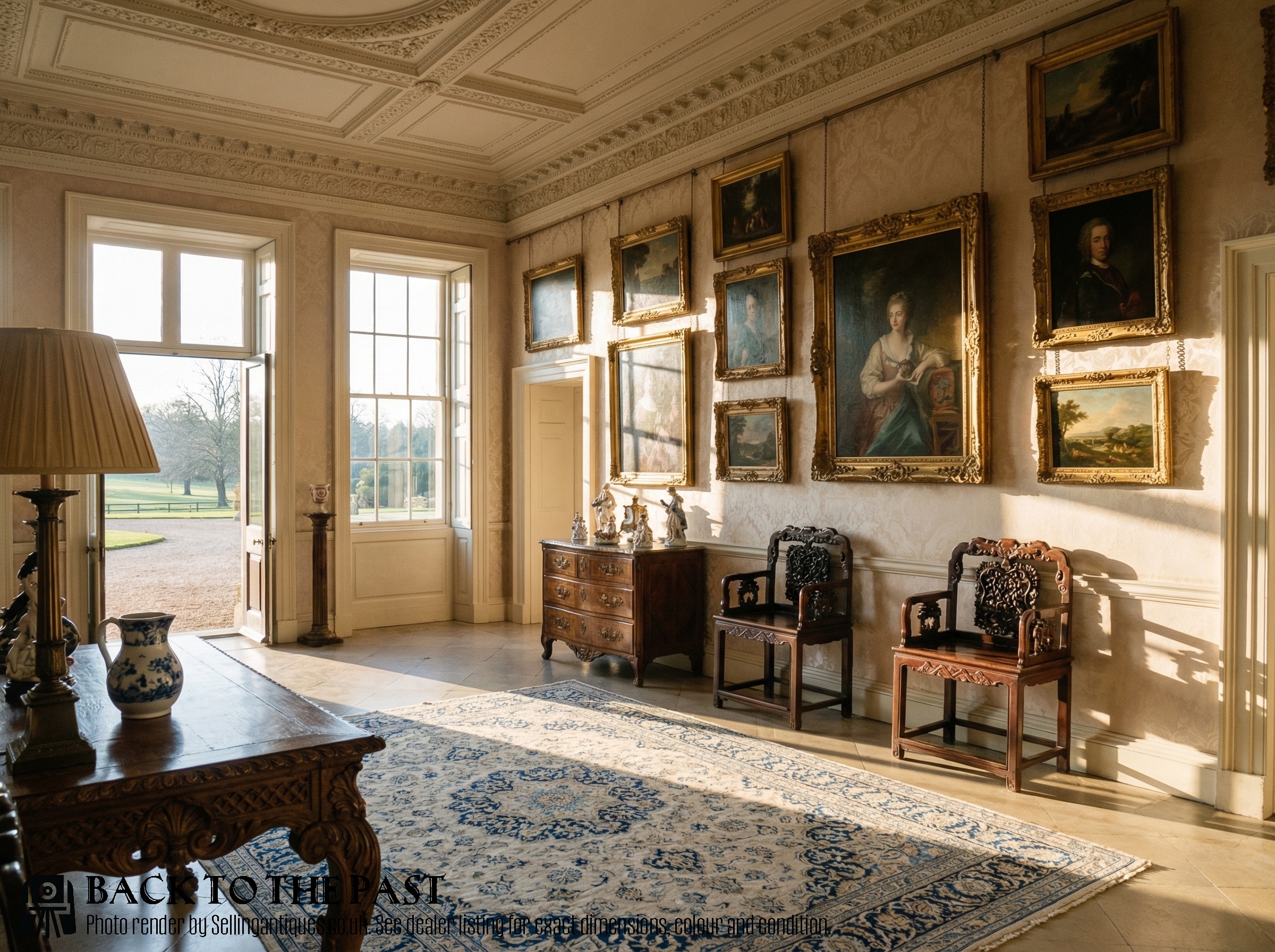
How they were made
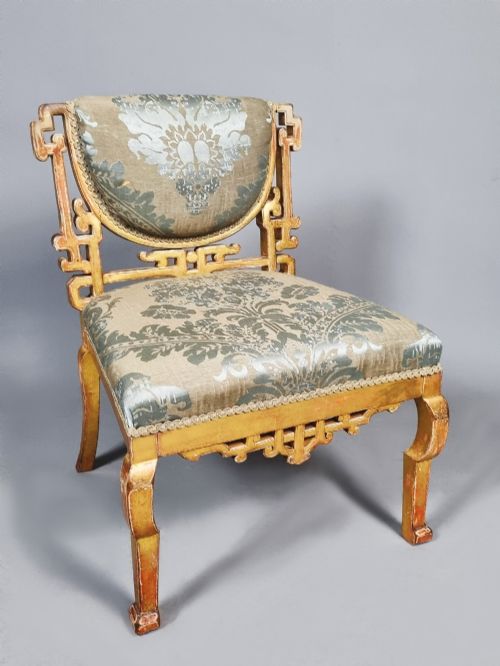
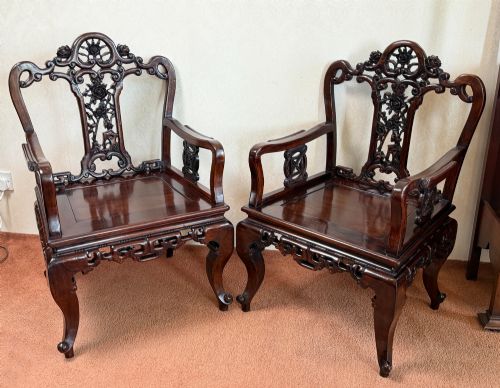
Cabinetmakers utilised durable hardwoods such as elm, hongmu, and rosewood, shaping timber with traditional joinery that avoided metal nails. Surfaces frequently received finishes of red lacquer or subtle carved decoration, and occasional details incorporated gold leaf.
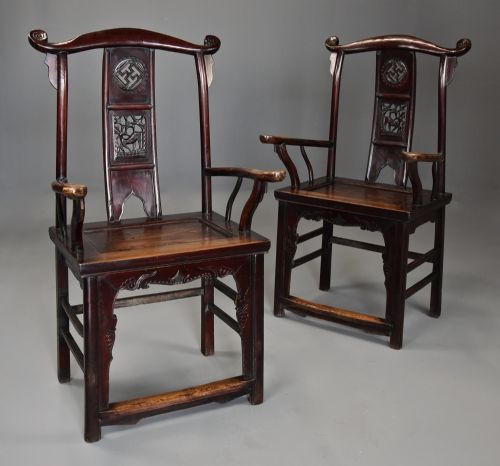
Makers constructed armchairs, hall chairs, and throne chairs with solid hardwood seats and structural framing designed for lasting utility in domestic and official settings.
Antique Chinese Chairs Retail Price Guide 2026
Typical asking prices for chinese chairs among the pieces listed under this phrase on Sellingantiques today, from the lower quarter to the upper quarter. They describe what is for sale here now, not the wider market.
Materials recorded across the archive include elm, hongmu, rosewood, red lacquer, and gold leaf.
What varies in quality
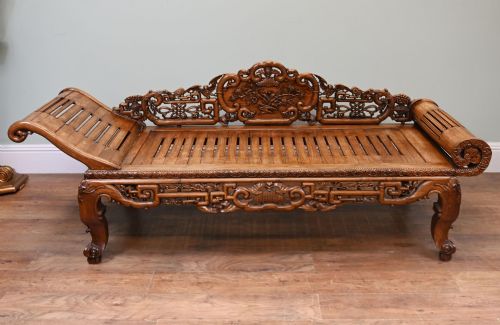
The distinction between standard seating and superior examples rests upon the choice of timber and the depth of the carving. Dense rosewood and hongmu specimens display greater weight and finer grain than domestic elm variants.
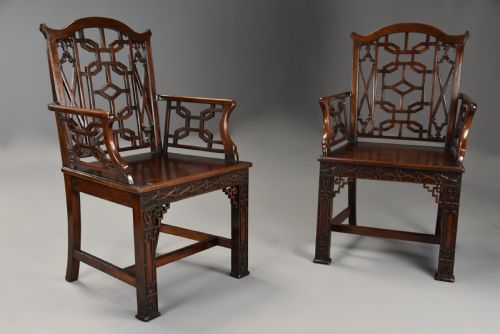
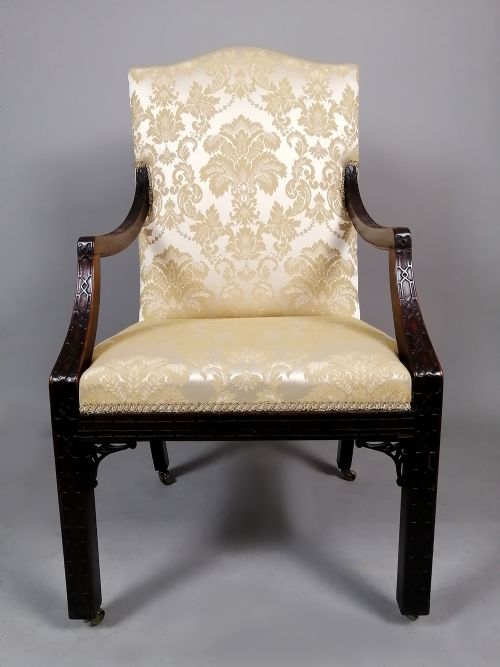
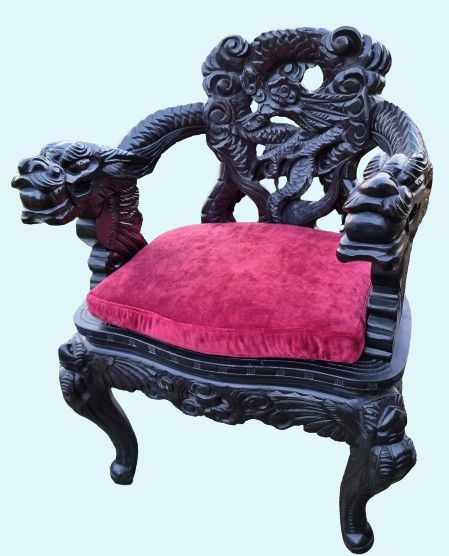
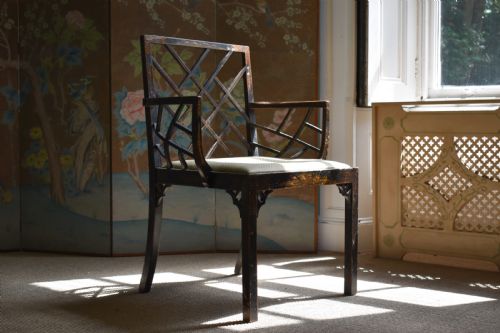
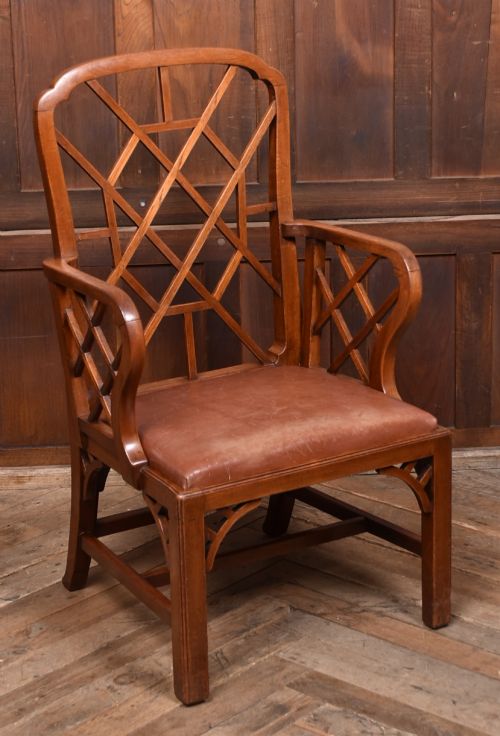
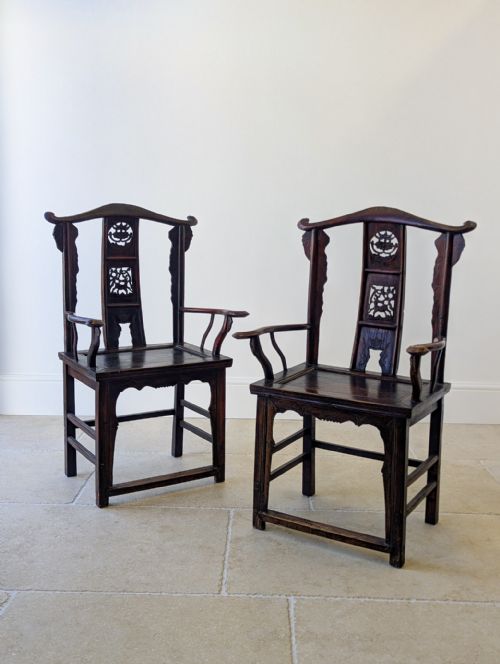
Execution of carved ornamentation dictates the visual hierarchy among these pieces, separating simple utilitarian hall chairs from elaborately detailed throne chairs and Chippendale style armchairs.
The Antique Chinese Chairs Glossary
- Hongmu
- A dense, dark hardwood prized by traditional Chinese cabinetmakers for its strength and rich natural colour. It translates literally to red wood.
- Elm
- A resilient native timber widely utilised for domestic seating, often finished with red lacquer. It provides a lighter alternative to exotic dense hardwoods.
- Qing Dynasty
- The final imperial dynasty of China, spanning from sixteen forty-four to nineteen twelve. Pieces from this era reflect established structural forms and ornate carving traditions.
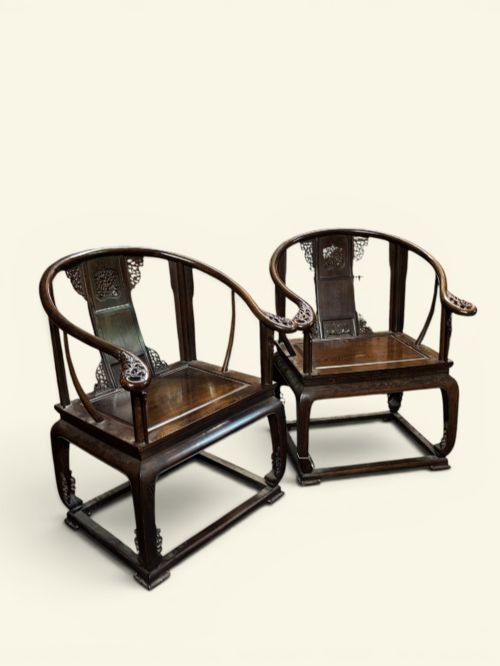
- Horseshoe armchair
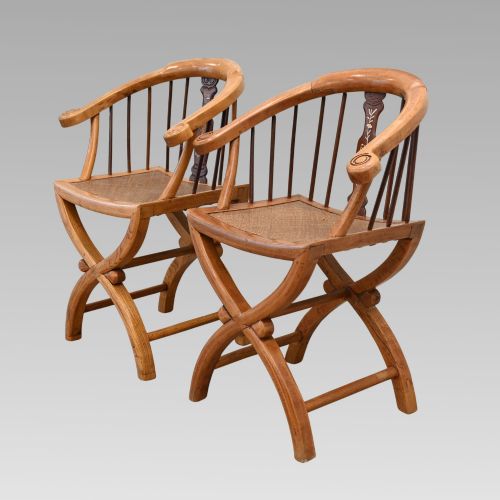
- A distinctive seating form featuring a continuous curved crestrail that sweeps down to form the armrests. This shape offers ergonomic support and elegant visual flow.
- Chippendale style
- An eighteenth-century English aesthetic adapted by Chinese export workshops. It combines European rococo and gothic motifs with traditional Asian craftsmanship.
Antique Chinese Chairs: Frequently Asked Questions
What woods were used for antique chinese chairs?
Cabinetmakers constructed these pieces from various timbers, predominantly domestic elm and dense imported hardwoods like hongmu and rosewood. Lacquered finishes and gold leaf occasionally appear over the wooden structure.
Selection depended on the intended function and status of the seating, with heavier exotic woods reserved for throne chairs and formal armchairs.
How do I date antique chinese chairs?
Dating relies on recorded periods such as the nineteenth century, the Qing dynasty, and specific decades around eighteen seventy and eighteen eighty. Stylistic cues and construction methods help place pieces within this timeframe.
Examining the wear on elm surfaces and the joinery details provides further context for establishing the approximate age of the seating.
Where were hall chairs placed?
Hall chairs stood in entryways, reception rooms, and formal corridors of traditional residences. Their upright backs and sturdy construction suited spaces designed for greeting visitors.
These pieces typically offered structured seating rather than lounging comfort, serving as architectural elements within the room.
How do I live with antique chinese chairs?
These chairs integrate naturally into modern dining rooms, studies, and living spaces as statement seating or functional pairs. Their architectural lines complement both minimalist and traditional interiors.
Positioning them away from direct heat sources protects the timber and preserves original lacquer finishes over time.