



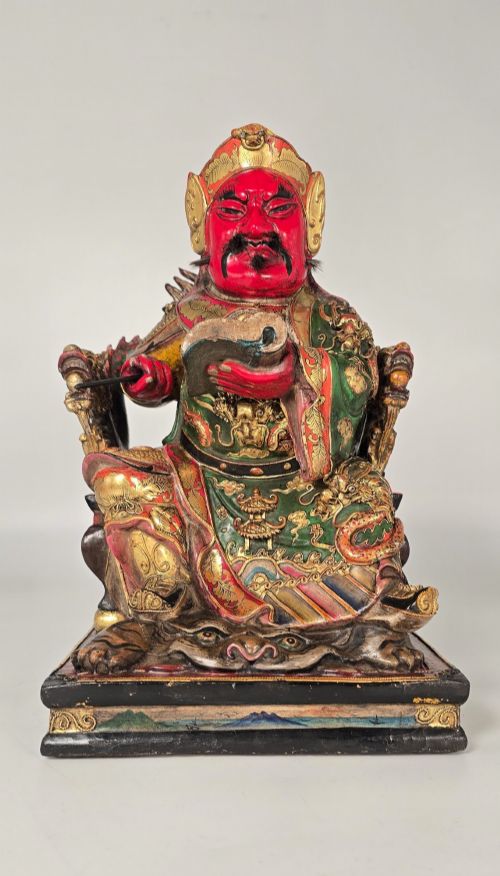


Traditional Chinese Seating
Traditional chinese seating encompasses sturdy elm armchairs, lacquered benches and horseshoe forms rooted in the Qing dynasty and nineteenth century.
Traditional Chinese Seating
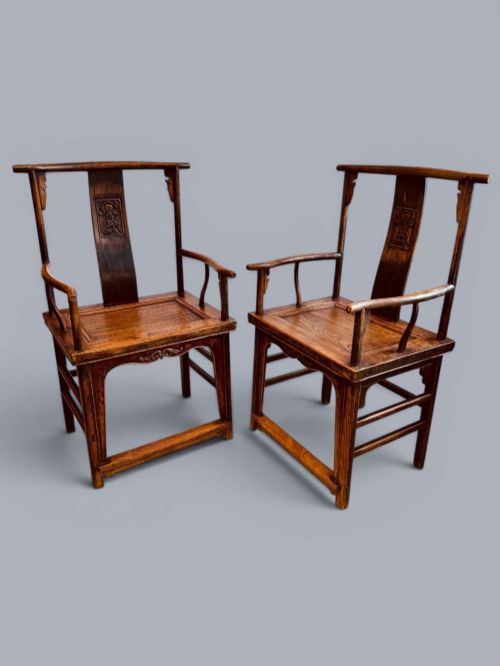
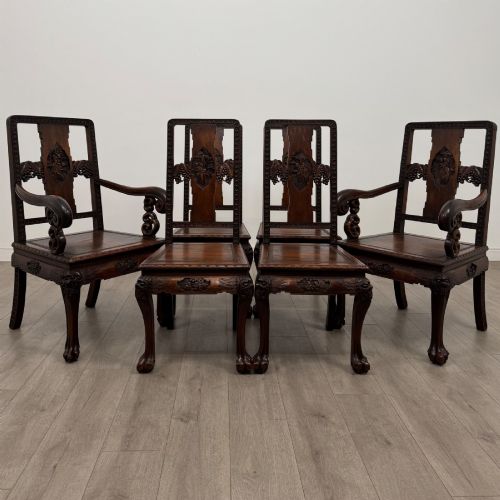
Traditional chinese seating comprises armchairs, benches, stools and hall furniture originating mostly from the nineteenth century and the Qing dynasty. These forms range from horseshoe-shaped armchairs with brass inlay to rustic elm stools and grand throne chairs.
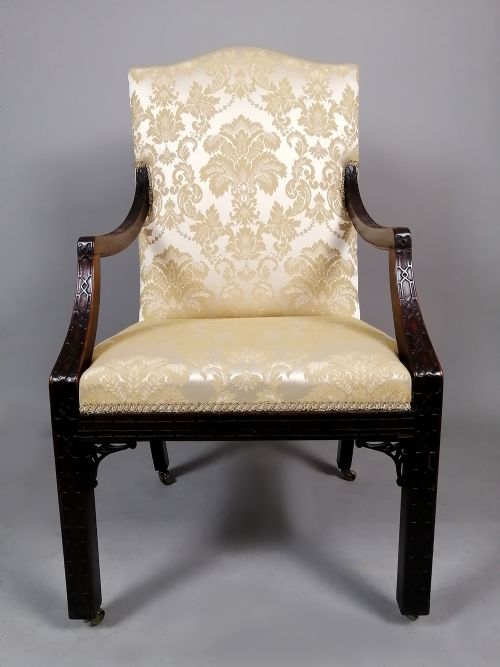
Buyers will encounter pairs of elm armchairs and hardwood benches alongside occasional revival pieces like Chinese Chippendale chairs. The selection spans utilitarian seating in elm and blonde wood to formal throne chairs in hongmu and rosewood.
Materials and construction
Makers utilised dense timbers such as elm, hongmu, huanghuali and general hardwood alongside cane and bamboo for structural integrity. Surfaces often received coats of red or black lacquer, hand painting, or brass inlay to accentuate the grain and form.
Joinery relied on traditional interlocking joints that allowed timber to move naturally without metal nails. Carving was executed directly into the solid wood to create figurative panels and pierced splats on armchairs and benches.
Traditional Chinese Seating Retail Price Guide 2026
Typical asking prices for traditional chinese seating among the pieces listed under this phrase on Sellingantiques today, from the lower quarter to the upper quarter. They describe what is for sale here now, not the wider market.
One unexpected arrival on the floor is a bamboo two-seat child carriage from the early twentieth century.
Grade and execution
Quality rests in the selection of the timber and the crispness of the hand carving rather than surface decoration alone. Dense woods like hongmu and huanghuali command higher regard than softwoods or standard elm.
The precision of the joinery and the preservation of original lacquer or surface patination determine the standing of a piece. Well-balanced proportions on horseshoe armchairs and throne chairs separate standard workshop output from exceptional examples.
The Traditional Chinese Seating Glossary
- Horseshoe armchair
- A seat with a continuous curved crestrail that sweeps down to form the armrests. This shape derives from classical Chinese furniture design and offers ergonomic support.
- Hongmu
- A translation meaning red wood, applied to dense and heavy tropical hardwoods used in fine Qing dynasty seating. It possesses a deep natural colour and polishes to a smooth finish.
- Elm
- A domestic timber utilised widely in regional Chinese chairmaking for its toughness and bending strength. It takes lacquer well and develops a rich patina over time.
- Cane
- Woven split rattan used for seat panels to provide flexibility and ventilation. It requires careful maintenance to prevent splitting.
Traditional Chinese Seating: Frequently Asked Questions
How do I identify a horseshoe armchair?
Look for the characteristic circular crestrail that loops continuously from the arms around the back of the sitter. This profile is distinct to traditional seating.
Many examples date from the nineteenth century and incorporate hardwood or brass inlay along the joinery points.
Where were these benches used?
Benches and hall furniture served domestic and formal interiors, often positioned against walls in reception rooms or courtyards. Their sturdy construction suited heavy daily use.
Larger pieces in elm and hardwood provided communal seating for families or guests.
What is the difference between elm and hongmu?
Elm is a domestic timber with a prominent grain used for regional and rustic seating. Hongmu is a dense, heavy tropical hardwood favoured for formal throne chairs and scholar's furniture.
Hongmu pieces generally display more refined carving and a darker, polished surface.
How should I care for lacquered wood?
Keep lacquered seating away from direct sunlight and extreme temperature fluctuations to prevent cracking. Dust gently with a dry, soft cloth.
Avoid chemical polishes that can lift or damage fragile historical layers of lacquer.