

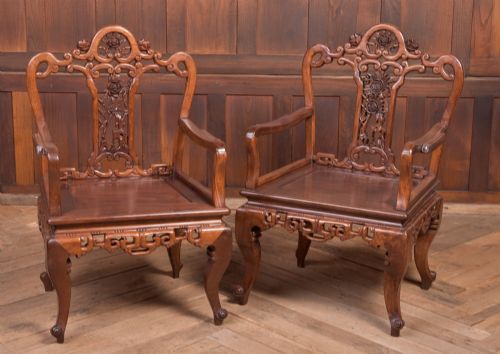
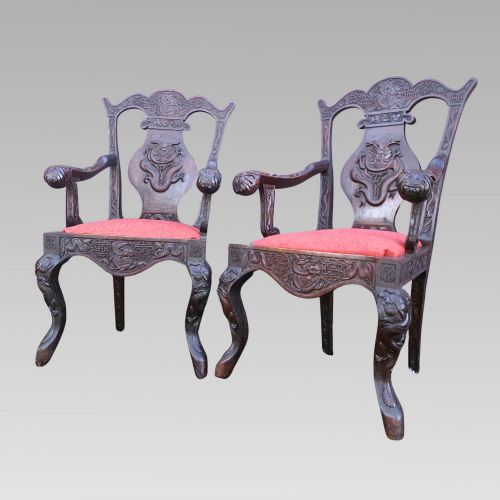


Qing Dynasty Armchairs
Qing dynasty armchairs are substantial Chinese seating pieces built from elm and hardwood, offering structural grace and period presence for serious interiors.
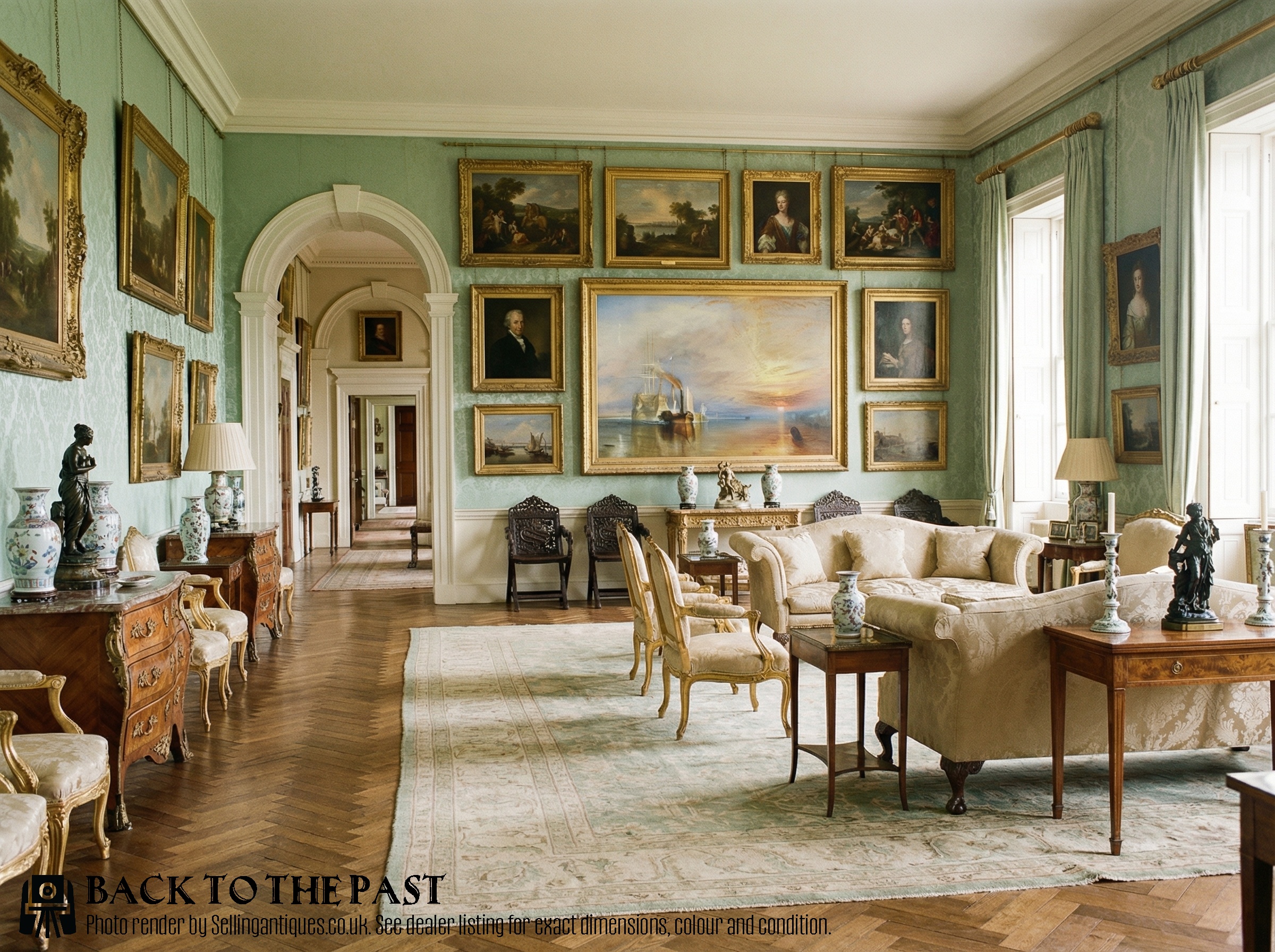
Qing Dynasty Armchairs
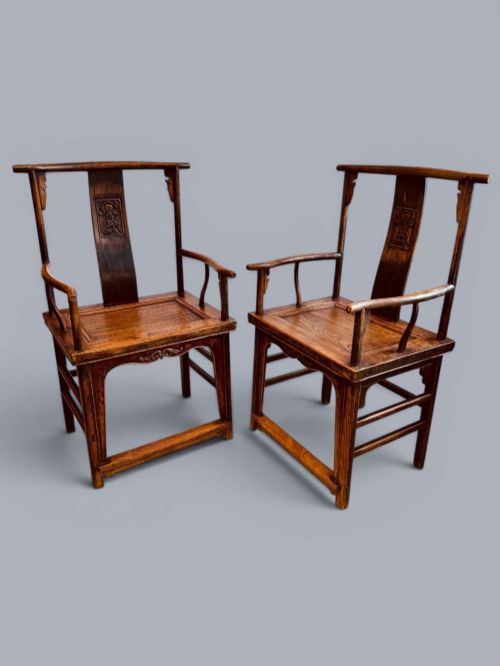
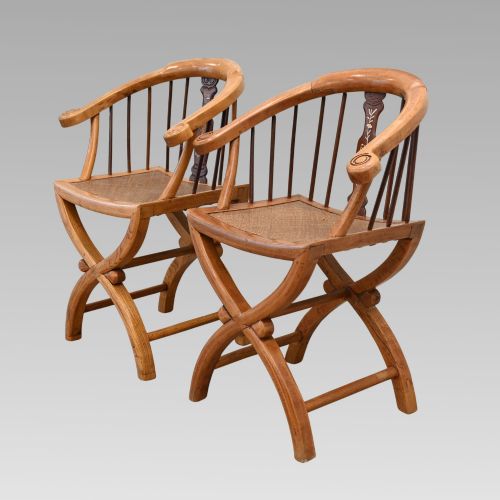
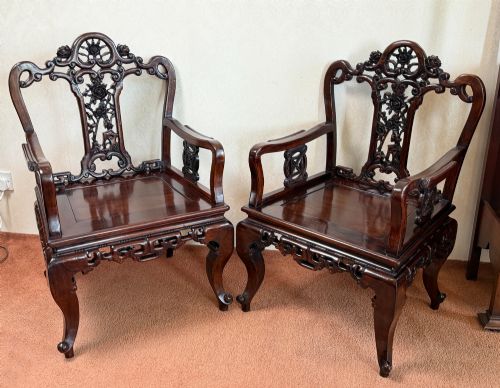
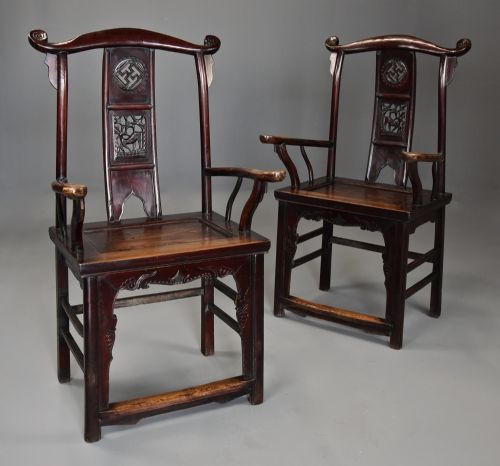
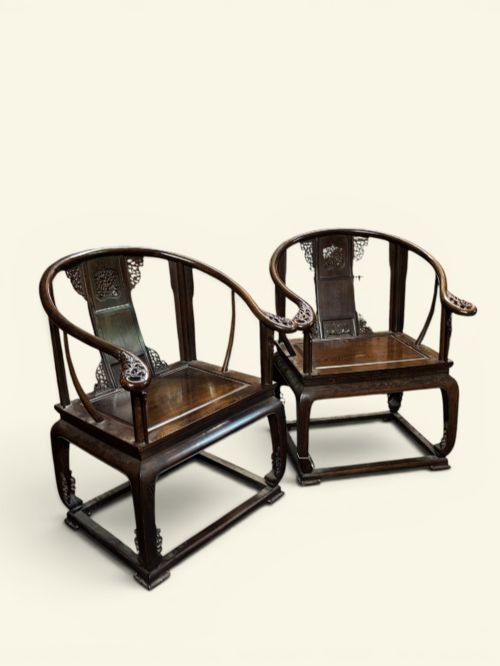
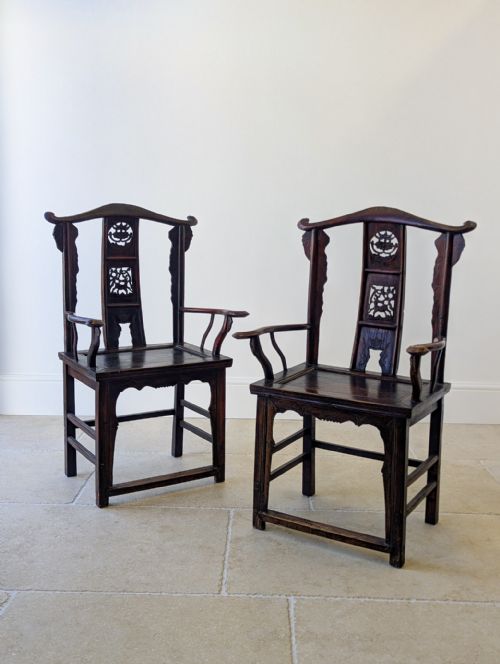
When you search for qing dynasty armchairs, you encounter nineteenth-century Chinese seating built in distinct regional forms. These pieces primarily appear as pairs, maintaining symmetry that suits formal room layouts and traditional furniture arrangements.
How they were made
Maker workshops built these chairs using solid elm and dense hardwoods, often applying red lacquer and gold leaf highlights to the timber surfaces. Joinery techniques allowed stable construction without extensive metal fixings, preserving the natural movement of the wood.
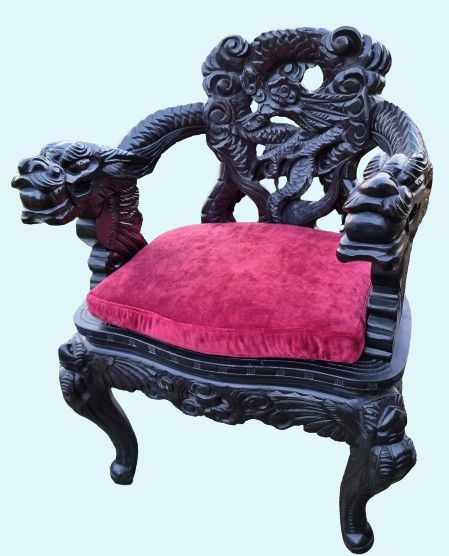
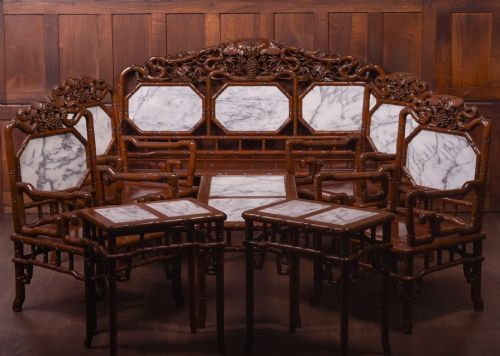
Carved decoration appears on select hardwood and throne-style pieces, showing intricate hand-tooled details. Original surface treatments such as red lacquer survive on elm examples, displaying deep patination built up over decades of use.
Qing Dynasty Armchairs Retail Price Guide 2026
Typical asking prices for qing dynasty armchairs among the pieces listed under this phrase on Sellingantiques today, from the lower quarter to the upper quarter. They describe what is for sale here now, not the wider market.
Listings feature elm, lacquer, dark hardwood, and gold leaf across pieces dated from eighteen seventy to nineteen hundred.
What varies in quality
Quality differences rest upon the selection of timber and the crispness of any carved detailing across the frame. Dense hardwoods and dense elm timbers with smooth, tactile patinas indicate superior material choice by the original maker.
Structural integrity and the survival of original surface finishes, such as red lacquer and gold leaf, distinguish exceptional examples from standard production. The presence of matching pairs with balanced proportions and original joinery elevates a piece above simpler variants.
The Qing Dynasty Armchairs Glossary
- Yokeback armchair
- A traditional Chinese chair style featuring a top crestrail that extends outward like the yoke of an ox. This design supports the sitter comfortably while providing a distinctive silhouette.
- Horseshoe-back armchair
- A seating form characterised by a continuous curved crestrail and armrests that sweep forward in a single circular arc. It offers ergonomic support and graceful geometry.
- Hongmu
- A translation meaning red wood, referring to various dense and heavy tropical hardwoods used in traditional Chinese furniture. It takes a fine polish and allows for sharp, deep carving.
- Patina
- The surface sheen and texture developed on timber and lacquer through age and handling. A desirable surface shows depth and warmth acquired over centuries.
Qing Dynasty Armchairs: Frequently Asked Questions
How do I date qing dynasty armchairs?
Dating relies on timber characteristics, construction methods, and stylistic cues recorded across nineteenth-century production. Pieces from this era generally span from eighteen seventy to nineteen hundred.
Material analysis also helps, as elm and specific dark hardwoods show distinct ageing patterns. Comparing joinery style and lacquer wear against documented period examples provides further clarity.
Are these chairs comfortable for daily use?
Many forms, particularly yokeback and horseshoe-back designs, offer supportive ergonomics intended for prolonged sitting. Their dimensions reflect traditional proportions suited to upright posture.
Using them daily requires consideration of their age and original construction. Placing them where they receive careful use preserves the historic joinery and surface finishes.
Why do these chairs usually come in pairs?
Traditional Chinese interior arrangements often favoured symmetry, placing matching seating opposite one another in reception rooms or halls. Pairs maintained visual balance within formal architectural spaces.
Surviving pairs offer matched grain, proportions, and wear patterns that indicate they were built and used together. This uniformity is particularly valued in historic seating.