



Oriental Accent Chairs
These oriental accent chairs bring centuries of craftsmanship and distinctive silhouette into modern rooms.
Oriental Accent Chairs
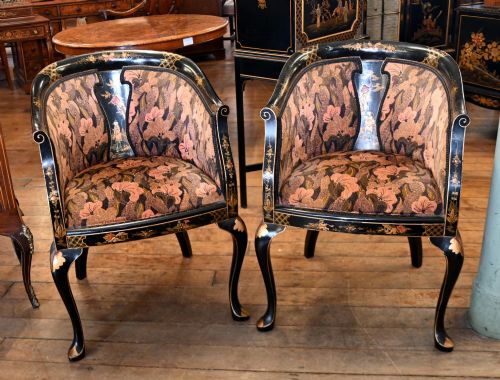
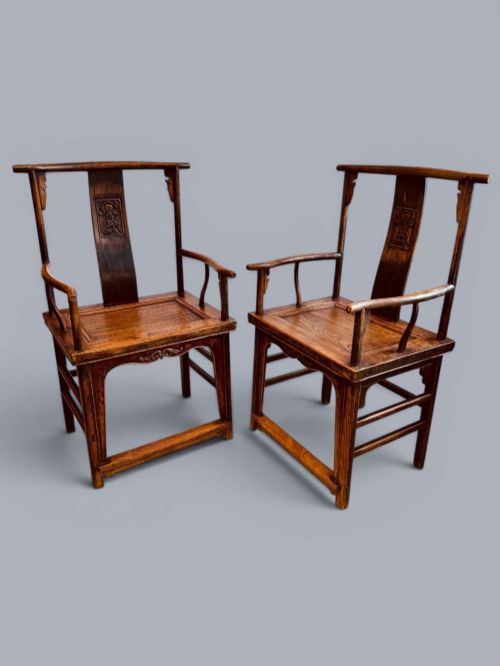
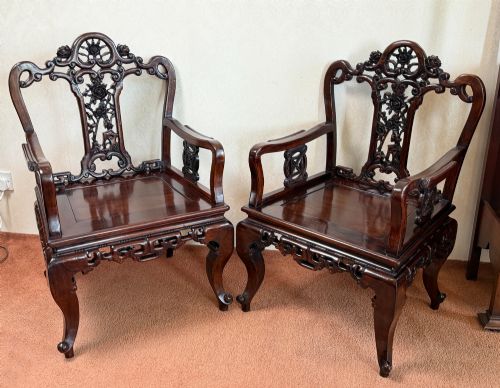
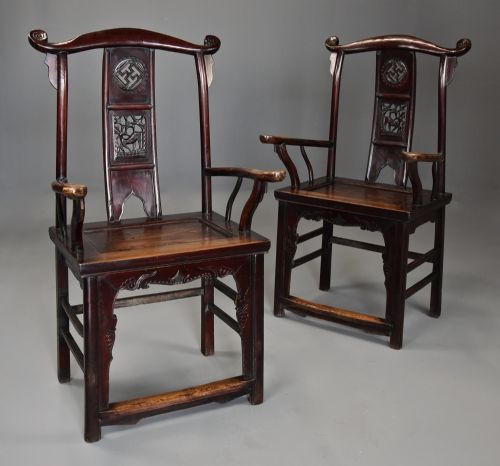
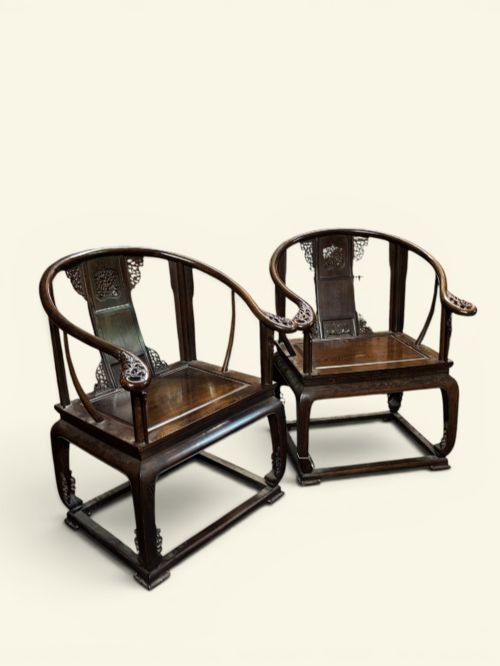
Oriental accent chairs span diverse periods ranging from the eighteenth century through to the early twentieth century, incorporating traditional forms such as yokeback armchairs, horseshoe chairs, and scholarship seats. Pieces originate from various traditions, including Chinese Qing dynasty workshops, Chinese export makers, and Anglo-Indian collaborations.
Buyers encounter numerous regional variations on this page, including elm lamp hanger chairs, lacquered side chairs, and carved hardwood armchairs. These seating options serve both functional and decorative roles within an interior scheme, often appearing as matched pairs or individual statement pieces.
The selection includes folding armchairs, corner chairs, and low slipper seats alongside formal hall chairs and throne chairs. Materials and construction methods reflect the specific geographic origins and historic periods of each individual item.
Construction and Materials
Cabinetmakers utilised dense timbers such as elm, rosewood, huanghuali, and hongmu to construct durable frames that withstand centuries of use. Joinery techniques frequently relied on traditional mortise and tenon joints, allowing wood to expand and contract naturally without metal fasteners.
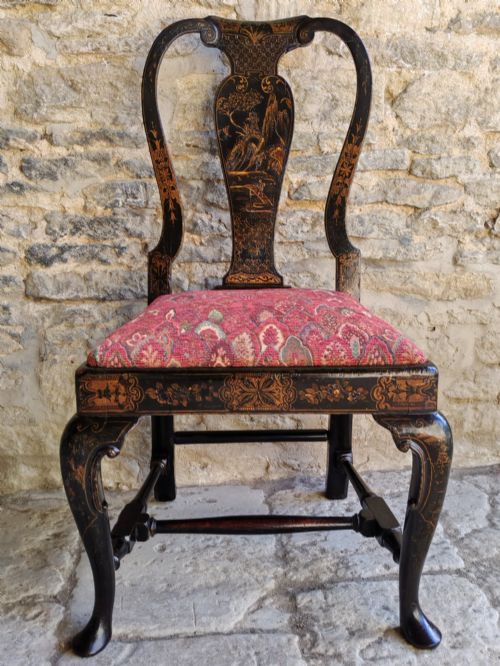
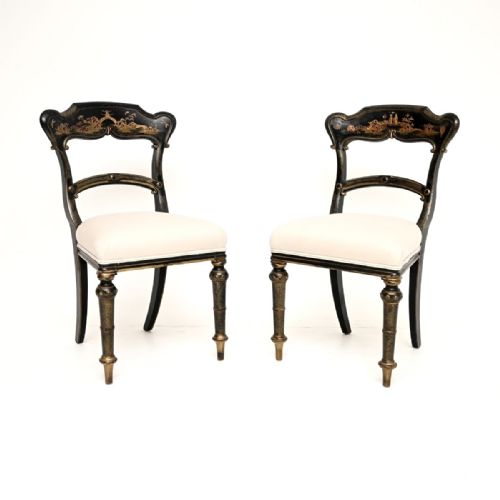
Surface finishes range from natural patinated hardwood to applied layers of red or black lacquer, sometimes augmented by hand-painted details or mother-of-pearl nacre-shell inlay. Canework and woven rush appear on seats, while brass wire inlay decorates specific nineteenth-century hardwood examples.
Oriental Accent Chairs Retail Price Guide 2026
Typical asking prices for oriental accent chairs among the pieces listed under this phrase on Sellingantiques today, from the lower quarter to the upper quarter. They describe what is for sale here now, not the wider market.
Several armchairs incorporate subtle folding mechanisms, proving that nineteenth-century travellers enjoyed portable luxury long before modern camping gear existed.
Evaluating Quality
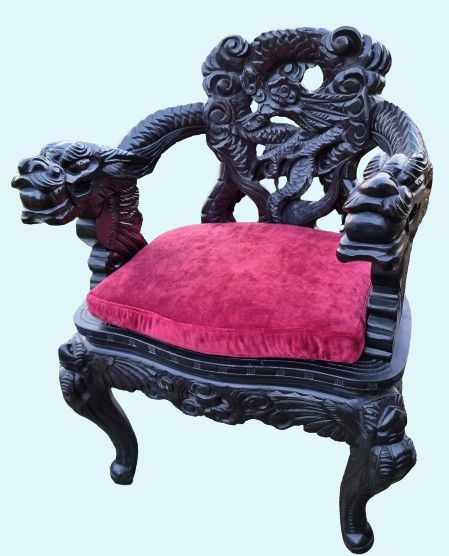
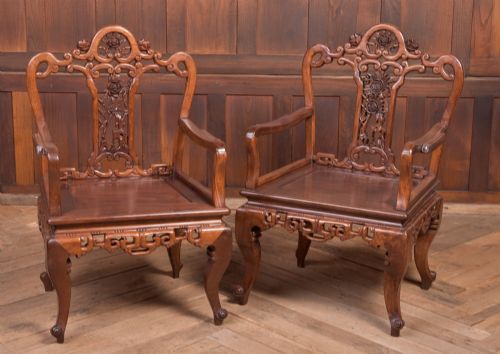
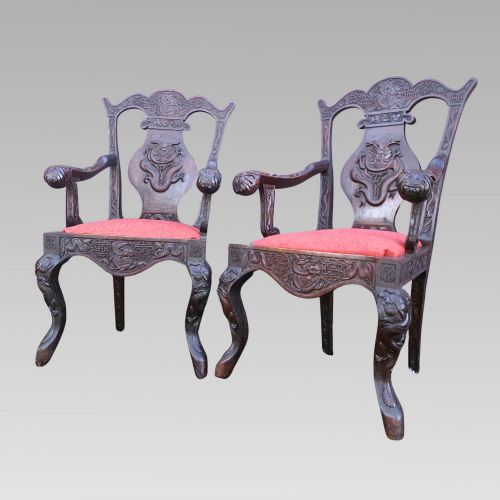
The distinction between ordinary and exceptional examples rests upon the crispness of hand-carved dragon motifs, the depth of the timber's natural patina, and the integrity of traditional joinery. Superior items retain their original surface treatments, whether through preserved layers of lacquer or untouched aged wood.
Proportion and structural balance also determine standing, as finer chairs maintain harmonious lines and careful weight distribution across horseshoe backs and yoke rails. Original canework or well-executed historical repairs hold greater favour than wholesale modern replacements.
The Oriental Accent Chairs Glossary
- Yokeback chair
- A traditional Chinese chair style featuring a top rail that curves upward at the ends, resembling a traditional ox yoke. This design supports the sitter while providing an elegant profile.
- Horseshoe-back chair
- A seating form characterised by a continuous curved rail that forms both the backrest and the armrests. The sweeping semicircle distributes weight evenly and offers comfortable support.
- Lamp hanger chair
- A specific Chinese chair variant with a high, slender back rail terminating in outward-turning corners. The name derives from a perceived similarity to portable lamp stands.
- Chinoiserie
- European decorative interpretation of Chinese and East Asian artistic traditions, popular during the eighteenth and nineteenth centuries. This style appears on painted European frames and imported items alike.
- Nacre-shell inlay
- The decorative embedding of iridescent mollusc shell fragments into wooden furniture surfaces. Artisans cut thin pieces to form geometric patterns or pictorial scenes.
Oriental Accent Chairs: Frequently Asked Questions
How do I identify a Qing dynasty chair?
Qing dynasty chairs typically display robust hardwood construction, such as hongmu or rosewood, accompanied by deep relief carvings of dragons or floral motifs. The joinery is executed without nails, relying on intricate interlocking wooden joints.
Experts look at the weight of the timber and the quality of the aged patina. Regional variations within the dynasty show distinct regional preferences for elm or lacquered finishes.
Where should I place an accent chair?
These chairs function effectively in hallways, studies, or living rooms as standalone statement pieces or paired together by a fireplace. Their compact footprints allow them to fit into corners where bulky modern seating fails.
Consider the chair's height relative to surrounding tables and whether the back design warrants viewing from all angles in an open space.
Are elm chairs durable for daily use?
Elm is a tough, fibrous wood that resists splitting, making historical elm chairs robust enough for contemporary seating. Traditional frame construction distributes pressure evenly across the legs and stretchers.
Owners should maintain consistent indoor humidity to protect the ancient timber and any original lacquer finishes from cracking.
What is the difference between export and domestic pieces?
Chinese export furniture was specifically manufactured for Western markets during the eighteenth and nineteenth centuries, frequently combining traditional Asian joinery with European stylistic preferences. Domestic pieces adhered strictly to local aesthetic standards and scholarly tastes.
Export items often incorporate eclectic decorative elements, such as brass inlay or modified proportions suited to Western sitting habits.