


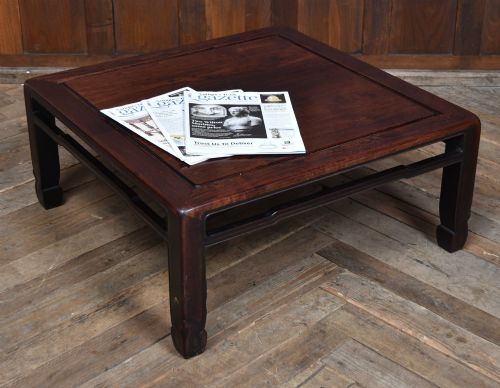

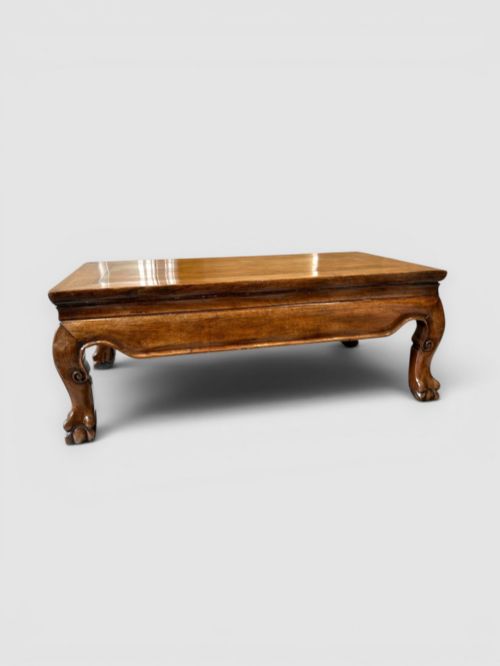


Chinese Low Coffee Table
A chinese low coffee table brings solid timber grain and centuries of domestic form right into a modern sitting room.
Chinese Low Coffee Table
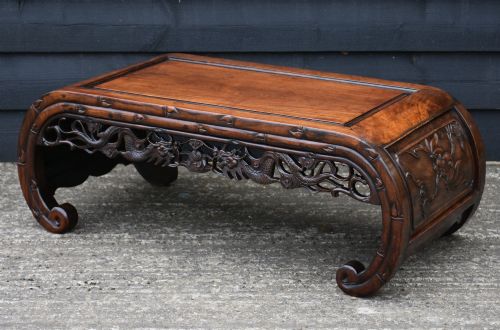
A chinese low coffee table spans traditional low platforms, kang tables, and opium tables adapted for modern seating. These pieces appear primarily in nineteenth-century and early twentieth-century formats, drawing on Qing Dynasty proportions and regional styles.
Materials and construction
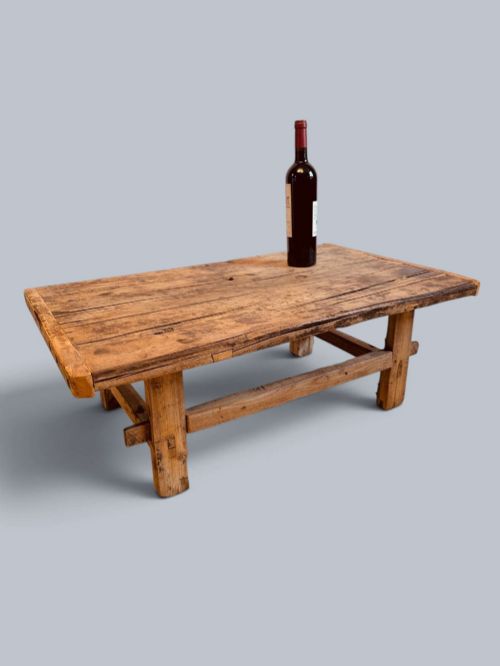
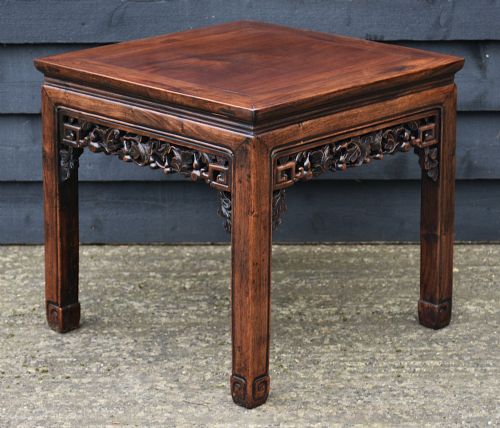
Carpenters utilised dense timbers such as rosewood, padouk, huanghuali, hongmu, and rustic elm to build these low surfaces. These heavy woods provide the structural integrity required for low-profile furniture without relying on bulky frames.
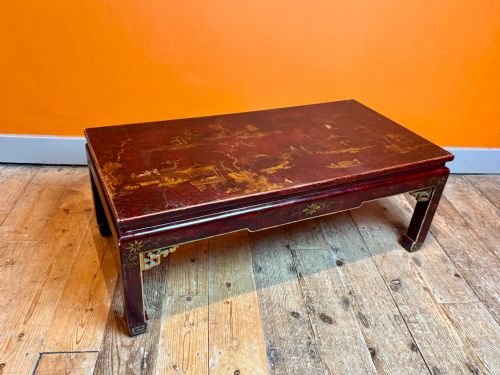
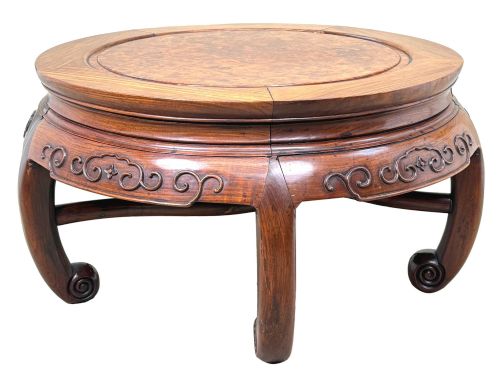
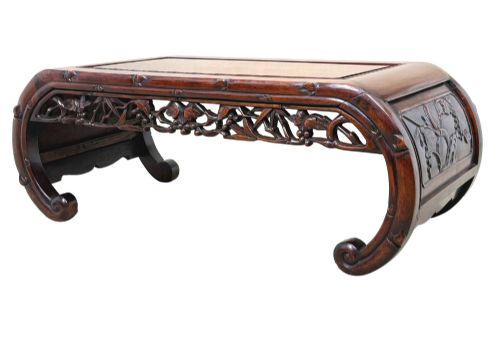
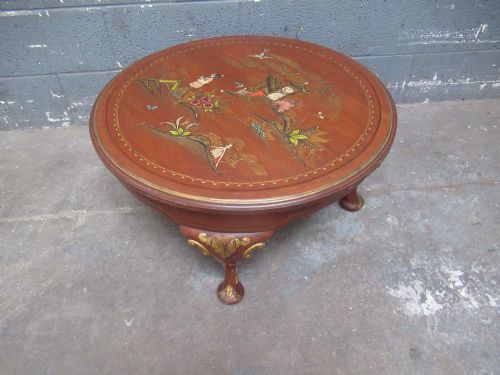
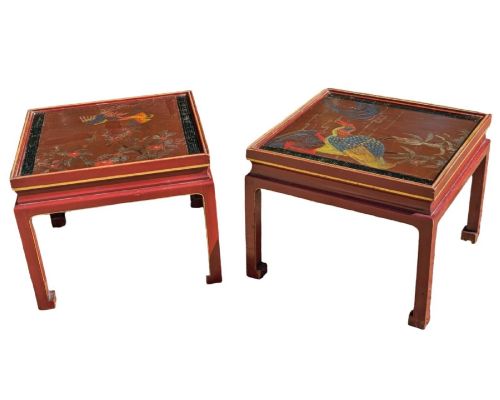
Surface treatments include traditional red or black lacquer, clear polishing that highlights natural grain and patina, and applied soapstone or glass tops. Artisans often integrated carved dragon motifs, raised relief decoration, and fretwork panels into the woodwork.
Chinese Low Coffee Table Retail Price Guide 2026
Typical asking prices for chinese low coffee table among the pieces listed under this phrase on Sellingantiques today, from the lower quarter to the upper quarter. They describe what is for sale here now, not the wider market.
Several low tables feature dedicated soapstone panels, turning everyday tea-drinking surfaces into miniature geological displays.
Judging the pieces
Quality rests upon the selection of timber, the crispness of hand-carved details like scroll ends or dragon motifs, and the depth of the natural patina. Denser hardwoods and older lacquer finishes display a tactile warmth that distinguishes finer workshops.
Structural honesty and the preservation of original panels also determine merit. Pieces retaining their classical joinery and unblemished wood surfaces sit firmly at the upper end of the range.
The Chinese Low Coffee Table Glossary
- Kang table
- A low platform table traditionally used on a heated brick bed in northern Chinese homes. They now serve widely as low coffee tables.
- Opium table
- A common historical descriptor for small, low wooden tables featuring raised edges or scroll ends. They share the domestic space of the kang table.
- Huali
- A fragrant, richly figured Chinese hardwood prized for its decorative grain. It forms some of the most sought-after low tables.
- Padouk
- A heavy, durable tropical timber with reddish-brown tones utilised in traditional furniture making. It offers exceptional structural stability.
- Chinoiserie
- European decorative style reflecting Chinese artistic influences. Pieces often feature distinct lacquer work and painted motifs.
- Patina
- The surface sheen and softened texture developed through age and use. A good patina indicates genuine historical depth.
Chinese Low Coffee Table: Frequently Asked Questions
Where did these tables come from?
These tables originate from domestic settings in China, where low platform furniture formed a central part of daily life. They were built to sit upon sleeping platforms or main reception rooms.
Over time, many of these low forms migrated to Western interiors as seating heights shifted toward floor-level living.
How do I style a low table?
A chinese low coffee table pairs effectively with low modern sofas and minimalist seating arrangements. Their modest height grounds a living room while keeping sightlines open across the space.
Keep the surface styling restrained to let the timber grain, lacquerwork, or carved scroll ends remain visible.
What is a kang table?
A kang table is a compact, low-standing wooden surface designed for use on a brick heating platform in traditional northern dwellings. They provided a stable spot for dining, reading, or serving tea.
Their sturdy proportions and modest height make them natural candidates for modern coffee table use.
Are these pieces fragile?
These tables are constructed from dense hardwoods and durable timbers designed to withstand heavy daily use. Their traditional joinery distributes weight evenly across the frame.
Lacquer surfaces require basic care to prevent moisture damage, but the underlying timber remains robust and enduring.