





Oriental Low Coffee Table
These oriental low coffee table pieces bring grounding surface space to a room, drawn from traditions spanning centuries.
Oriental Low Coffee Table
An oriental low coffee table brings traditional domestic forms into modern seating arrangements, often originating from historical designs like kang beds and opium tables. These low surfaces sit close to the floor, providing practical room for tea, books or display without dominating the vertical space of a room.
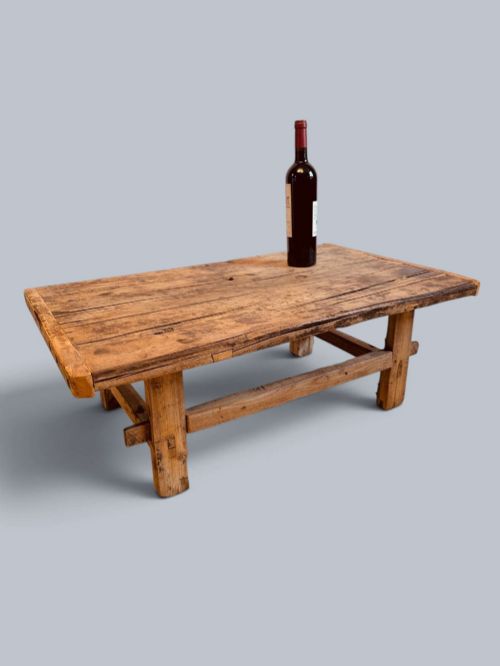
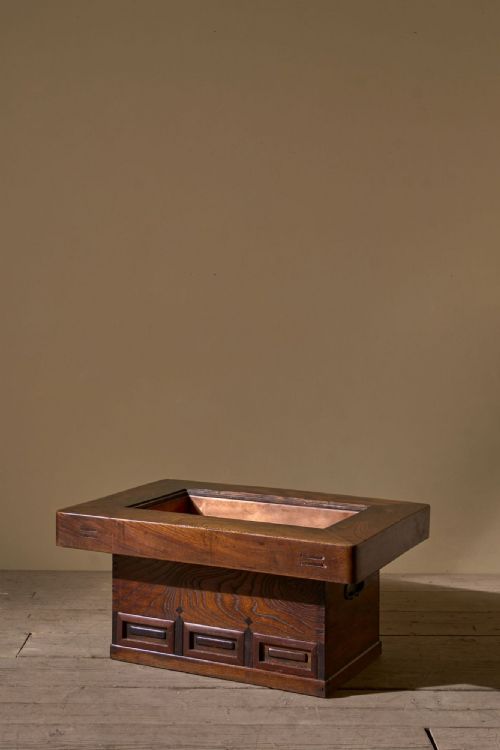
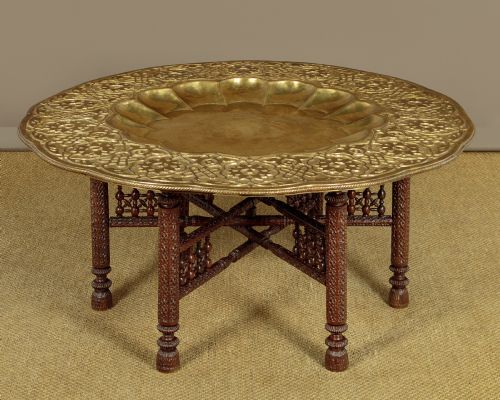
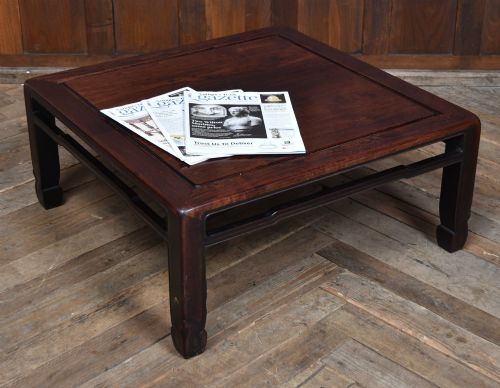
The pieces you encounter span from the eighteenth century through the early twentieth century, taking shape as coffee tables, low occasional tables and repurposed hibachi or tea tables. Chinese Qing dynasty and Japanese mingei traditions heavily influence the forms found in these listings.
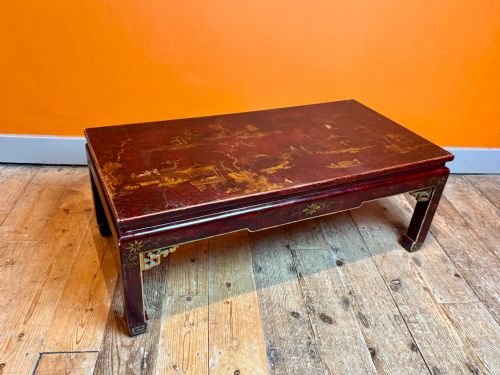
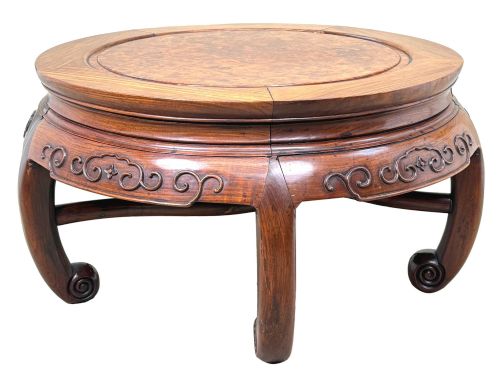
Makers utilised resilient regional timbers and striking finishes to create these low furnishings, adapting them for contemporary lounge and sofa settings. Hardwoods, elm, rosewood and red lacquer dominate the selection available on this page.
Materials and construction
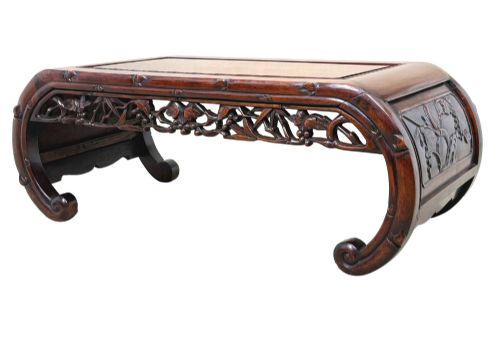
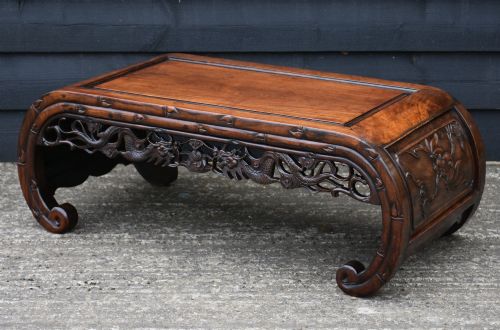
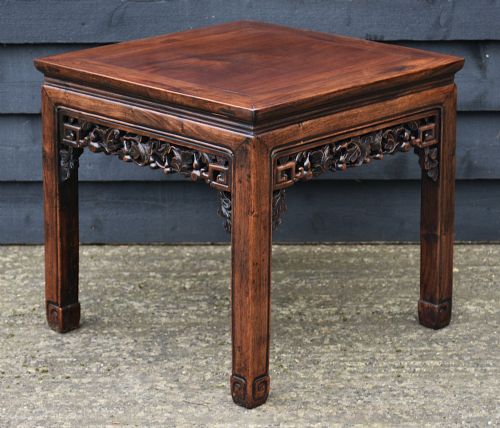
Joinery methods rely heavily on dense Asian timbers including rosewood, elm, teak and keyaki, selected for their structural stability at a low profile. Artisans often incorporated carved details, dragon motifs or gilt and stone inlay directly into the wooden surfaces.
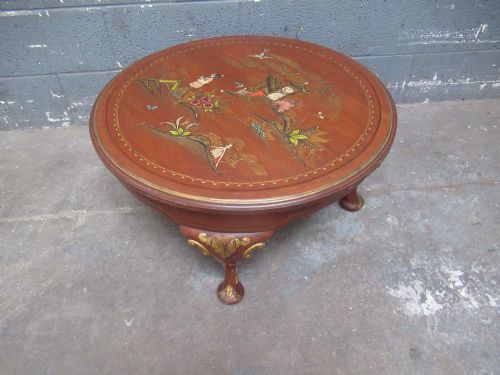
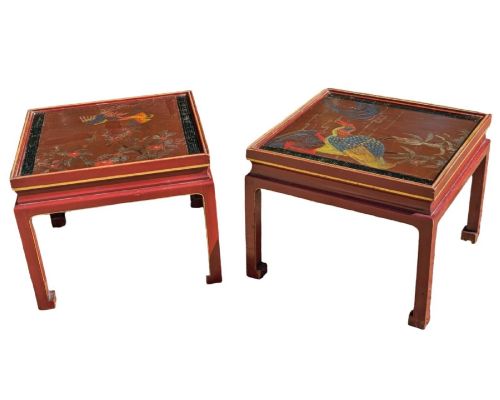
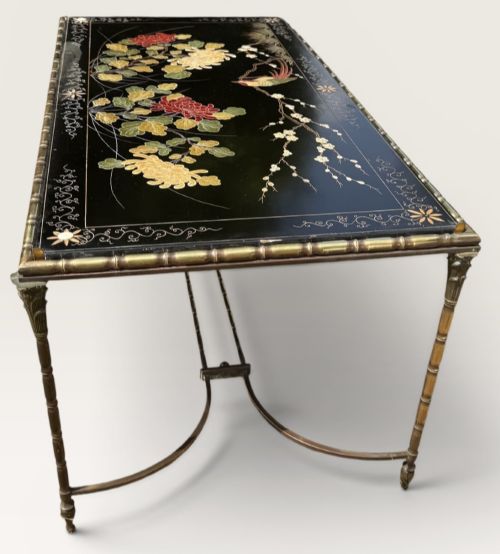
Lacquer finishes in red and other tones provide smooth, sealed surfaces on wooden bases, sometimes complemented by bamboo or copper elements. Iron fittings and copper accents appear across various examples to reinforce corners and joints.
Oriental Low Coffee Table Retail Price Guide 2026
Typical asking prices for oriental low coffee table among the pieces listed under this phrase on Sellingantiques today, from the lower quarter to the upper quarter. They describe what is for sale here now, not the wider market.
The listings span multiple centuries, recording pieces from the 18th century, 19th century, and early decades of the 20th century.
What separates the finest examples
The grade of timber and the complexity of hand carving separate standard low tables from exceptional ones. Pieces featuring intricate dragon details, stone inlay or traditional red lacquer demonstrate superior craftsmanship compared to plain or heavily restored surfaces.
Proportion and structural integrity define the upper tier of these tables, where traditional joinery remains tight and finishes show natural age rather than clumsy repair. The presence of original hardware, such as iron or copper mounts, elevates an example further.
The Oriental Low Coffee Table Glossary
- Kang table
- A low platform table traditionally used in northern China for sitting, sleeping or serving tea on a heated brick bed. These diminutive tables translate well into modern low coffee table settings.
- Opium table
- A low wooden table traditionally utilised for serving tea or smoking, characterised by short legs and sturdy hardwood construction. They form a significant portion of early twentieth-century low table designs.
- Keyaki
- A Japanese elm timber prized for its dense grain and durability, frequently utilised in traditional furniture making. It provides a robust framework for low hibachi and coffee tables.
- Mingei
- A Japanese folk art movement valuing utilitarian objects created by unknown craftsmen using traditional methods. This aesthetic influences the simpler, unpretentious low tables seen in the archive.
- Lacquer
- A durable resin finish applied in multiple layers to wood, creating a smooth and glossy surface often seen in red tones on antique tables. It protects the underlying timber while offering decorative depth.
Oriental Low Coffee Table: Frequently Asked Questions
How are oriental low tables used today?
These low surfaces function primarily as coffee tables or magazine tables in contemporary lounge settings. Their modest height pairs well with low sofas and modern seating arrangements.
They also serve as occasional display surfaces for decorative items, plants or tea sets, bringing a distinct historic element into a room without blocking sightlines.
What woods were used for these tables?
Cabinetmakers utilised a variety of regional timbers, most notably dense hardwoods such as rosewood, teak and elm. Keyaki also appears in Japanese pieces, offering a strong structure for daily use.
Secondary materials include bamboo, lacquered finishes, and occasional metal accents like copper and iron for reinforcement or decoration.
How do I date an antique low table?
Dating relies on examining the construction methods, wear patterns and stylistic markers consistent with periods like the Qing dynasty or the early twentieth century. Listings often reference specific eras from the eighteenth century up to the 1930s based on these physical traits.
Materials like hand-applied red lacquer, traditional joinery without modern fixings, and period hardware help narrow down the age of an individual table.
What is the difference between a kang table and an opium table?
Kang tables were traditionally designed for use on a raised brick sleeping platform in China, serving meals or holding tea. Opium tables share a similar low profile and sturdy construction but are generally classified by their specific domestic use for serving.
Both types share short, often curved legs and solid hardwood builds that make them suitable as low coffee tables today.
Are these tables suitable for modern homes?
Their compact scale makes these low tables practical for various room sizes, fitting comfortably in front of standard or low-profile sofas. The variety of finishes, from carved hardwood to red lacquer, allows them to complement both traditional and contemporary interiors.
Living with these pieces requires mindful placement to protect older surfaces like lacquer or delicate inlay work from heavy daily wear.