





Antique Chinese Low Table
An antique chinese low table brings grounded proportion and centuries of timber character into a modern interior.
Antique Chinese Low Table
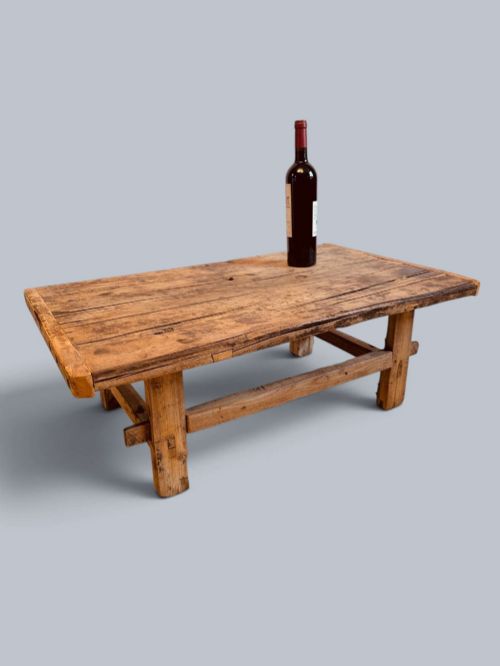
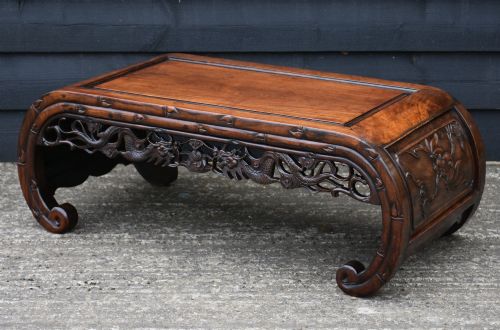
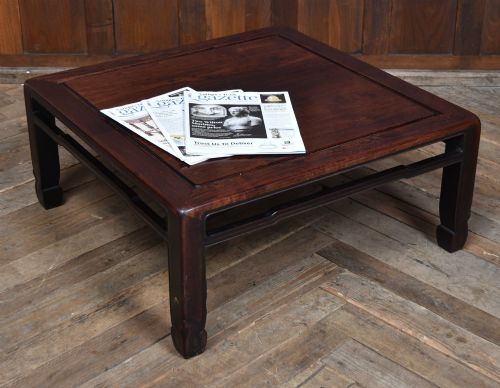
When searching for an antique chinese low table, you encounter low-set domestic surfaces rooted in Qing Dynasty traditions, including kang tables, opium tables, and plant stands adapted for modern coffee table use. These pieces typically sit low to the floor, reflecting traditional seating and living habits where furniture was scaled for mats or platform beds.
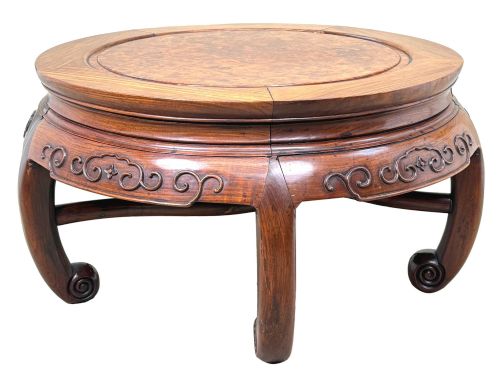
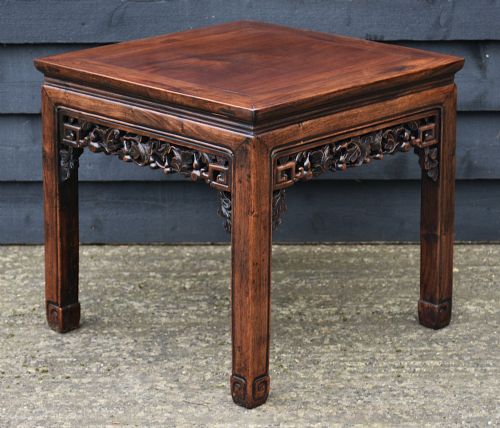
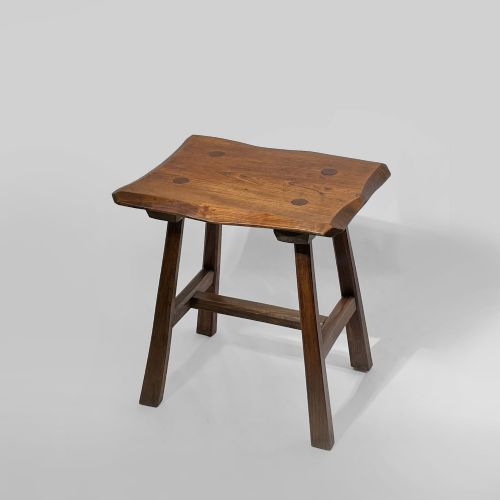
The selection ranges widely from compact square forms to elongated rectangular benches and round occasional pieces. Elm, rosewood, and various dense hardwoods dominate the offerings, often accompanied by inset marble or porcelain panels.
Most examples originate from the nineteenth century or around nineteen hundred, bearing regional craftsmanship that spans rustic elm joinery to highly carved rosewood and hongmu surfaces.
Materials and construction
Makers utilised dense native timbers such as elm, rosewood, padouk, and hongmu, selecting woods capable of supporting intricate joinery without metal fasteners. Frame and panel construction allowed timber to expand and contract naturally across seasonal shifts in humidity.
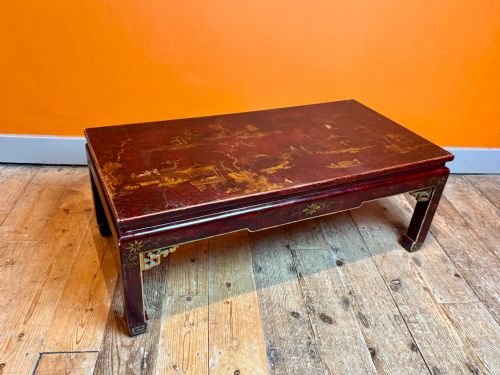
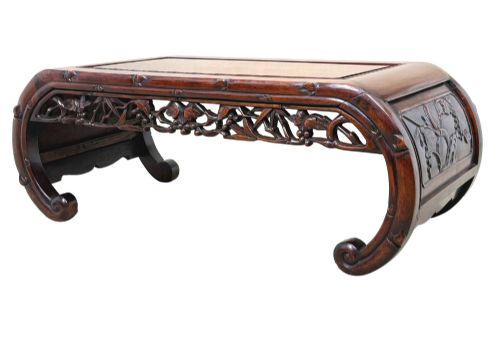
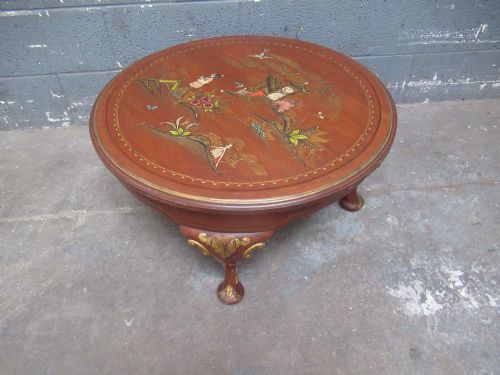
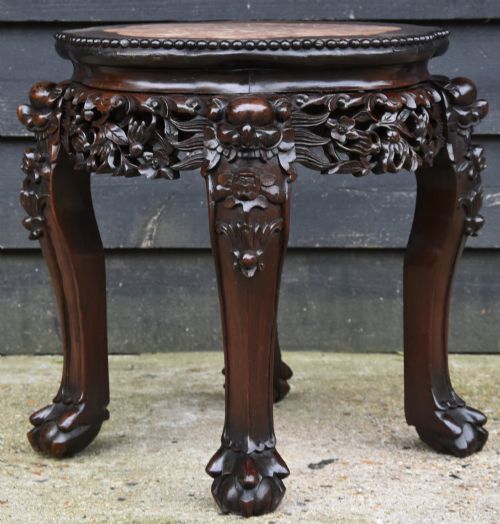
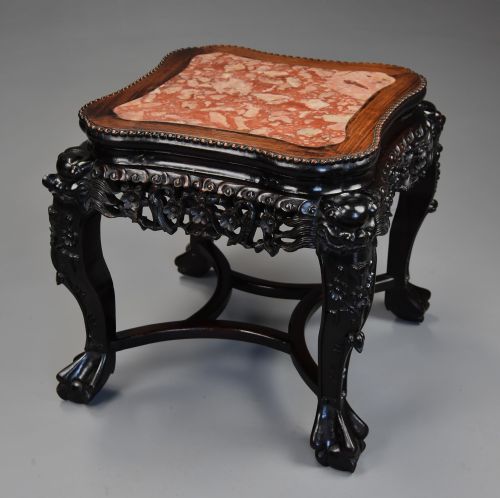
Surface decoration incorporated deep relief carving, scroll ends, and fretwork panels, alongside red or black lacquer finishes. Selected examples integrated inset materials directly into the wooden frame, notably variegated rouge marble or porcelain plaques.
Antique Chinese Low Table Retail Price Guide 2026
Typical asking prices for chinese low table among the pieces listed under this phrase on Sellingantiques today, from the lower quarter to the upper quarter. They describe what is for sale here now, not the wider market.
Tables recorded as low pot stands double nicely as miniature stages for heavy ceramic vessels.
Evaluating quality and construction
Quality rests upon the density and selection of the timber, alongside the crispness and depth of the hand-carved details. Dense hardwoods like rosewood and hongmu retain sharper carved lines and heavier structural integrity than softer woods.
The integrity of the traditional joinery dictates the structural longevity of the piece. Superior examples display tight, stable joints and well-fitted inset panels of marble or glass without wobble or excessive timber shrinkage.
The Antique Chinese Low Table Glossary
- Kang table
- A low platform table designed to sit on a heated brick bed or floor space for dining, writing, or resting. These pieces form the primary archetype for modern low coffee tables.
- Hongmu
- A translation meaning red wood, applied to dense, heavy tropical hardwoods prized for fine furniture. This material takes a deep polish and allows for sharp, durable carving.
- Opium table
- A common trade term for a small, low domestic table featuring short legs and recessed panels. They served various household functions rather than a single specific use.
- Jardiniere stand
- A tall or low decorative support intended to hold heavy ceramic plant pots or vases. They often feature inset marble tops to protect the wood from moisture.
- Padouk
- A heavy, durable tropical timber with reddish tones used extensively in traditional cabinet making. Its stability suits intricate surface carving and joinery.
Antique Chinese Low Table: Frequently Asked Questions
How were antique chinese low tables used?
These low surfaces functioned primarily on raised platforms or sleeping quarters for resting, writing, and serving tea. Households utilised them close to floor-level seating arrangements.
Today, they adapt readily as coffee tables placed before low modern sofas, or as display stands for lamps and plants.
What is a kang table?
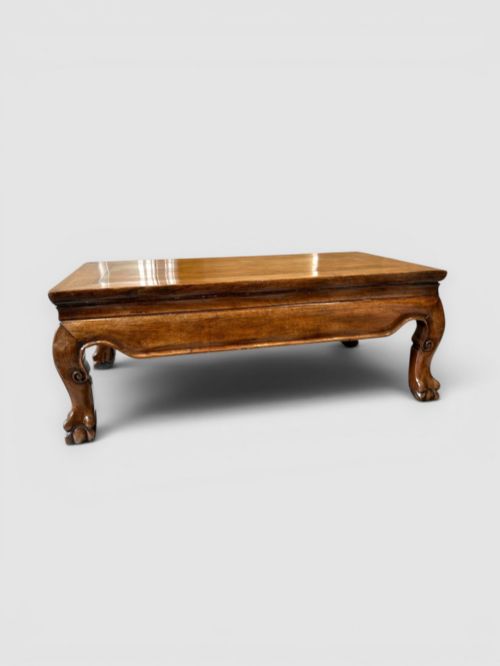
A kang table is a compact low furniture piece built originally for use on domestic heated platforms in northern homes. They often feature scroll ends or shaped aprons.
Their low elevation makes them well suited as centre tables in contemporary living spaces.
How do I identify elm versus rosewood?
Elm presents a visible, open grain pattern with rustic character and lighter golden-brown tones. It forms sturdy, everyday furniture.
Rosewood and hongmu display far greater density, heavier weight, and darker red or purple-brown hues capable of holding extremely fine carved details.
Can these tables support daily coffee table use?
Traditional joinery provides substantial structural strength despite the modest height of the legs. Hardwood and elm frames handle everyday domestic demands reliably.
Some examples incorporate protective glass tops or solid timber planks designed to withstand regular handling.