


Carved Wooden Accent Table
A carved wooden accent table brings warmth and intricate detail to a room, offering a practical surface shaped by historic woodworking traditions.
Carved Wooden Accent Table
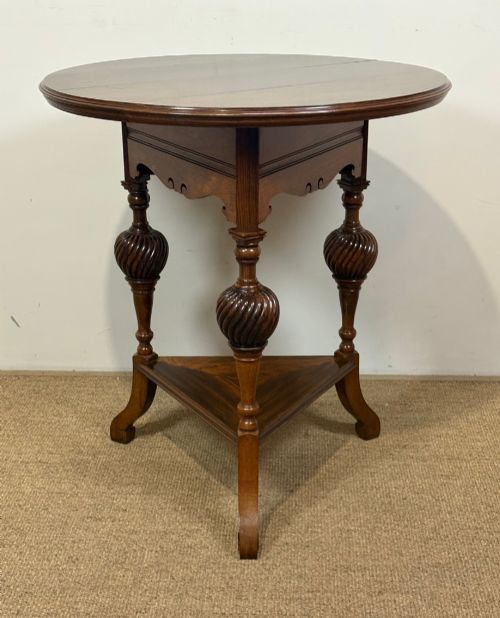
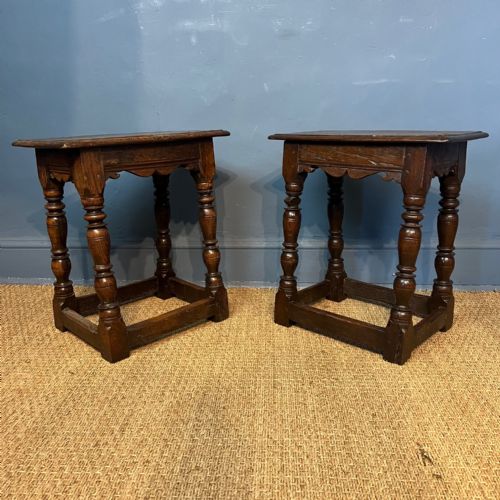
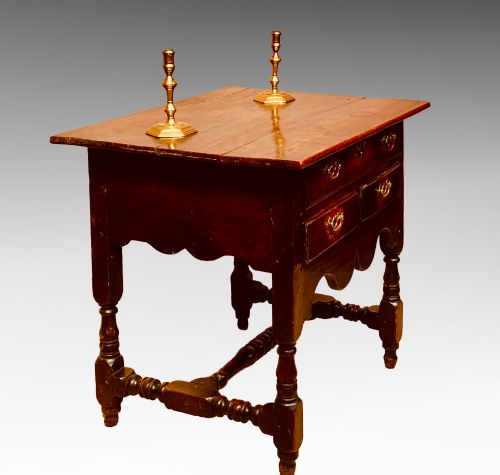
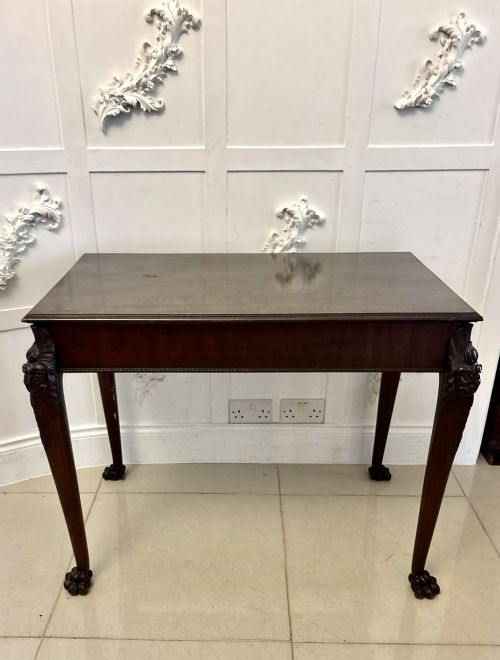
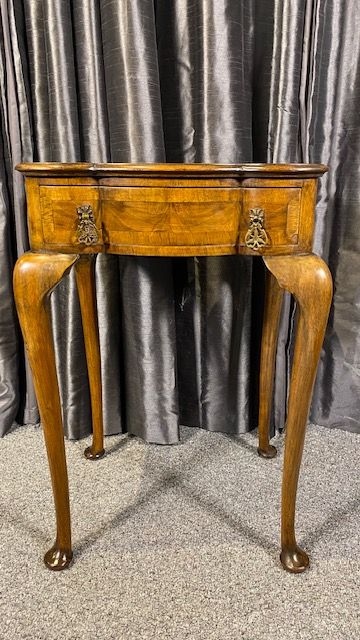
A carved wooden accent table encompasses small occasional furniture designed for practical placement beside seating or in hallways. These pieces emerge from periods spanning the seventeenth century through to the nineteen-thirties, reflecting diverse regional workshops and revival aesthetics. Buyers frequently encounter side tables, centre tables, and occasional tables shaped in walnut, oak, and mahogany.
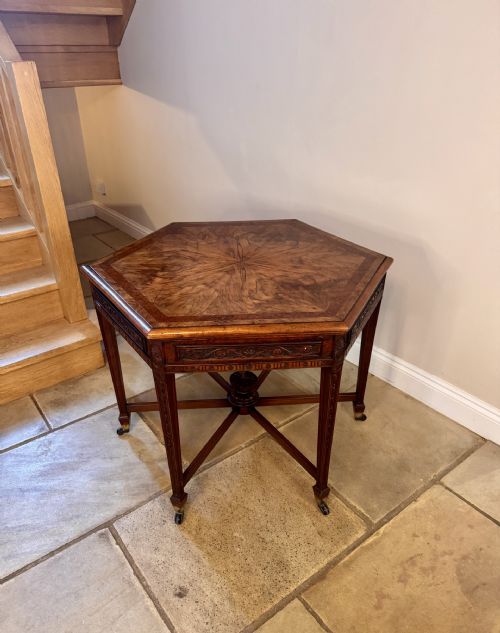
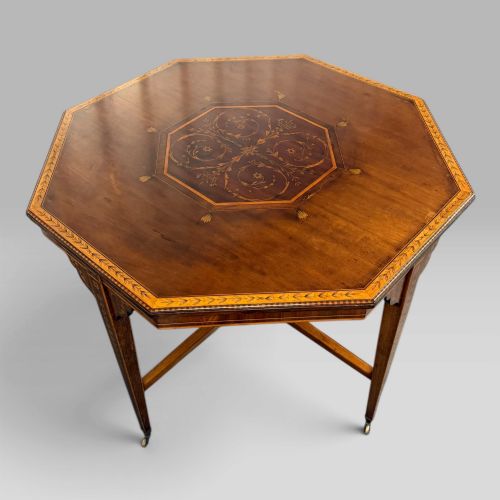
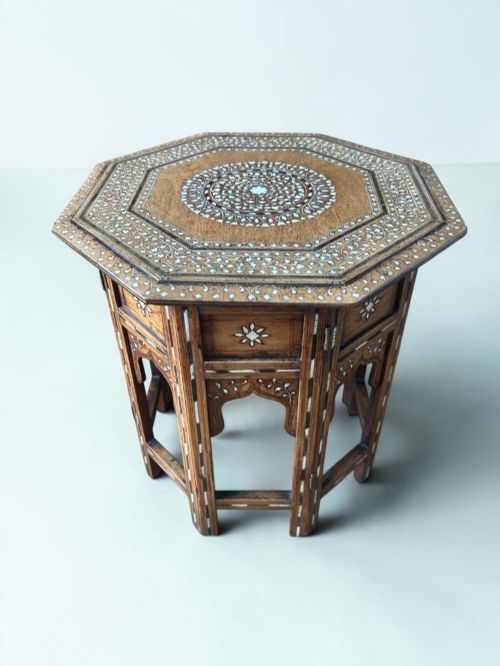
The selection includes specific forms such as octagonal tables, tripod cricket tables, and nests of tables alongside plant stands and stools. Regional variations introduce Anglo-Indian, Chinese Traditional, and Moorish styles alongside domestic Victorian and Edwardian iterations. This breadth allows an accent table to function as a compact focal point or a functional surface within a traditional or eclectic interior.
What varies in quality
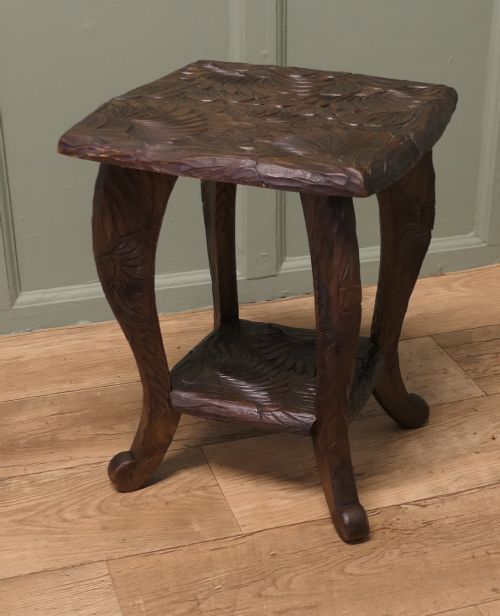
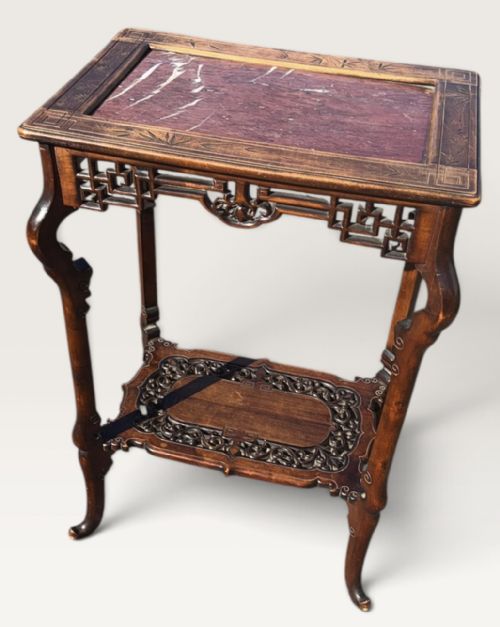
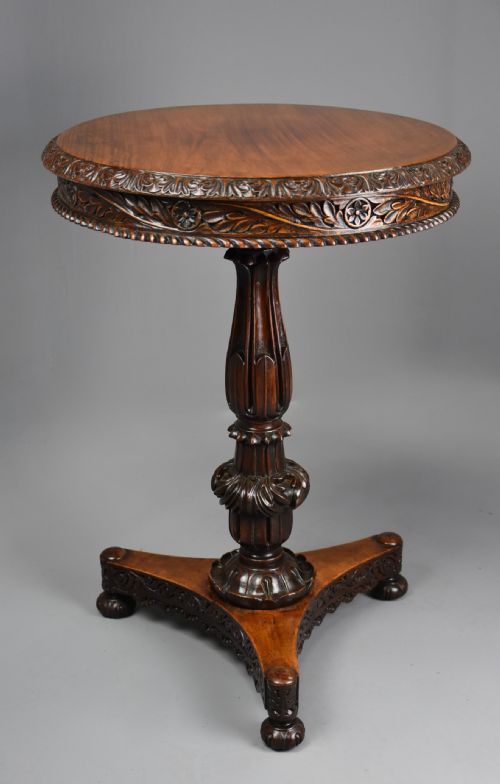
Depth and crispness of the carving distinguish standard production from superior examples, as seen in the sharp relief of Black Forest linden wood or Anglo-Indian hardwood pieces. The selection of timber grain, particularly figured burr walnut or dense rosewood, dictates visual impact.
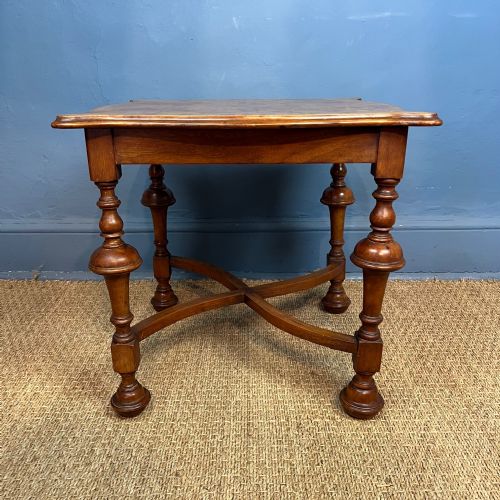
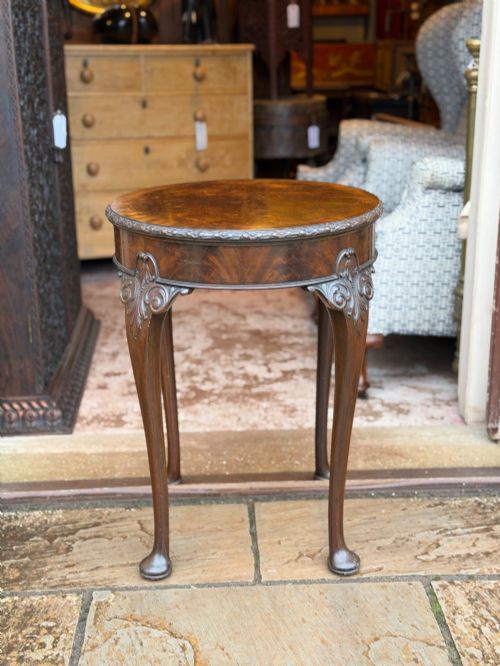
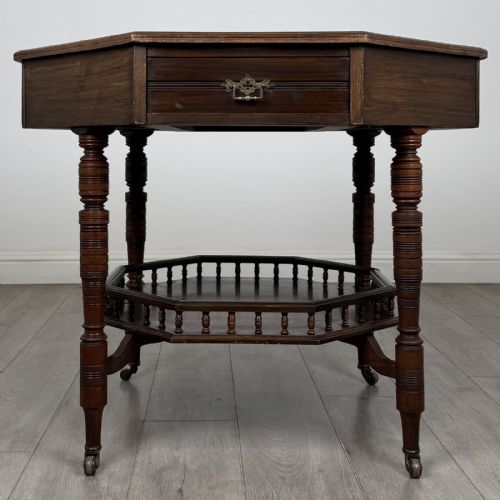
Structural integrity depends on stable joinery within pedestals and frames, ensuring that turned legs and tripod bases bear weight without wobble. Proportion and balance in smaller occasional forms indicate the maker's skill and adherence to period design standards.
Carved Wooden Accent Table Retail Price Guide 2026
Typical asking prices for carved wooden accent table among the pieces listed under this phrase on Sellingantiques today, from the lower quarter to the upper quarter. They describe what is for sale here now, not the wider market.
Some nineteenth-century tables arrive carved with industrious wooden elephants standing guard beneath the top.
Liberty and Co·Shapland and Petter
The Carved Wooden Accent Table Glossary
- Burr walnut
- A veneer taken from the warted growths on walnut trees, prized for its swirling, highly figured grain pattern.
- Chip carving
- A method of removing small chips from a wooden surface with knives and chisels to create geometric patterns.
- Cricket table
- A small, three-legged occasional table originating in Britain, traditionally designed with a round top and pegged joints.
- Barley twist
- A turned wooden column resembling a spiralling rope, popular in furniture supports during various revival periods.
- Hongmu
- A traditional Chinese term for dense hardwoods, often translated as red wood and frequently associated with rosewood furniture.
Carved Wooden Accent Table: Frequently Asked Questions
Where should I place a carved wooden accent table?
These compact tables suit living rooms as lamp or side surfaces, or entryways where an octagonal or tripod base fits limited floor space. Their detailed carving works best when positioned to catch ambient light.
Avoid placing them in direct sunlight or close to heat sources to protect historic timber finishes and prevent veneer separation.
How do I care for antique wooden tables?
Maintain the surface by dusting with a dry, soft cloth and applying a traditional beeswax polish sparingly to nourish the hardwood. Protect the timber from moisture rings by using coasters.
Avoid modern liquid silicone sprays, which can build up over time and dull the natural patina of walnut, oak, or mahogany.
How can I tell Victorian tables apart from Edwardian ones?
Victorian pieces often feature heavier proportions, dark ebonised finishes, or rich burr walnut veneers with elaborate, deep carving. Edwardian examples tend to display lighter construction, simpler oak frames, and restrained decorative motifs.
Reviewing the timber selection and joinery style helps confirm the manufacturing period of an occasional table.
What is an Anglo-Indian table?
An Anglo-Indian table is a piece made in India during the nineteenth century, often in regions like Hoshiarpur or Kashmir, specifically for export to British markets. They are characterised by dense, overall floral carving and sometimes incorporate brass wire inlay.
These tables frequently utilise exotic hardwoods and feature folding or octagonal tops designed for ease of transport.