




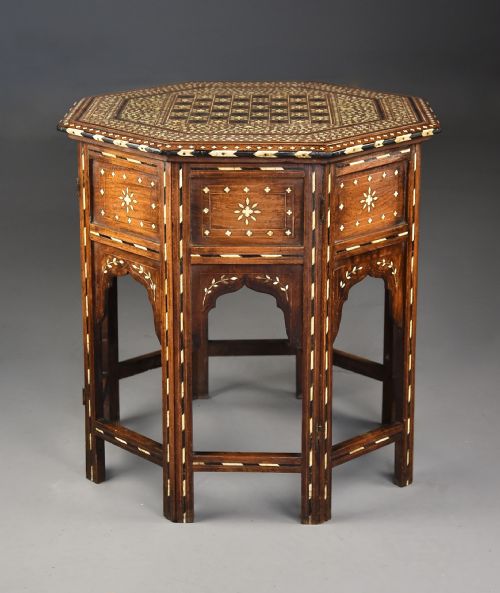
Victorian Colonial Side Table
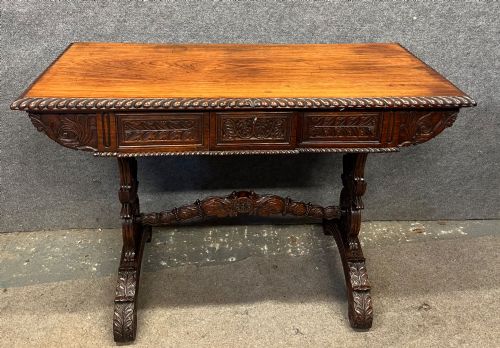
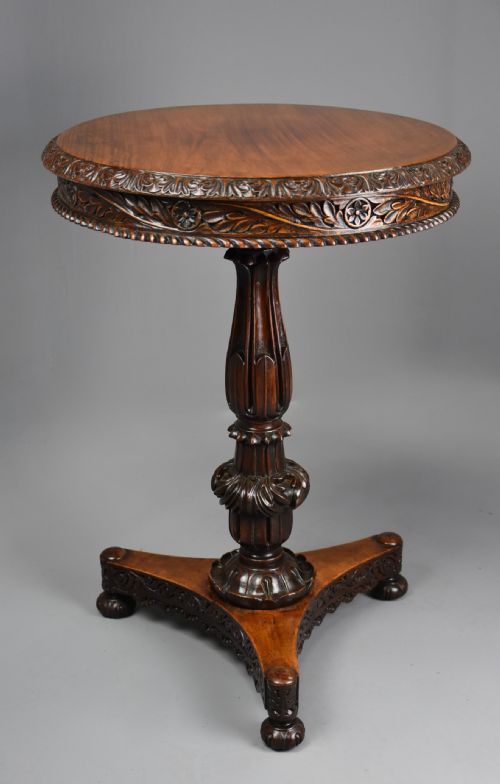
A victorian colonial side table brings dense timbers and intricate carving together into a sturdy surface for a modern room.
Victorian Colonial Side Table
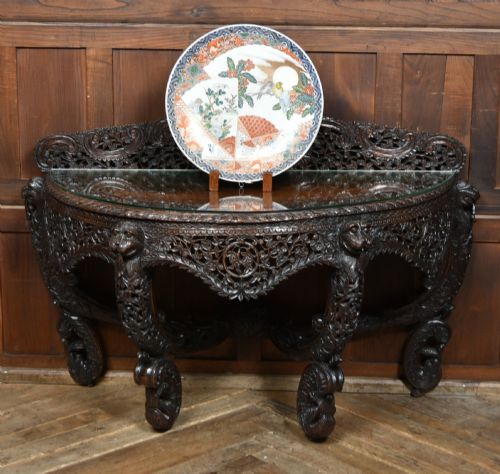
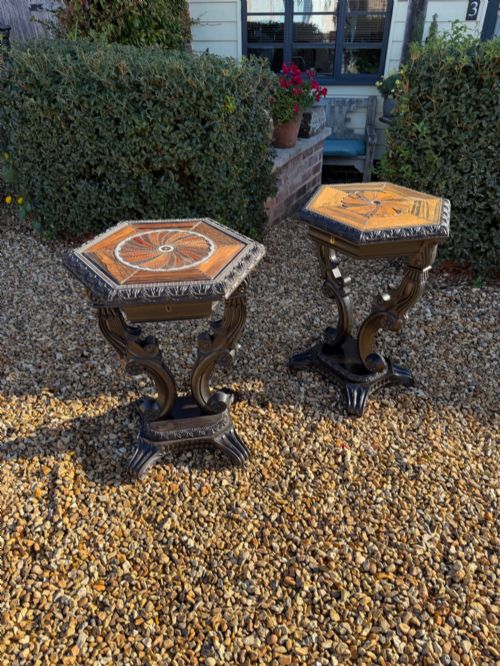
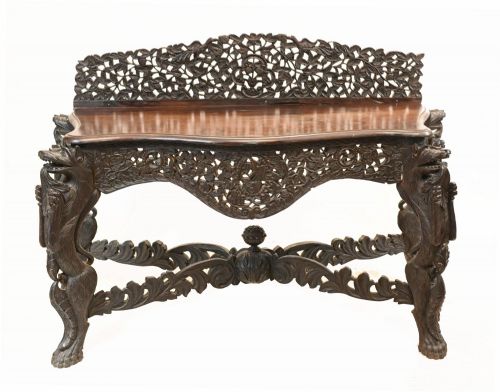
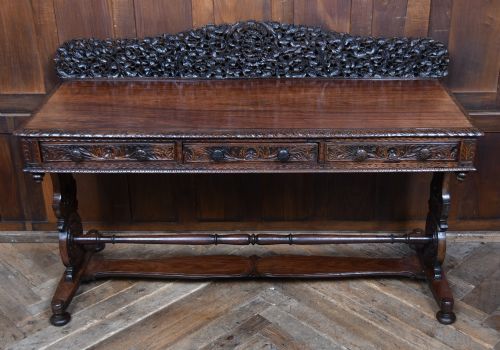
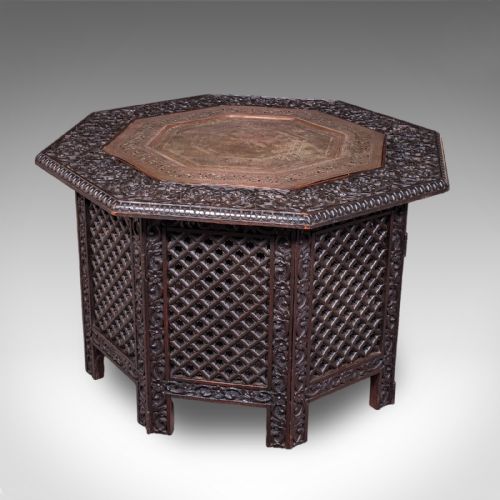
A buyer examining a victorian colonial side table encounters forms ranging from octagonal occasional tables and chess tops to substantial buffets and console tables. These pieces emerge from regions under British administration during the nineteenth century, including various parts of India, Burma, Ceylon, and New Zealand. The aesthetic blends European furniture shapes with local craftsmanship, creating distinct regional variants.
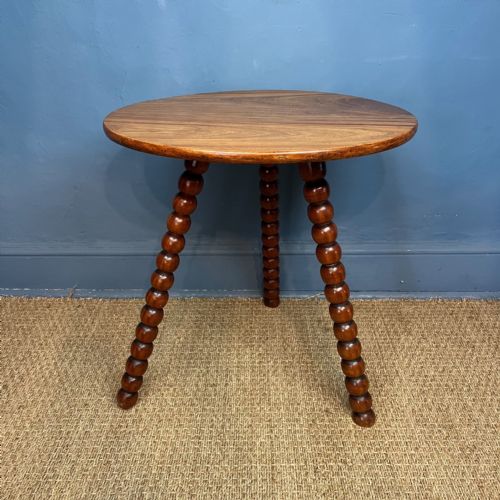
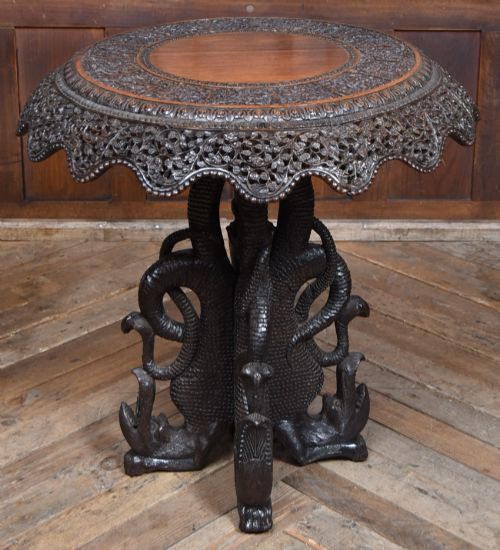
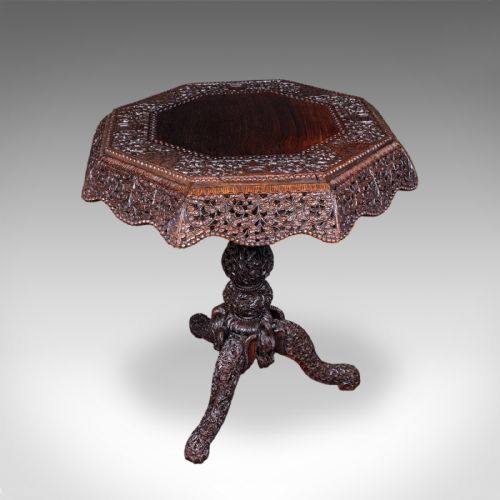
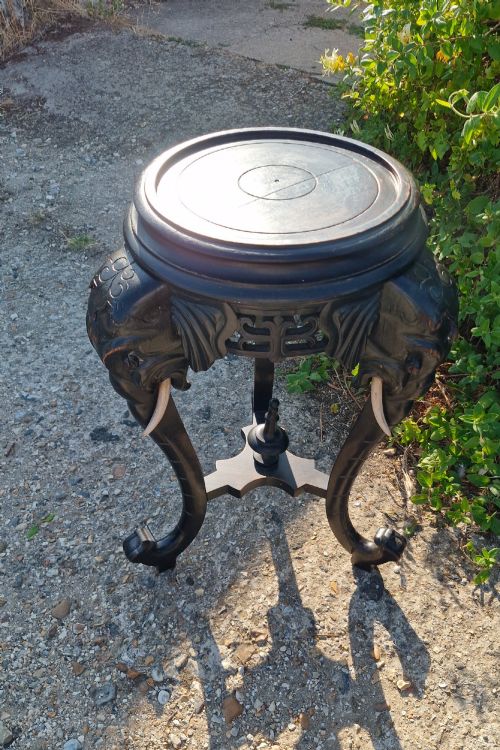
Octagonal and circular occasional tables dominate the selection, often supported by carved figural elements such as elephants or intricate pedestals. Console tables and tiered buffets also appear frequently, utilising solid tropical timbers designed to withstand warm climates. The origins span Anglo-Indian, Anglo-Burmese, and colonial specimen wood traditions.
Materials and Construction
The construction relies heavily on dense tropical hardwoods such as teak, padauk, rosewood, and ebony, selected for their stability and weight. Cabinetmakers shaped these timbers using deep relief carving, piercing, and turning techniques to create elaborate floral, leaf, and animal motifs.
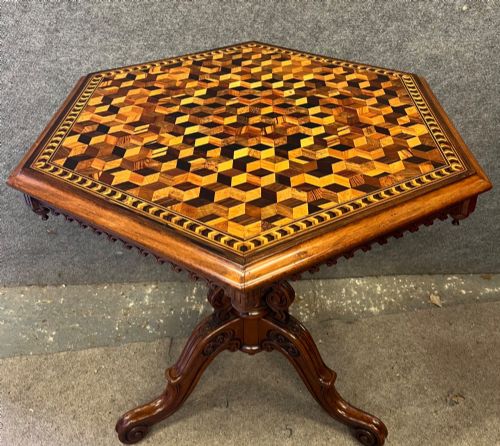
Inlay work forms a significant part of the manufacturing process, incorporating brass, bone, copper, and mother-of-pearl into the wooden surfaces. Specimen wood examples assemble numerous small geometric sections of contrasting timbers to produce detailed marquetry patterns across the top.
Victorian Colonial Side Table Retail Price Guide 2026
Typical asking prices for victorian colonial side table among the pieces listed under this phrase on Sellingantiques today, from the lower quarter to the upper quarter. They describe what is for sale here now, not the wider market.
Listings demonstrate a strong presence of padauk, teak, and rosewood, alongside decorative brass, bone, and mother-of-pearl inlay work.
Assessing the Standard
Quality rests upon the crispness of the hand carving and the precision of the joinery within the structure. Superior examples display deep, sharp undercut details in foliage and figures, whereas lesser pieces show softer, shallower incisions with mechanical uniformity.
The selection of materials and the complexity of the inlay determine the tier of the piece. Tables featuring intricate bone or brass wire work combined with dense padauk or rosewood represent the upper echelon of colonial production.
Anton Seuffert
The Victorian Colonial Side Table Glossary
- Anglo-Indian
- Furniture made in India during the British period, combining British furniture forms with local carving traditions. This style frequently employs regional timbers and dense floral ornamentation.
- Padauk
- A heavy, durable reddish-brown tropical timber favoured by nineteenth-century colonial cabinetmakers. It darkens with age and accepts intricate hand carving exceptionally well.
- Specimen wood
- Furniture constructed from a multitude of different native and exotic timbers arranged to show natural colour variations. These pieces often form geometric marquetry patterns.
- Teak
- A dense, oily hardwood native to South and Southeast Asia utilised for its resistance to warping and insect damage. It provides a stable structural foundation for carved occasional tables.
- Tilt top
- A mechanism allowing the tabletop to pivot to a vertical position when not in use. This feature appears on circular and occasional tables from the period.
Victorian Colonial Side Table: Frequently Asked Questions
What is a victorian colonial side table?
A victorian colonial side table is a nineteenth-century furniture piece created in British-administered territories like India and Burma using local hardwoods. These tables adapt European forms to incorporate traditional regional carving and inlay.
They serve as practical surface furniture while displaying distinctive craftsmanship that separates them from standard domestic British pieces of the same era.
How were these tables used originally?
Colonial households utilised these tables for serving tea, holding lamps, playing chess, or displaying decorative objects in drawing rooms and verandahs. Their sturdy construction suited the domestic requirements of expatriate families.
Today, they function well as accent pieces beside seating or as lamp tables in contemporary interiors.
How do I identify an elephant table?
Elephant tables feature carved wooden or painted tusks and figural supports representing elephants, commonly associated with the Bombay Presidency region. These tripod or pedestal bases uphold circular or octagonal tops.
The carving ranges from simple silhouettes to highly detailed figures adorned with traditional caparisons.
What is specimen wood marquetry?
Specimen wood marquetry involves assembling dozens of small geometric pieces of different coloured natural timbers to form a pictorial or decorative tabletop. New Zealand and West Indian makers specialised in this technique.
Each wood segment retains its natural hue without artificial staining, showcasing the botanical variety of the region.