

Cabriole Leg Occasional Table
A cabriole leg occasional table brings distinctive curves and functional surface space to a room, drawing on centuries of cabinet-making tradition.

Cabriole Leg Occasional Table
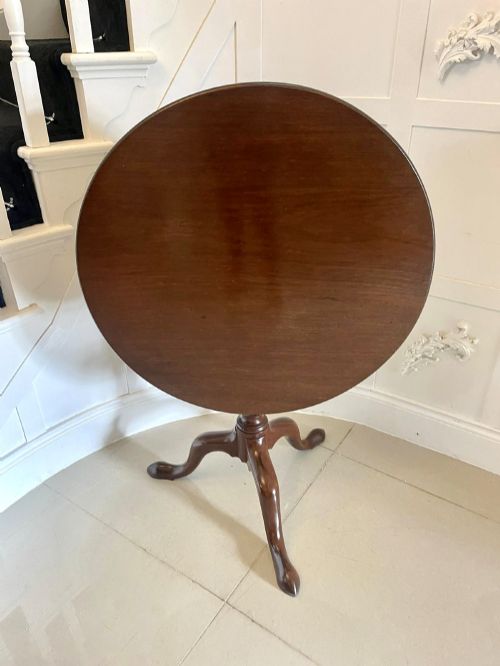
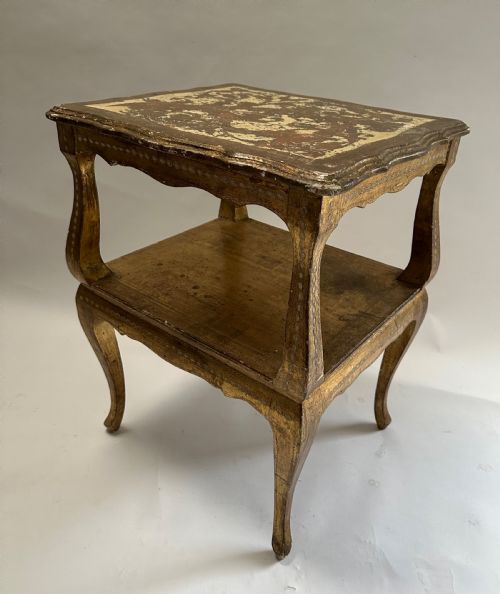
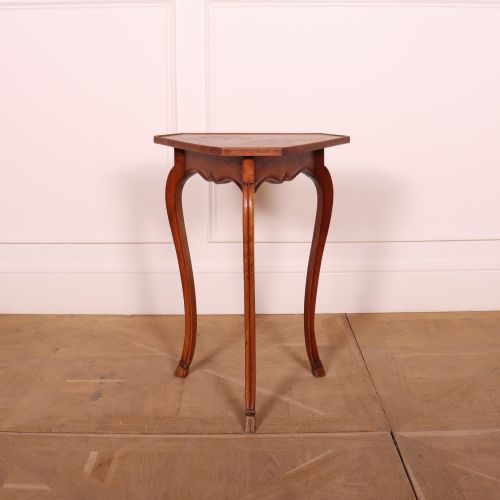
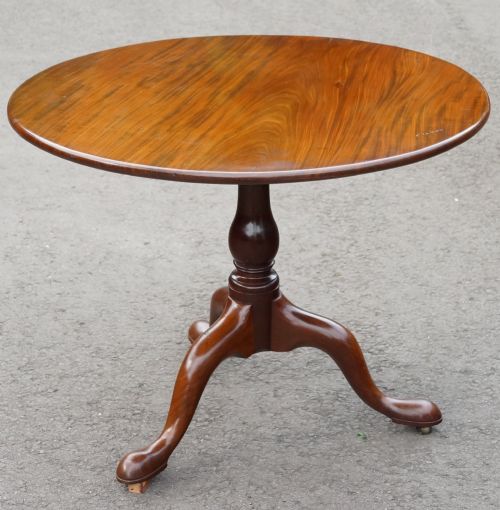
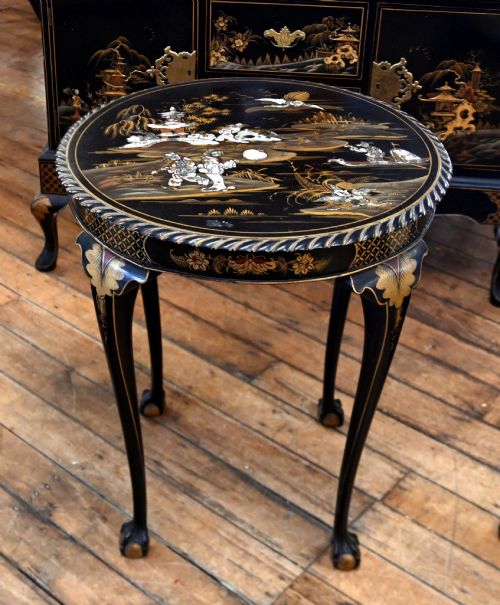
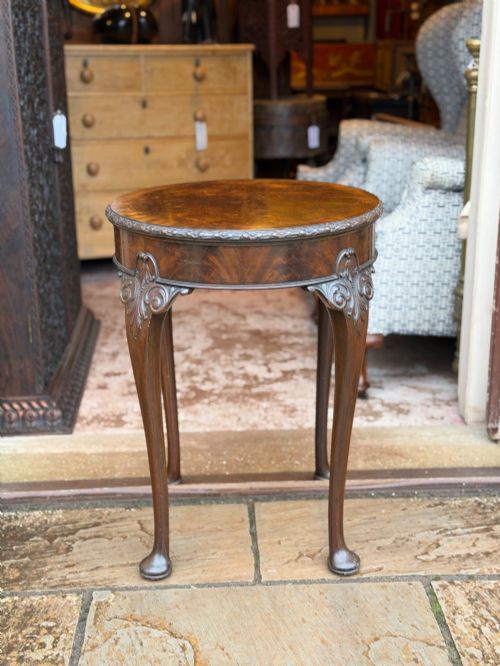
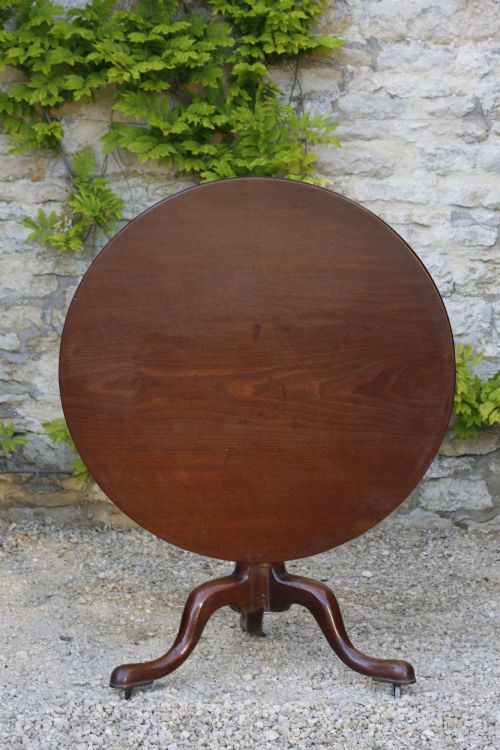
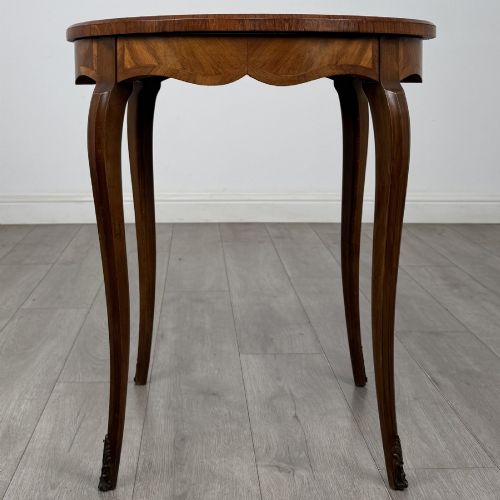
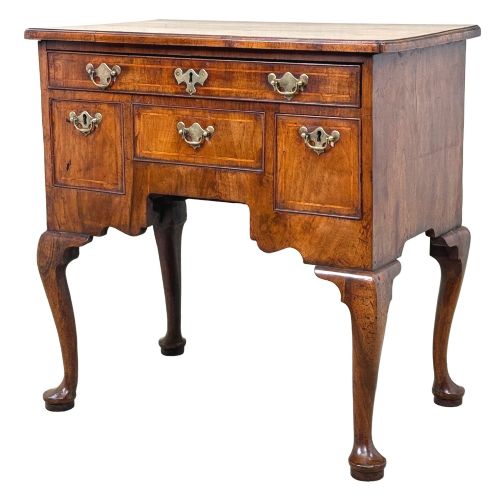
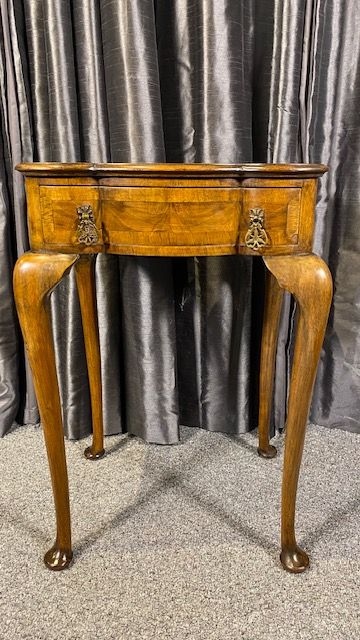
When you search for a cabriole leg occasional table, you encounter a diverse selection of small tables designed for specific domestic uses, ranging from intimate wine tables to larger centre and lamp tables. The pieces span multiple eras, with Georgian, Victorian, Edwardian, and twentieth-century examples appearing regularly.
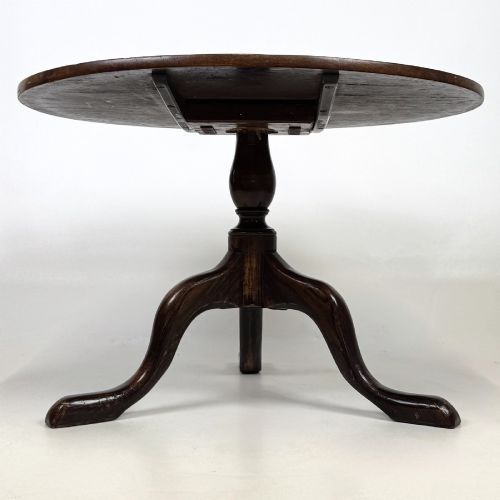
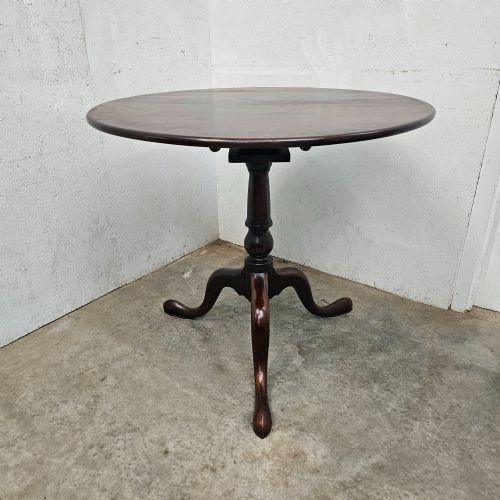
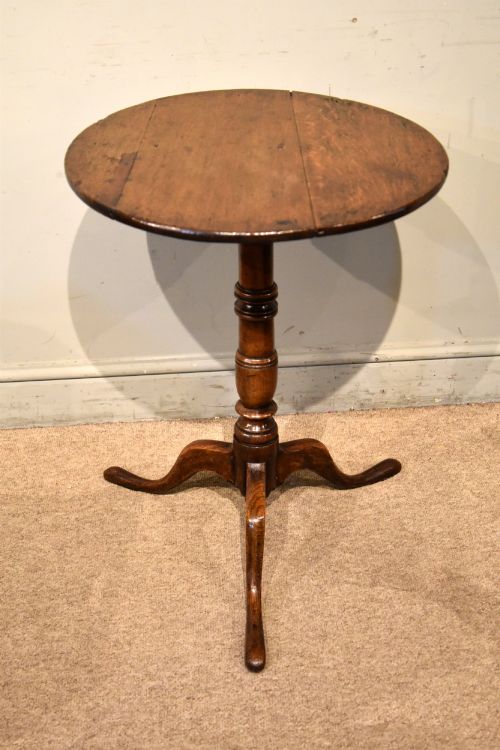
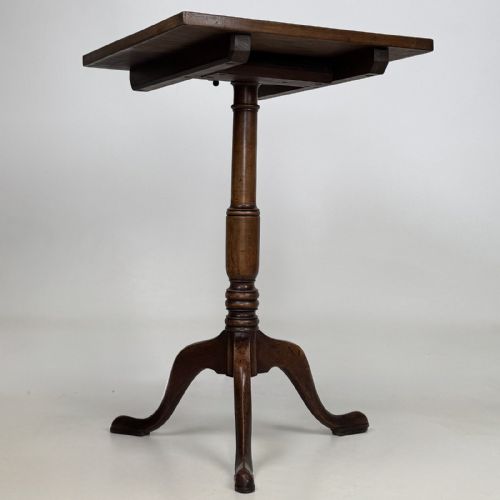
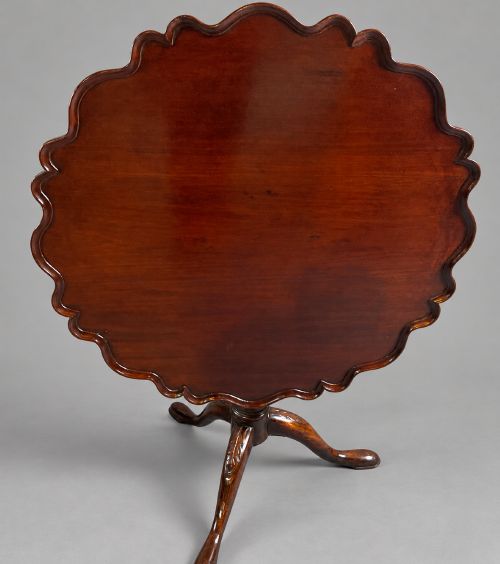
The primary forms include tripod wine tables, tilt-top variants, coffee tables, and freestanding centre tables. Mahogany, oak, and walnut form the structural backbone of these pieces, alongside French-influenced designs incorporating kingwood and rosewood.
Georgian and eighteenth-century examples display restrained proportions in mahogany and oak, while Victorian and Edwardian iterations often embrace revival styles such as Louis XV and Chippendale. These tables served various functions in period homes, from holding tea to displaying decorative objects.
Materials and Construction
The construction relies heavily on timbers such as mahogany, walnut, oak, and kingwood, selected for grain figure and structural stability. Cabinet-makers shaped solid woods and applied fine veneers, sometimes embellishing surfaces with marquetry inlay.
Metal mounts in brass and ormolu frequently accent French-style pieces from the nineteenth century, paired with marble tops in certain centre tables. Tripod bases employ traditional joining techniques to secure the characteristic curved legs beneath central pillars.
Cabriole Leg Occasional Table Retail Price Guide 2026
Typical asking prices for cabriole leg occasional table among the pieces listed under this phrase on Sellingantiques today, from the lower quarter to the upper quarter. They describe what is for sale here now, not the wider market.
Listings feature woods including mahogany, walnut, oak, kingwood, and rosewood, spanning periods from the eighteenth century through the Edwardian era.
Assessing Quality
Quality rests in the crispness of the carving on the legs and knees, the selection of timber figures such as figured walnut or flame mahogany, and the precision of marquetry inlay. Superior examples demonstrate harmonious proportions and balanced execution across the entire frame.
Hardware and mounts also signal distinction, where finely chased ormolu or cast brass elements are fitted flush to the wood. Mechanisms on tilt-tops or adjustable tables operate smoothly and securely in higher-tier specimens.
Joseph-Emmanuel Zwiener
The Cabriole Leg Occasional Table Glossary
- Cabriole leg
- A furniture leg that curves out at the knee and tapers inward to an ankle, mimicking an animal's leaping leg. It gained widespread popularity during the eighteenth century.
- Tripod table
- A small occasional table supported by a central pillar resting on three legs. Many feature a tilting mechanism to save space when not in use.
- Ormolu
- Gilded bronze used for decorative mounts and accents on furniture, particularly French-influenced pieces of the nineteenth century. It provides a metallic contrast to dark woods like kingwood.
- Marquetry
- The art of applying pieces of veneer to a structure to form decorative patterns and pictures. It utilises various coloured woods to achieve pictorial depth.
- Tilt-top table
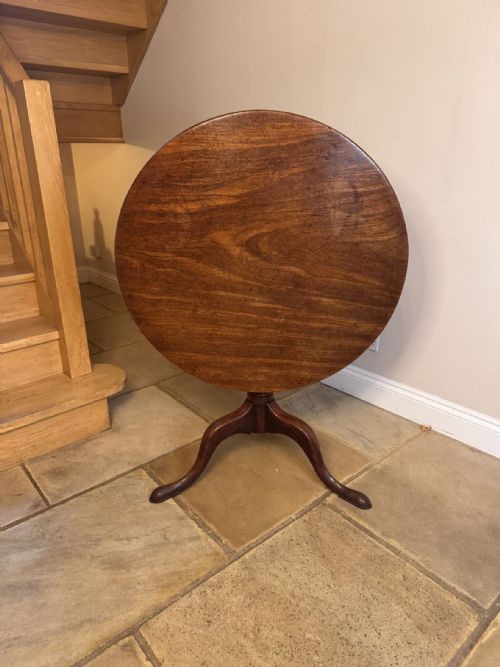
- A table with a hinged top that can be pivoted to a vertical position. This allows the piece to stand flat against a wall when not serving a practical function.
Cabriole Leg Occasional Table: Frequently Asked Questions
What is a cabriole leg occasional table?
A cabriole leg occasional table is a small movable piece of furniture supported by characteristic curved legs that swell outward at the knee and taper down to the foot. These tables include wine tables, lamp tables, and centre tables designed for flexible placement around a room.
They appear across various periods from the eighteenth century onwards, reflecting shifting domestic habits and decorative tastes. The form prioritises both decorative silhouette and practical surface area.
What was a wine table used for?
A wine table served as a small, portable stand placed near seating areas to hold glasses, bottles, or cups during social gatherings. Their compact size allowed servants to move them easily about the room as needed.
Many feature tripod bases and tipping tops so they could be stored compactly against a wall between uses. Their design balanced stability with ease of transport.
How do I care for a mahogany or walnut table?
Preserving antique wood involves keeping tables away from direct heat sources and strong sunlight, which can dry out timber and fade finishes. Regular dusting with a soft, dry cloth prevents particulate accumulation.
Applying a traditional beeswax polish periodically helps nourish the wood surface and maintain its sheen without building up heavy residues. Moisture should be wiped away immediately to prevent water marks.