

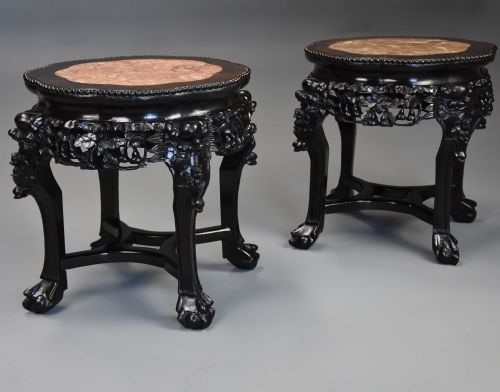
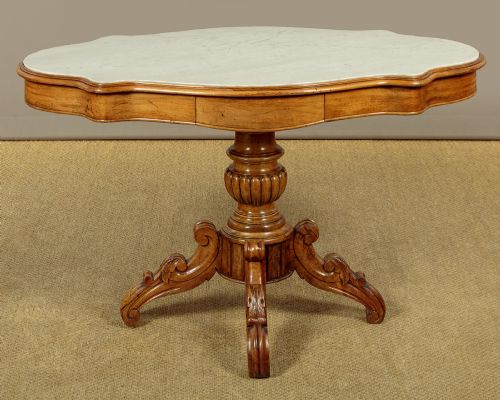
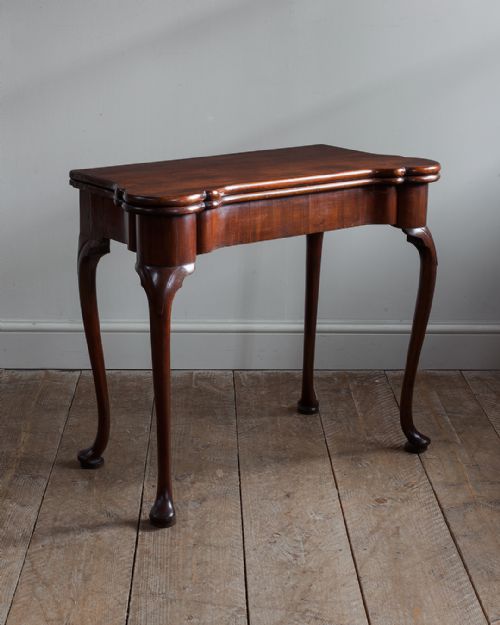


Shaped Top Side Table
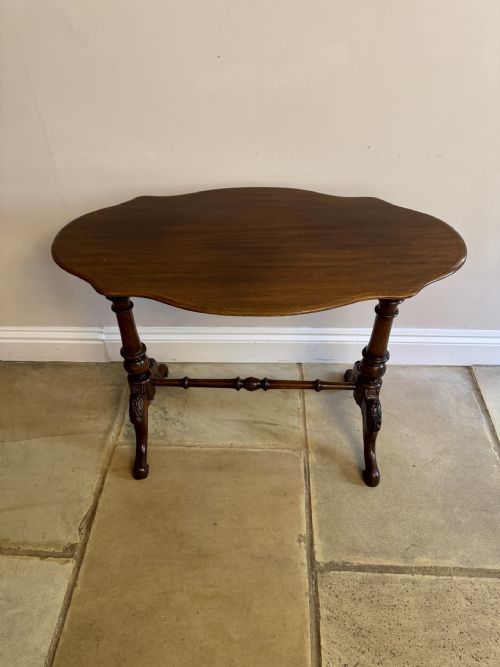
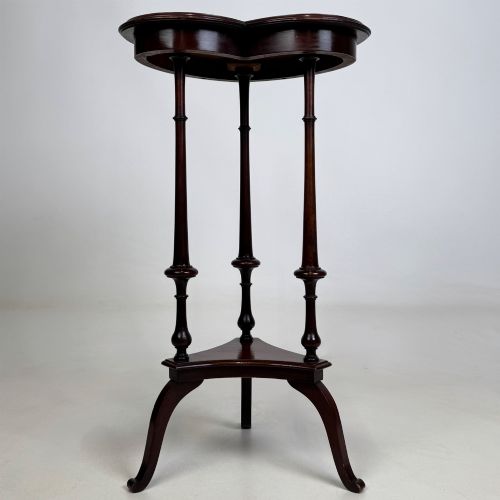
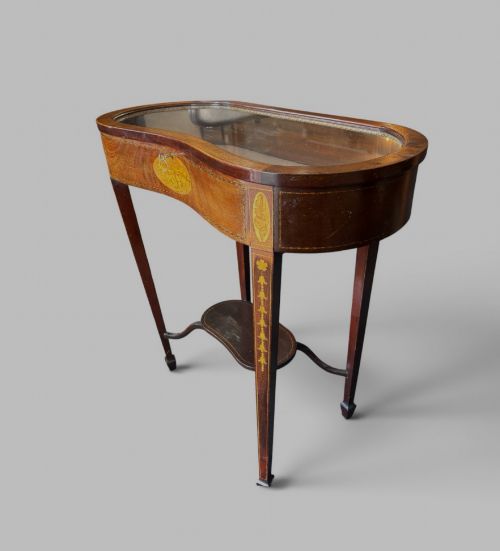
A shaped top side table brings elegance to a corner through a serpentine, kidney, or D-shaped outline.
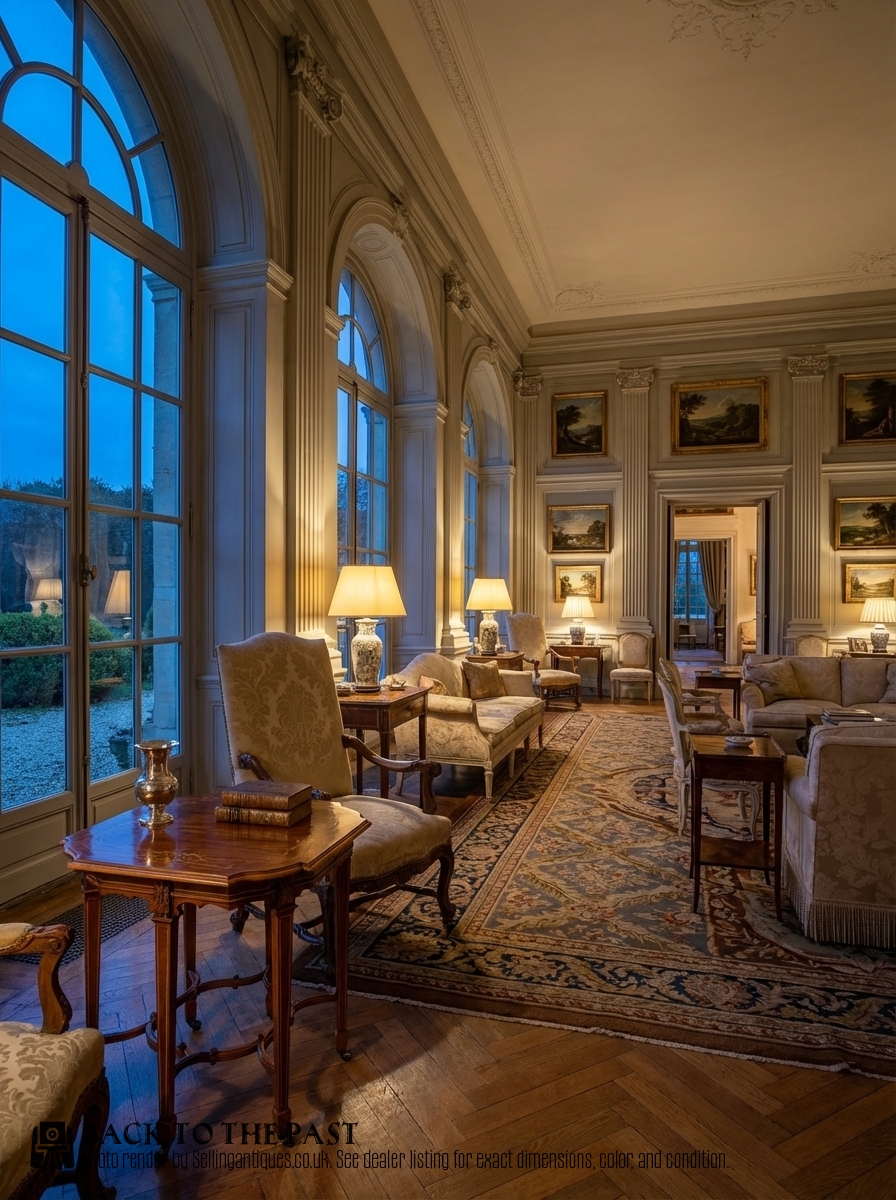
Shaped Top Side Table
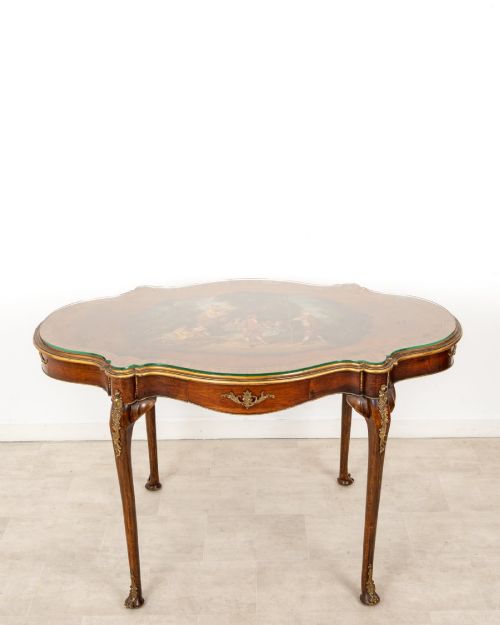
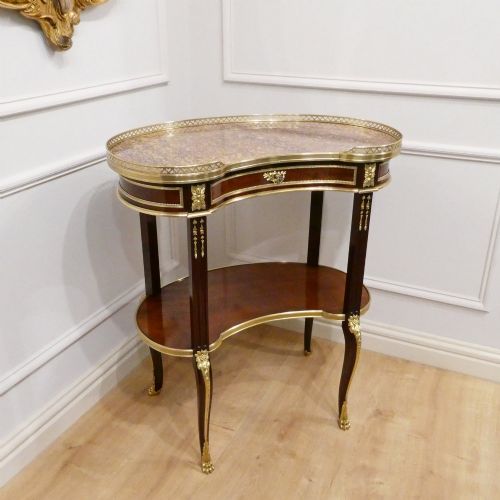
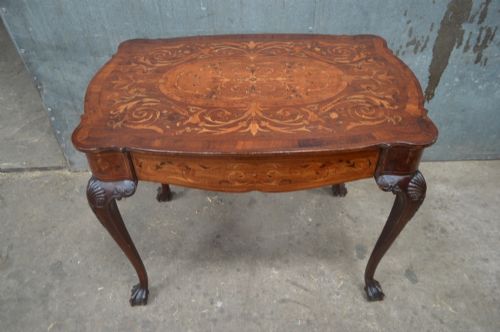
A shaped top side table encompasses occasional, lamp, and tea tables originating from Georgian, Victorian, and Edwardian periods. These tables range from British mahogany designs to French Louis XV revival pieces featuring elaborate marquetry.
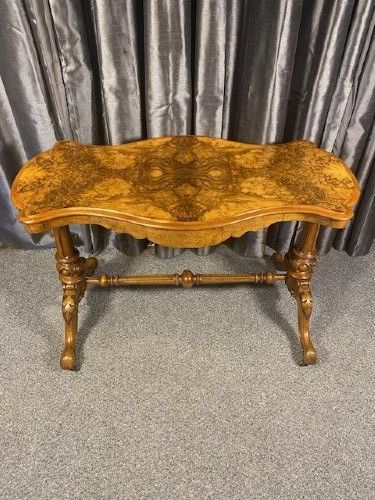
The version most commonly encountered on this page is the Victorian walnut lamp table or occasional table, often sporting a burr walnut veneer. Alongside these, Edwardian mahogany and satinwood inlaid pieces appear frequently.
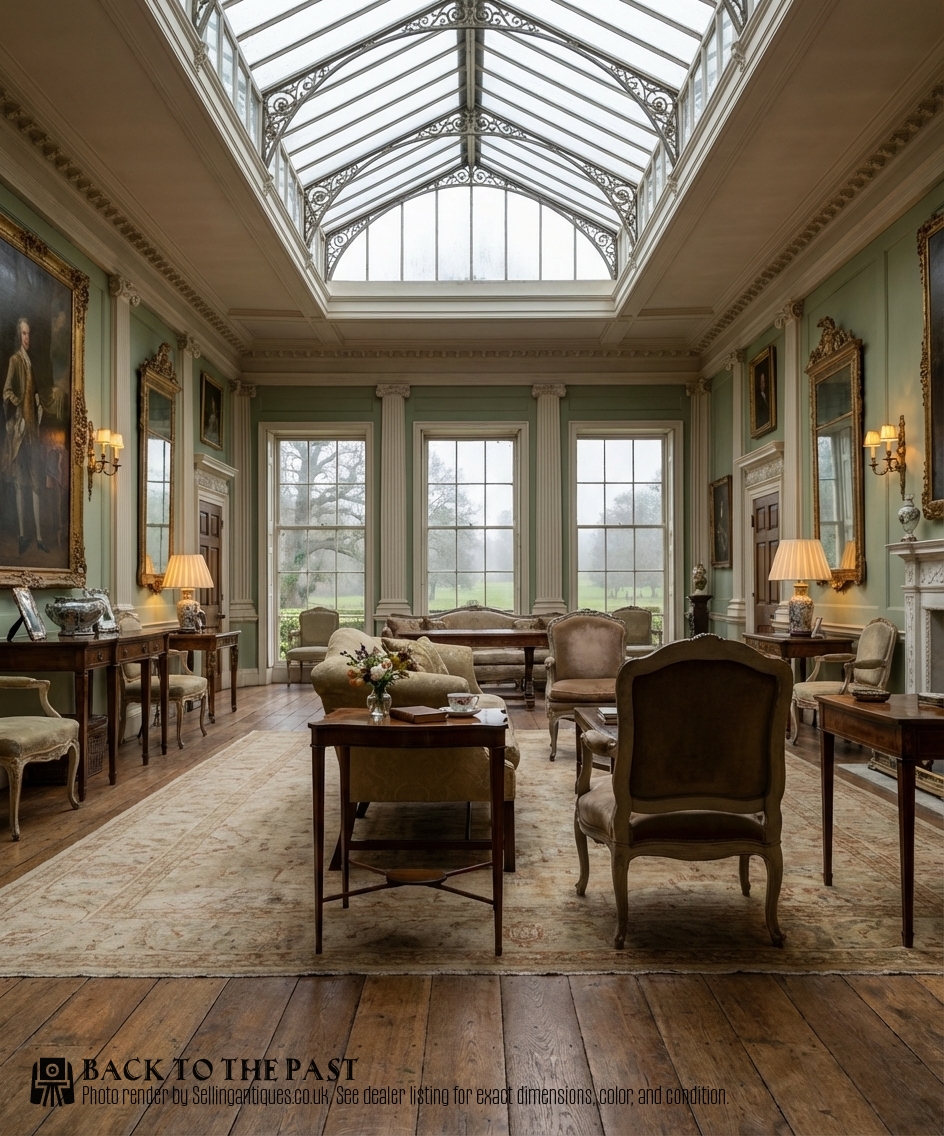
Judgement of Quality
Quality rests upon the crispness of the timber carving and the fidelity of the veneer matching across the curved top. Superior examples exhibit seamless integration between the shaped wooden framework and the structural legs.
The refinement of marquetry details and the weight of the applied brass, ormolu, or copper mounts distinguish standard production from exceptional workshop output.
Shaped Top Side Table Retail Price Guide 2026
Typical asking prices for shaped top side table among the pieces listed under this phrase on Sellingantiques today, from the lower quarter to the upper quarter. They describe what is for sale here now, not the wider market.
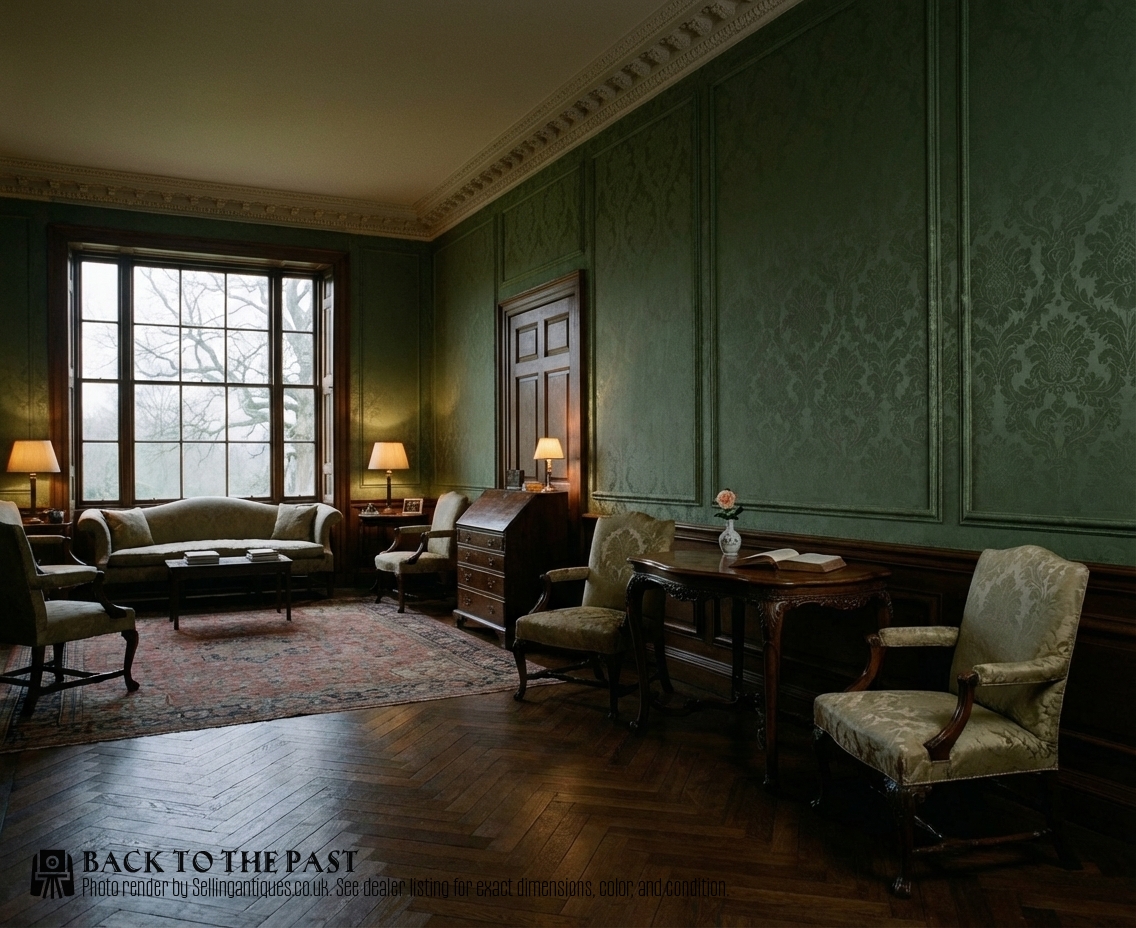
Maison Millet·F. Linke·William Trotter of Edinburgh
The Shaped Top Side Table Glossary
- Marquetry
- Decorative veneer work formed by fitting together small pieces of wood, ivory, or shell to create pictorial patterns. It adorns the tops of many tables from the eighteenth century onwards.
- Ormolu
- Gilt-bronze furnishings applied to furniture, popular in French revival and nineteenth-century pieces. It provides metallic contrast to dark woods like mahogany and walnut.
- Serpentine
- A furniture top or front line curving outward at the centre and inward at the sides, resembling a snake's movement. This profile requires precise woodworking skills.
- Burr walnut
- Timber taken from a growth or knot on a walnut tree, yielding highly figured grain patterns. Cabinetmakers prize this material for luxurious table tops.
- D-shaped
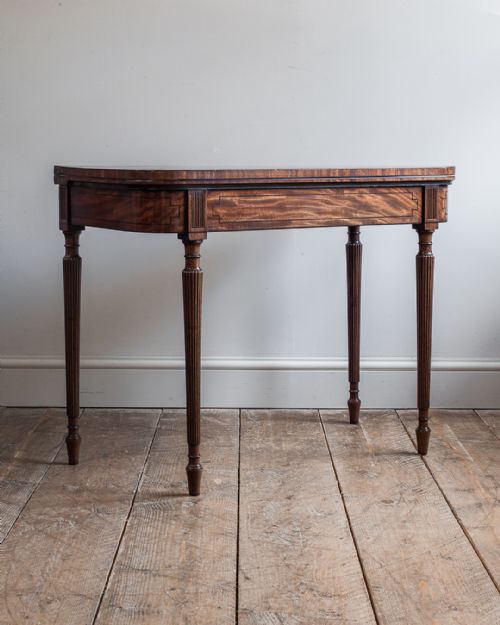
- A tabletop configuration flat on one side and curved in a semicircle on the other. This form commonly occurs on Georgian and Regency tea and card tables.
Shaped Top Side Table: Frequently Asked Questions
How do I place a shaped top side table?
These tables fit well against walls or beside seating where a straight edge proves too harsh. Their curved profiles soften room layouts.
Position them in hallways, parlours, or drawing rooms to display lamps, small sculptures, or decorative objects without blocking pathways.
What is a D-shaped tea table used for?
A D-shaped tea table functions as a console against a wall when folded shut. Opening the top reveals a larger surface for serving tea.
Georgian and Regency households utilised these versatile pieces in dining rooms and parlours during social gatherings.
How do I distinguish Victorian from Georgian examples?
Georgian tables tend to feature heavier structural proportions in solid mahogany with understated mouldings. Their card and tea tables often rely on clever folding mechanisms.
Victorian pieces frequently showcase decorative burr walnut veneers, inlaid satinwood, and elaborate turned or carved pedestals characteristic of later nineteenth-century tastes.
Are marble top side tables delicate?
Marble tops add considerable weight and stability to tables but require care against staining from liquids. The stone sits directly into the wooden frame.
Lift the marble insert carefully if dismantling the table for transport to avoid chipping the edges.