



Art Nouveau Side Table
An art nouveau side table brings organic lines and natural motifs into a room, offering a functional surface shaped by turn-of-the-century craftsmanship.
Art Nouveau Side Table
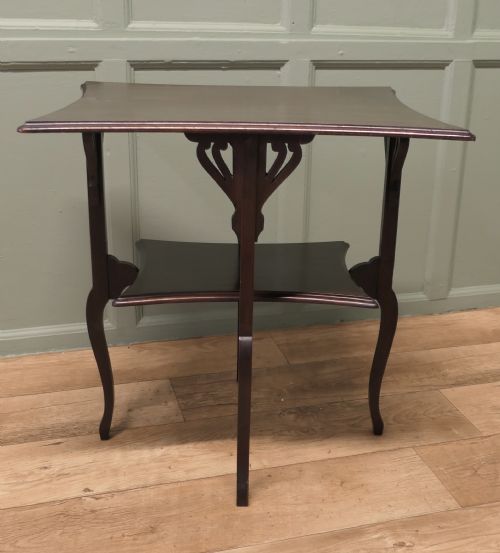
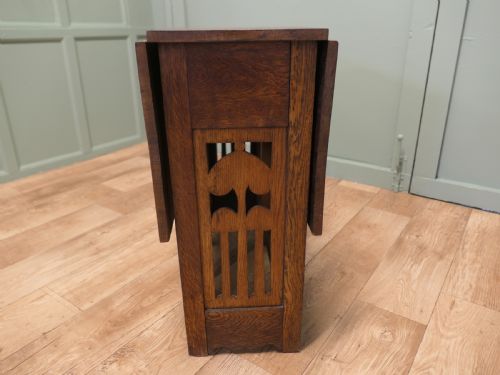
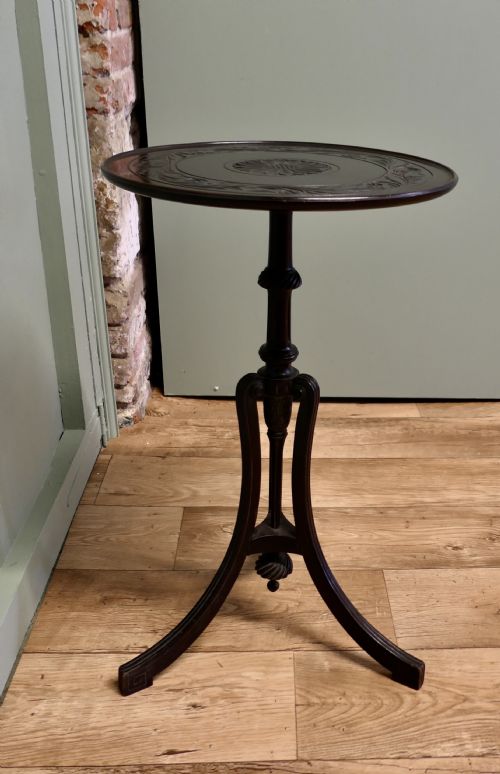
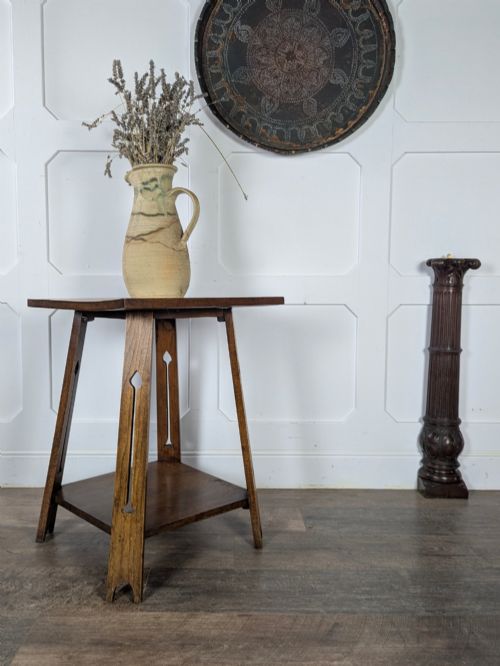
An art nouveau side table typically emerges from periods spanning the late nineteenth century into the early twentieth century, aligning with Edwardian and Arts and Crafts aesthetics. These occasional pieces take forms such as small lamp stands, two-tier display tables, nests of tables, and card tables designed for parlour use.
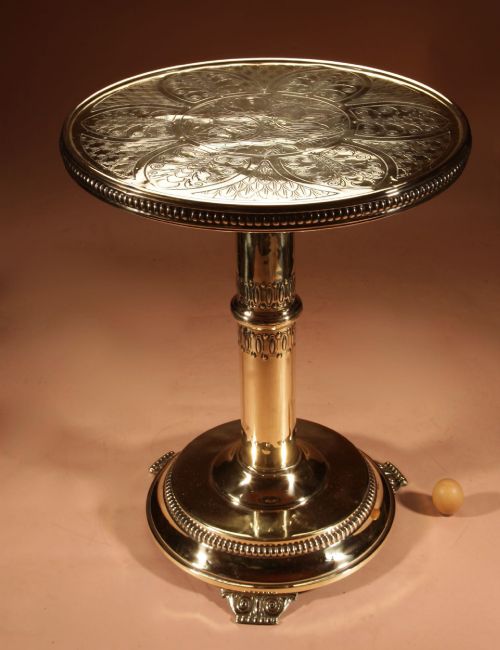
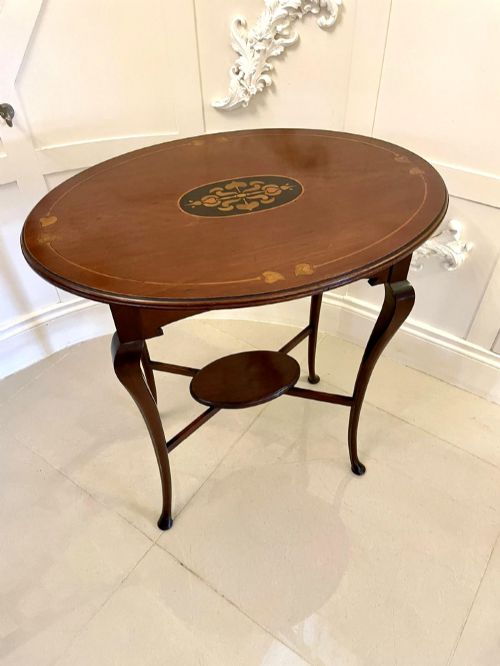
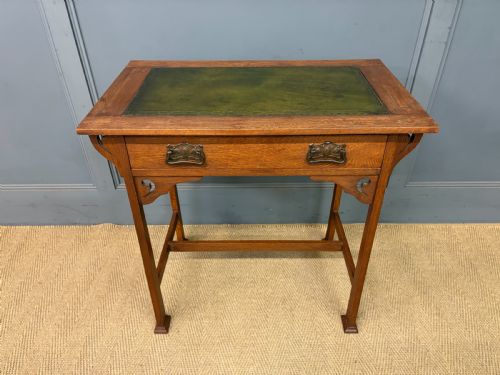
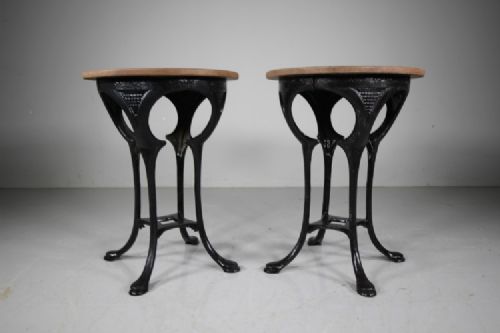
The pieces appearing here originate from British, French, and continental workshops, reflecting international variations in the style from Jugendstil to Amsterdam School. Buyers frequently encounter examples in mahogany, oak, and walnut, sometimes incorporating ceramic tiles, brass trays, or marble tops into the primary wooden structure.
Makers and retailers of the period, ranging from large department stores to individual designers, produced these tables to complement contemporary domestic interiors. The survival of original surfaces and specific hardware defines the character of the examples found on this page.
How they were made
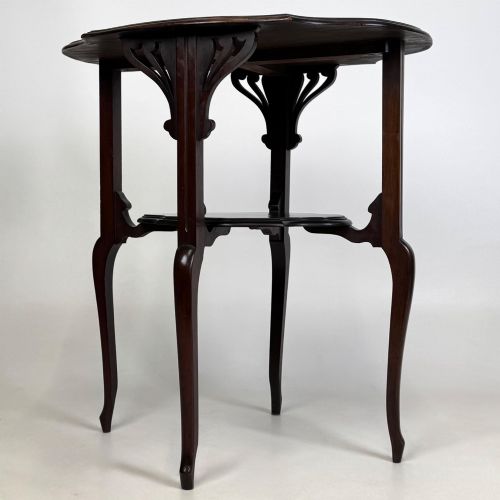
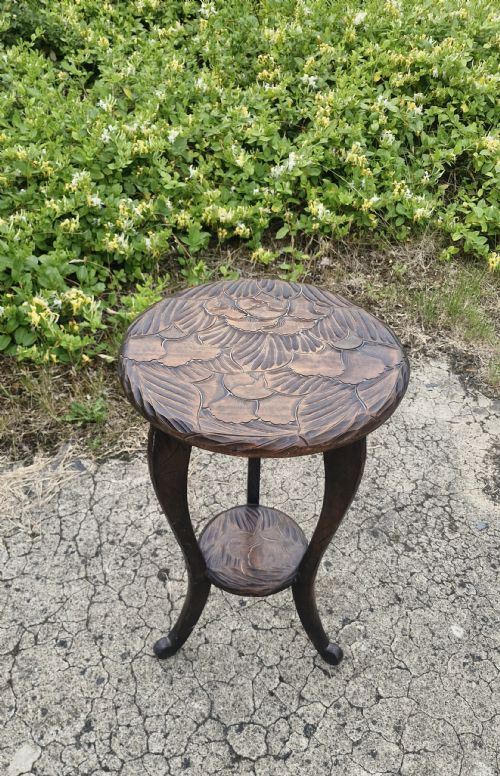
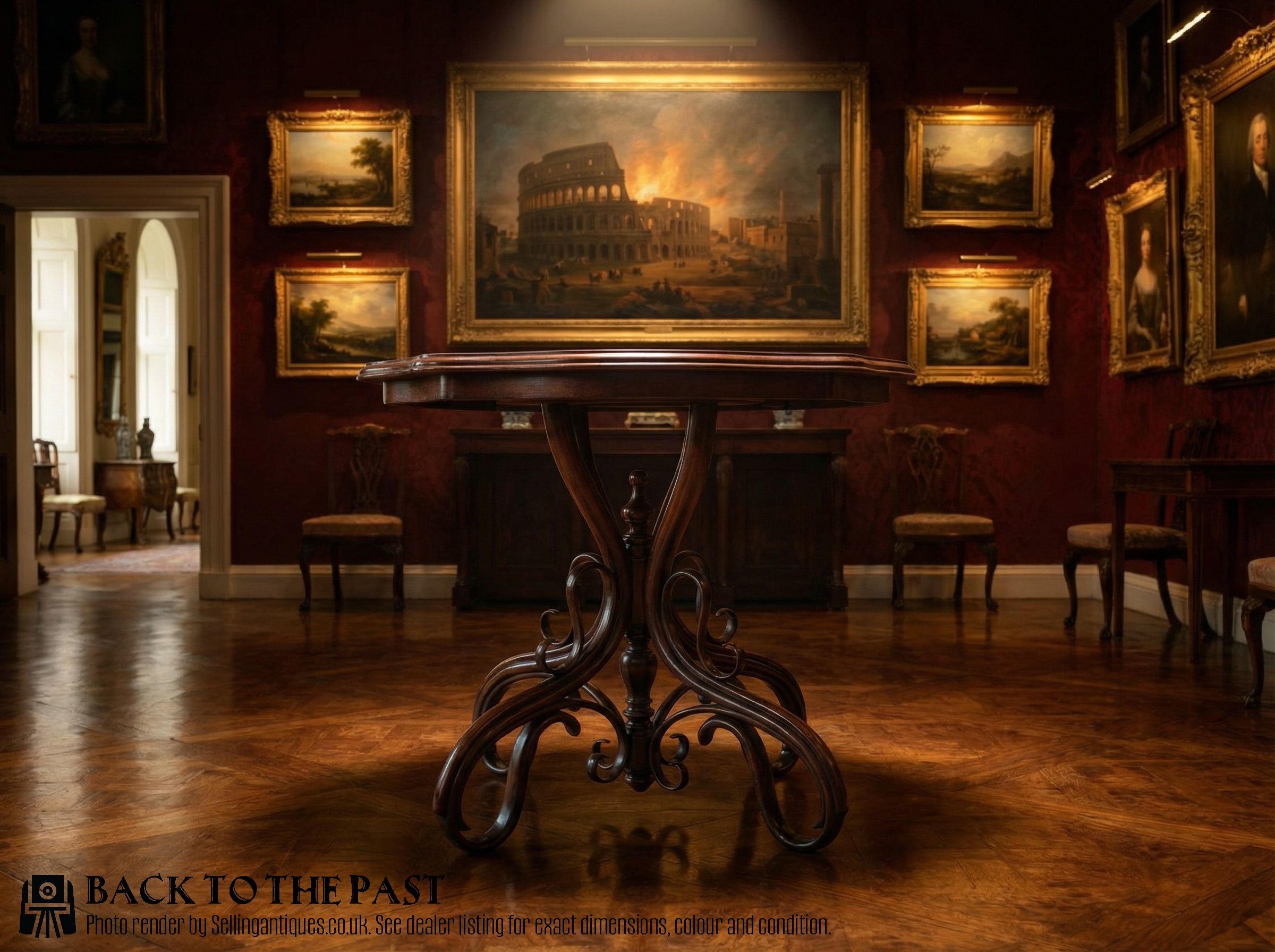
Cabinetmakers utilised hardwoods like mahogany, oak, walnut, and rosewood, employing traditional joinery alongside steam-bending to achieve characteristic whip-lash curves and asymmetric profiles. Carved floral motifs and botanical inlays required skilled hand-tooling rather than mass-production techniques.
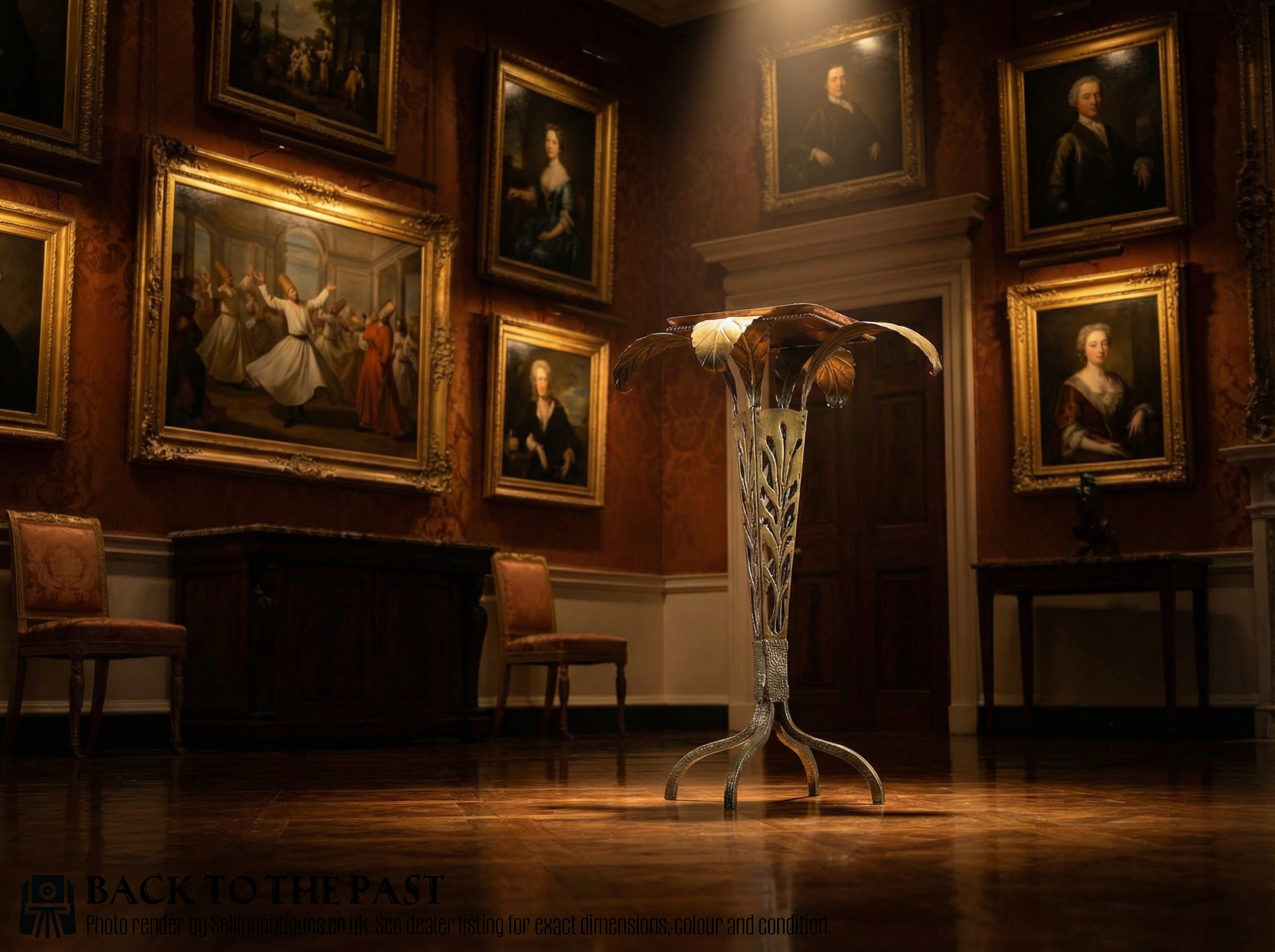
Metal components such as cast iron, brass, bronze, and copper were cast, hammered, or engraved to form mounts, tray tops, and structural supports. Inlays frequently combined contrasting timbers, mother-of-pearl, or ceramics, secured into wooden recesses with animal glues.
Art Nouveau Side Table Retail Price Guide 2026
Typical asking prices for art nouveau side table among the pieces listed under this phrase on Sellingantiques today, from the lower quarter to the upper quarter. They describe what is for sale here now, not the wider market.
Some tables double as plant stands, proving our botanical obsession predates houseplants by a century.
What varies in quality
The distinction between standard commercial production and exceptional studio work lies in the depth of hand-carving and the choice of timbers. Finer pieces display integrated structural elements where the curves of the legs flow naturally into the aprons and tabletop.
The integrity of secondary materials, such as undamaged art tiles, genuine marble inserts, and hand-engraved metal trays, elevates an example above simpler utility furniture. Retaining original patination on wood and metal surfaces preserves the visual cohesion intended by the maker.
Émile Gallé·Liberty and Co·Archibald Knox·Carlo Bugatti·Fischel
The Art Nouveau Side Table Glossary
- Jugendstil
- The German variant of the art nouveau movement, named after the Munich art periodical Jugend. It shares the characteristic emphasis on linear rhythm and natural forms.
- Amsterdam School
- An expressionist architectural and design movement active in the early twentieth century. Its furniture pieces often feature rounded brickwork patterns, expressive timber framing, and rich metal accents.
- Marquetry
- The art and craft of applying small pieces of veneer to a structure to form decorative patterns. Makers utilised varied wood species to create naturalistic floral scenes across tabletops.
- Ormolu
- Gilded bronze mounts applied to furniture edges and legs. This technique adds metallic contrast to wooden surfaces in French examples.
- Occasional table
- A small, movable table designed for a specific, intermittent domestic use such as holding a lamp or books. These forms dominate the available selection.
Art Nouveau Side Table: Frequently Asked Questions
How do I identify a genuine piece?
Look for construction methods appropriate to the turn of the twentieth century, including hand-cut dovetails, timber shrinkage, and appropriate hardware. Stylistic details like whiplash lines and organic carving provide further confirmation.
Examine the secondary woods and underneath the table for maker stamps or retail labels where present. The integration of materials like brass trays or ceramic tiles should appear intentional rather than later alterations.
Where were these tables placed?
These pieces served in drawing rooms, parlours, and hallways as decorative yet functional surfaces for lamps, plants, and calling cards. Smaller nests of tables allowed for flexible entertaining.
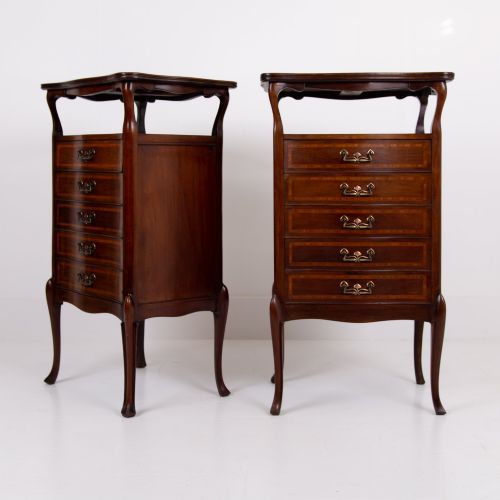
Bedside cabinets and plant stands fulfilled more specialised domestic roles in bedrooms and reception rooms. Their modest scale permitted easy movement around the home as household needs changed.
How do I care for wooden surfaces?
Maintain the timber by avoiding direct sunlight and excessive humidity, which can split old veneers and dry out natural finishes. Dust regularly with a dry cloth and apply occasional specialist wax.
Protect marble tops and ceramic tiles from staining by using coasters under liquids. Avoid modern silicone sprays that build up residue on historic wax or French polish.
What defines the continental style?
Continental examples, particularly from France and Germany, often feature bolder asymmetric carving and more pronounced plant motifs. The integration of bronze mounts and marble distinguishes them from simpler British pieces.
Workshops in these regions frequently embraced exotic timbers like coromandel and utilised specialised metalwork techniques. This created distinct regional variations within the broader movement.