





Asian Carved Coffee Table
An asian carved coffee table brings dense hardwoods, low proportions and intricate relief carving straight into a modern living room.

Asian Carved Coffee Table
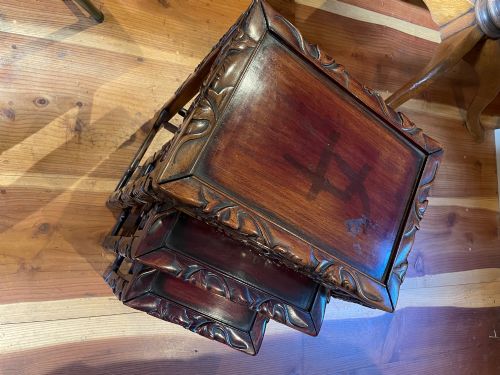
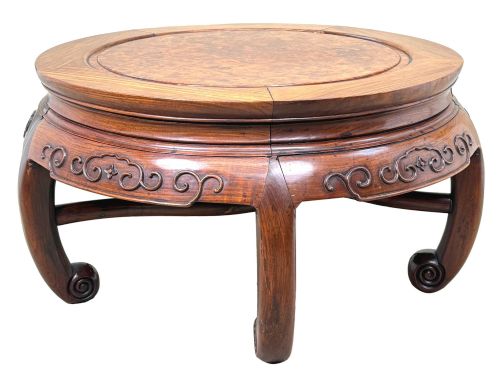
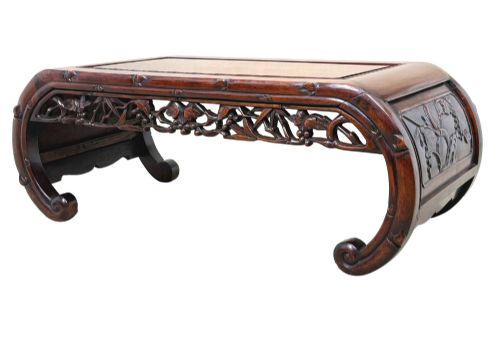
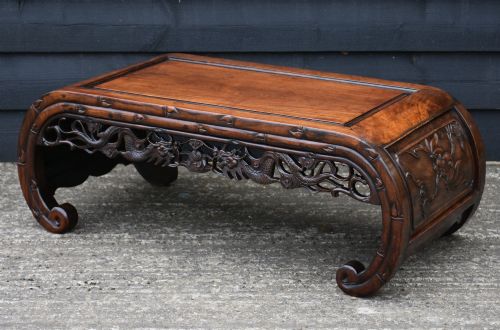
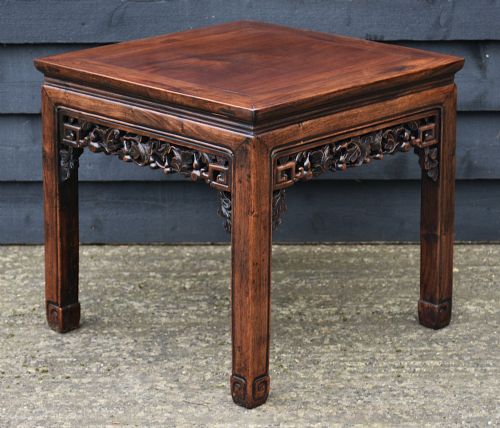
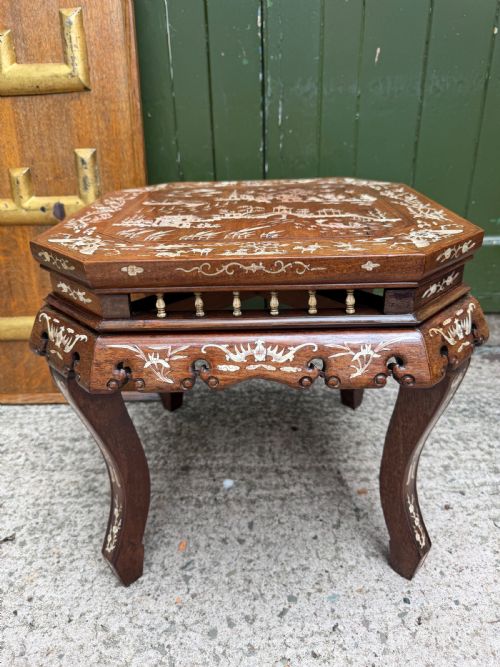
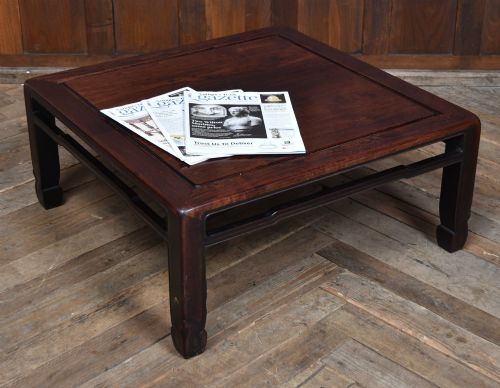
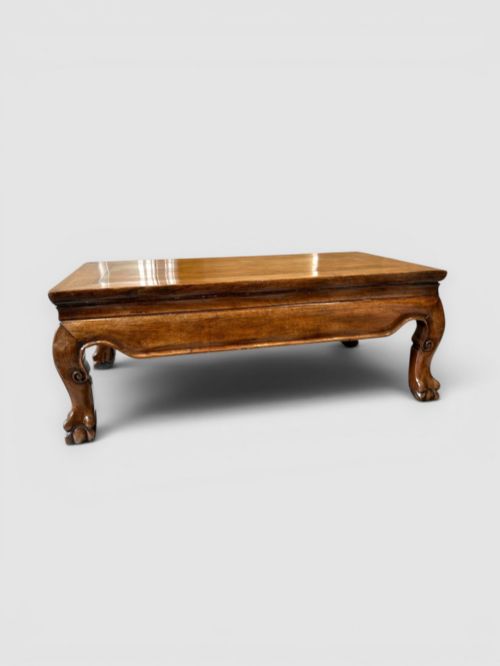
An asian carved coffee table encompasses low timber tables drawn from nineteenth- and early-twentieth-century traditions, including traditional opium tables, kang tables and nesting sets. The versions most commonly encountered on this page are low rectangular or square hardwood forms featuring carved panels, scroll ends or dragon motifs.
Makers utilised various traditional forms, ranging from single low coffee tables with recessed legs to nests of four tables and low occasional tables. These pieces originate primarily from Chinese export workshops and regional Asian traditions, translated into practical domestic furniture.
The materials span dense tropical hardwoods and indigenous timbers like elm, teak and lacquer, shaped to sit low to the floor in living spaces. Buyers find both rectangular coffee tables and multi-tiered nesting configurations designed to slide together neatly.
How they were made
Cabinetmakers constructed these tables using dense hardwoods such as rosewood, padouk, hongmu and teak, chosen for their weight and stability. Timber frames were joined using traditional woodworking techniques that accommodated the expansion and contraction of solid wood over decades.
Carvers applied manual relief work directly to the wood, producing dragon details, fretwork panels and raised floral or figural motifs. Surface finishes relied on natural polishes, wax and traditional lacquer applications that highlighted the underlying grain and colour of the hardwood.
Asian Carved Coffee Table Retail Price Guide 2026
Typical asking prices for asian carved coffee table among the pieces listed under this phrase on Sellingantiques today, from the lower quarter to the upper quarter. They describe what is for sale here now, not the wider market.
Some nineteenth-century tables preserve small carved elephants amidst traditional scrollwork, proving that craftsmen enjoyed a touch of wildlife.
What varies in quality
The distinction between ordinary and superior examples lies in the crispness and depth of the manual carving. Tables with deeply undercut dragon details, refined scroll ends and balanced proportions display a higher level of workshop skill than simpler, flat-carved variants.
Surface treatment and timber selection also set pieces apart, with dense rosewood, padouk and well-preserved lacquer demonstrating superior material quality. The integrity of the joinery and the retention of a rich, warm patina indicate how carefully a table was finished and maintained.
The Asian Carved Coffee Table Glossary
- Kang table
- A low platform table traditionally used on a heated brick bed in northern China for dining or writing. These low forms form the direct ancestor of many low coffee tables.
- Opium table
- A low rectangular table with recessed legs, traditionally utilised for resting smokers' requisites or general domestic service. Today they serve as low coffee tables.
- Padouk
- A heavy, durable reddish-brown tropical hardwood favoured by Asian cabinetmakers for its stability and fine grain. It accepts crisp manual carving exceptionally well.
- Hongmu
- A collective term for dense, dark red or brown hardwoods used in traditional Chinese furniture. The name translates simply to red wood.
- Chinoiserie
- European decorative style imitating Chinese artistic traditions, often seen in lacquered surfaces and raised relief details. It bridges Asian forms with Western interior taste.
Asian Carved Coffee Table: Frequently Asked Questions
How do I use an opium table today?
An opium table functions naturally as a low coffee table in a contemporary sitting room, positioning drinks or books close to floor seating. Its modest height also suits placement beneath a window or as a display surface for ceramics.
Because these tables sit lower than standard Western furniture, they create a sense of open space in smaller rooms. They pair effectively with low sofas and minimalist interiors.
What is a kang table?
A kang table is a low domestic table originally designed for use on top of a heated brick platform in traditional homes. They feature short, sturdy legs and often display scroll ends or carved aprons.
In modern homes, a kang table serves as a compact coffee table or an occasional surface. Their shallow proportions make them distinct from standard dining or side tables.
How do I care for a hardwood table?
Maintain these hardwood surfaces by dusting with a dry cloth and avoiding excessive moisture or direct sunlight. Periodic application of natural wax preserves the timber patina without building up heavy chemical residue.
Keep tables away from direct heat sources to prevent the solid wood from splitting. Traditional finishes respond best to gentle, consistent maintenance.
Are nesting tables practical for daily use?
A nest of tables provides flexible surface space that expands when entertaining and tucks away neatly when not needed. The graduated sizes slide smoothly beneath one another to save floor space in a living room.
These sets combine decorative carving with everyday utility. Each tier supports drinks, lamps or small decorative objects independently.
What is the difference between rosewood and padouk?
Rosewood and padouk are both dense tropical hardwoods used in fine Asian furniture construction, valued for their durability and weight. Padouk typically displays a distinct reddish-brown tone, while rosewood can exhibit darker, more varied grain patterns.
Both timbers allowed carvers to execute intricate dragon motifs and relief panels without splintering. Cabinetmakers selected them for their structural strength and rich natural colour.