
Oriental Carved Side Table
An oriental carved side table brings heavy hardwood, deep relief carving, and distinct regional character into a room.
What these pieces are
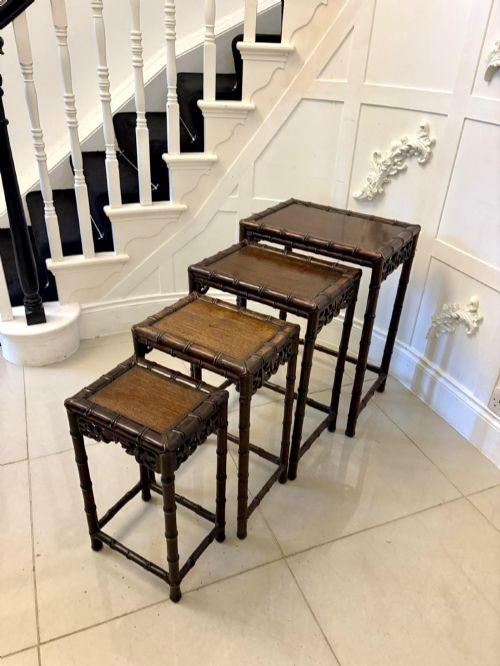
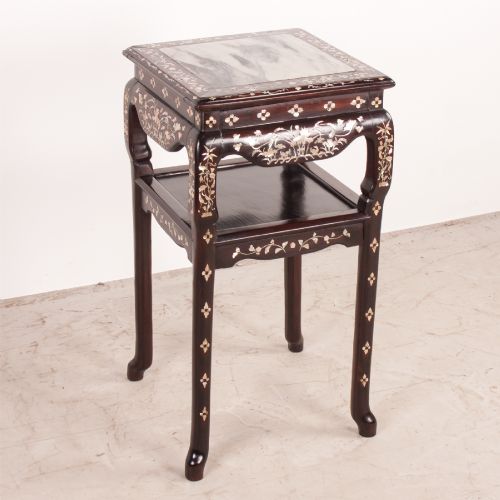
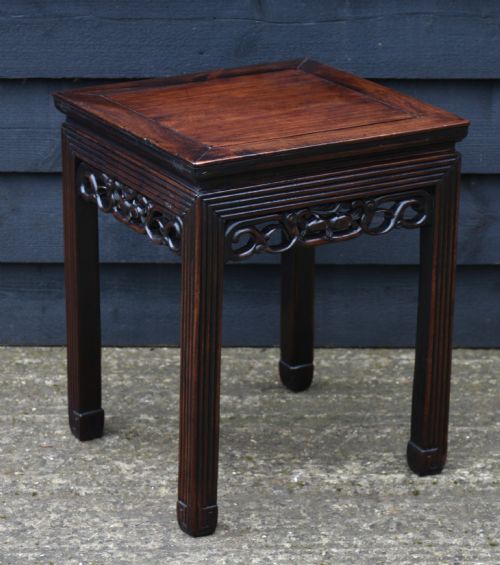
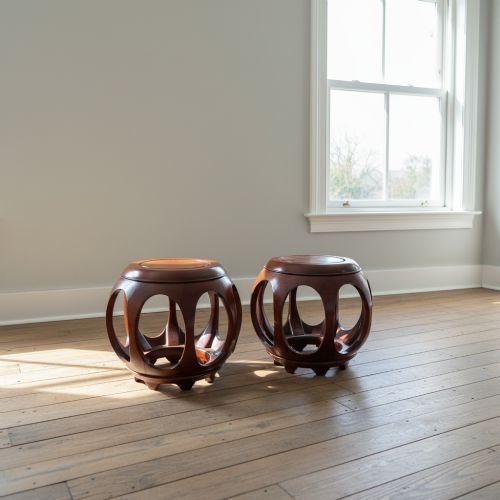
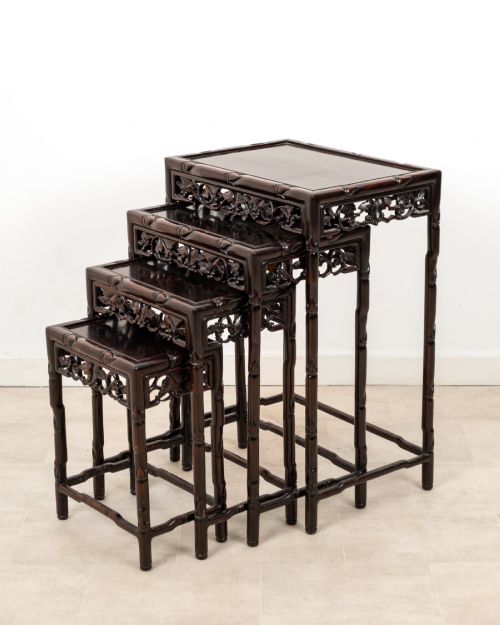
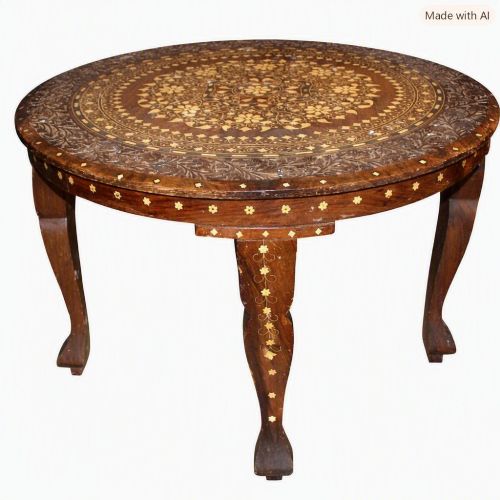
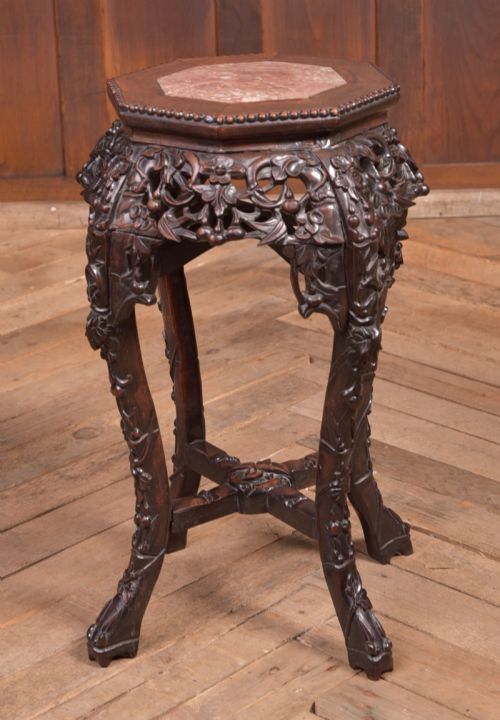
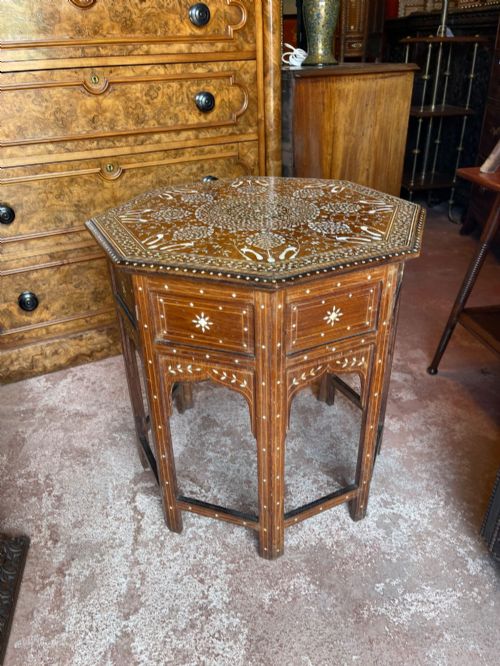
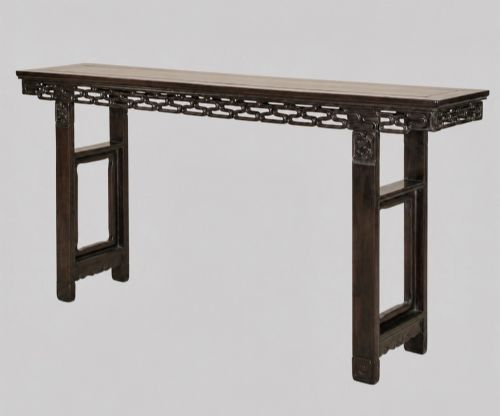
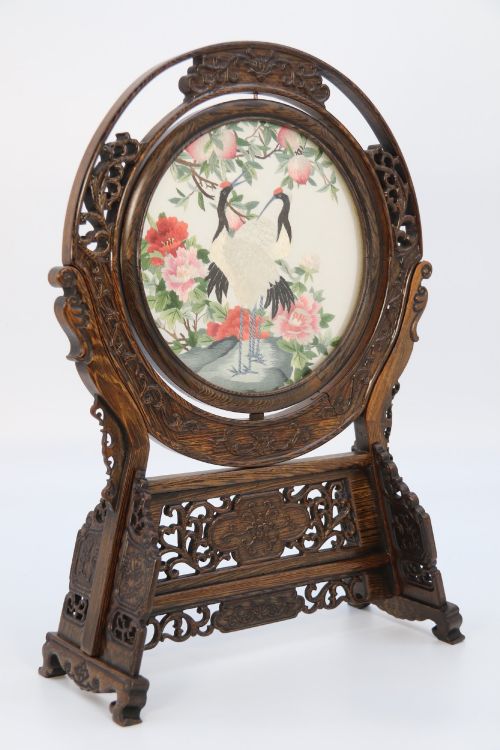
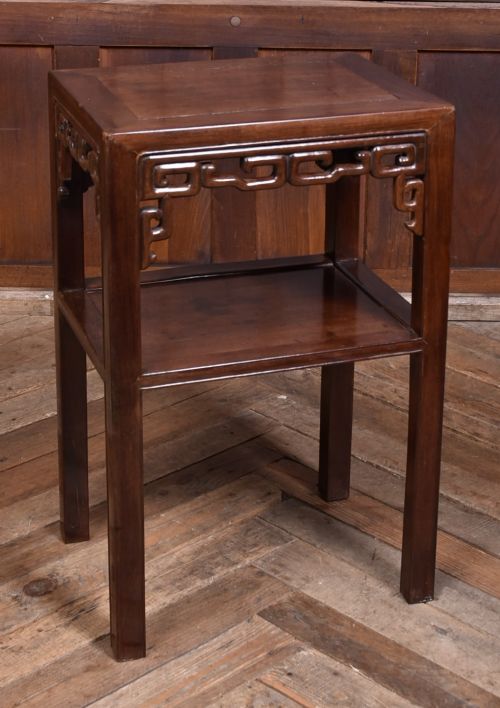
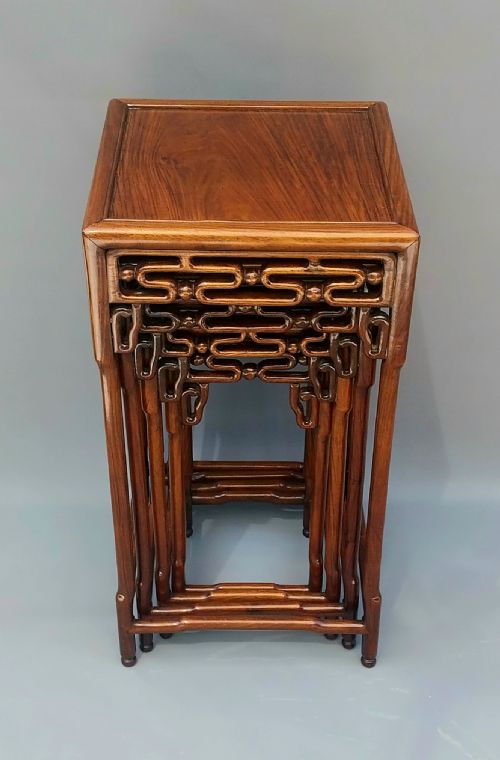
An oriental carved side table encompasses versatile surface furniture created in distinct workshops across China and India during the nineteenth and early twentieth centuries. Buyers seeking an oriental carved side table will frequently encounter occasional tables, plant stands, and centre tables designed for domestic display. These pieces range from compact circular stands featuring figural motifs to substantial hardwood tables inlaid with mother of pearl.
The material palette is dominated by dense timbers such as rosewood, teak, and general hardwood, sometimes augmented with marble or bone inserts. Pieces span the Victorian era, the Qing Dynasty, and the broader 1900 period, reflecting distinct cross-cultural trade and export influences. Workshops in the Bombay presidency and Chinese export hubs produced these varied forms for both domestic and international markets.
How they were made
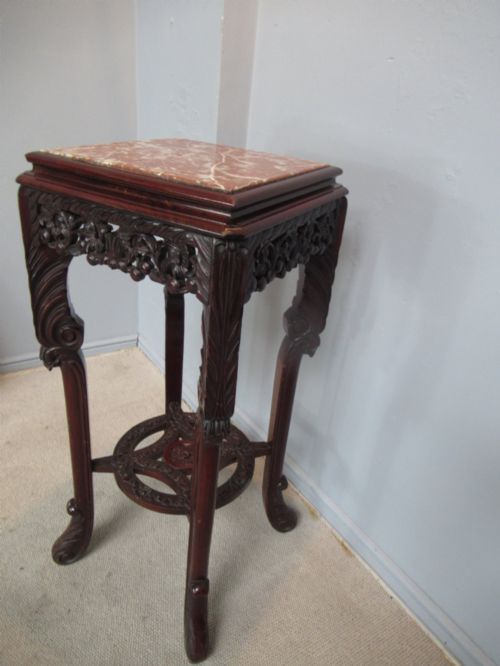
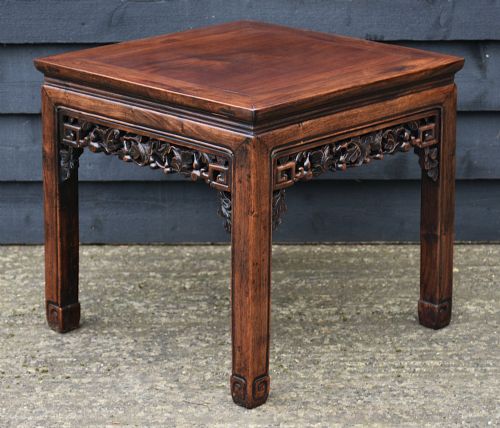
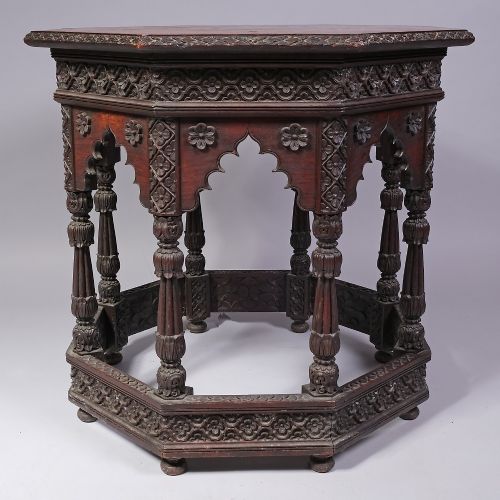
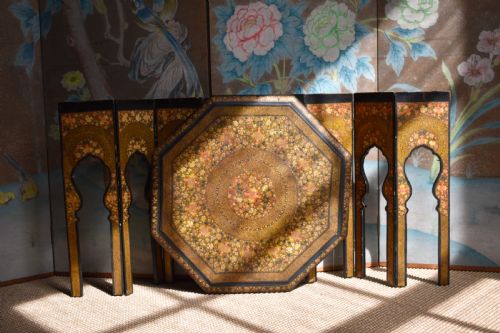
Cabinetmakers utilised heavy hardwoods like rosewood and teak, shaping the dense timber through traditional joinery before applying extensive hand carving. Relief carving frequently depicts dragons, foliage, or figurative elements such as elephants, requiring precise chiselling directly into the seasoned wood. Surface ornamentation also involved meticulous inlay techniques, setting pieces of mother of pearl or bone securely into recesses within the hardwood top.
Selected forms integrated contrasting materials, setting circular marble panels directly into carved wooden frames for durable display surfaces. Construction methods relied on robust framing to support the weight of dense timber tops and intricately carved aprons or legs.
Retail Price Guide 2026
Typical UK retail prices for oriental carved side table, calculated from the Sellingantiques database of over a million retail prices indexed since 2003. This retail price guide relies exclusively on Sellingantiques data; no external sources or auction records are used, so the figures do not describe the wider market.
Listings feature items from the Victorian era, Qing Dynasty, and the broader nineteen-hundreds, utilising rosewood, teak, marble, and bone.
What varies in quality
The distinction between standard examples and superior pieces rests entirely upon the depth, sharpness, and architectural integration of the carving. Master carvers achieved clean undercutting and high-relief detailing that maintains crisp edges along dragons, foliage, and figural elements, whereas lesser work appears shallow and rounded. Furthermore, the precision of mother of pearl or bone inlay work dictates overall execution, with finer items showing tight joints without excessive filler.
Timber selection further separates production tiers, as richly figured rosewood and heavy teak retain structural stability and grain depth that common hardwoods lack. The structural harmony between the top surface, such as an inset marble slab, and the supporting carved base determines the lasting integrity of the table.
The Oriental Carved Side Table Glossary
- Hardwood
- Dense timber derived from broad-leaved deciduous trees, highly prized for structural stability and deep carving. Rosewood and teak are primary examples found in these tables.
- Mother of pearl
- The iridescent internal layer of mollusc shells, shaped into thin pieces and set into wooden recesses as decorative inlay. It creates reflective contrast against dark timber.
- Jardinière stand
- A tall occasional table or plant stand specifically constructed to elevate heavy ceramic planters or botanical displays. These often feature inset marble tops to resist moisture.
- Anglo-Indian
- A descriptive term for furniture made in India during the British colonial period, combining traditional local carving motifs with European furniture forms. Elephant supports are a notable hallmark.
- Qing Dynasty
- The final imperial dynasty of China, spanning from sixteen forty-four to nineteen twelve, encompassing a period of prolific export furniture production.
Frequently Asked Questions
How do I date an oriental carved table?
Dating relies on identifying timber types, construction methods, and stylistic markers associated with specific periods like the Victorian era or Qing Dynasty.
Evidence from nineteenth-century export pieces and nineteen-hundreds production points to specific regional workshops and trade periods.
Where were these tables made?
These tables were manufactured in Chinese export workshops and Indian centres, including the Bombay presidency during the colonial era.
Makers tailored these pieces for both local use and export markets, incorporating regional motifs such as dragons and elephants.
How should I clean a carved hardwood table?
Hardwood furniture requires gentle dusting with a soft, dry cloth to protect the intricate crevices of the relief carving from dirt buildup.
Avoid harsh chemical polishes that can degrade the timber finish or loosen delicate bone and mother of pearl inlay.