

Marble Top Plant Table
A marble top plant table brings a cool stone surface and a steady small platform to a corner, holding a vase or lamp with poise.
Marble Top Plant Table
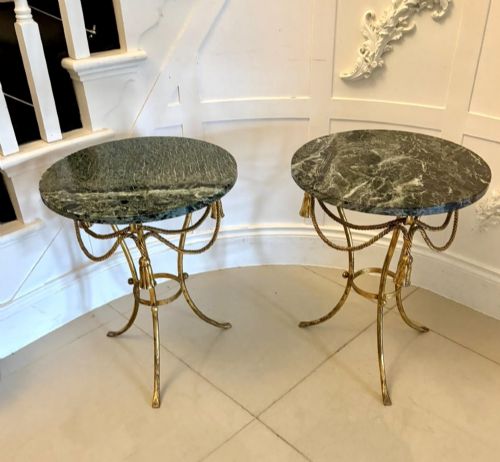
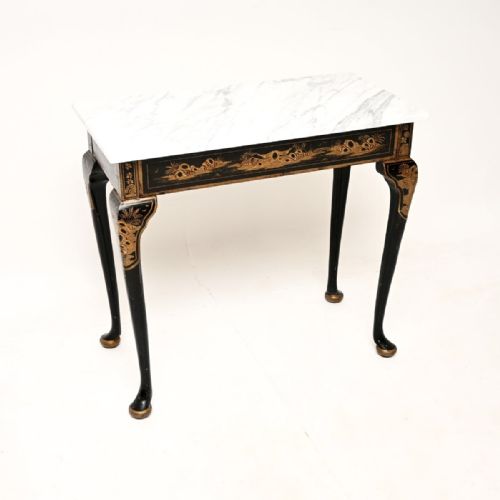
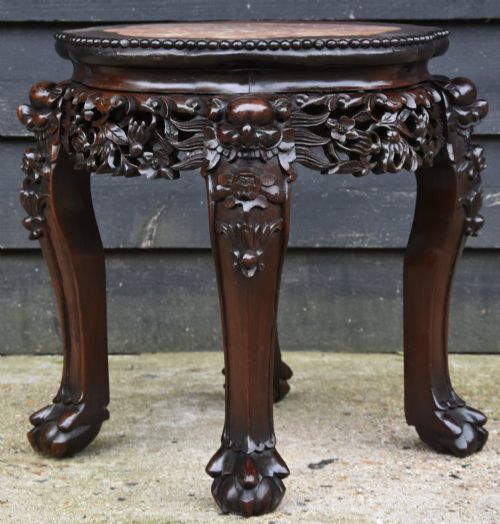
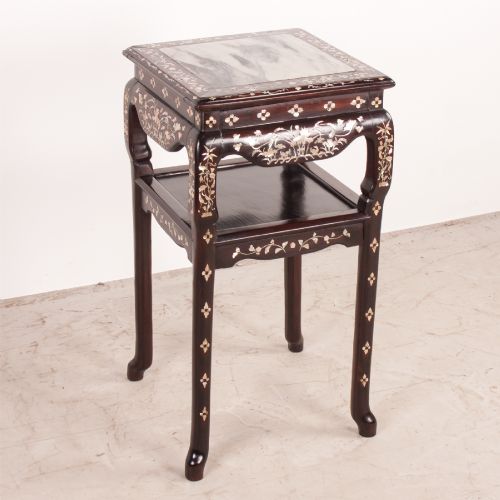
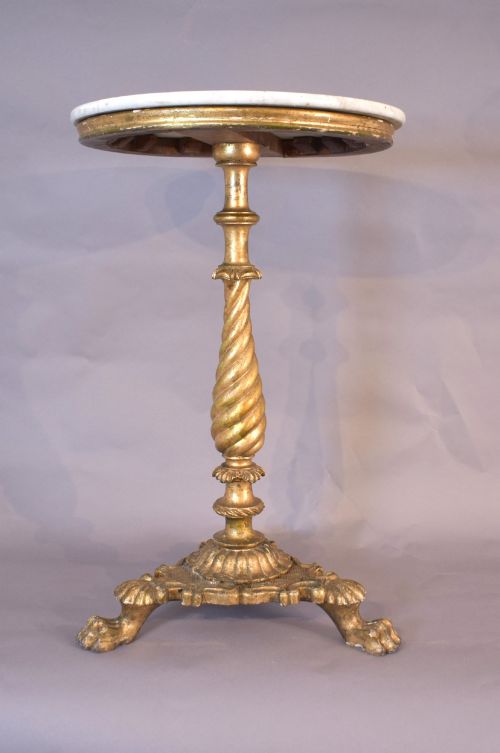
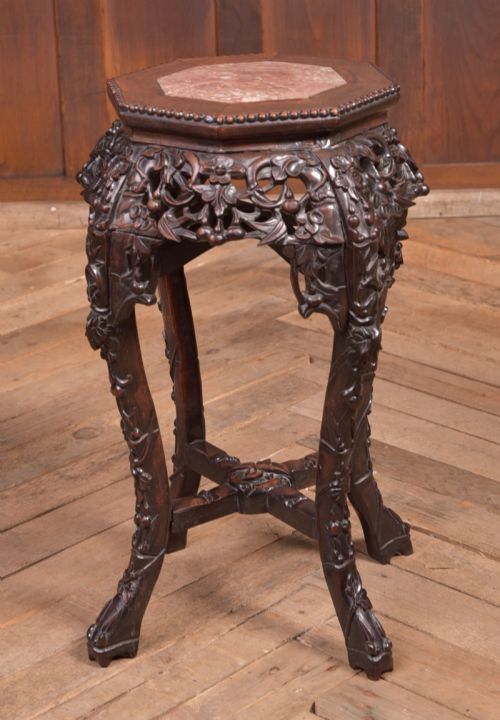
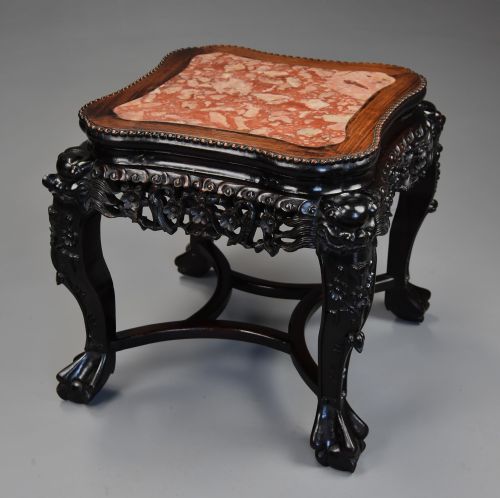
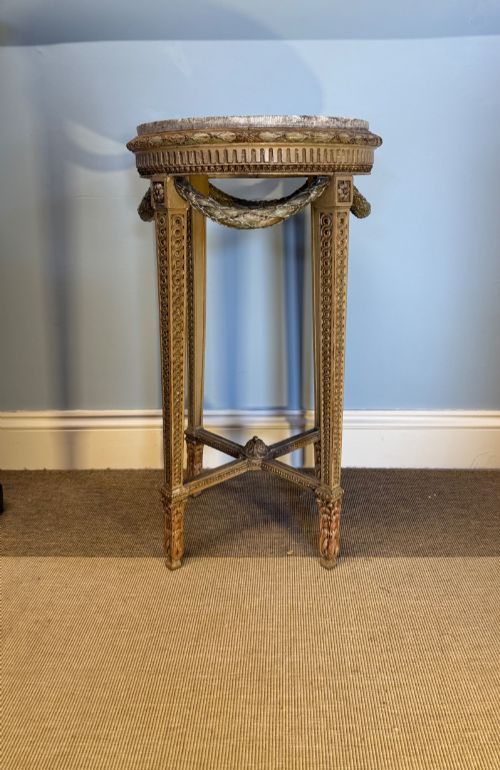
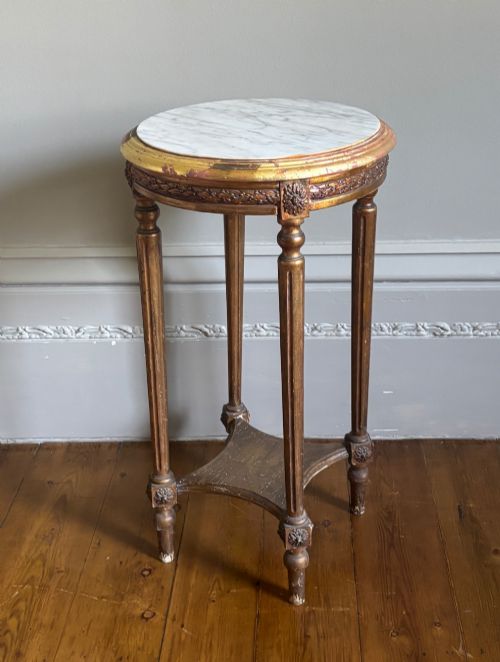
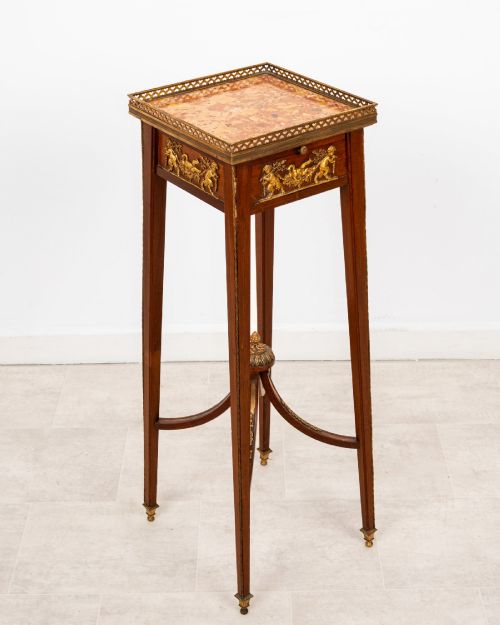
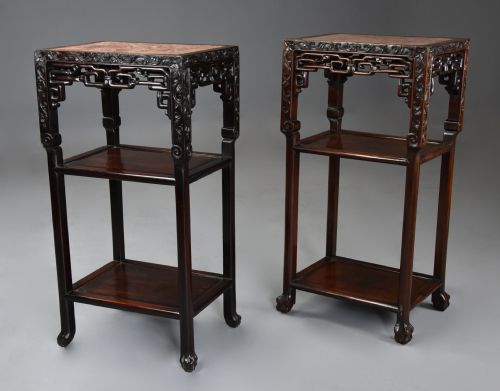
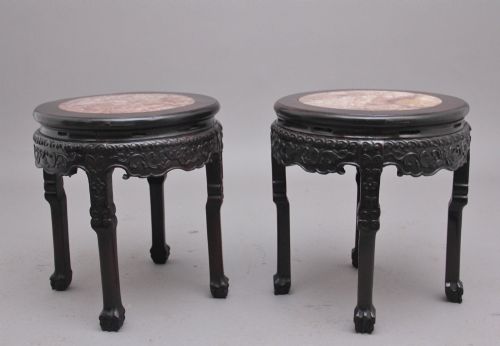
A marble top plant table serves primarily as a sturdy pedestal or small surface for foliage, porcelain, and lamps within a room. These pieces appear most frequently in Chinese carved hardwood forms from the nineteenth century alongside nineteenth century French and Victorian European designs.
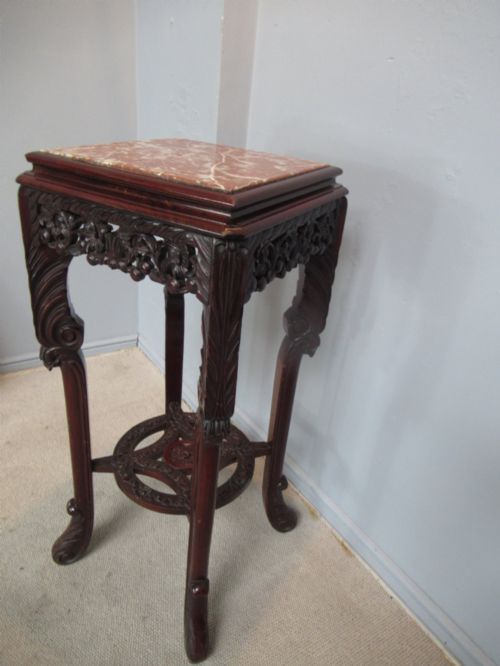
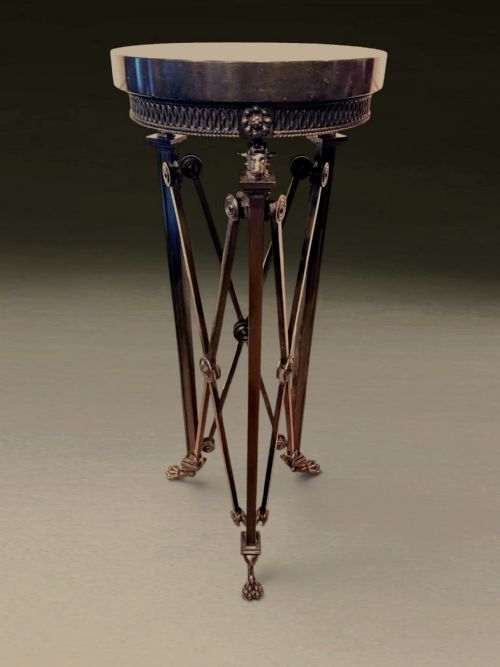
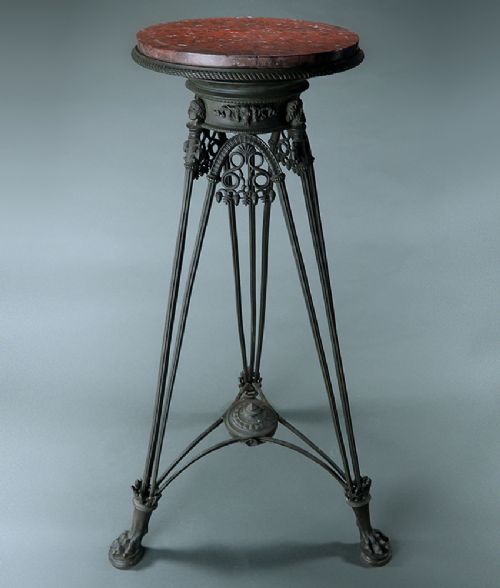
The silhouettes range from low rectangular pot stands and carved circular pedestals to slender tripod guéridons and galleried occasional tables. Common alternate designations in the evidence include jardiniere stands, occasional tables, side tables, and vase stands.
Origins span across Chinese export workshops, French ateliers, and English workshops, utilising diverse regional traditions to elevate heavy plants and decorative objects off the floor.
Materials and Construction
Makers built the frames of these pieces using dense timbers such as rosewood, padouk, mahogany, walnut, and giltwood, combined with structural brass, iron, and gilt metal. Hardwood components frequently receive intricate hand carving, pierced aprons, or mother of pearl inlay.
Insets feature smooth slabs of verde marble, variegated rouge marble, onyx, or quartz fitted precisely into shaped wooden channels. Surface finishes include lacquered chinoiserie, ebonised treatments, and polished natural grain.
Listings feature eighteenth and nineteenth century styles alongside twentieth century interpretations, constructed in mahogany, rosewood, walnut, and giltwood with marble, onyx, and quartz tops.
Distinctions in Execution
Quality separates through the depth and precision of the wood carving, where crisp floral and dragon motifs distinguish master workshops from routine production. The choice and figure of the inset marble or quartz slab, particularly balanced veining and secure fit within the frame, dictate the visual authority of the piece.
Structural integrity relies upon tight joinery in the legs and aprons, ensuring that heavy stone tops remain level and stable without wobble.
The Marble Top Plant Table Glossary
- Guéridon
- A small French table, often circular, supported by a central column or three legs. These serve frequently as plant or lamp stands.
- Hongmu
- A category of dense, dark Chinese hardwoods used extensively for traditional furniture and carved stands. The term translates literally to red wood.
- Jardiniere
- A decorative pot or stand designed specifically to hold plants or floral arrangements indoors. They appear in ceramic, metal, and carved wood forms.
- Galleried
- A tabletop featuring a raised decorative border or railing around the perimeter to prevent items from sliding off. This detail occurs often on French occasional tables.
- Verde marble
- A dark green ornamental stone marked with lighter veining, frequently utilised for classical table tops and lamp stands.
Marble Top Plant Table: Frequently Asked Questions
What is a marble top plant table used for?
These pieces function as elevated platforms designed to hold potted plants, jardinieres, and heavy floral arrangements away from damp floors. They also adapt well as small side tables for lamps and decorative objects in tight spaces.
Historically, they placed prized botanical specimens at eye level within nineteenth century parlours and conservatories. Today, they serve a similar display purpose in modern interiors.
How do I identify Chinese export stands?
Chinese export stands typically feature dense hardwoods like rosewood or padouk combined with deep relief carving of floral or organic motifs. Many incorporate shaped inset marble tops secured within pegged timber frames.
They often reflect nineteenth century Qing Dynasty design traditions, sometimes integrating subtle elements intended for Western export markets.
Where were French marble top tables placed?
French tables of this style found placement in formal salons, boudoirs, and halls as occasional surfaces or gueridons. Their giltwood, mahogany, and brass frames complemented neoclassical and empire interior schemes.
The cool stone surface provided a practical landing area for lamps, calling cards, and decorative bronzes.
Are these tables sturdy enough for heavy plants?
The substantial weight of the inset marble top acts as a natural anchor, giving the table considerable stability. Dense hardwood and iron frames further support heavy pots without tipping.
Care should be taken on uneven floors, as tripod and pedestal bases rely on level contact points to maintain equilibrium.