



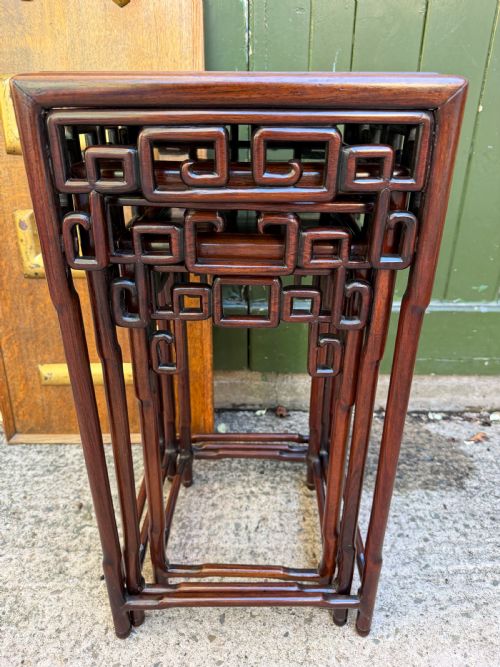

Oriental Side Tables
Oriental side tables are practical furnishings from various periods that add traditional character to any room.
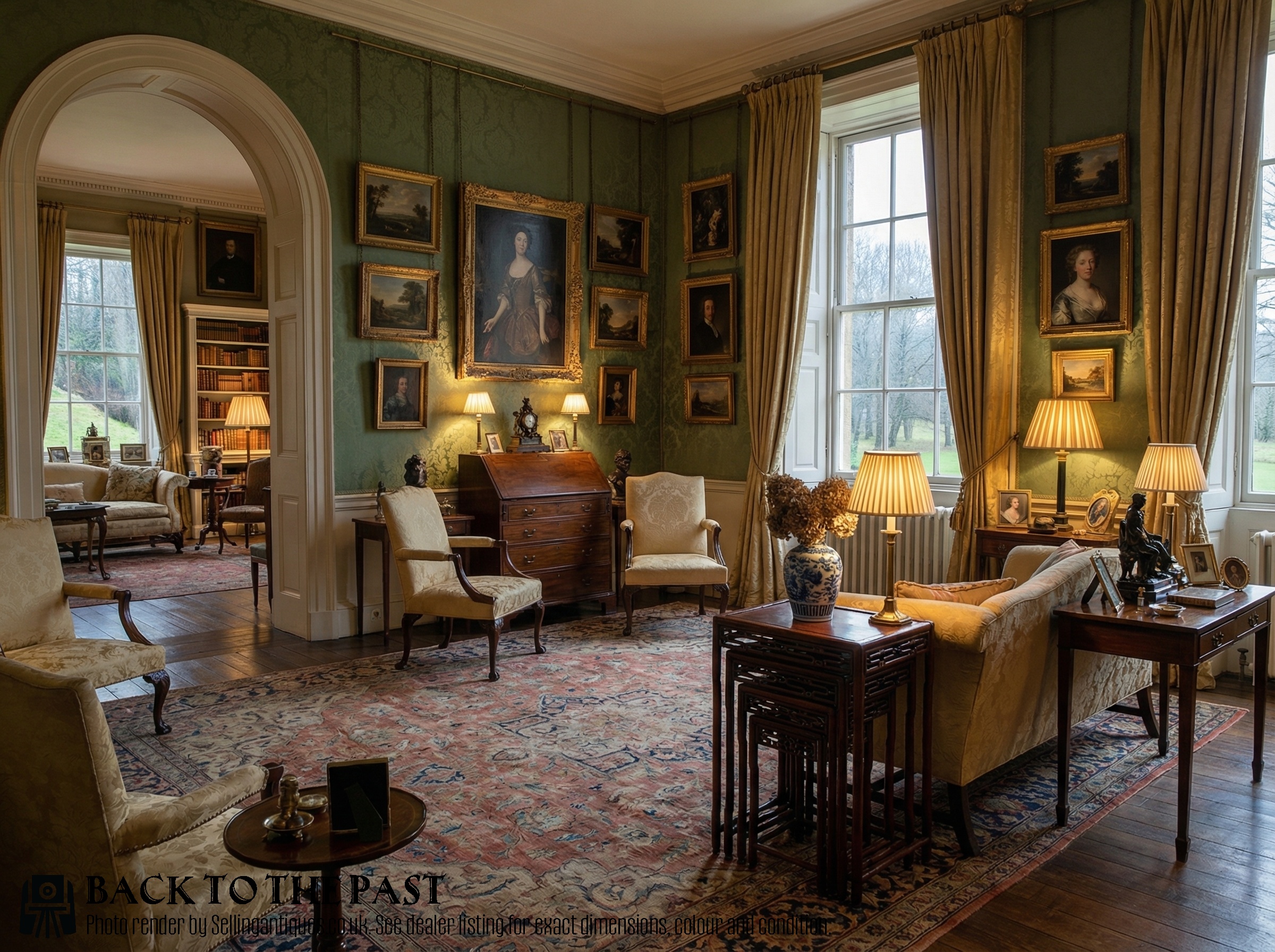
Oriental Side Tables
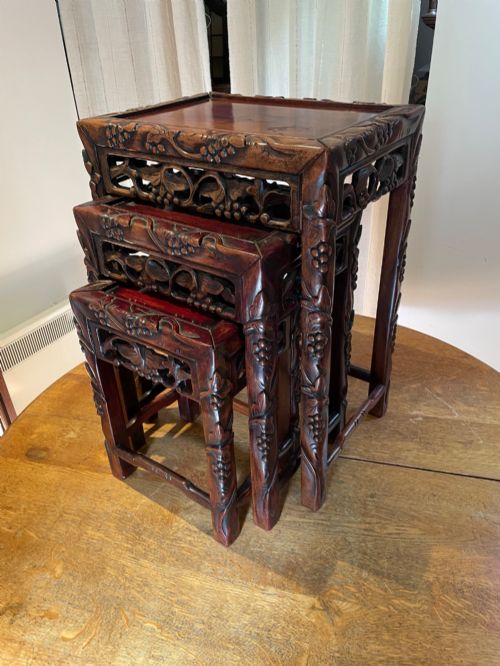
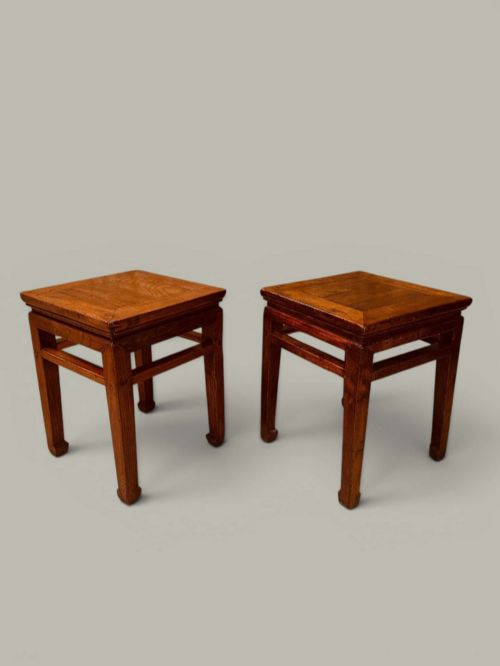
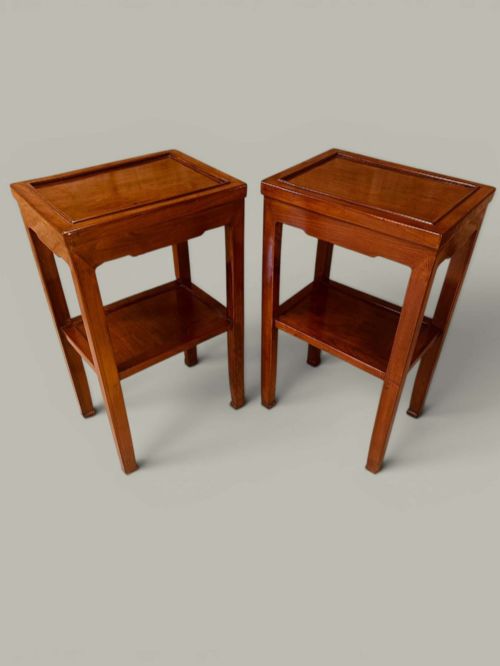
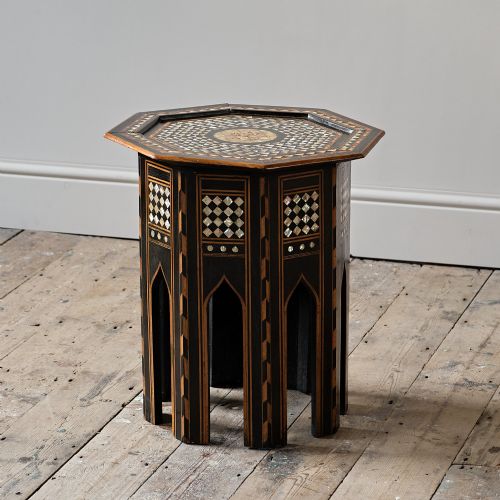
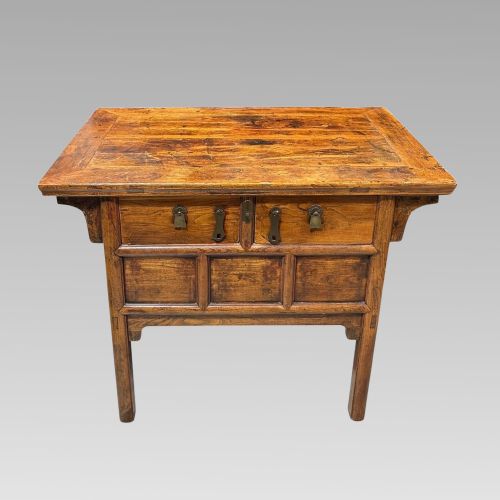
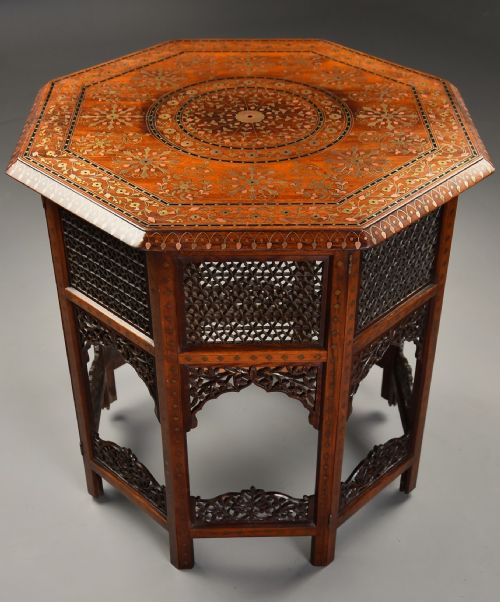
Oriental side tables encompass a variety of forms including nests of tables, occasional pieces, and folding tables designed for everyday utility. These items frequently originate from the nineteenth century or the Victorian period and demonstrate traditional Chinese craftsmanship.
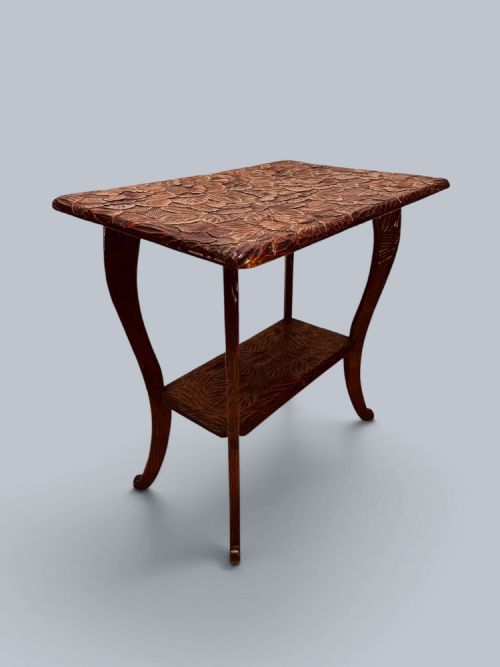
Buyers most commonly encounter nests of four tables or paired occasional surfaces constructed from dense timbers. The selection ranges from carved hardwood items to lacquered and chinoiserie examples recorded in past sales.
How they were made
Makers utilised durable materials such as hardwood, rosewood, and black lacquer to construct these items, often incorporating inset marble or glass panels into the design. Traditional joinery methods allowed nested tables to slide neatly beneath one another.
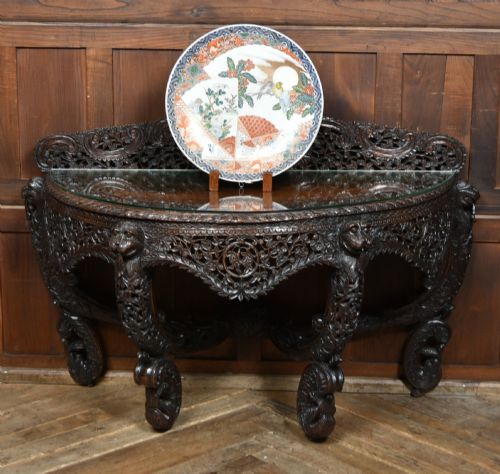
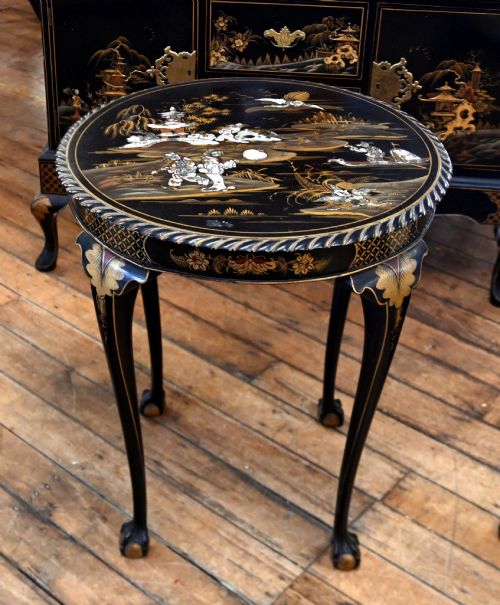
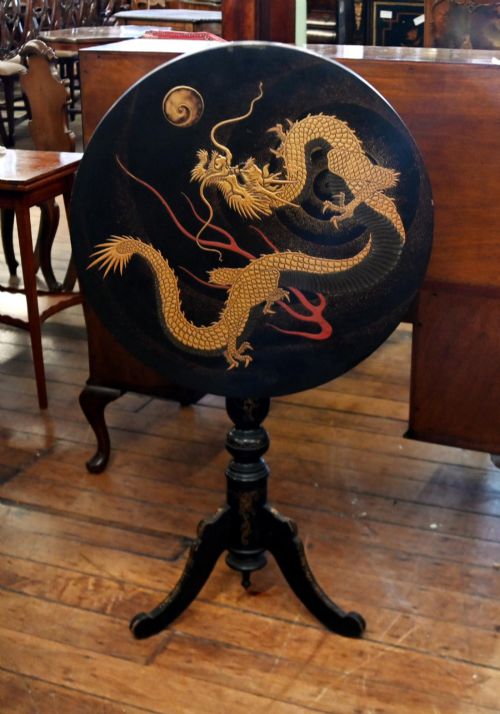
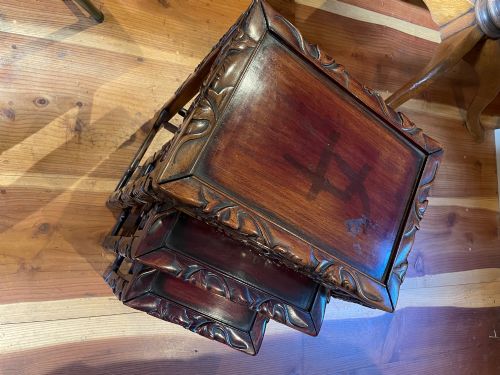
Carved decoration frequently adorns the frames and legs, reflecting Qing dynasty and traditional Chinese styles. Japanned finishes and yellow ground chinoiserie painting also appear on specific bedside and occasional pieces.
Oriental Side Tables Retail Price Guide 2026
Typical asking prices for oriental side tables among the pieces listed under this phrase on Sellingantiques today, from the lower quarter to the upper quarter. They describe what is for sale here now, not the wider market.
Folding side tables from nineteen twenty prove that portable furniture convenience is far from a modern invention.
What varies in quality
Quality rests upon the selection of timber and the precision of the carving work rather than mere age. Denser woods like rosewood and heavy hardwoods demonstrate superior durability compared to simpler constructed alternatives.
The sophistication of the surface finish dictates the overall standard of the piece, whether through intricate hand-carved motifs or carefully applied lacquer and chinoiserie details.
The Oriental Side Tables Glossary
- Nest of tables
- A set of graduated tables designed to stack together when not in use. They save space while offering multiple surfaces.
- Japanned
- A European imitation of Japanese and Chinese lacquerwork. The technique involves applying resin-based varnishes to wood surfaces.
- Hardwood
- Timber derived from broad-leaved trees that provides substantial weight and durability. Rosewood is a prominent example found in these pieces.
Oriental Side Tables: Frequently Asked Questions
What are oriental side tables used for?
These tables function as versatile surfaces for lamps, drinks, and decorative items within a living space.
Nested sets allow owners to pull out extra tables when hosting guests and store them compactly afterward.
How do I identify nineteenth century pieces?
Nineteenth century examples typically display traditional Chinese construction methods using heavy hardwoods and rosewood.
Examining the depth of the hand-carved details and the natural wear of the timber helps confirm the period.
Are these tables sturdy enough for daily use?
The dense timbers utilised in these pieces provide strong structural integrity for everyday placement in a room.
Careful handling of folding mechanisms and lacquered surfaces preserves their condition over time.
How do nested tables fit together?
Each table in a nest is built to a slightly smaller scale so the legs slide directly under the frame of the one above.
This nesting design allows four separate tables to occupy the floor space of just one.