
Antique Chinese Plant Stand
Looking for an antique chinese plant stand? These carved hardwood and marble display pieces bring traditional form and natural stone surfaces into the home.
What They Are
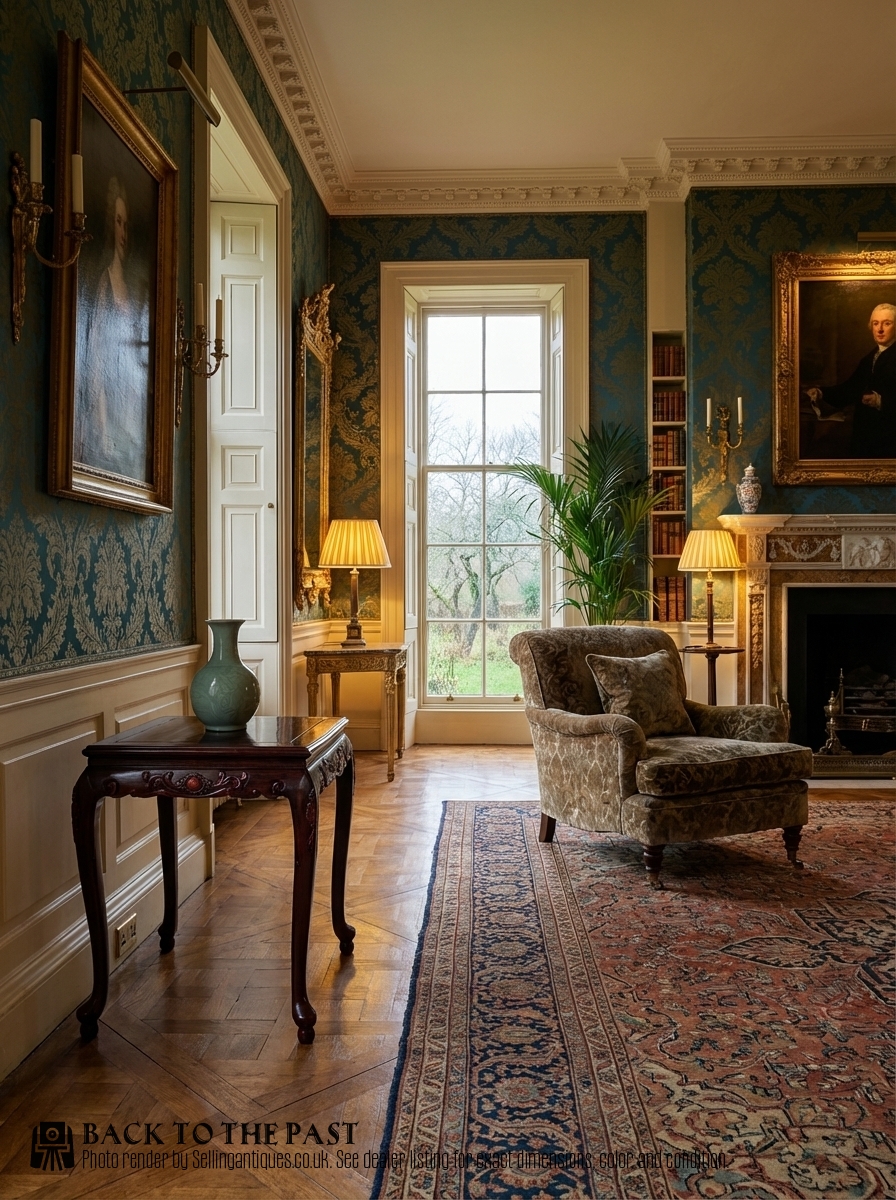
An antique chinese plant stand functions as a sturdy pedestal or low table designed to elevate heavy ceramic pots, jardinieres, and lamps within a room. These furnishings emerge predominantly from the nineteenth century, aligning with the Qing dynasty and later traditional production periods.
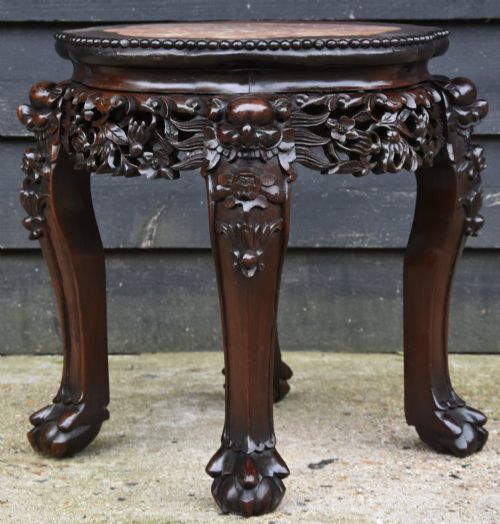
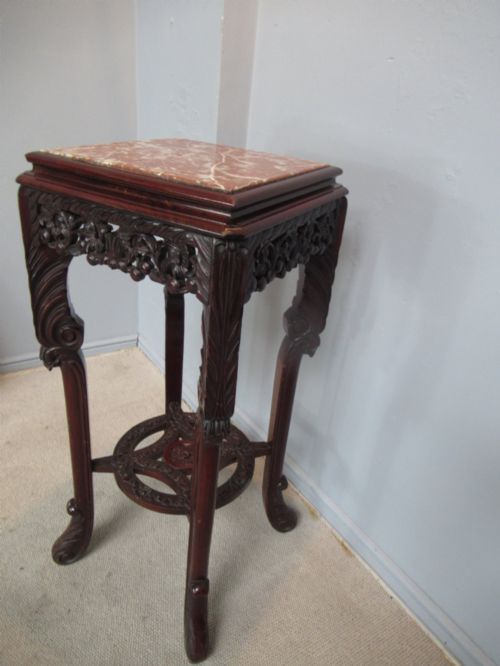
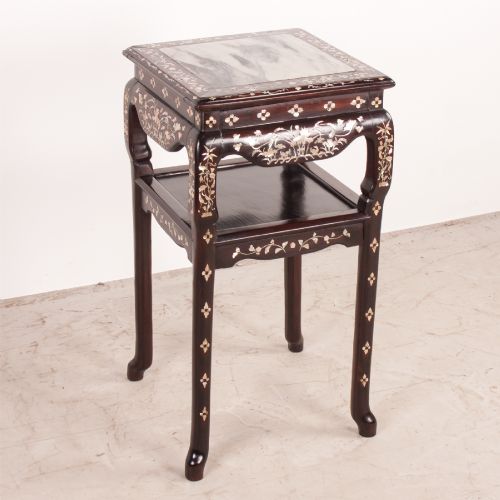
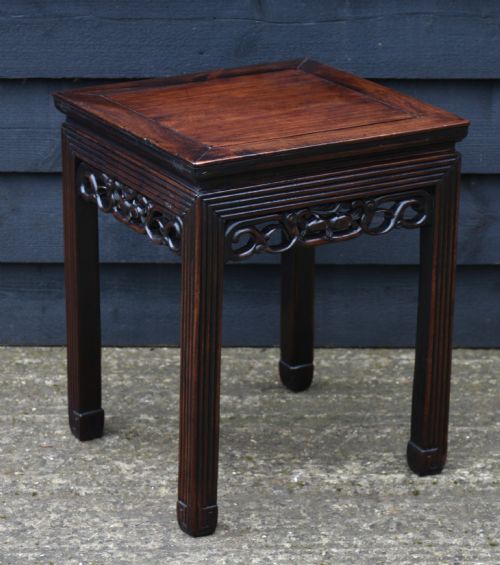
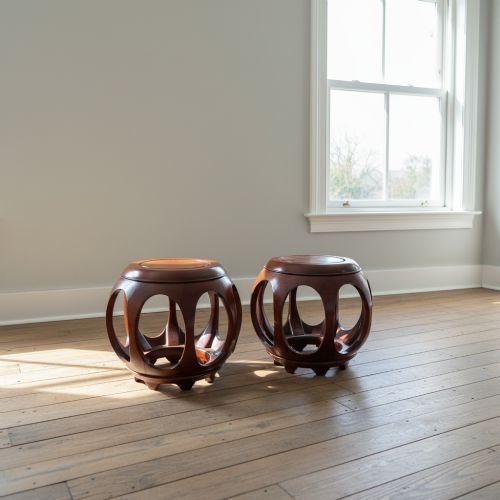
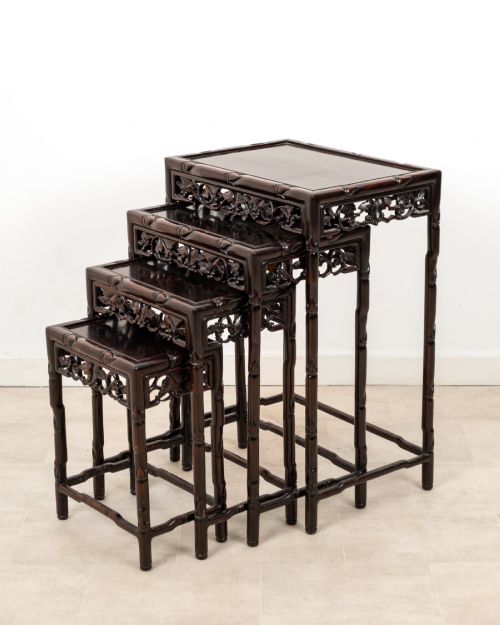
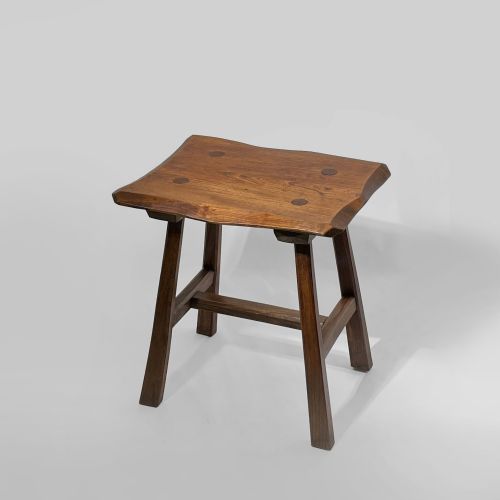
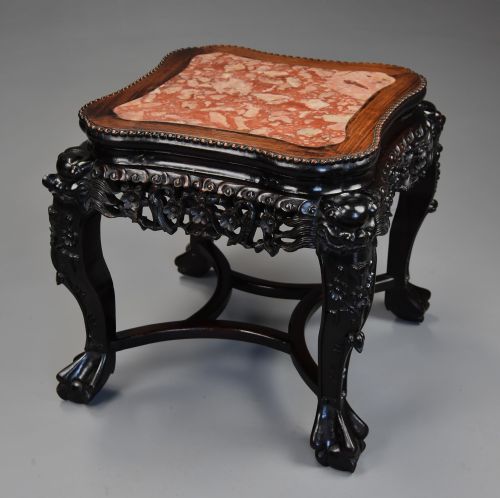
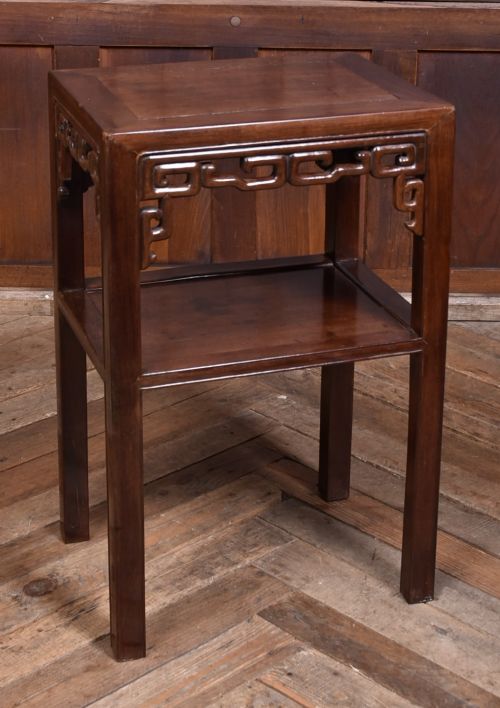
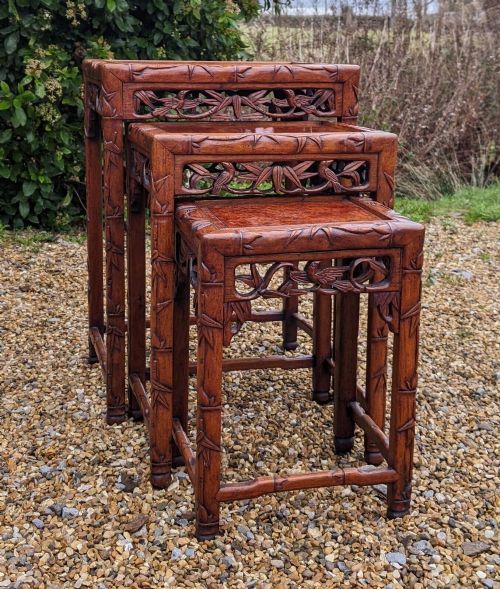
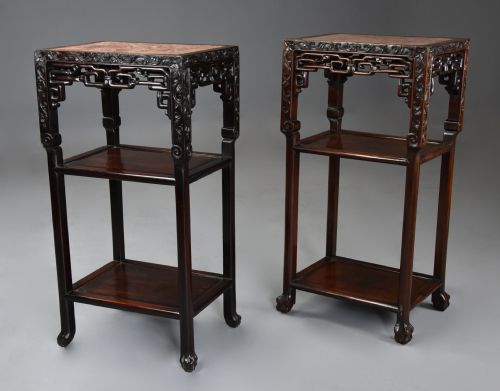
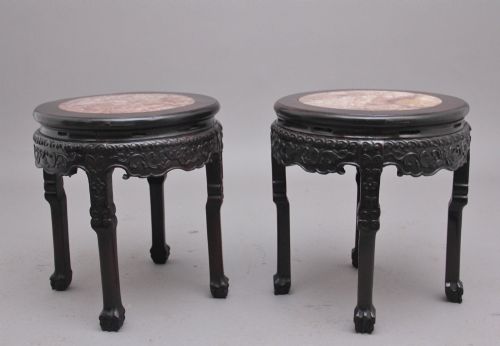
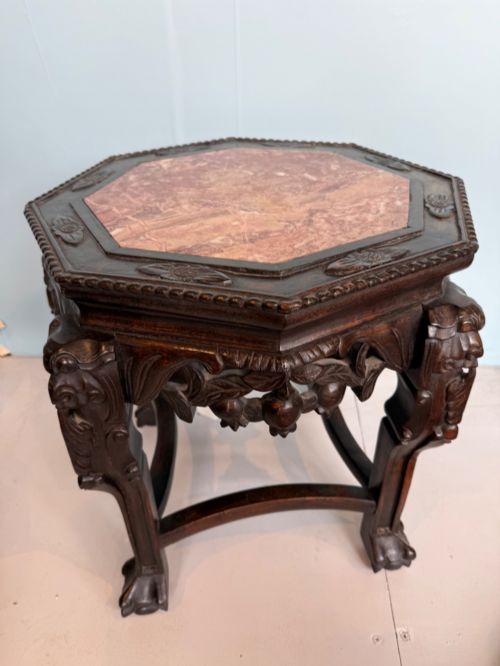
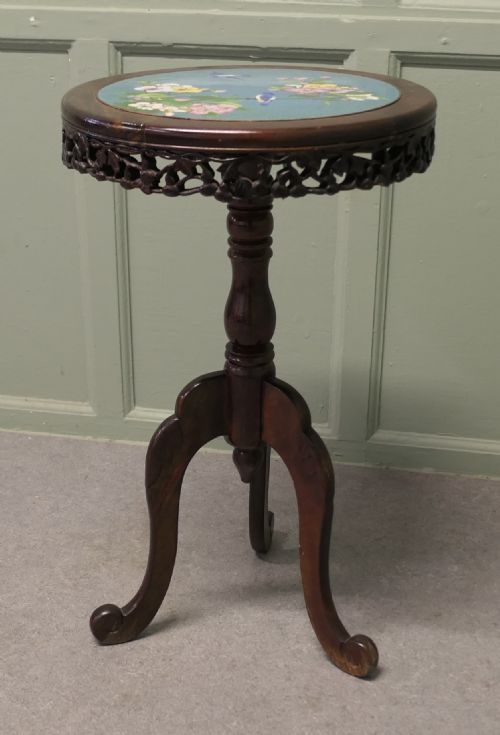
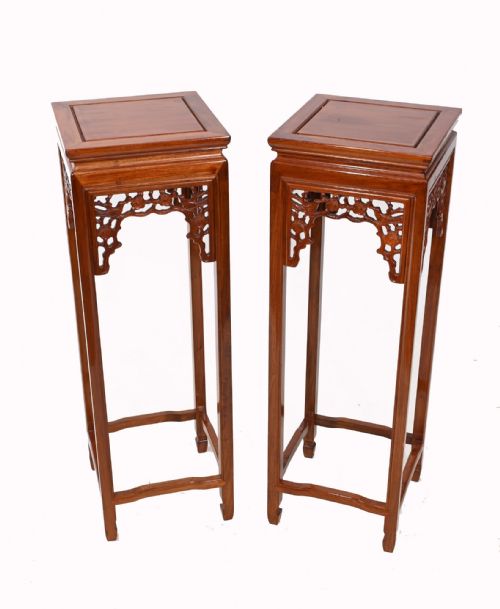
Buyers encounter diverse configurations on this page, ranging from single tier square tables and tall pedestals to barrel forms and two tier display units. Alongside dedicated plant stands, the selection includes side tables and occasional tables utilised for similar display purposes.
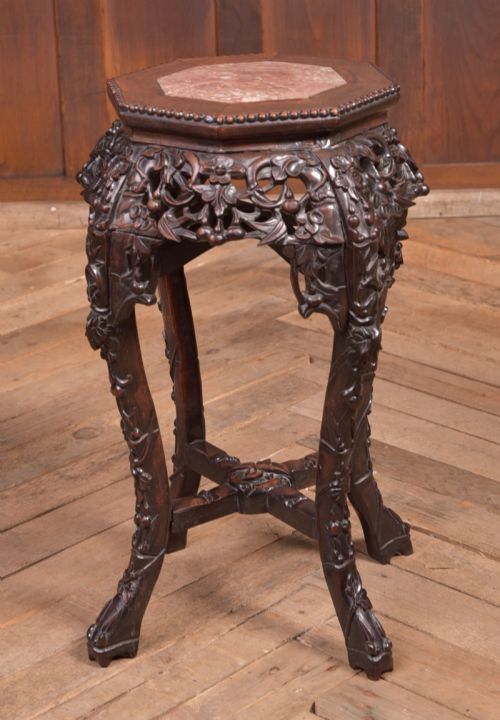
Origins trace back to traditional Chinese workshops where artisans constructed these functional items from dense tropical timbers. The inclusion of inset marble tops remains a defining characteristic across many examples found in both current listings and archive records.

How They Were Made
Maker workshops utilised dense and heavy timbers including rosewood, hongmu, elm, and general carved hardwood. These durable materials provided the structural strength required to support heavy stone insets and weighted ceramic planters without warping.
Craftsmen shaped the wood using intricate carving techniques to produce traditional decorative motifs and shaped aprons. Smooth marble slabs were then precisely fitted into recessed wooden tops to create durable, water resistant surfaces suitable for holding plants.
Retail Price Guide 2026
Typical UK retail prices for chinese plant stand, calculated from the Sellingantiques database of over a million retail prices indexed since 2003. This retail price guide relies exclusively on Sellingantiques data; no external sources or auction records are used, so the figures do not describe the wider market.
Some nineteenth century stands adopted an unusual barrel form, proving that even a plant pot needed a well-rounded seat.
What Varies in Quality
The sophistication of the carved wooden detailing separates standard utilitarian items from finer decorative examples. Crisp, deeply undercut foliage and structural joins reflect greater time investment by the original artisan.
The quality and grain pattern of the inset marble top heavily influence the visual appeal of each stand. Uniform veining and secure fitting within the hardwood frame distinguish the upper tier of production.
The Antique Chinese Plant Stand Glossary
- Hardwood
- A dense and durable timber variety utilised in traditional furniture construction. These heavy woods resist dents and support substantial weight.
- Hongmu
- A category of dense, dark tropical hardwoods prized in Chinese furnituremaking. The term translates literally to red wood.
- Jardiniere
- An ornamental ceramic or metal container designed to hold large indoor plants. These heavy vessels sit directly upon the inset marble or wooden tops.
- Qing Dynasty
- The final imperial dynasty of China, spanning from sixteen forty-four to nineteen twelve. Many nineteenth century decorative pieces originate from the latter half of this era.
- Marble
- A metamorphic rock prized for its decorative veining and cool, smooth surface. It provides a heat and moisture resistant inset top for plant displays.
Frequently Asked Questions
What is an antique chinese plant stand used for?
These furnishings were originally built to elevate heavy ceramic pots, jardiniere bowls, and decorative lamps above the floor. They serve the same purpose today, functioning as display pedestals or small side tables in living spaces.
The sturdy construction of dense hardwood allows these stands to bear significant weight safely. Their elevated platforms also keep wet pottery away from delicate flooring surfaces.
How do I identify a nineteenth century piece?
Nineteenth century examples typically display traditional Chinese carving styles and construction methods associated with the Qing period. Materials commonly include heavy hongmu, rosewood, and elm paired with natural marble insets.
Examining the underside and joinery reveals hand worked surfaces rather than modern machine tooling. The patination of the timber also develops a distinct depth over many decades of handling.
Are all antique chinese plant stands made of marble?
Many examples feature a shaped marble inset top designed to withstand moisture from watering plants. However, numerous variations exist with solid carved wooden tops instead of stone.
Both timber and marble topped versions appear across nineteenth century listings. The choice of surface material depended on the specific workshop design and intended function.
Where should I place a plant stand at home?
These stands suit corners, entryways, or beside seating where they can support trailing plants or reading lamps. Their compact footprints allow them to fit into narrow spaces while adding architectural interest.
Positioning them away from direct heat sources helps protect the historic hardwood from drying out. Regular placement in natural light also highlights the detailed carvings and marble veining.