





Carved Apron Low Table
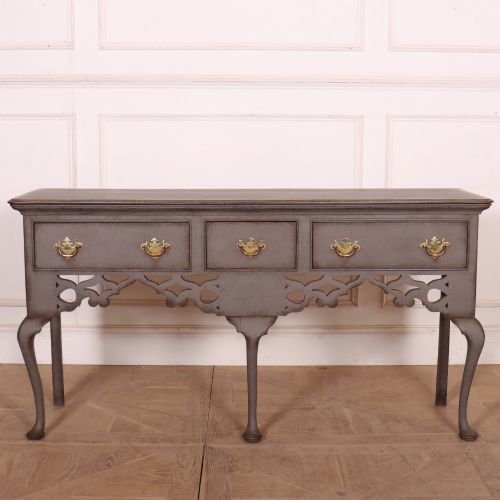
A carved apron low table brings a low-slung, sculptural presence to a room, drawing the eye to intricate woodwork beneath the surface.
Carved Apron Low Table
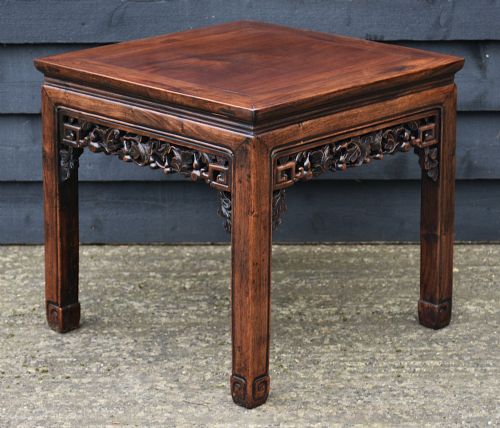
A carved apron low table typically takes the form of traditional Chinese furniture, including opium and kang tables alongside low coffee tables. These pieces sit close to the floor, often featuring decorative carved woodwork directly beneath the surface top.
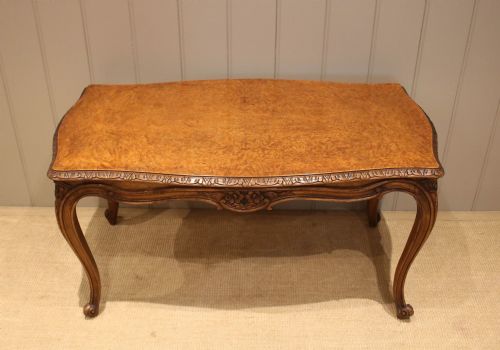
The selection ranges from nineteenth-century rosewood and huanghuali examples to twentieth-century hardwood variants. Alongside these Asian forms, the category occasionally encompasses Georgian lowboys and European low timber tables.
Buyers encounter various surface shapes, from rectangular and square formats to circular designs. Each version serves effectively as a low coffee table or display platform in contemporary interiors.
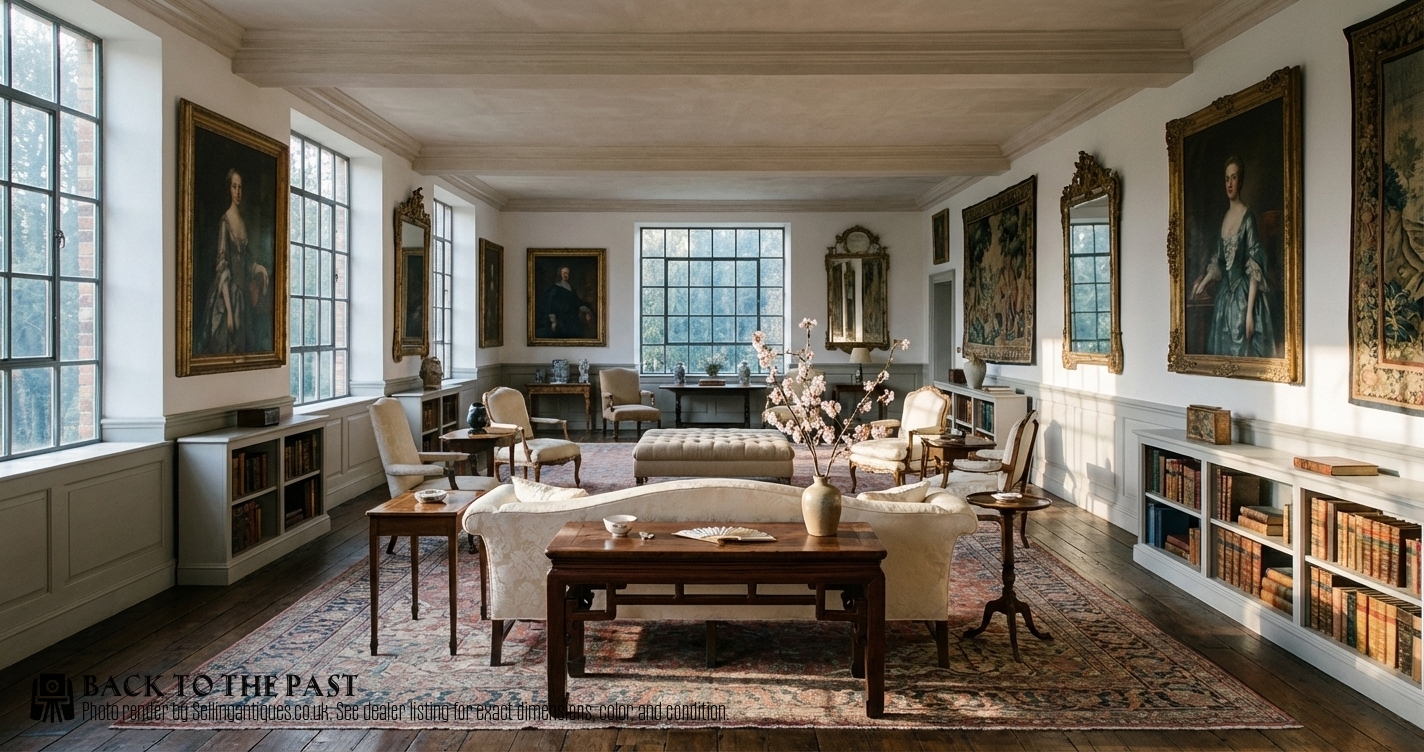
Materials and construction methods
Construction relies heavily on dense Asian hardwoods such as rosewood, padouk, and huanghuali, alongside European timbers like oak, walnut, and fruitwood. These resilient materials support the intricate understructures and low profiles characteristic of the form.
Craftsmen shaped the characteristic aprons through detailed hand carving, often integrating traditional joinery without reliance on metal fasteners. Finishing techniques emphasised the natural grain, yielding deep patinas on nineteenth-century rosewood and early twentieth-century hardwood examples.
Carved Apron Low Table Retail Price Guide 2026
Typical asking prices for carved apron low table among the pieces listed under this phrase on Sellingantiques today, from the lower quarter to the upper quarter. They describe what is for sale here now, not the wider market.
Several tables retain the intimate scale designed for domestic life beside a heated brick bed.
Distinctions in quality and execution
Quality rests primarily on the crispness and depth of the carved apron detail, where sharper chisel work distinguishes finer examples from simpler production. The selection of timber also dictates value, with figured rosewood and huanghuali commanding particular attention for their grain patterns.
Structural integrity and surface finish define the remaining tier differences, as well-preserved original patinas elevate an antique piece. Tables retaining balanced proportions and undamaged joinery represent the upper echelon of the form.
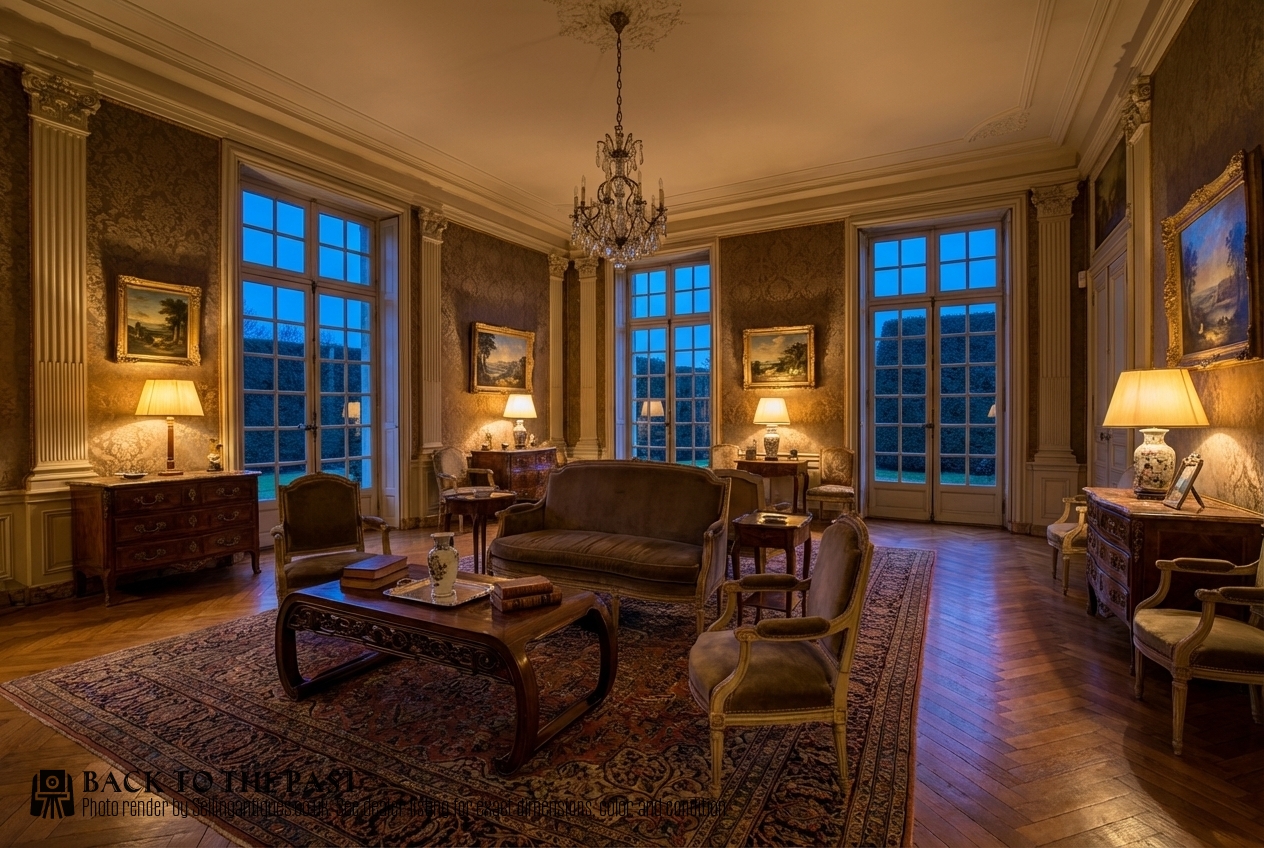
The Carved Apron Low Table Glossary
- Apron
- The decorative timber member connecting the legs beneath the tabletop. On these pieces, it frequently carries the characteristic carvings.
- Kang table
- A low platform table traditionally used on heated brick beds in northern China for dining and writing. They share the low profile sought by modern buyers.
- Opium table
- A colloquial trade term for small, low Chinese tables. They typically feature recessed legs and modest carved aprons.
- Padouk
- A heavy, durable tropical hardwood with a reddish-brown colouration. It takes a fine finish and appears frequently in nineteenth-century Chinese furniture.
Carved Apron Low Table: Frequently Asked Questions
How were low tables used originally?
These low platforms served multiple domestic purposes in traditional settings, including dining, writing, and resting near floor level. People placed them on raised seating areas or heated beds for daily convenience.
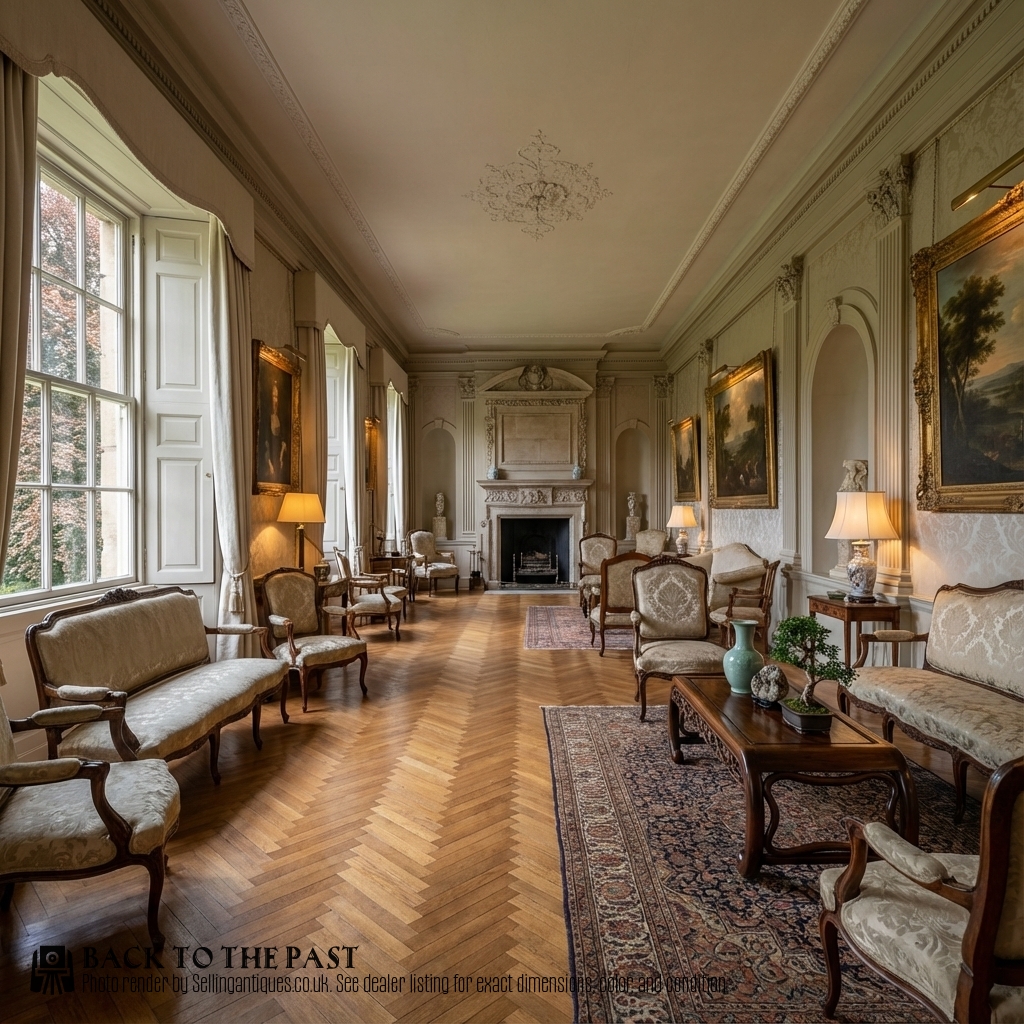
In contemporary spaces, they function naturally as coffee tables positioned before low sofas and seating arrangements.
How do I style a low table?
Keep the low proportions in mind by pairing the table with low-slung seating or minimalist furniture. This maintains the intended spatial balance of the room.
Allow the carved apron to remain visible by avoiding excessive clutter on the surface top, letting the woodwork command attention.
Are these tables strictly Chinese?
The majority of pieces matching this description originate from China, spanning various dynasties and export periods. They include traditional forms like kang and opium tables.
However, the category occasionally includes European low timber tables, such as Georgian lowboys and Welsh oak side tables, which share a low stature.
What woods should I expect?
Asian pieces frequently utilise dense hardwoods such as rosewood, padouk, huanghuali, and general oriental hardwood. These woods provide the strength needed for slender, carved legs.
European examples in the selection employ traditional regional timbers including oak, walnut, fruitwood, elm, and pine.