
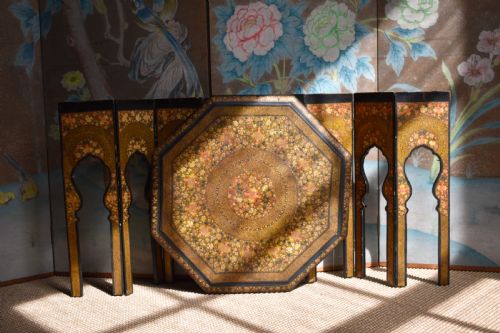


Vintage Oriental Tea Table
A vintage oriental tea table brings distant craft traditions to a room, offering low surfaces and intricate carving for daily use.
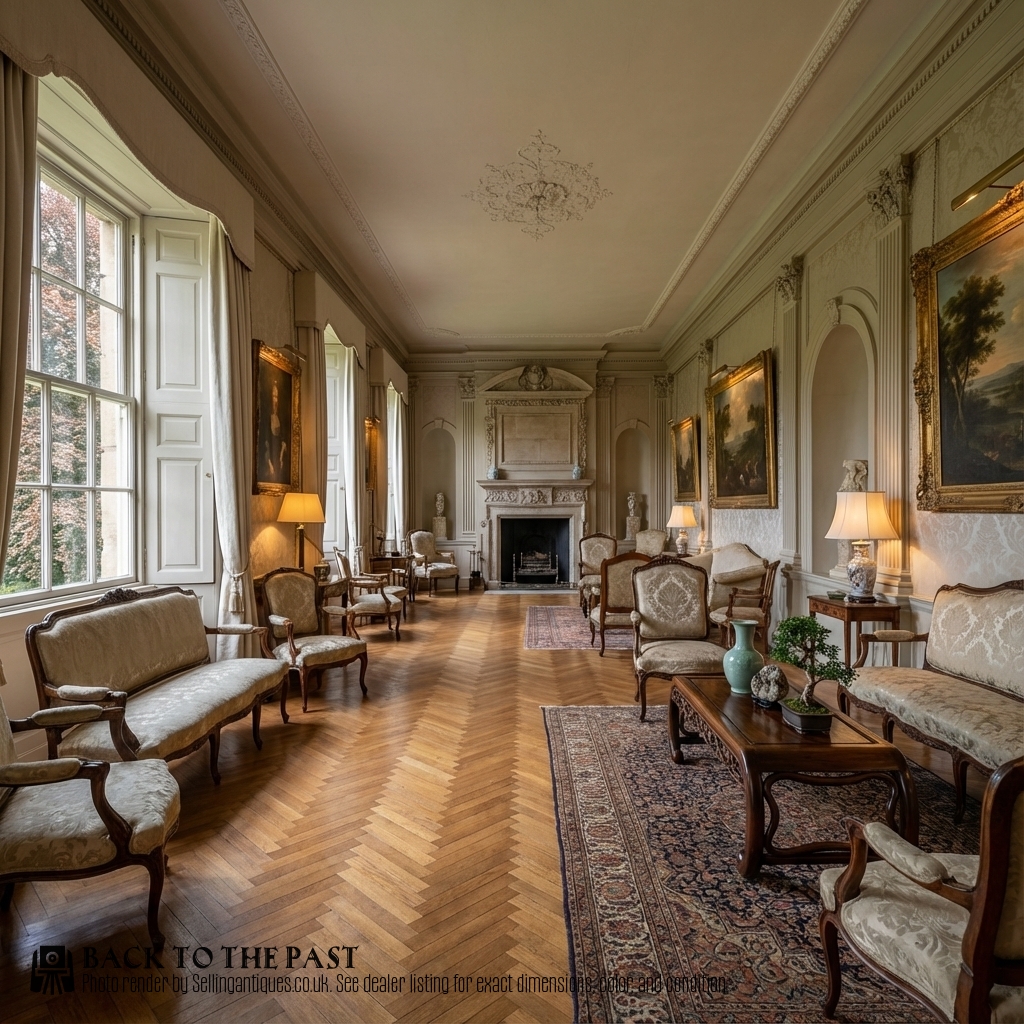
Vintage Oriental Tea Table
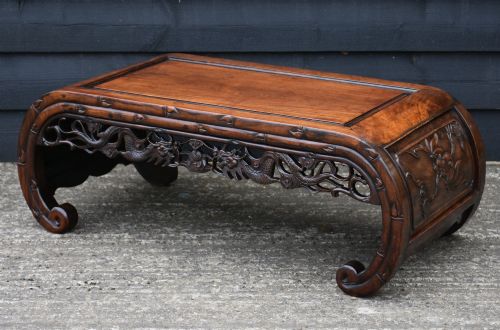
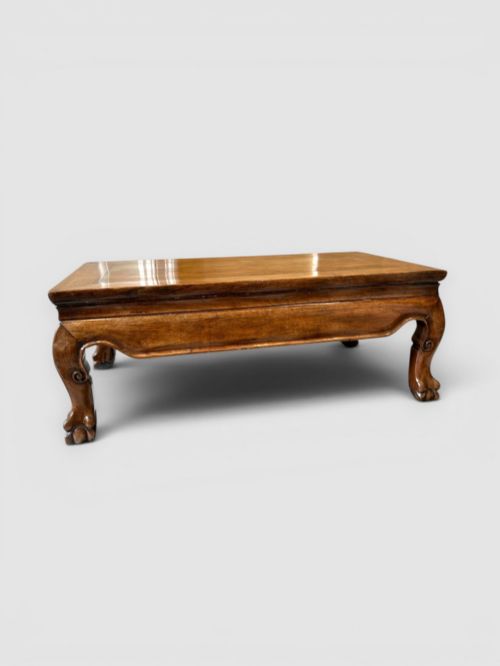
A vintage oriental tea table encompasses low coffee surfaces, occasional tables, and folding designs originating from diverse Asian and colonial traditions. Buyers searching this phrase encounter low opium tables, brass-topped Indian pieces, and lacquer work spanning the nineteenth and early twentieth centuries.
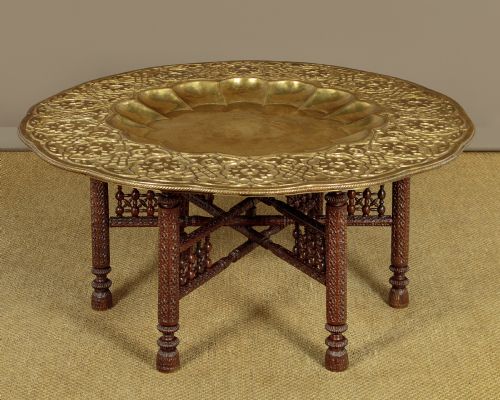
The selection here leans heavily towards Chinese hardwood low tables, Anglo-Indian carved occasional stands, and Edwardian chinoiserie lacquer coffee tables. Forms range from rustic elm surfaces to intricate nests of four tables designed for versatile placement.
Origins trace through Chinese export workshops, Indian regional centres, and Japanese domestic production, alongside British interpretations in the chinoiserie style. Each piece reflects the specific social rituals of tea-drinking and hospitality tied to its region of manufacture.
Materials and construction
Carpenters utilised dense regional timbers including rosewood, elm, teak, and general hardwoods to build durable frames. These woods supported elaborate hand-carved details, folding mechanisms, and tilt-top actions.
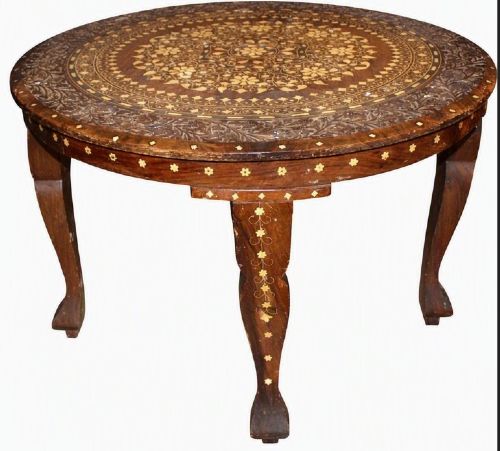
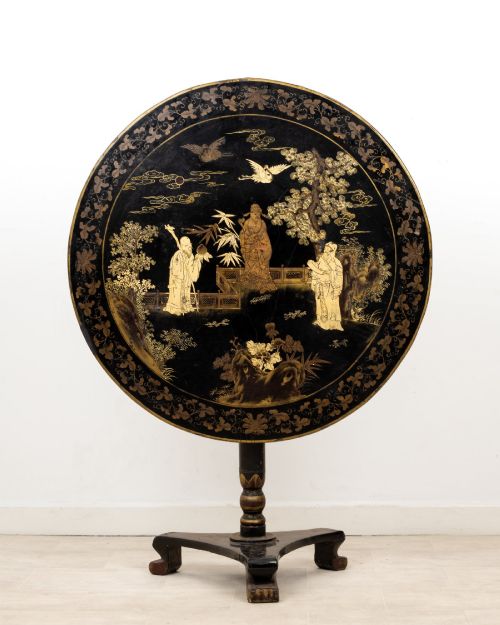
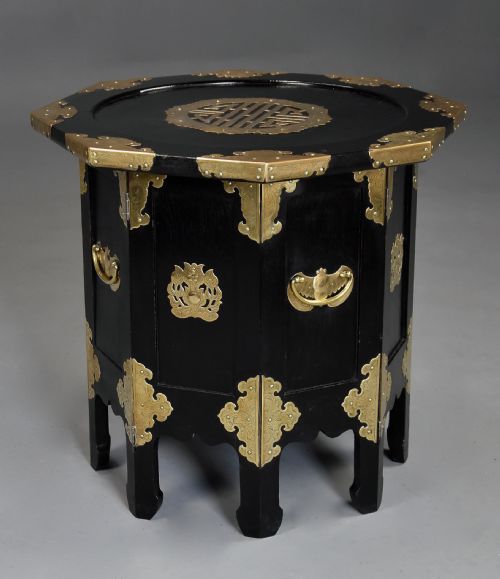
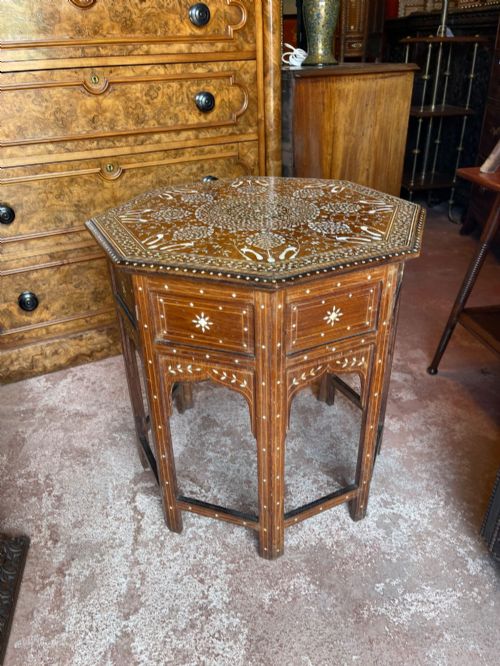
Surface decoration defined much of the production, employing black and coloured lacquers, intricate bone or metal inlay, and hand-painted motifs. Brass and copper tops provided metallic contrast to carved wooden bases in Anglo-Indian examples.
Several tables feature elephants, inviting diminutive carved pachyderms to permanently support your afternoon brew.
Factors of distinction
The degree of hand-carving and decorative finish dictates the standing of an individual piece. Highly decorated lacquer work and precise bone inlay demand superior artisan skill compared to plain structural surfaces.
Material selection creates clear divisions, with dense rosewood and well-preserved black lacquer commanding greater appreciation than basic utility woods. The integrity of original surface finishes and structural joints remains central to the character of each table.
Liberty & Co
The Vintage Oriental Tea Table Glossary
- Chinoiserie
- European artistic interpretation of Chinese decorative styles, popular in furniture decoration during the nineteenth and early twentieth centuries. This style frequently employs black lacquer grounds and painted gilt motifs.
- Opium table
- A traditional low Chinese table designed for domestic use while seated on mats or low platforms. These pieces typically feature carved aprons and sturdy hardwood construction.
- Hoshiarpur
- An Indian town renowned for intricate wood-carving and bone or ivory inlay work on occasional tables. Pieces from this tradition display dense overall geometric and floral patterns.
- Hibachi
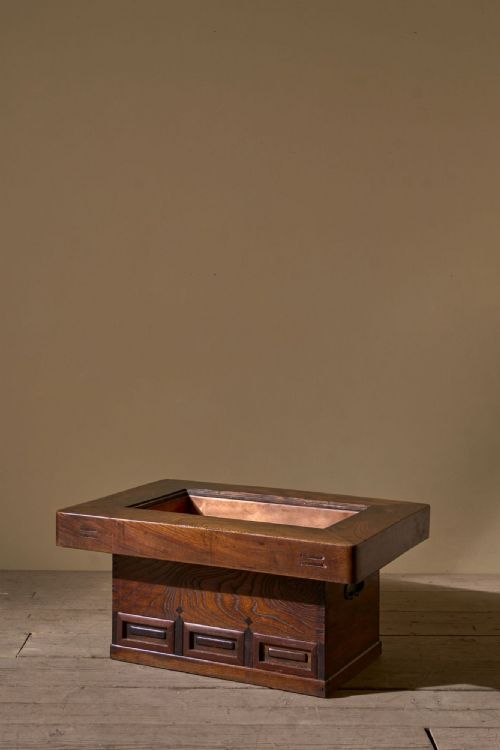
- A traditional Japanese heating device or container, sometimes adapted into low table forms for domestic settings. They appear in early twentieth-century examples made from elm or related woods.
- Chabudai
- A short-legged Japanese table utilised for partaking in tea or meals while kneeling on tatami mats. These low wooden tables reflect traditional domestic interiors of the Meiji and Victorian eras.
Vintage Oriental Tea Table: Frequently Asked Questions
How do I style an oriental coffee table?
Place a low hardwood or lacquer table centrally in a modern or traditional seating arrangement to create a grounding horizontal element. Their modest height suits casual room layouts.
Pair them with minimalist seating so the carved details or painted finishes remain visually distinct within the space.
What materials are common in these tables?
Makers relied on durable regional timbers including solid elm, rosewood, and teak for the foundational frames. These woods handled complex joinery and deep carving.
Surface ornamentation incorporated black lacquer, brass sheeting, painted motifs, and bone inlay to achieve rich decorative contrasts.
How do I date a Chinese opium table?
Dating relies on timber choice, construction marks, and the style of carving present on the apron and legs. Nineteenth-century examples often display deep hand-carving and heavier hardwood builds.
Early twentieth-century pieces frequently show simplified forms or integration into Western coffee table heights and domestic uses.