






Asian Style Coffee Table
An asian style coffee table brings low surfaces and rich timber grain into a modern sitting room.
Asian Style Coffee Table
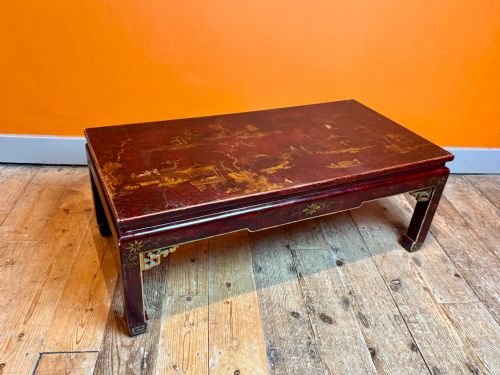
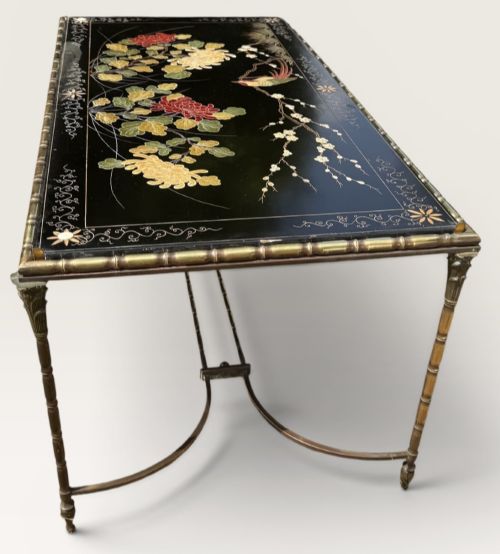
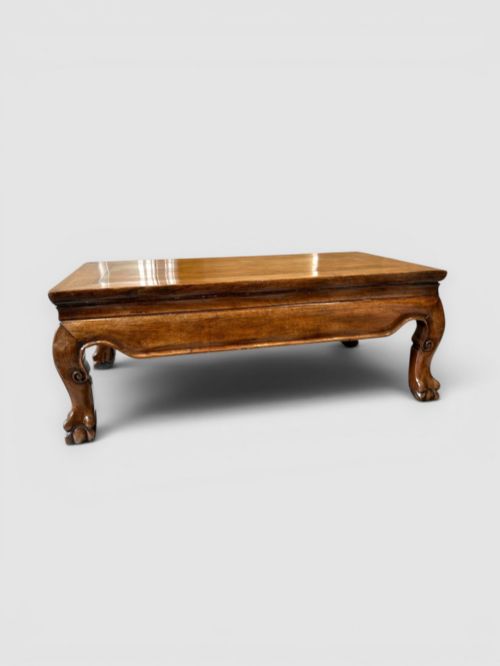
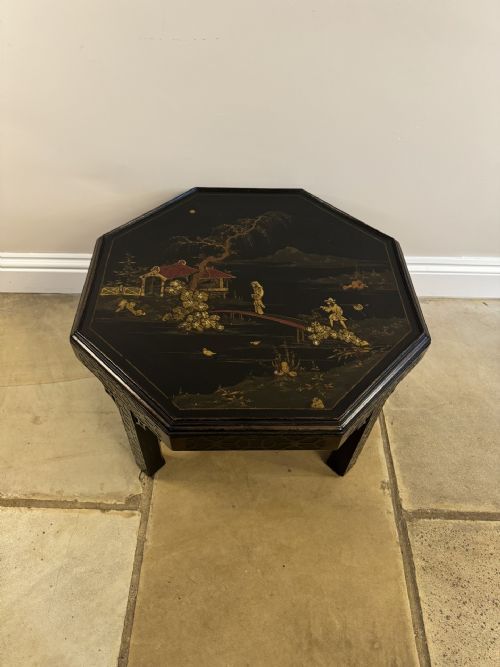
An asian style coffee table encompasses low timber tables, nests of tables, and altered opium forms drawn from nineteenth-century and early twentieth-century traditions. Buyers encounter traditional Chinese forms alongside Edwardian and mid-century European interpretations of chinoiserie.
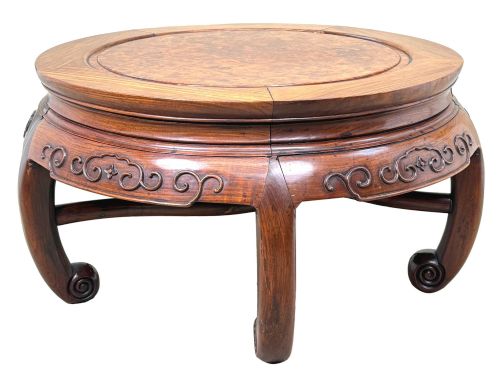
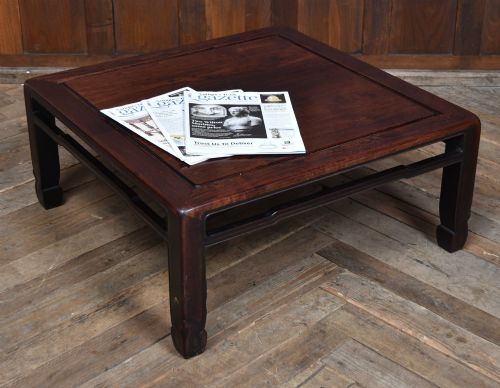
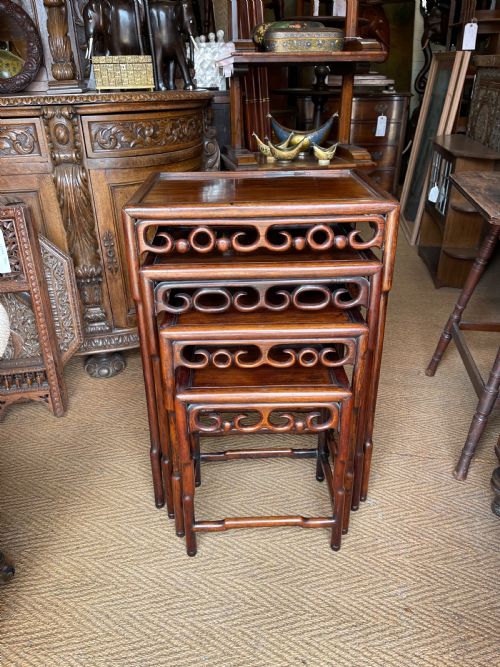
The selection ranges from low square or circular coffee tables in padouk, rosewood, and huanghuali to nests of four tables and lacquered occasional pieces. Many pieces adopt low profiles suited to contemporary living rooms while retaining traditional construction methods.
Makers and workshops from the nineteenth century onward adapted traditional Chinese furniture designs for Western interiors, producing pieces that combine Asian joinery with domestic European utility.
What varies in quality
The standard of carving and surface decoration dictates the standing of an individual table. Crisp detailing in low relief and smooth, consistent lacquer applications distinguish finer workshop production from simpler commercial output.
Timber selection and the integrity of the joinery define the underlying build. Tables constructed from dense, heavy hardwoods with tight, stable joints hold their structure better over decades of use than lighter utility items.
Asian Style Coffee Table Retail Price Guide 2026
Typical asking prices for asian style coffee table among the pieces listed under this phrase on Sellingantiques today, from the lower quarter to the upper quarter. They describe what is for sale here now, not the wider market.
Listings feature pieces spanning from the late nineteenth century through the Edwardian era and into the 1930s, encompassing hardwoods, lacquer, and glass.
Maison Bagues
The Asian Style Coffee Table Glossary
- Chinoiserie
- European artistic interpretation of Chinese and East Asian artistic traditions, popular in furniture decoration during the Edwardian period and the early twentieth century. It frequently employs painted motifs and lacquered surfaces.
- Opium table
- A low, rectangular domestic table originating in traditional domestic interiors, adapted in later trade pieces to serve as a low coffee table. These items typically feature short legs and solid timber tops.
- Padouk
- A dense, heavy tropical hardwood prized for its reddish-brown colour and stability, frequently utilised in nineteenth-century Chinese export furniture.
- Nest of tables
- A set of graduated tables designed to slide one beneath another when not in use, appearing frequently in hardwood and lacquered finishes from the late nineteenth and early twentieth centuries.
Asian Style Coffee Table: Frequently Asked Questions
How do I care for a lacquered coffee table?
Keep lacquered and painted timber surfaces away from direct sunlight and excessive heat sources to prevent cracking or fading of the finish. Dust regularly with a dry, soft cloth and avoid chemical polishes that can damage the lacquer layer.
Place coasters beneath hot cups or damp glasses to protect the surface from moisture rings and thermal marking. Gentle maintenance preserves the depth of the original finish.
Are these tables suitable for modern living rooms?
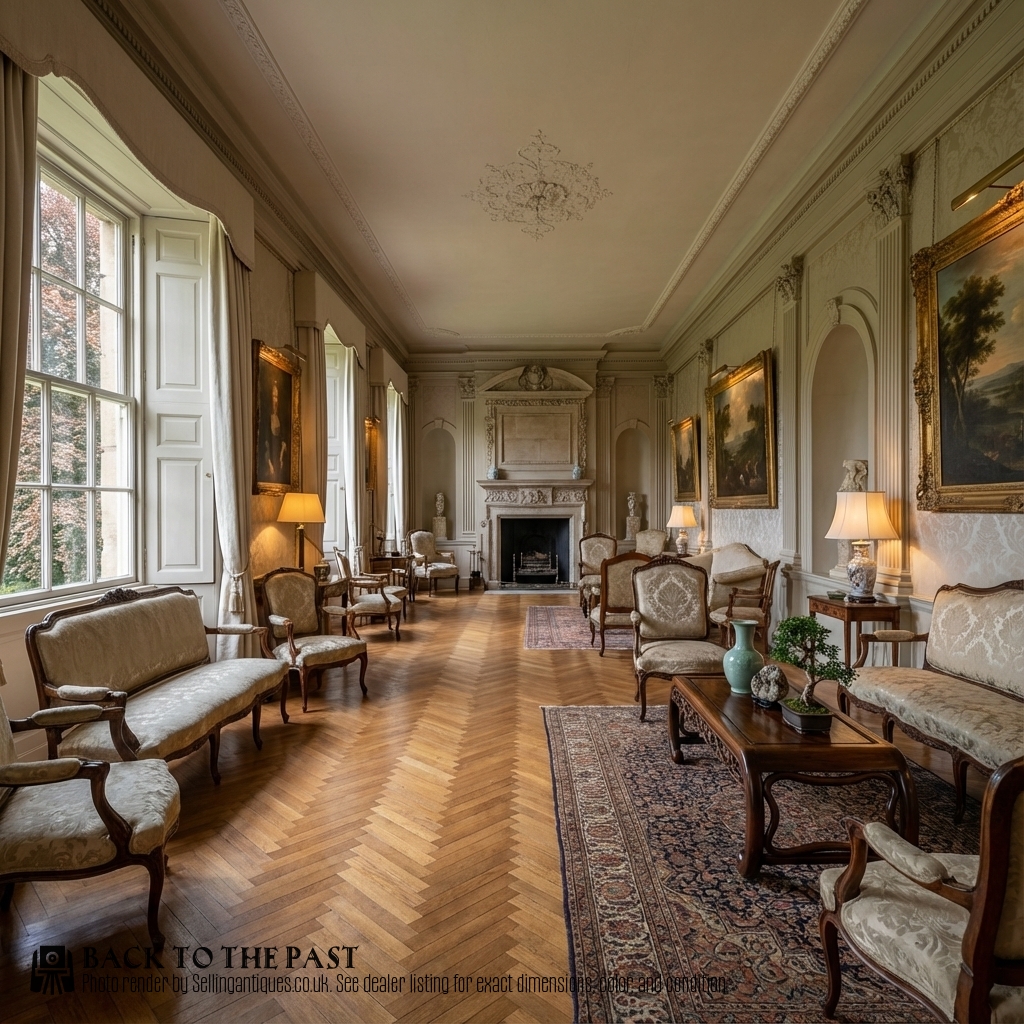
The low profile of these tables makes them practical for positioning in front of modern sofas and seating arrangements. Their compact proportions allow them to sit comfortably in rooms of varying sizes without dominating the floor space.
Nests of tables provide flexible surface area that can be expanded when entertaining and tucked away afterward. This adaptability suits contemporary homes requiring multifunctional furniture.
How can I tell an older table from a later piece?
Examine the timber construction beneath the top and around the joints for signs of hand-tool marks, traditional joinery methods, and natural age-related patina. Nineteenth-century and early twentieth-century pieces typically exhibit construction details consistent with workshop production rather than modern mass manufacturing.
Wear patterns around the edges and feet should align with the stated period of origin. Comparing the wood density and finish characteristics to documented examples helps confirm the age.
What is the difference between an opium table and a standard coffee table?
An opium table originates from traditional low furnishings designed for use on platforms or heated beds, characterised by exceptionally short legs and sturdy timber construction. Later makers adapted these low proportions specifically for Western living rooms as coffee tables.
While standard coffee tables are built to Western seating heights, traditional low forms sit closer to the floor. Both serve similar functional roles in a modern room layout.