




Antique Chinoiserie Table
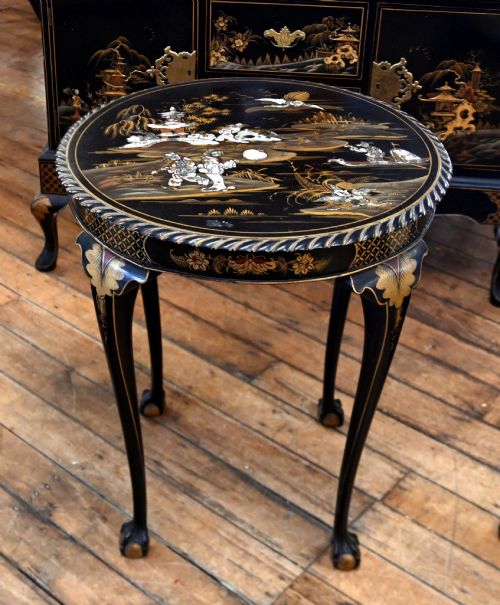
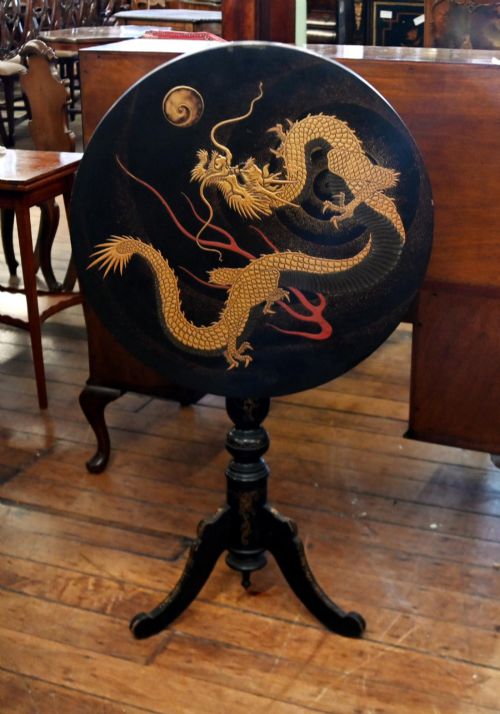
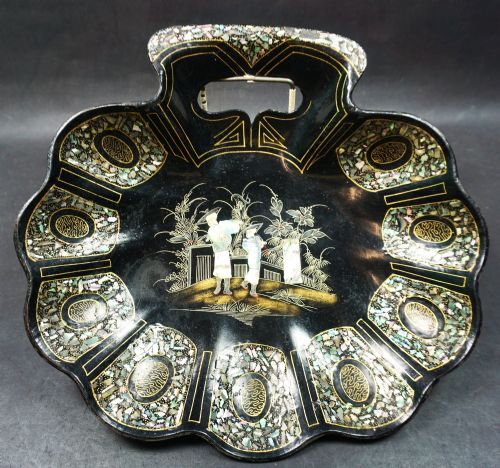
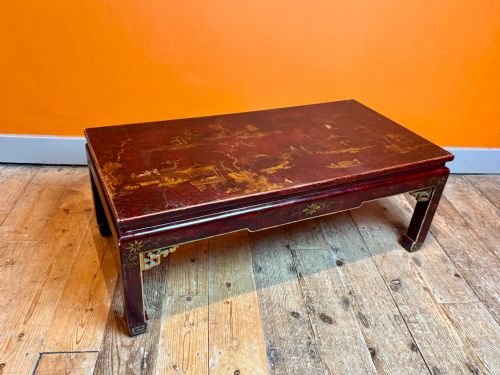
An antique chinoiserie table brings hand-painted narrative scenes, lacquered surfaces and evocative motifs from East Asian design into Western interiors.
Antique Chinoiserie Table
When searching for an antique chinoiserie table, buyers encounter a variety of functional forms designed for daily living and decorative display. The selection spans compact side pieces, occasional surfaces, nests of tables, and specialised work or sewing tables.
Originating from periods including the Regency, Victorian, and Edwardian eras alongside early 20th-century production, these pieces showcase diverse interpretations of Eastern motifs. Side tables and coffee tables predominate, often featuring painted landscapes, figures, and botanical themes on lacquered wood.
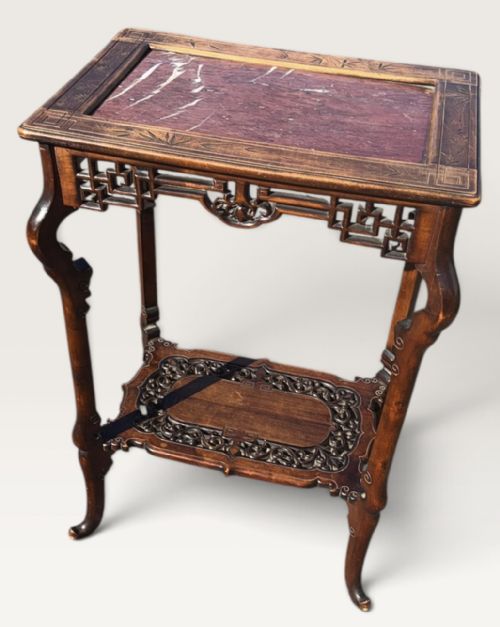
Examples range from 19th-century Chinese export pieces to British and European interpretations utilising japanning and faux bamboo. Buyers will find variations from black, red, and ochre lacquer grounds to rich rosewood and inlaid hardwood constructions.
Materials and Technique
The construction of these surfaces relies heavily on wood, lacquered wood, and hardwood, frequently finished with specialised painting and japanning techniques. Artisans applied multiple layers of lacquer to create deep, lustrous grounds in black, red, ochre, or cream before adding intricate hand-painted or gilt decoration.
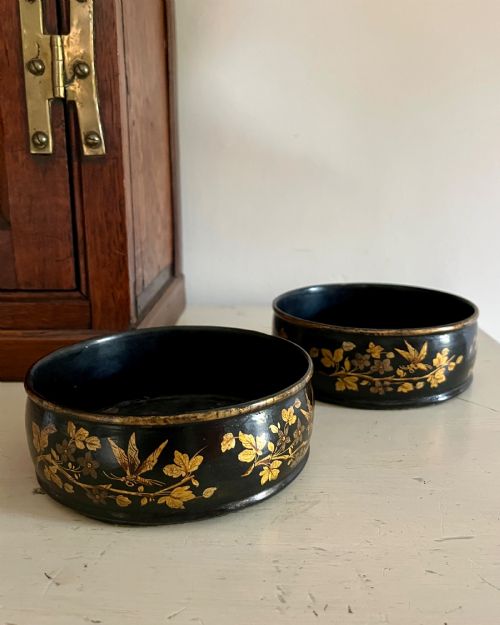
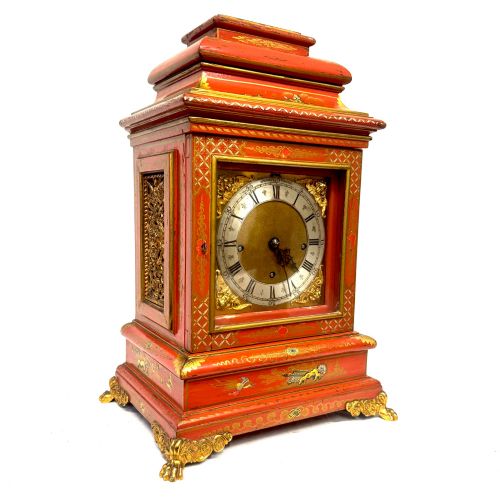
Gilt, gold leaf, and brass accents frequently highlight the structural edges, handles, and figural scenes, adding metallic contrast to the dark or vibrant lacquer. Faux bamboo turning and penwork surface decoration also appear across various periods, demonstrating the technical versatility employed by makers to mimic imported Asian aesthetics.
Antique Chinoiserie Table Retail Price Guide 2026
Typical asking prices for chinoiserie table among the pieces listed under this phrase on Sellingantiques today, from the lower quarter to the upper quarter. They describe what is for sale here now, not the wider market.
A preference for exotic taste led Victorian makers to carve ordinary timber into convincing bamboo stalks.
Craftsmanship and Detail
The distinction between tiers of quality rests in the depth of the lacquer work and the execution of the hand-painted scenes. Superior examples display meticulous brushwork, finely detailed figures and landscapes, and a durable, polished finish that has aged evenly over the centuries.
Structural integrity and the quality of underlying timbers, such as hardwood or rosewood rather than simpler secondary woods, separate standard pieces from exceptional ones. Furthermore, the precision of applied brass mounts, gilding, and joinery distinguishes finer workshop output from mass-produced decorative items.
Edwards and Roberts
The Antique Chinoiserie Table Glossary
- Chinoiserie
- European interpretation and imitation of Chinese and East Asian artistic traditions, popular in decorative arts and furniture design. It emphasises whimsical landscapes, pavilions, and figures.
- Japanning
- A type of European varnish and finishing technique that imitated Japanese and Chinese lacquerware. It typically involves building up layers of dark resin finished with gold or coloured painted scenes.
- Faux bamboo
- Wood turned or carved to imitate the segmented stalks of natural bamboo. This decorative technique was widely utilised in Regency and Victorian furniture.
- Penwork
- A surface decoration technique using ink or India ink applied to wood to create intricate linear designs resembling engravings. It is frequently found on early 19th-century work and sewing tables.
- Occasional table
- A small, versatile table designed for specific, temporary uses rather than a permanent central position in a room. These include wine tables, lamp tables, and small tea surfaces.
Antique Chinoiserie Table: Frequently Asked Questions
What is an antique chinoiserie table?
An antique chinoiserie table is a piece of furniture decorated with European interpretations of traditional Chinese and East Asian motifs, typically featuring hand-painted scenes on lacquered wood.
These surfaces range from small occasional and side tables to sewing and coffee tables produced across the Regency, Victorian, and Edwardian periods.
How were these tables used originally?
Many of these pieces served specific domestic functions in the home, such as holding lamps, displaying decorative objects, or serving tea.
Specialised variants like work tables and sewing tables included fitted compartments for needlework and crafting supplies, combining utility with ornamental appeal.
How do I care for a lacquered table?
Lacquered surfaces require gentle maintenance to preserve the delicate hand-painted decoration and clear finish over time. Dusting with a soft, dry cloth is recommended, avoiding harsh chemical cleaners or abrasive materials that could damage the varnish.
Keeping the table away from direct sunlight and excessive heat fluctuations protects the wood and lacquer from drying out or cracking.
How can I tell the period of a table?
Dating relies on examining the structural timber, the style of the legs and edging, and the specific palette of the lacquer work. Regency and Victorian examples often feature ebonised wood, faux bamboo, or meticulous penwork, while Edwardian and later pieces frequently utilise vibrant red, ochre, or black lacquer grounds.