


Oriental Carved Coffee Table
An oriental carved coffee table brings rich timber, deep relief, and distant trade routes directly to the centre of a modern room.

Oriental Carved Coffee Table
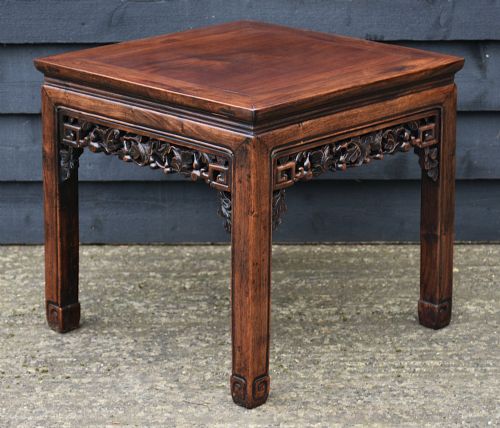
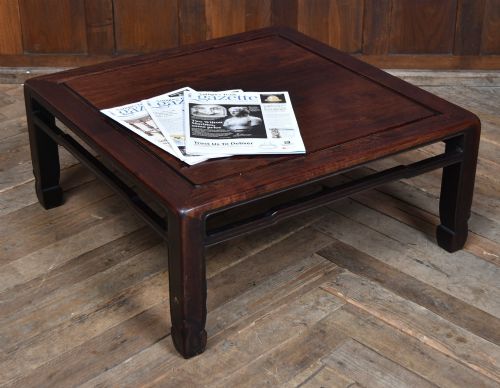
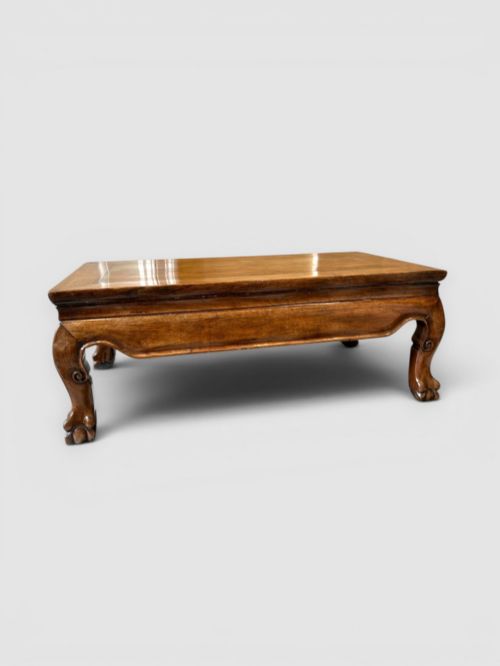
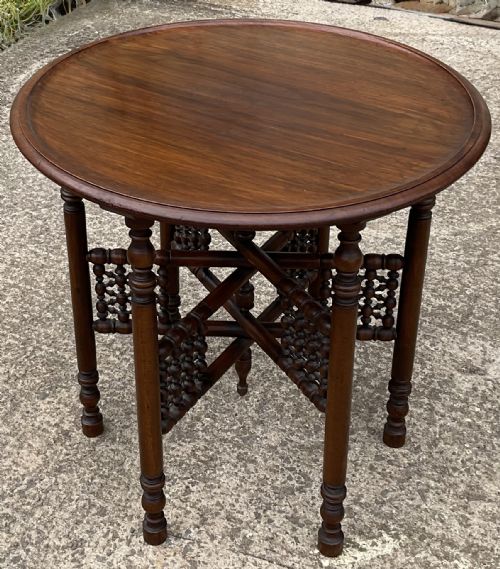
When you search for an oriental carved coffee table, you encounter low tables, opium tables, and occasional furniture spanning the nineteenth and twentieth centuries. These pieces originate from Chinese export workshops, Anglo-Indian colonial makers, and traditional regional production centres.
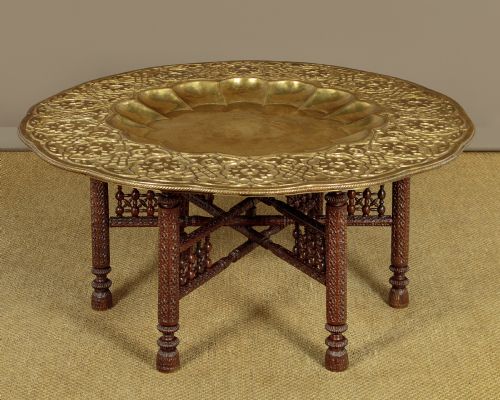
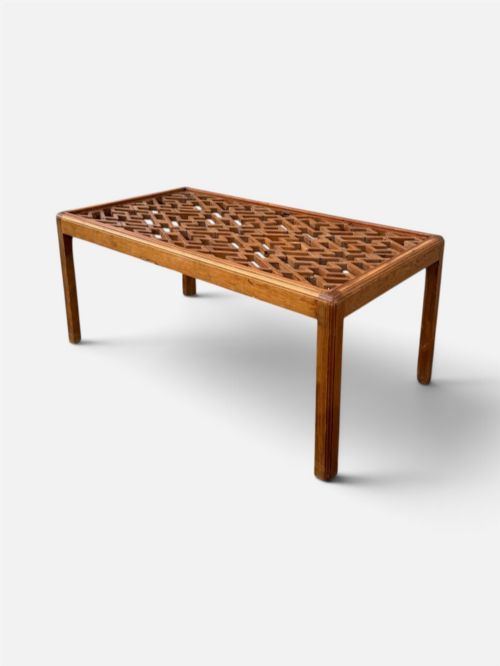
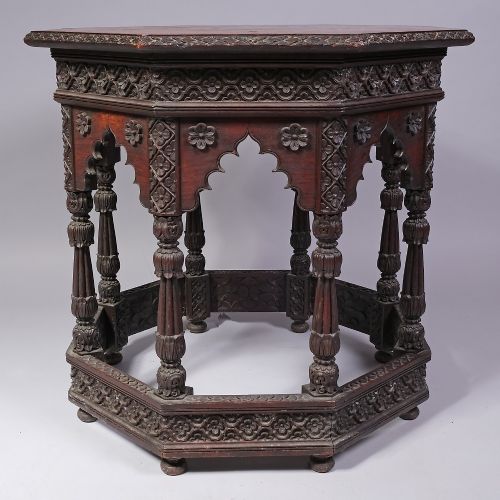
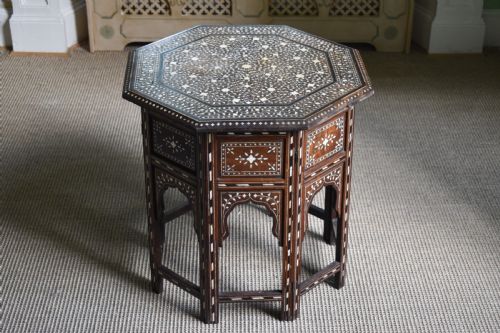
The version you are most likely to meet on this page is a low Chinese hardwood table or an octagonal Indian occasional piece. Forms range from simple folding coffee tables to nest sets and tables inset with glass tops over carved panels.
Materials and Technique
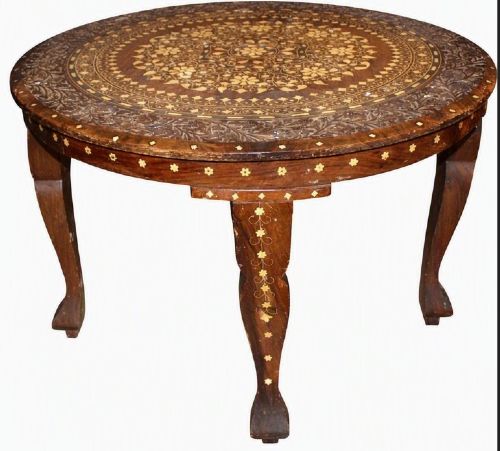
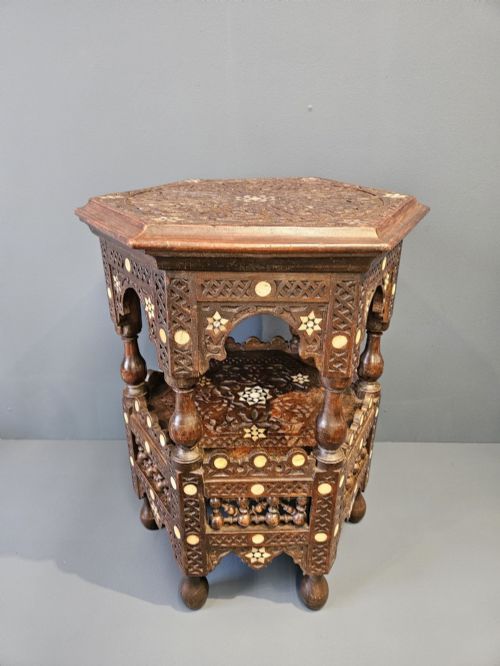
Maker workshops utilised dense timbers such as rosewood, teak, padouk, and general hardwoods alongside alternative surfaces of bone, copper, brass, and lacquer. These materials provided the heavy, durable substrate necessary for intricate chisel work.
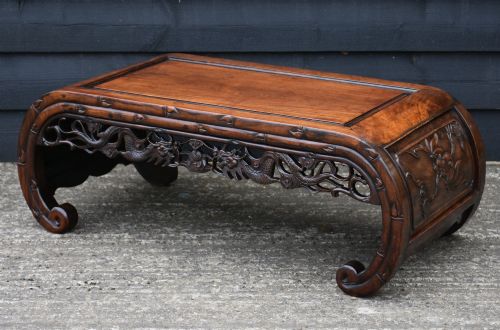
Craftsmen applied deep hand-carving, fretwork, raised relief, and bone inlay to depict dragons, elephants, and traditional scroll motifs. Construction often relied on traditional joinery techniques suitable for low domestic platforms and occasional furniture.
Judgement of Quality
Quality rests in the crispness of the hand-carving and the density of the chosen timber. Pieces displaying deep, detailed relief work on solid rosewood or padouk stand apart from simpler structures with shallow stamping.
The integrity of the construction and the depth of the natural wood patina distinguish superior examples. A well-preserved surface finish maintains the character of the grain beneath intricate figural and floral scenes.
Liberty & Co
The Oriental Carved Coffee Table Glossary
- Opium table
- A low domestic platform table traditionally used in Chinese interiors for resting or smoking. These forms provide the structural blueprint for many low coffee tables.
- Kang table
- A traditional Chinese low platform table designed for use on a heated brick bed or living platform. They frequently feature distinctive scroll ends.
- Padouk
- A heavy, durable tropical hardwood prized for its rich reddish-brown colour and stability in antique furniture construction.
- Bone inlay
- A decorative technique where small pieces of bone are set flush into timber surfaces to create intricate geometric or floral patterns.
Oriental Carved Coffee Table: Frequently Asked Questions
How were these tables used originally?
Many of these pieces began as low domestic furniture for sitting, serving tea, or resting within traditional households and colonial settings.
Over time, lower proportions made them natural candidates for conversion or direct use as modern coffee tables.
How do I care for a hardwood table?
Maintain the timber by keeping it away from direct heat sources and sudden humidity changes that can dry out the wood.
Apply natural wax polish sparingly to preserve the finish and protect the hand-carved details from dust accumulation.
How can I tell the period of a table?
Dating relies on examining the timber weight, construction joints, tool marks, and the style of the carving. Nineteenth-century examples often display denser hardwoods and deeper hand-chiselled relief than mid-century pieces.