

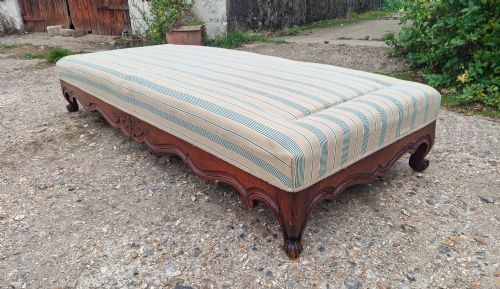


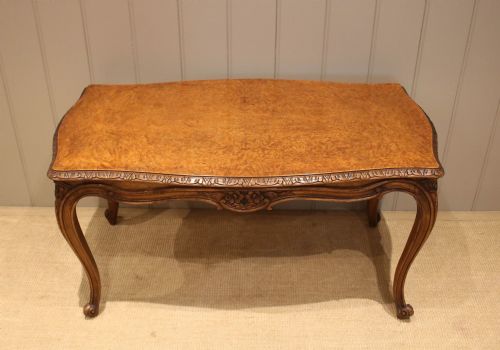

Carved Apron Coffee Table
A carved apron coffee table brings low-slung, sculptural timber into a modern room, drawing the eye straight to the intricate woodwork beneath the top.
Carved Apron Coffee Table
A carved apron coffee table sits low to the ground, taking its primary inspiration from traditional Chinese low tables, Kang tables, and opium tables. These low-profile pieces serve modern living rooms as central coffee tables while retaining their original proportions.
The most common examples encountered here are constructed from oriental hardwoods, with rosewood appearing frequently alongside elm and teak. They span periods from the nineteenth century into the early twentieth century, reflecting diverse regional origins.
Beyond the standard low table format, buyers also encounter related forms including side tables, nest of tables arrangements, and circular low tables. Each variation retains the defining lowered height and decorative apron beneath the surface.
How they were made
Cabinetmakers utilised dense timbers such as rosewood, padouk, and general oriental hardwood, selecting materials capable of holding sharp, deep relief carving along the structural rails. These heavy woods provide the natural structural integrity required for low-slung furniture without relying on bulky legs.
Surface finishes vary from polished timber showing a natural patina to painted or lacquered coats, particularly visible on red lacquer variants and Scandinavian country painted pieces. Joinery techniques prioritize mortise and tenon construction to secure the carved aprons firmly to the legs.
Carved Apron Coffee Table Retail Price Guide 2026
Typical asking prices for carved apron coffee table among the pieces listed under this phrase on Sellingantiques today, from the lower quarter to the upper quarter. They describe what is for sale here now, not the wider market.
Listings feature eighteenth-century Georgian oak alongside nineteenth-century Chinese rosewood and twentieth-century elm.
What varies in quality
The depth, crispness, and complexity of the woodwork define the upper tier of these pieces, distinguishing hand-carved relief work from softer, shallower execution. Timber selection also dictates grade, with figured rosewood and huanghuali sitting above standard mixed hardwoods.
Surface condition and original finish preservation determine the distinction between refined examples and simpler utility items. Pieces retaining an unblemished natural patina or intact traditional lacquer display greater craftsmanship and historical integrity.
The Carved Apron Coffee Table Glossary
- Apron
- The structural wooden member beneath the tabletop that connects the legs. On these tables, this component carries the characteristic carving.
- Kang table
- A low Chinese table traditionally placed upon a heated brick bed for dining or resting. Modern interiors utilise them as low coffee tables.
- Opium table
- A low-format traditional table originating in Asia, typically featuring scrolled or carved aprons. They share the low stance of the Kang table.
- Padouk
- A dense tropical timber valued for its rich reddish-brown colour and durability. Cabinetmakers selected it for fine carved furniture.
- Patina
- The surface sheen and mellowing developed by timber over decades of use and handling. A good patina indicates age and regular maintenance.
Carved Apron Coffee Table: Frequently Asked Questions
How do I style a low coffee table?
Pair a low carved table with low-profile seating to maintain the correct visual proportions in the room. Keep decorative items minimal so the carved apron remains visible from a seated position.
Allow enough clear floor space around the edges of the table to let the legs and feet breathe within the room.
Were these always coffee tables?
Most of these low wooden pieces were originally built for sitting, eating, or resting on platforms rather than serving as Western coffee tables. Their low height made them functional for floor-level living in traditional homes.
Twentieth-century interior design repurposed these domestic objects into low coffee tables for modern seating arrangements.
How do I clean antique hardwood?
Dust the carved crevices regularly with a soft, dry brush to prevent dirt accumulation in the intricate relief work. Avoid harsh chemical cleaners that can strip the natural oils from dense hardwoods.
Apply a quality furniture wax sparingly when the timber appears dry, buffing it gently to maintain the surface sheen.
What is the difference between a Kang table and an opium table?
Kang tables were traditionally designed for use on raised brick platforms in northern Chinese homes. Opium tables share a similar low stature and often feature comparable scrolled apron designs.
Both terms describe low-profile Asian tables now commonly grouped under the broader coffee table category.