



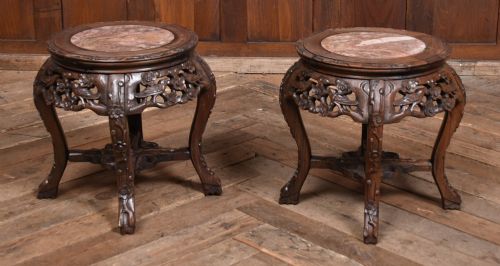

Carved Rosewood Low Table
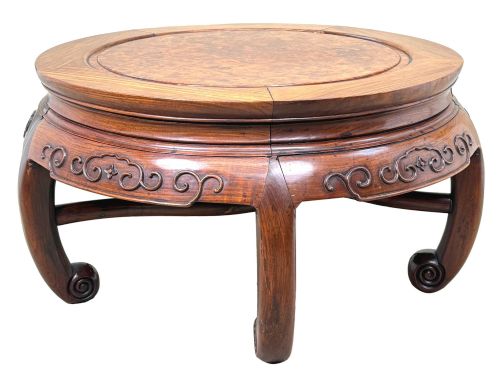
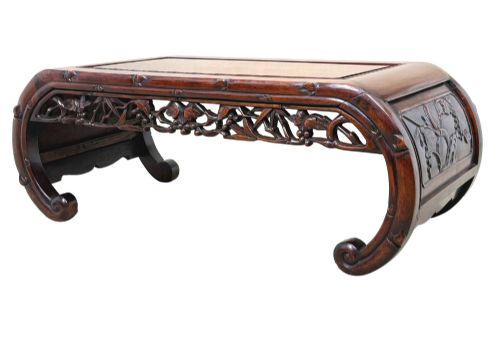
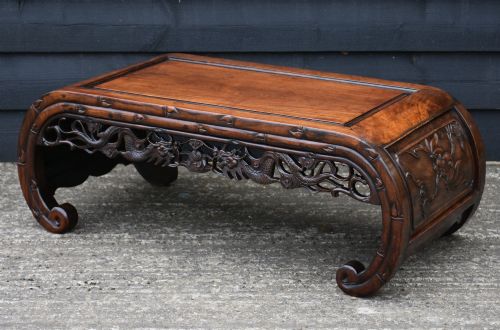
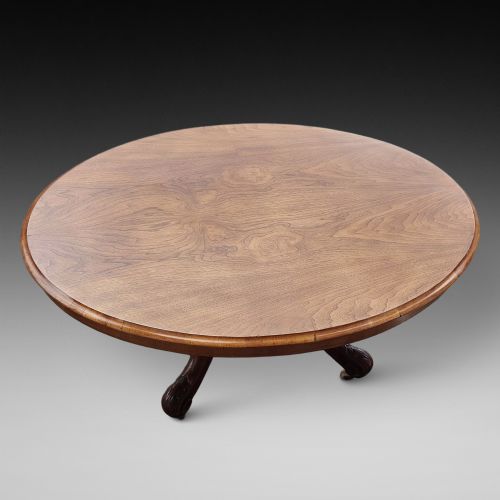
These carved rosewood low table examples are dense hardwood surfaces built for low seating, offering tactile grain and heavy carving.
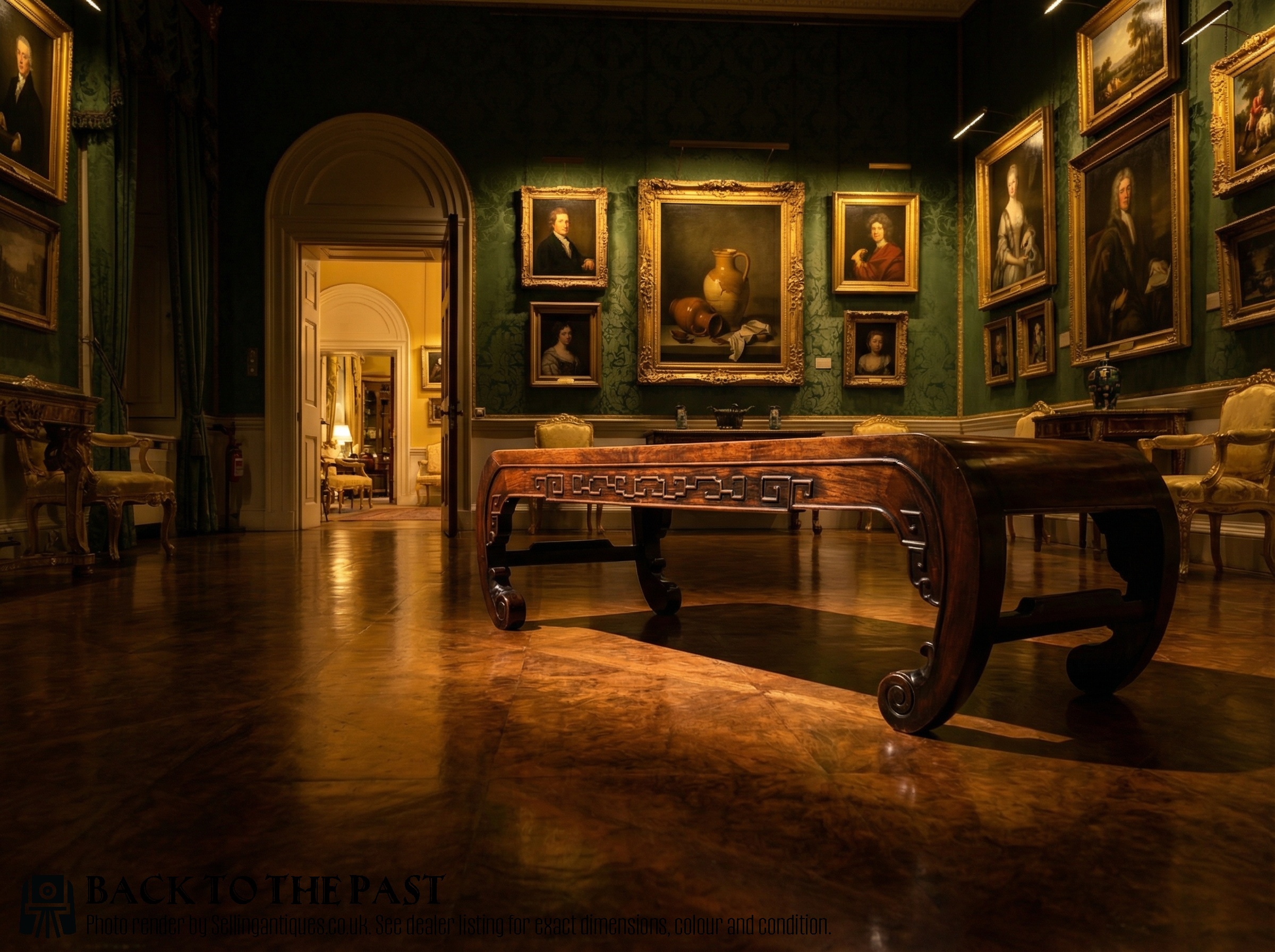
Carved Rosewood Low Table
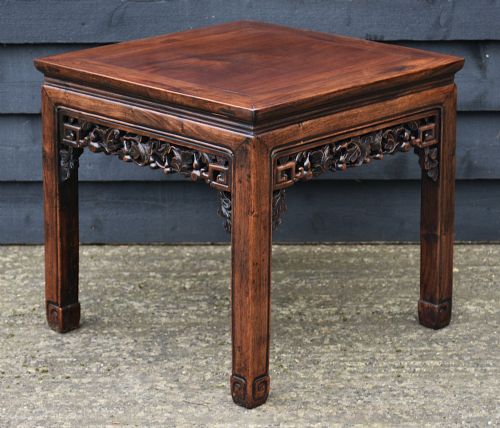
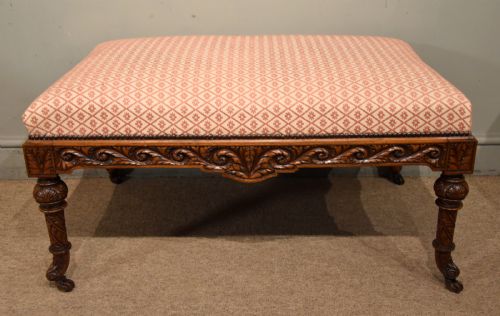
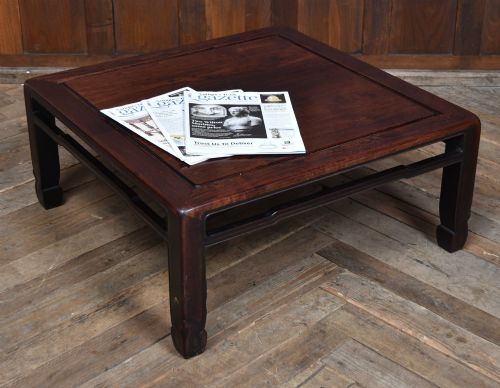
A carved rosewood low table brings dense tropical timber and low-slung proportions into a room, originating mostly from nineteenth-century workshops in China and British colonial centres. When you search for a carved rosewood low table, you encounter forms that range from nineteenth-century Chinese kang and opium tables to Anglo-Indian occasional pieces and Regency coffee tables. These pieces sit close to the floor or serve as low display platforms, often featuring shaped aprons and intricate carved details.
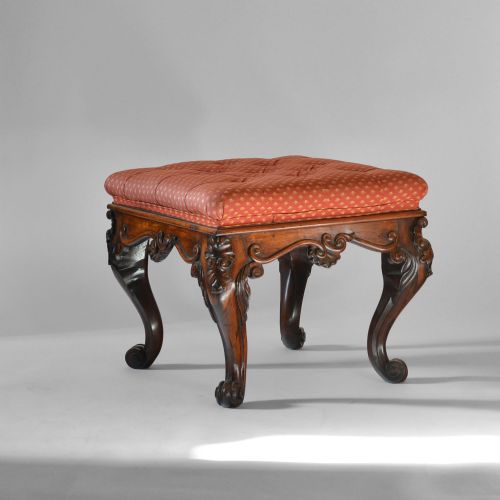
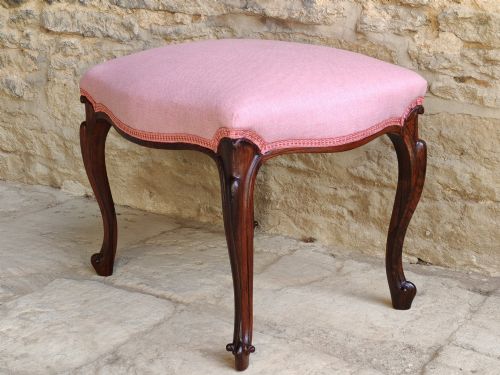
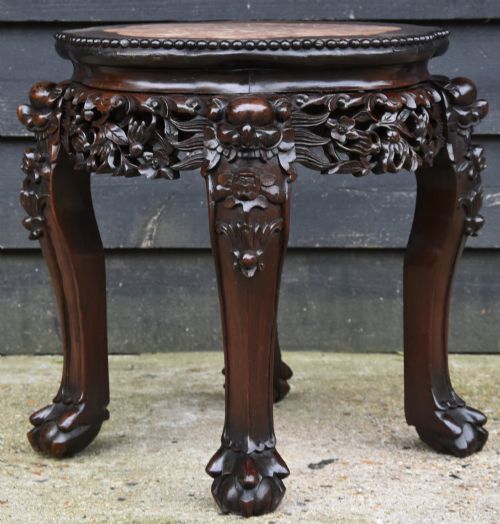
The Chinese export and traditional examples dominate the selection, built from rosewood, hongmu, padouk, and other dense oriental hardwoods. Alongside these low tables, the evidence includes related forms such as plant stands, footstools, and small coffee tables from the Victorian and Regency periods. Most pieces date from the nineteenth century through to the early twentieth century, reflecting varied regional carving traditions.
How they were made
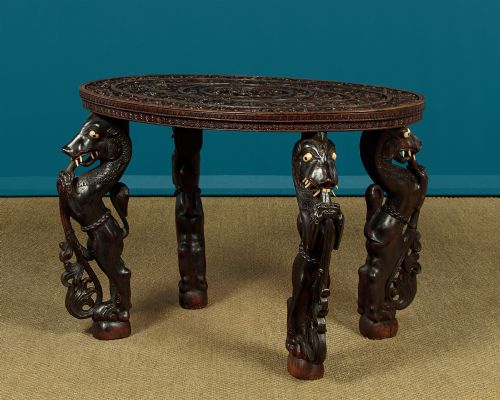
Cabinetmakers utilised heavy tropical timbers including rosewood, hongmu, padouk, and general oriental hardwood, chosen for their dense grain and deep natural colour. These woods allowed artisans to carve crisp details directly into the solid material, creating high-relief floral motifs, scroll ends, and dragon designs.
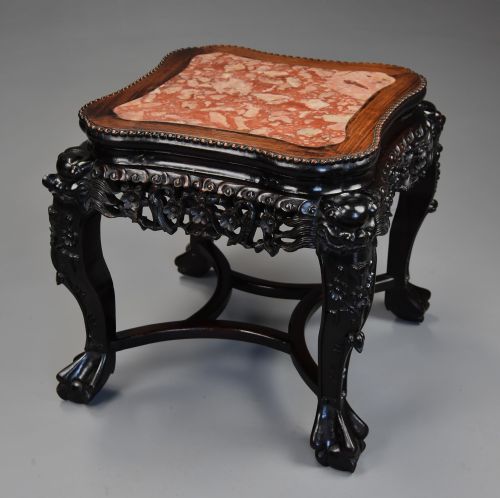
Construction methods rely on traditional joinery that accommodates the weight and movement of dense hardwoods without metal fasteners. Some surfaces incorporate inset marble tops or brass accents, secured within tightly fitted wooden frames to support heavy objects or display items.
Carved Rosewood Low Table Retail Price Guide 2026
Typical asking prices for carved rosewood low table among the pieces listed under this phrase on Sellingantiques today, from the lower quarter to the upper quarter. They describe what is for sale here now, not the wider market.
The site listings feature rosewood, hardwood, marble, and brass across nineteenth-century Victorian, Regency, and Qing Dynasty periods.
What varies in quality
The depth and crispness of the carving separate standard workshop production from finer collector pieces, particularly on aprons and scroll ends. Sharp, undercut details show skilled hand work, while softer or shallower carving indicates a more utilitarian output.
The choice and figure of the timber also define the grade, with heavily figured rosewood or dense hongmu commanding greater visual presence. Uniformity in the colour of the wood and the stability of the inset marble or panel tops further distinguish superior examples.
Gillows
The Carved Rosewood Low Table Glossary
- Kang table
- A low platform table traditionally used on a heated brick bed in northern China for dining or writing. These surfaces sit very low to the ground and often feature scroll ends.
- Hongmu
- A Chinese term meaning red wood, applied to dense, hard tropical timbers used for fine furniture. It encompasses several heavy species with deep reddish-brown tones.
- Padouk
- A heavy tropical hardwood with a distinctive reddish hue, frequently utilised in Anglo-Indian and oriental furniture making. It finishes to a smooth, durable surface.
- Opium table
- A common descriptor for a small, low-stilted wooden table originating in nineteenth-century Asia. They were traditionally used for serving tea or recreation.
- Scroll end
- A table end finished in a curved, volumetric roll reminiscent of a rolled manuscript or scroll. This feature appears frequently on Chinese export low tables.
Carved Rosewood Low Table: Frequently Asked Questions
What is a carved rosewood low table used for?
These low surfaces serve primarily as coffee tables, display stands, or occasional tables in modern interiors. Their modest height suits placement in front of low seating or beneath windows.
Historically, similar forms supported tea sets, scholarly objects, or domestic items in Chinese and colonial households. Today they function effectively to anchor a seating arrangement while introducing dense wood grain.
How do I date a nineteenth-century low table?
Dating relies on examining the timber density, tool marks, and stylistic markers such as carved dragon details or scroll ends. Nineteenth-century pieces typically show hand-cut joinery and heavy rosewood or hongmu construction.
Later pieces from around nineteen hundred often adopt similar Qing Dynasty conventions but may display different wear patterns and assembly methods. Comparing the style of the apron and legs to documented period examples helps confirm the era.
Are these tables solid rosewood?
Most pieces utilise dense tropical hardwoods such as rosewood, padouk, or hongmu throughout their primary structure. The weight of the furniture reflects this solid timber composition.
Some variants incorporate inset panels of marble or secondary hardwoods for decorative contrast. Cabinetmakers selected these heavy materials specifically to withstand intricate hand carving.
How do I care for a rosewood surface?
Maintain the timber by dusting regularly with a dry, soft cloth and avoiding direct exposure to strong sunlight. Excessive heat or dryness can cause natural shrinkage in antique hardwoods.
Apply a traditional wax polish sparingly if the wood appears dry, buffing it gently to preserve the natural sheen. Avoid using modern chemical sprays or placing wet items directly on the polished surface.