

Traditional Wood Coffee Table
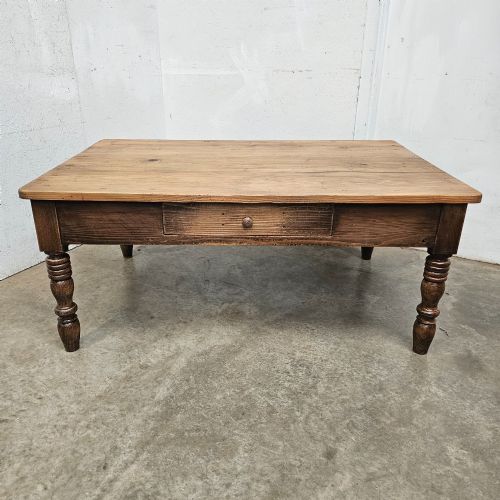
A traditional wood coffee table brings warmth and utility to a room, offering sturdy timber surfaces crafted over the past centuries.
Traditional Wood Coffee Table
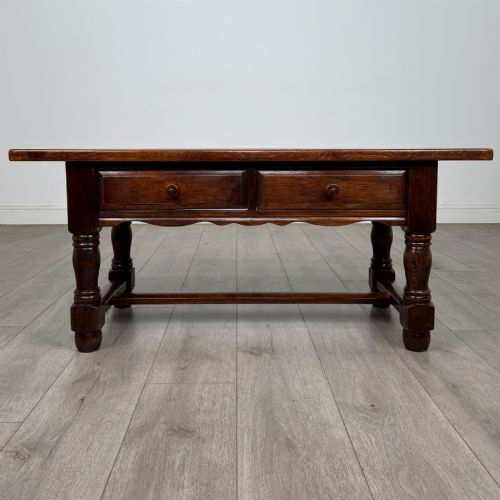
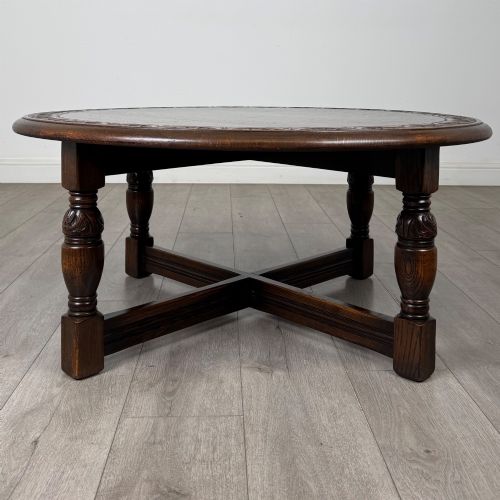
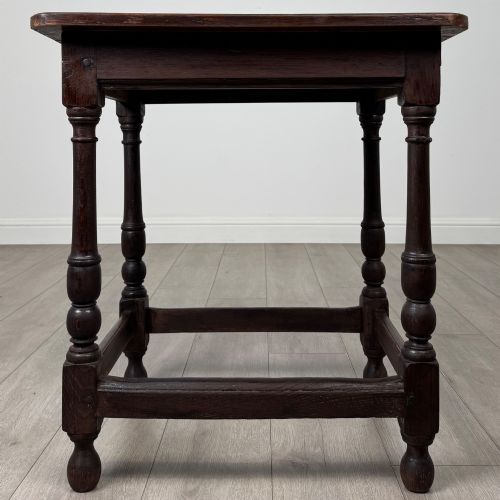
A traditional wood coffee table spans a variety of historical periods and regional forms, including English oak planks, French fruitwood designs, and Chinese elm low tables. Buyers seeking this search phrase often encounter nineteenth-century pieces alongside Edwardian nests of tables and rustic farmhouse items.
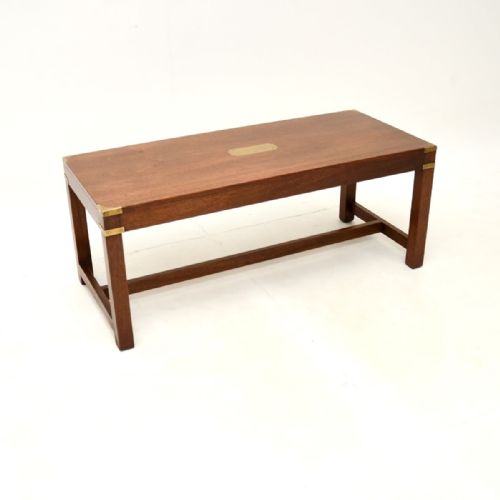
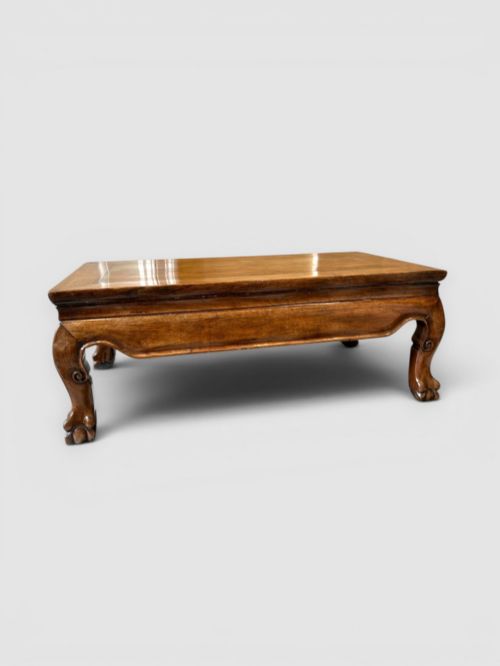
The selection ranges from low opium tables and butlers trays on stands to oval Victorian centre tables and inlaid mahogany occasional pieces. Timber choices extend from native British hardwoods to exotic rosewood and padouk.
Many items originate from domestic or farmhouse settings, reflecting practical historical uses adapted into low coffee tables for modern living spaces.
How they were made
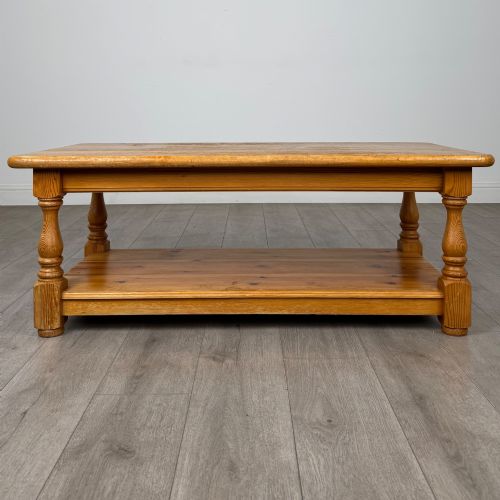
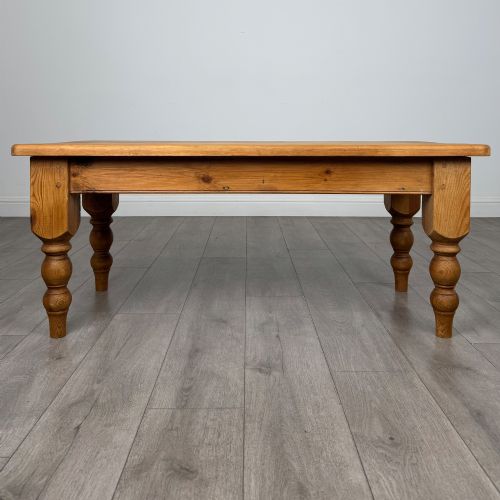
Construction relies heavily on solid hardwoods like mahogany, oak, elm, walnut, and pine, frequently shaped with turned legs or planked timber tops. Artisans utilised traditional joinery methods suited to the specific timber, whether dealing with dense rosewood or softer fruitwood.
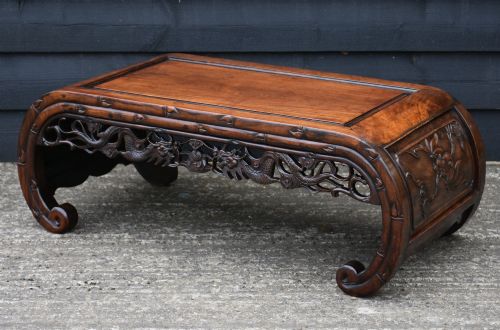
Surface finishes include simple wax polish on rustic pine and elm, intricate lacquer on Chinese tables, and delicate inlay work on Edwardian mahogany pieces. Brass hardware and dragon details occasionally accent the woodwork on oriental low tables.
Listings feature pieces spanning the eighteenth to the twentieth centuries, utilising mahogany, oak, elm, pine, and walnut.
What varies in quality
Quality rests upon the selection of timber and the precision of the joinery, distinguishing straightforward utilitarian benches from finely figured walnut or oyster veneer work. The integrity of the structure and the character of the grain dictate the standing of each piece.
Finishing techniques also mark the distinction between everyday vernacular items and high-status furnishings, visible in the depth of polish and the restraint of decorative carvings.
The Traditional Wood Coffee Table Glossary
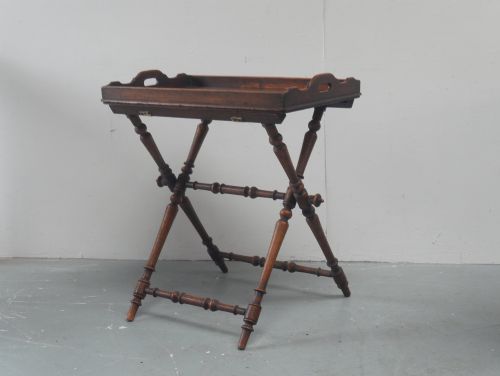
- Butlers tray
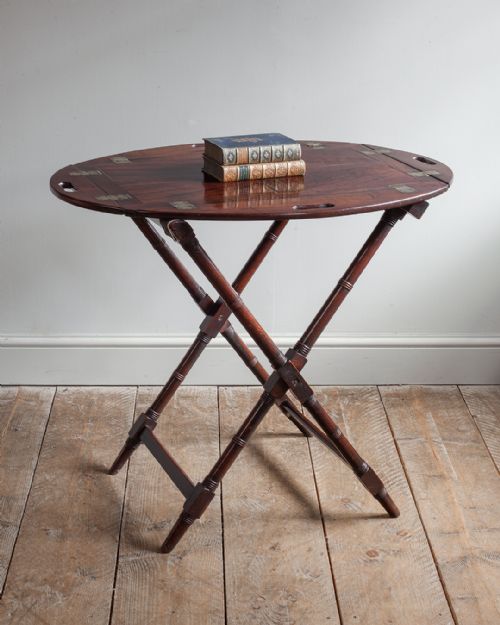
- A removable wooden tray with panelled sides, originally designed for carrying silver and set upon a folding wooden stand.
- Oyster veneer
- Decorative woodwork formed by cross-cutting small branches to create circular, oyster-like patterns across a tabletop.
- Opium table
- A low Chinese domestic table traditionally used for social gatherings and resting items near the floor.
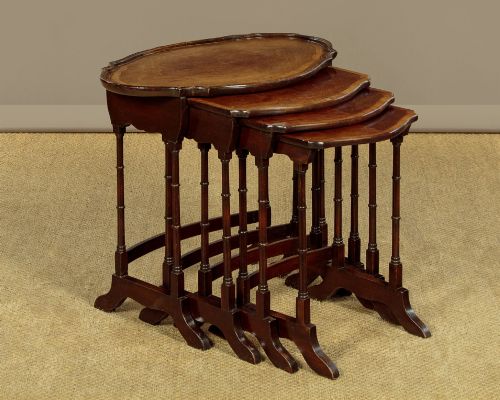
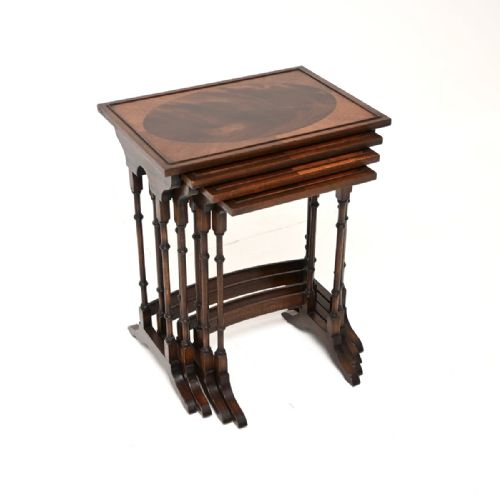
- Nest of tables
- A set of graduated tables designed to fit neatly beneath one another when not in use.
- Chinoiserie
- European decorative style executed in imitation of Chinese motifs, often featuring lacquer and painted details.
Traditional Wood Coffee Table: Frequently Asked Questions
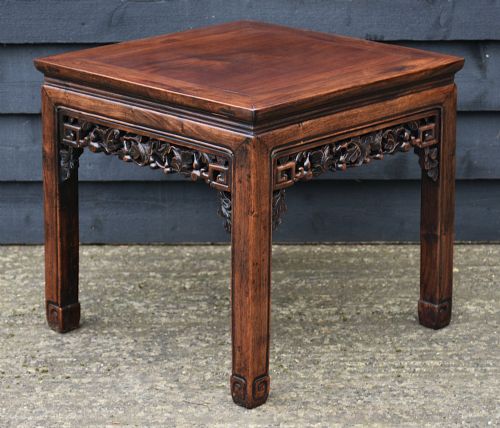
What is an opium table?
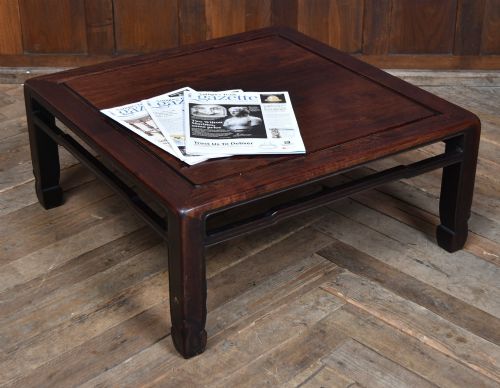
An opium table is a low wooden table originating from China, historically used for resting items or social activities near the floor. These low pieces function well as compact coffee tables in modern interiors.
They often feature dense hardwoods like elm or rosewood, sometimes accented with carved details such as dragons.
How do I use a butlers tray table?
A butlers tray table consists of a removable tray resting on a folding stand, designed for portability and easy storage. In a living room, it serves as a flexible surface for drinks and books.
The raised edges of the tray keep items secure, and the stand can be folded flat when floor space is needed.
What distinguishes Edwardian tables?
Edwardian tables often display lighter proportions and refined inlays, reflecting the styles popular at the start of the twentieth century. Mahogany is frequently utilised for these pieces.
You will often find nests of tables or side tables from this period featuring delicate tapered legs.