
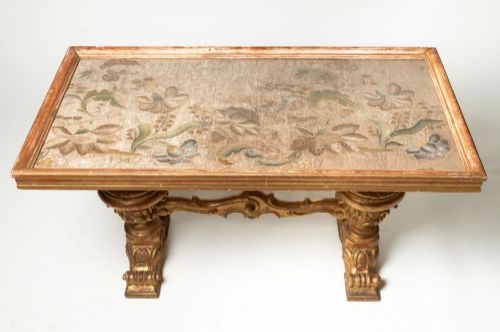
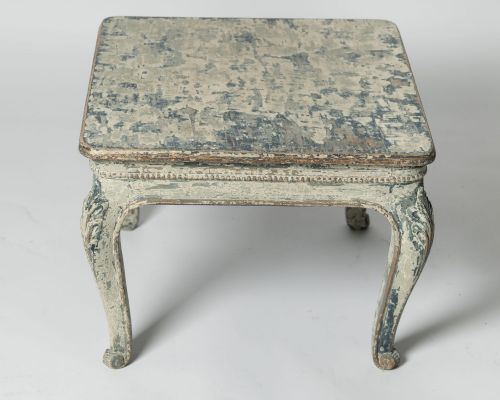
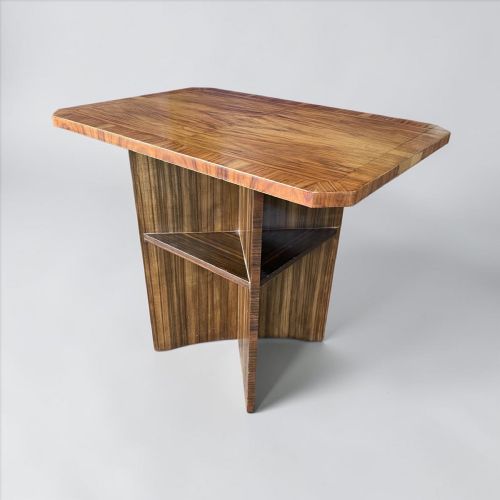
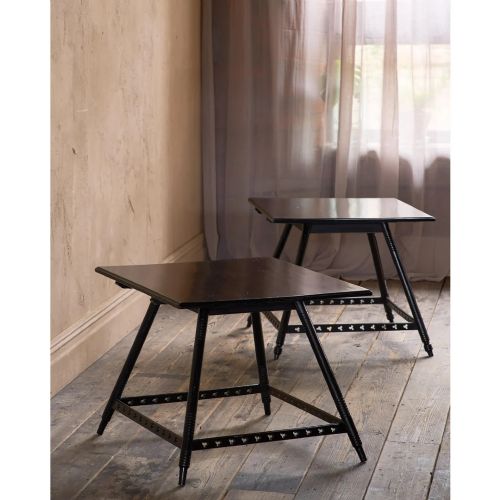
Antique Low Accent Table
An antique low accent table brings intimate proportion and solid character to a room, offering a functional surface close to the floor.
Antique Low Accent Table
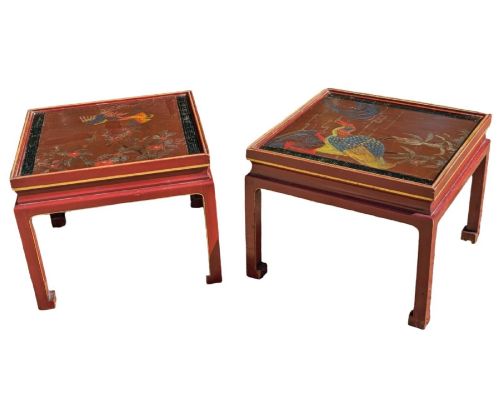
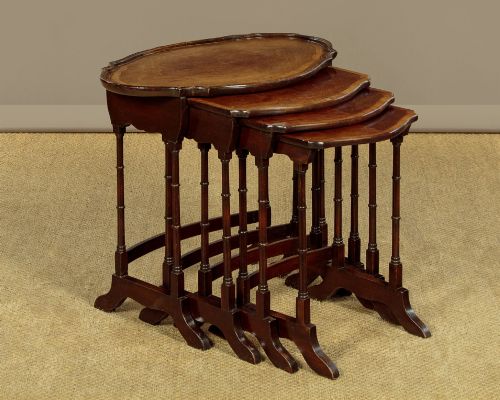
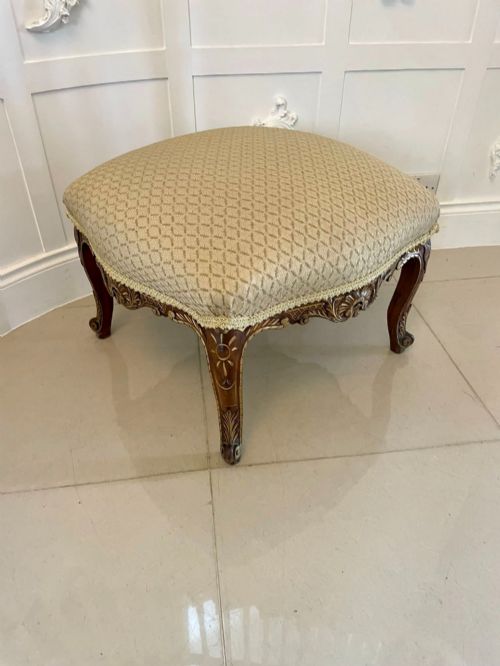
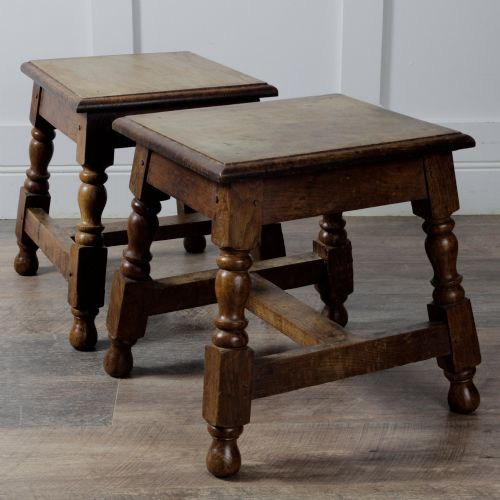
When searching for an antique low accent table, buyers encounter a diverse mix of low-slung domestic furniture designed for compact placement. The selection spans centuries of regional cabinet-making, from sturdy British joint stools and low boy side tables to continental coffee tables and oriental opium tables.
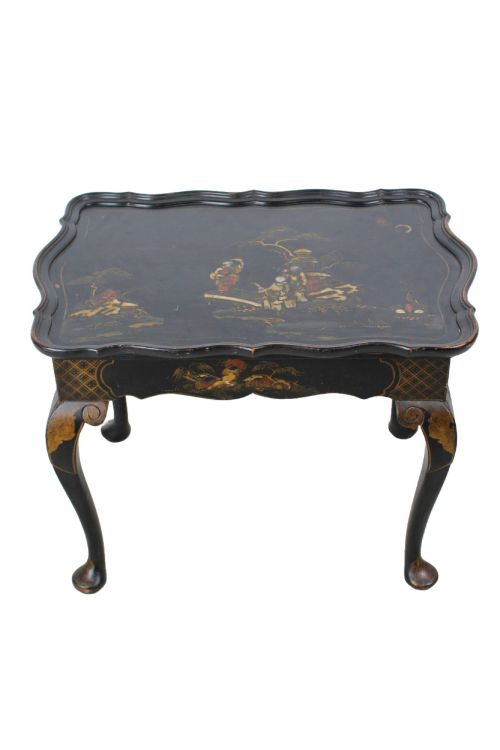
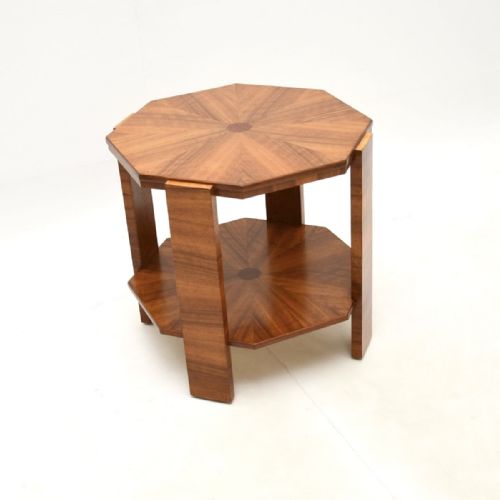
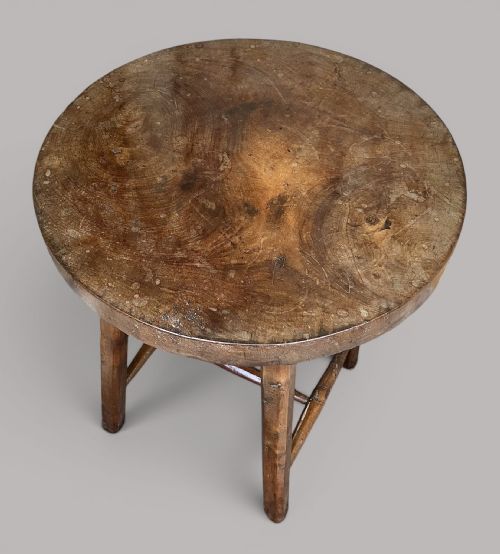
Most pieces on display date from the nineteenth and twentieth centuries, utilising traditional timbers like oak, walnut, and elm. Forms range widely from plain country vernacular to decorative Edwardian chinoiserie, French provincial styles, and art deco designs.
How they were made
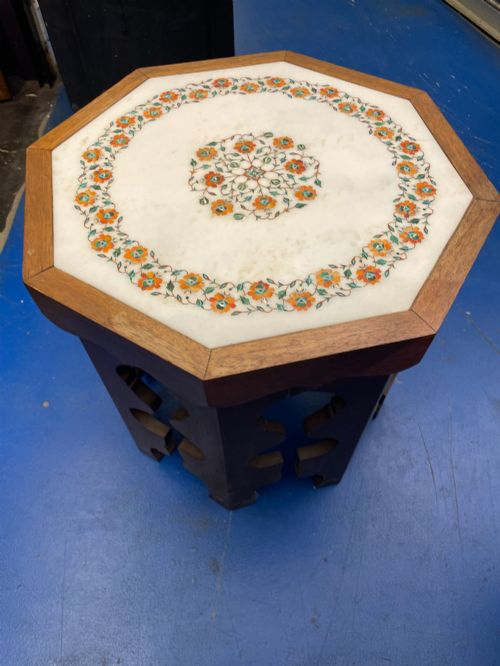
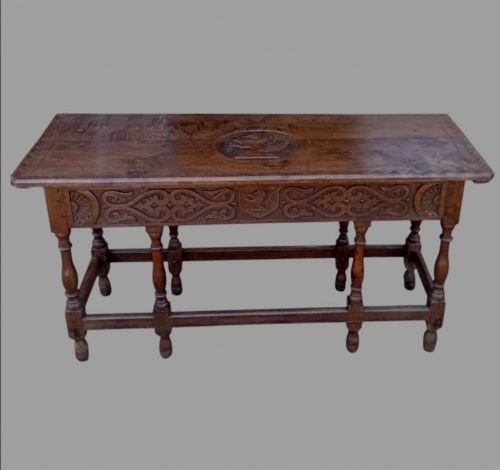
Cabinet-makers relied on solid hardwoods such as oak, walnut, mahogany, and elm, often joining structural components with traditional framing techniques. Surface enrichment involved marquetry inlay, hand-carving, parcel-gilding, and dark lacquering.
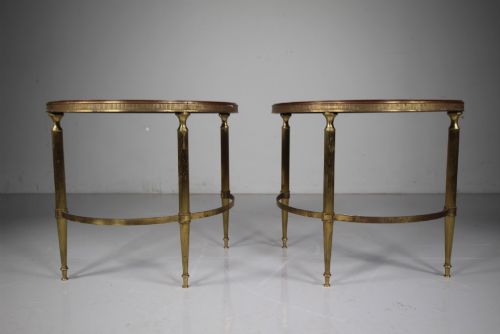
Many items incorporate brass fittings or marble tops, particularly on nineteenth-century French and Italian pieces. Construction prioritized durability, utilising heavy timbers and pegged joints suited to daily domestic service.
Listings feature items built from oak, walnut, elm, satinwood, and cherrywood across eighteenth, nineteenth, and twentieth-century periods.
What varies in quality
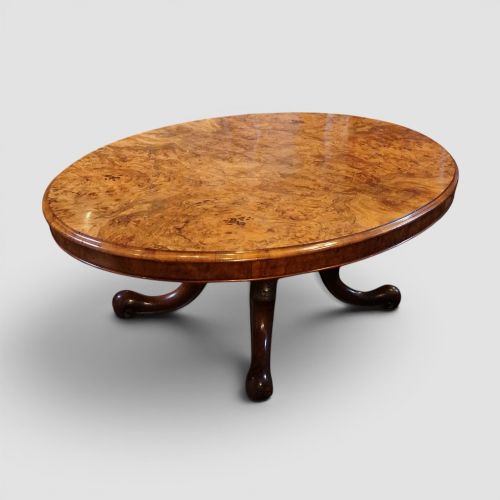
The distinction between standard utility items and finer pieces lies in the selection of timber and the precision of the joinery. Burr walnut veneers, intricate marquetry inlay, and detailed hand-carving elevate the visual weight of a table.
Maker attribution also influences standing, with documented firms commanding greater attention than anonymous provincial workshop production. Original surface patination and the retention of primary hardware dictate the integrity of a survivor.
Edwards and Roberts
The Antique Low Accent Table Glossary
- Joint stool
- A sturdy wooden stool built with pegged mortise and tenon joints, frequently utilised as a low stand or side table in early interiors.
- Low boy
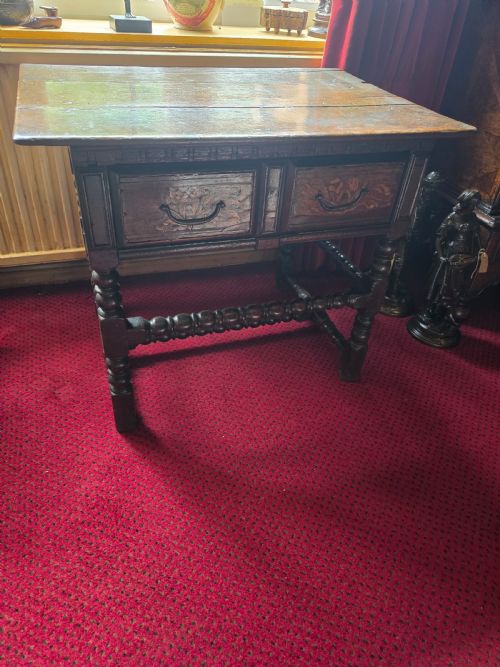
- A small eighteenth-century dressing or side table featuring drawers beneath the working surface, raised on slender legs.
- Kang table
- A low domestic platform table originating in Asia, traditionally used for resting, writing, or serving tea.
- Marquetry
- Decorative veneer work arranged in pictorial or geometric patterns using various coloured woods and materials.
- Demi-lune
- A half-moon shape used for console and side tables designed to sit flush against a wall.
Antique Low Accent Table: Frequently Asked Questions
How were low accent tables used originally?
These low surfaces served practical functions in domestic spaces, acting as stands for candles, tea service, or bedside belongings. Lower forms accommodated kneeling postures or supported decorative objects near seating.
Over time, many of these utilitarian items adapted to modern seating arrangements as coffee tables or display stands.
How do I identify the period of an oak table?
Period identification relies upon construction methods, tool marks, and timber selection visible across the frame. Seventeenth and eighteenth-century examples display hand-split boards and pegged joinery, whereas later revival pieces show mechanical sawing.
Style indicators like linenfold carving, chunky stretchers, or turned legs further anchor a piece to a specific decade.
Are oriental low tables difficult to place?
Oriental low tables integrate smoothly into contemporary rooms by adding textural contrast and varied height levels. Their dark hardwood construction pairs well with minimalist or eclectic seating arrangements.
Placing them before low sofas creates a grounded focal point that mirrors their original domestic placement.
What is the difference between a side table and a low boy?
A side table typically offers a simple surface supported by legs and stretchers, intended for peripheral placement in a room. A low boy specifically incorporates one or more drawers beneath the tabletop, originating as a refined dressing or writing piece.
Both provide compact surfaces, but the low boy involves more complex cabinet-making.