



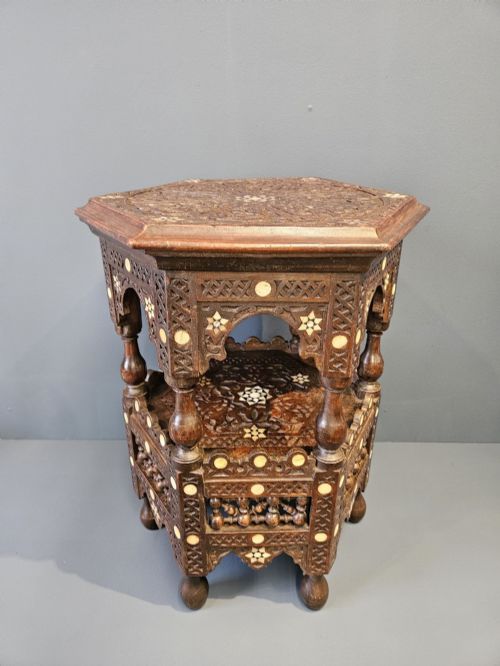

Oriental Hardwood Coffee Table
An oriental hardwood coffee table brings dense grain and low profiles into a room, spanning Qing Dynasty traditions and colonial workshops.
Oriental Hardwood Coffee Table
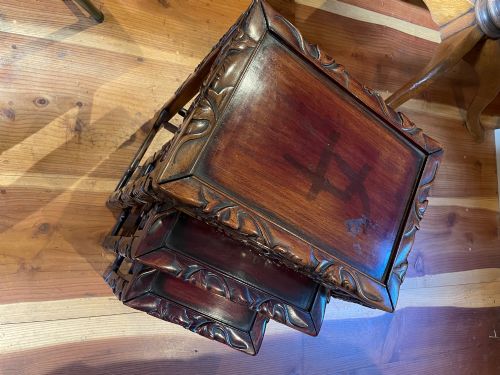
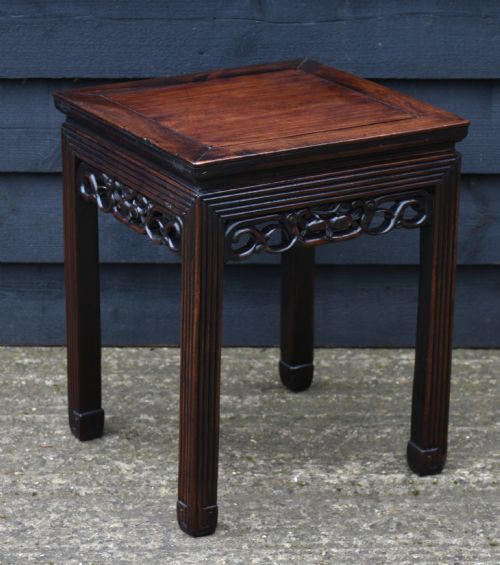
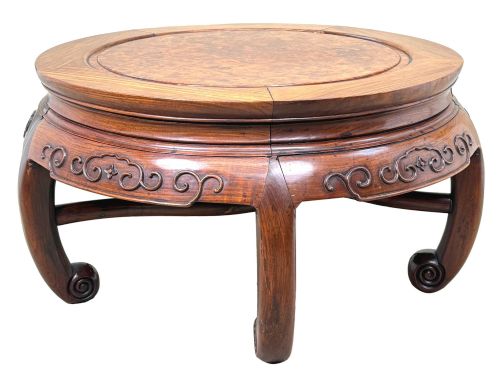
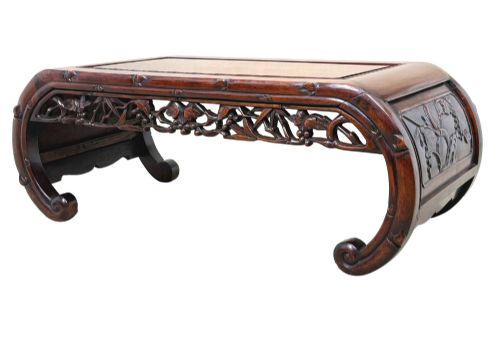
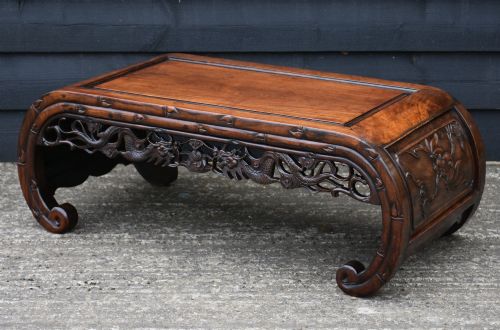
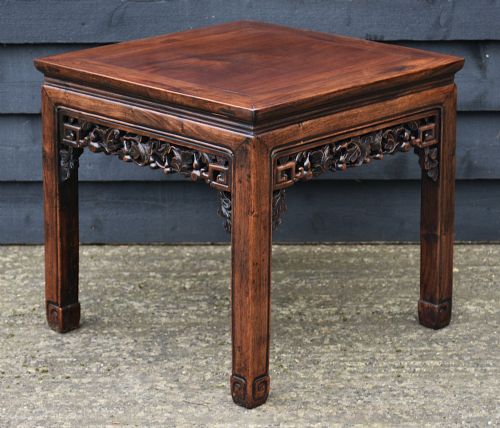
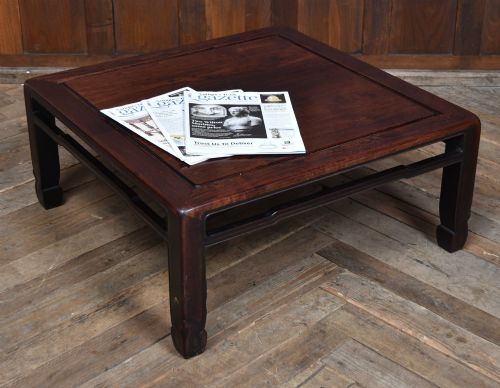
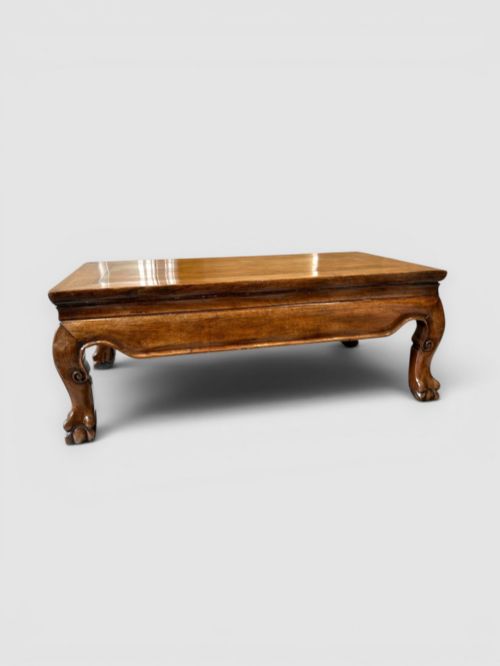
An oriental hardwood coffee table encompasses low forms designed for domestic use, predominantly appearing as nineteenth-century Chinese opium tables, kang tables, and nests of four tables.
Makers produced these pieces using dense timbers such as rosewood, padouk, and hongmu, shaping low rectangular, square, or octagonal formats intended for sitting close to the floor.
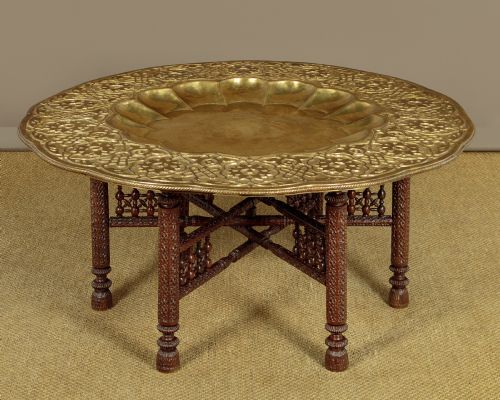
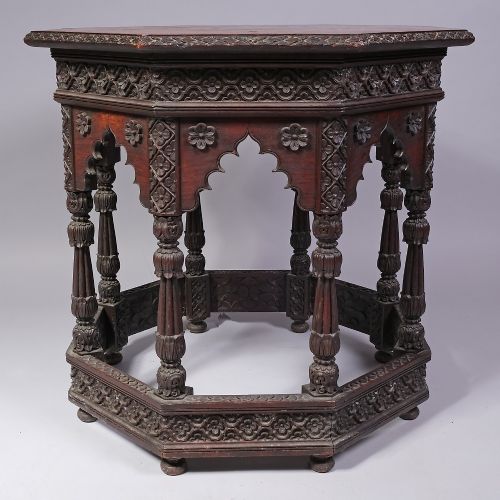
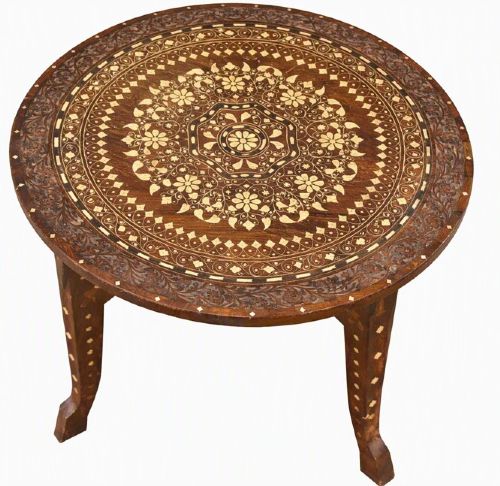
The selection ranges from traditional Chinese export styles to Anglo-Indian colonial pieces incorporating bone inlay, brass, and carved elephant motifs.
Materials and Construction
Carpenters utilised heavy hardwoods including rosewood, teak, elm, and padouk, relying on their natural weight and stability to construct solid low tables without excessive metal fixings.
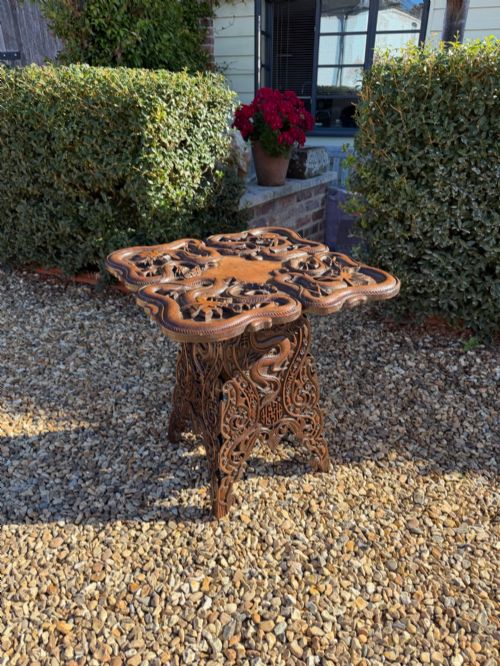
Surfaces frequently display intricate hand carving depicting dragons, scrolls, and floral patterns, sometimes complemented by bone, copper, or stone inlay work embedded directly into the timber.
Oriental Hardwood Coffee Table Retail Price Guide 2026
Typical asking prices for oriental hardwood coffee table among the pieces listed under this phrase on Sellingantiques today, from the lower quarter to the upper quarter. They describe what is for sale here now, not the wider market.
Assessing Quality and Execution
Superior examples demonstrate depth of patina and crispness in the hand-carved details, whereas lesser items show blunt chisel work and flat, uniform surface finishes.
The integrity of the timber joints and the selection of dense grain woods such as hongmu or padouk distinguish master workshops from standard commercial production.
Liberty & Co
The Oriental Hardwood Coffee Table Glossary
- Kang table
- A low platform table traditionally placed upon a heated brick bed in northern China for dining or writing. These forms frequently adapt well to modern coffee table heights.
- Opium table
- A low rectangular or square table originating in nineteenth-century China, characterised by short legs and scrolling feet. They provide compact surface space suited to low seating arrangements.
- Padouk
- A heavy, durable reddish-brown tropical hardwood utilised in classical Chinese furniture construction. It darkens gracefully over time with exposure to light.
- Hongmu
- A translation meaning red wood, referring to dense and valuable Chinese hardwoods including rosewood varieties. It forms the structure of high-status antique tables.
- Nest of tables
- A set of graduated tables designed to stack neatly beneath one another when not in use. They appear frequently in Chinese export and Edwardian pieces.
Oriental Hardwood Coffee Table: Frequently Asked Questions
What is an oriental hardwood coffee table?
An oriental hardwood coffee table is a low piece of furniture typically adapted from nineteenth-century Chinese kang or opium tables, or constructed in Anglo-Indian colonial workshops.
These tables utilise dense timbers such as rosewood, padouk, and elm, featuring hand-carved motifs and low profiles suited to modern living spaces.
How do I style a low coffee table?
Because these tables sit lower than standard western tables, they anchor a room by creating a sense of openness above them.
Pair them with low-slung seating and keep surface decoration minimal to showcase the carved hardwood grain and traditional scroll ends.
What is a kang table used for?
A kang table historically stood on a heated brick sleeping platform in traditional Chinese homes, serving as a surface for drinking tea, writing, or eating meals.
Today, their compact proportions make them practical low coffee tables for contemporary reception rooms.
How do I care for antique hardwood?
Antique hardwoods benefit from simple dusting with a dry cloth and protection from direct sunlight and sudden humidity changes to prevent timber splitting.
A light application of natural wax preserves the historic patina without sealing the wood unnaturally.