






Asian Style Low Table
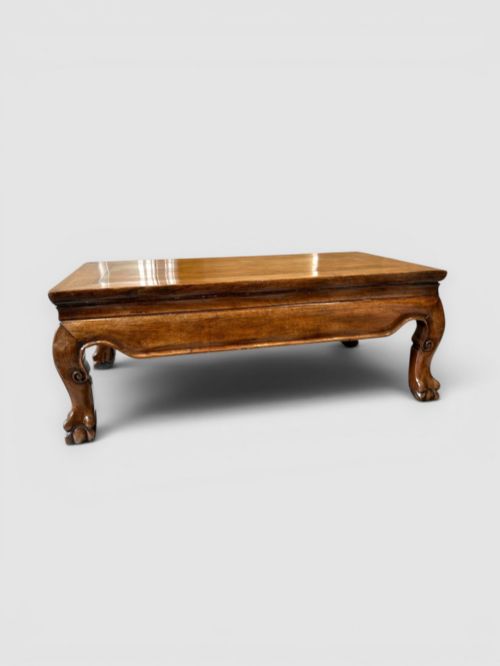
An asian style low table grounds a room with low-slung proportion and rich surface detail, drawing the eye down and creating an intimate living space.
Asian Style Low Table
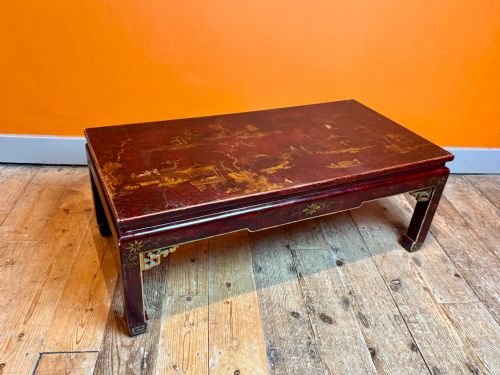
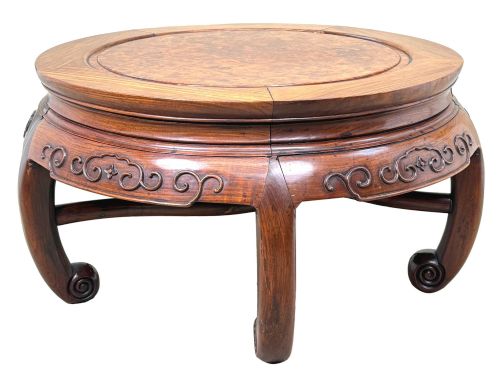
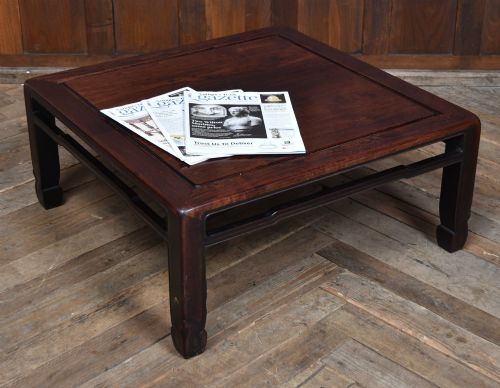
An asian style low table brings low-level surfaces to sitting rooms through forms derived from traditional coffee tables, opium tables, and occasional furniture. These pieces span periods from the nineteenth century through the Edwardian era and the early twentieth century.
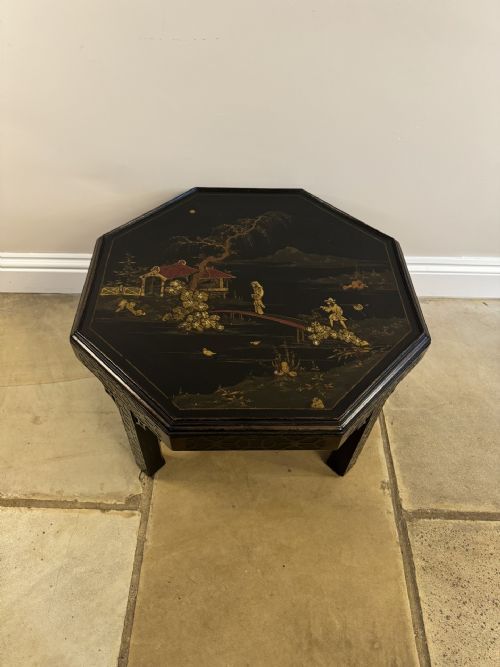
The version most commonly met on this page is the low coffee table constructed from hardwood or finished with decorative lacquer. Makers adapted traditional Chinese Qing styles and Japanese forms for Western interiors.
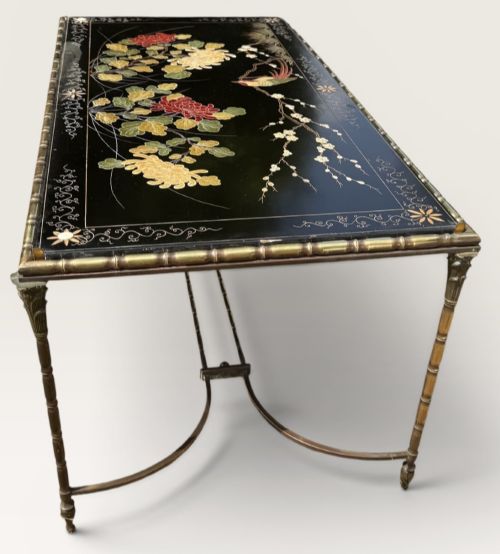
Beyond standard coffee tables, the selection includes side tables, tray tops, and chest-derived forms suited for placement before low seating. Each piece reflects the enduring Western appetite for Eastern decorative motifs.
How they were made
Construction relies on dense timbers such as padouk, rosewood, elm, and huanghuali, chosen for structural stability and fine grain. Joinery traditions prioritize rigid framing without reliance on modern fasteners.
Surfaces frequently receive multiple layers of lacquer, sometimes enhanced with raised relief detail or gilt and gold leaf applications. Tray tops and side tables integrate glass protection or specialised framing to preserve delicate decoration.
Asian Style Low Table Retail Price Guide 2026
Typical asking prices for asian style low table among the pieces listed under this phrase on Sellingantiques today, from the lower quarter to the upper quarter. They describe what is for sale here now, not the wider market.
Materials span hardwood, elm, lacquer, and gold leaf across various coffee and side table formats.
What varies in quality
Quality rests upon the selection of timber and the precision of the underlying joinery, where dense hardwoods distinguish finer pieces from lighter general timbers. Superior examples demonstrate stability across the frame and seamless integration of panels.
The execution of surface decoration separates standard production from exceptional work, particularly in the depth of raised relief and the stability of lacquer finishes. Finer execution retains crisp detail in gilding and carving over decades of use.
Maison Bagues
The Asian Style Low Table Glossary
- Hardwood
- Dense timber derived from broad-leaved deciduous trees, offering exceptional durability and rich natural grain. Examples include padouk and rosewood.
- Lacquer
- A durable resin finish applied in successive thin coats to wooden surfaces, producing a smooth, lustrous sheen. It often serves as a base for painted or raised relief decoration.
- Chinoiserie
- European artistic style reflecting Chinese motifs and decorative techniques, popular during the Edwardian period and mid-century design. It appears on lacquered and painted occasional furniture.
- Opium table
- A low-standing traditional table originating in domestic interiors for leisure use, adapted in Western markets as a low coffee table. These pieces often feature recessed legs and minimal framing.
Asian Style Low Table: Frequently Asked Questions
What is an opium table?
An opium table is a traditional low-standing Chinese furniture form characterised by compact proportions and short legs. Originally used for social activities and domestic leisure, these low tables now function as coffee tables in contemporary living rooms.
Their low profile allows them to sit comfortably beneath standard sightlines, adding a distinct architectural element to modern interiors.
How do I clean a lacquered surface?
Lacquered surfaces require gentle maintenance using a soft, dry cloth to remove dust. Avoid harsh chemical cleaners and excessive moisture, which can damage the delicate layers of varnish and relief detail.
Keeping these tables away from direct sunlight and heat sources preserves the finish and prevents the lacquer from cracking over time.
Are these tables solid wood?
Many of these pieces utilise dense timbers such as padouk, elm, and rosewood for their primary frames and panels. Some decorative examples combine solid timber cores with specialised lacquer finishes and applied relief work.
Examining the underside and joints reveals the construction methods and the specific woods employed by the maker.
How do I date an antique low table?
Dating relies on examining construction techniques, material choices, and stylistic markers such as Edwardian chinoiserie details or nineteenth-century Chinese Qing characteristics. Wear patterns on the feet and surfaces also provide clues regarding age.
Comparing the joinery style against known period examples helps establish the likely era of manufacture.