


Vintage Oriental Coffee Table
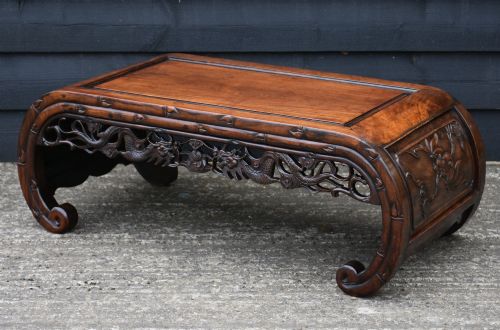
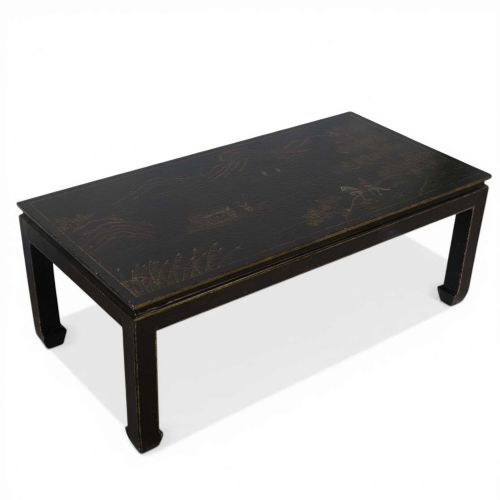
A vintage oriental coffee table brings together dense rosewood, hand-carved dragon details and rich lacquer work to anchor a room.
Vintage Oriental Coffee Table
A vintage oriental coffee table covers a broad range of low-slung occasional furniture originating from Chinese, Indian, Japanese and Burmese traditions. The most frequent pieces you will encounter include low opium tables, nests of tables, and heavier carved hardwood designs spanning from the nineteenth century into the mid-twentieth century.
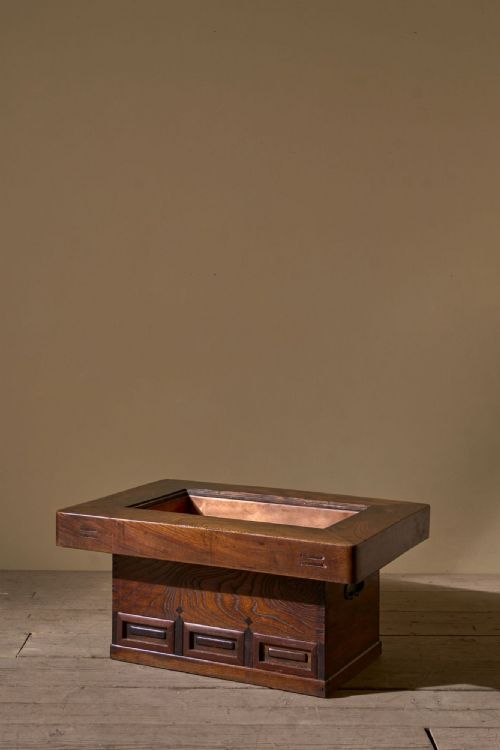
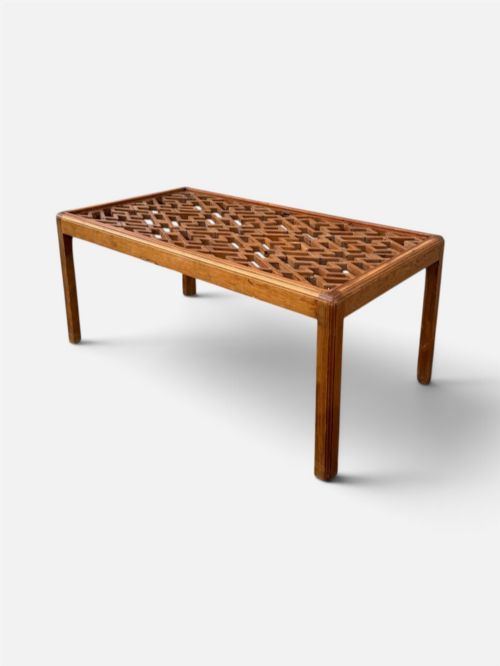
Makers adapted traditional forms such as the Japanese chabudai or Chinese elm low table for Western living spaces, resulting in low coffee tables paired with glass tops or fretwork panels. Styles shift fluidly from traditional Chinese and Qing Dynasty aesthetics to Anglo-Indian colonial work and British Chinoiserie interpretations.
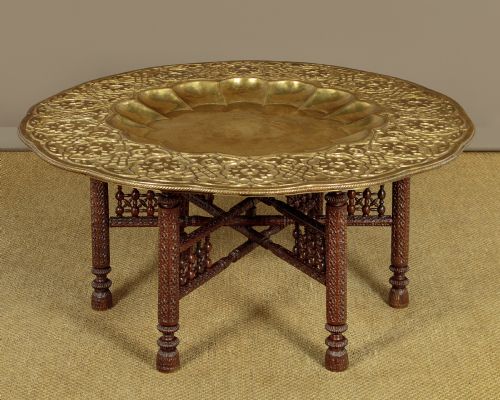
The materials dictate the functional form, with sturdy elm and rosewood lending themselves to low tea and opium tables, whilst lighter lacquer and brass setups appear as nests or tray tables. These pieces operate effectively as central low-level surfaces in living room furniture sets.
Materials and construction
Cabinetmakers relied on dense timbers such as rosewood, teak, elm and general hardwoods, building structures designed to endure heavy daily use. Joinery techniques often incorporated traditional framing methods suited to seasonal wood movement in low tables.
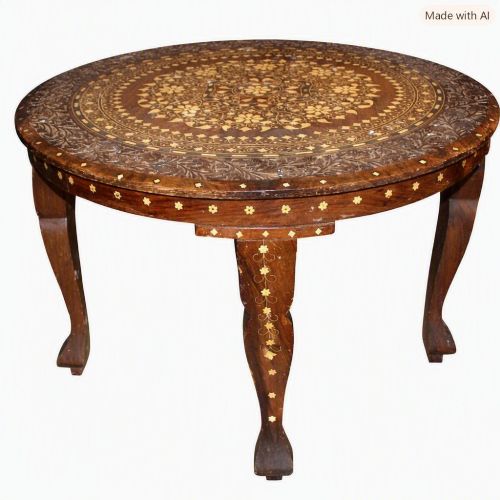
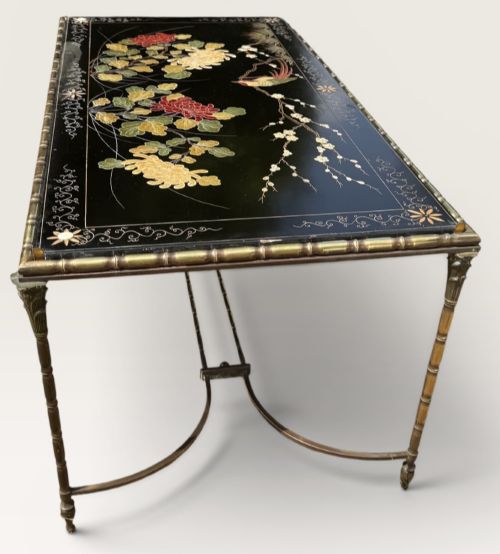
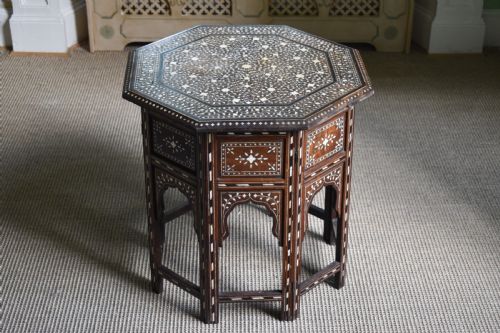
Surface decoration separates these pieces through meticulous application of lacquer, hand-painted japanning, and intricate bone, copper or mother-of-pearl inlays. Carved panels frequently depict figural scenes, dragons, or elephant heads executed in high or low relief.
Elephants feature persistently across these tables, carved into wooden legs or inlaid in brass and bone.
Assessing craftsmanship
Quality rests in the crispness of the hand-carving and the stability of the timber joints, where sharper relief work on dragon motifs or elephant details indicates superior workshop output. Simpler village elm pieces rely on honest rustic construction, whereas formal export pieces display precise joinery and refined finishing.
The integrity of the surface decoration dictates the grade of lacquer and painted work, with layered japanning and securely seated bone or brass inlays showing higher execution standards. Maker stamps, such as those from Liberty & Co or Maison Bagues, elevate the historical standing of individual examples.
Liberty & Co·Maison Bagues
The Vintage Oriental Coffee Table Glossary
- Opium table
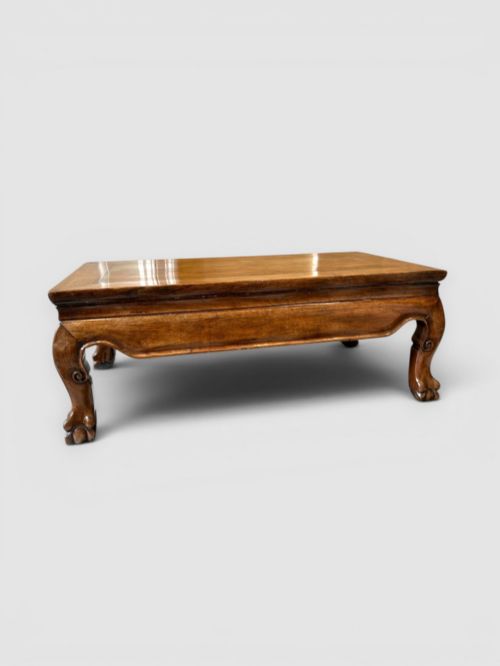
- A low-profile wooden table traditionally used for reclining or serving tea, characterised by short legs and often heavy hardwood construction. These form the base for many modern low coffee table conversions.
- Chinoiserie
- European artistic interpretations of Chinese and East Asian artistic traditions, frequently expressed through lacquered surfaces and painted scenes. This style gained immense popularity during the Edwardian period and the interwar years.
- Japanning
- A type of European finish that emulates Japanese and Chinese lacquer work using heat-dried varnishes and painted decorations. Artisans applied this technique extensively to English tray tables and nests.
- Chabudai
- A short traditional Japanese table utilised for sitting on tatami mats during meals or tea ceremonies. Examples exported to the West often function as low coffee tables.
- Hoshiarpur
- A town in India renowned for intricate woodwork, specifically tables featuring dense bone or brass inlay set into dark timber. These pieces typically display elaborate floral or geometric patterns.
Vintage Oriental Coffee Table: Frequently Asked Questions
How do I style a low coffee table?
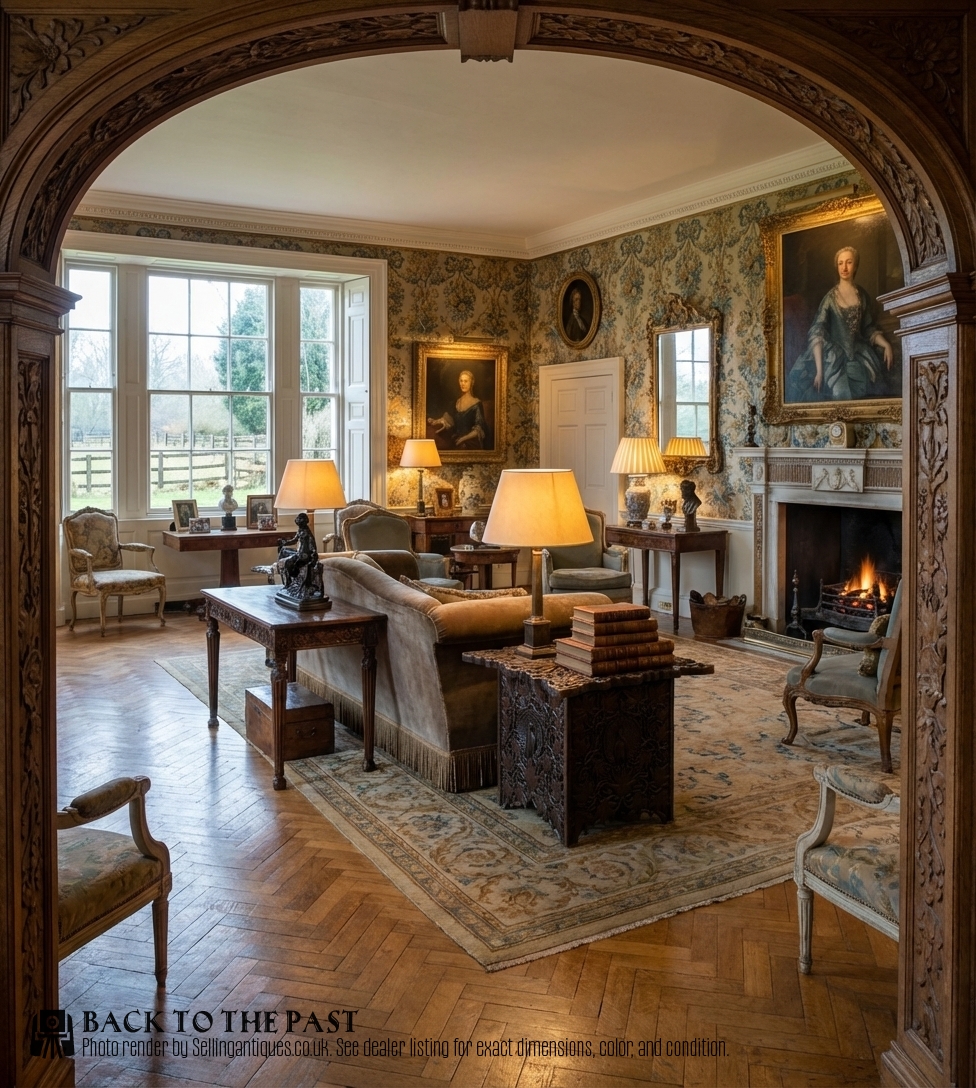
Pair these low surfaces with contemporary seating to create a striking contrast between modern upholstery and traditional wood carving.
Keep the top uncluttered to showcase the grain of the rosewood or the detail of the painted lacquer scenes.
What is an opium table?
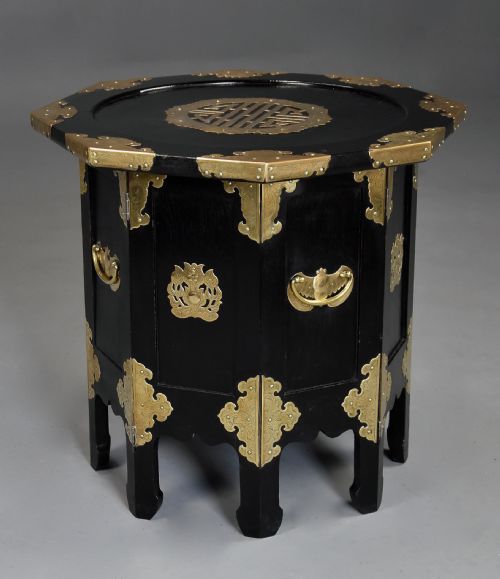
An opium table is a sturdy, low-built wooden surface originating in China, designed for use while kneeling or sitting on cushions.
Today, these pieces serve well as central coffee tables in living rooms due to their compact height and detailed corner brackets.
How do I care for lacquered wood?
Protect lacquered and japanned surfaces from direct sunlight and excessive heat to prevent the finish from drying out or cracking.
Dust regularly with a soft, dry cloth and avoid harsh chemical cleaners that can damage the painted details.
Are nest of tables practical?
Nests of tables offer flexible surface space that can be expanded across a room when entertaining and tucked away neatly when not in use.
Chinoiserie and carved teak sets provide both functional utility and decorative impact.