

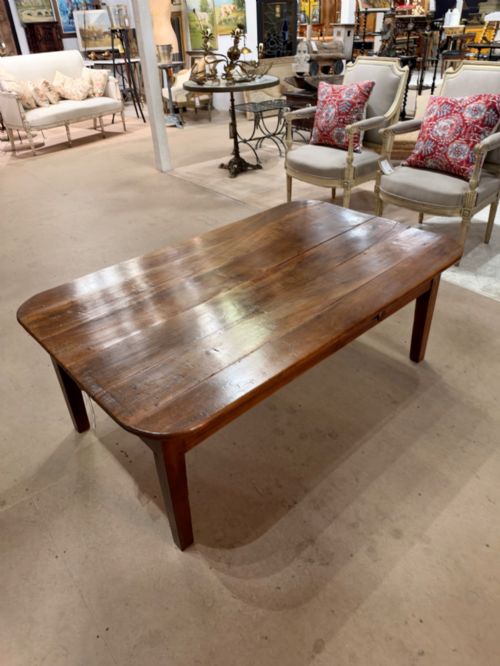
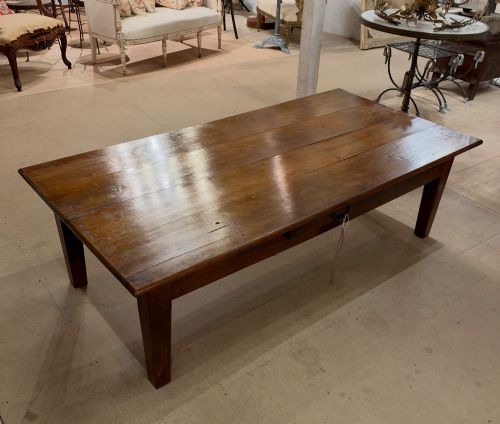
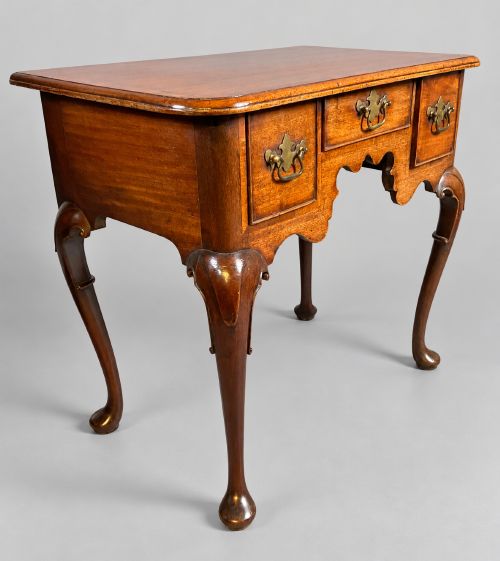
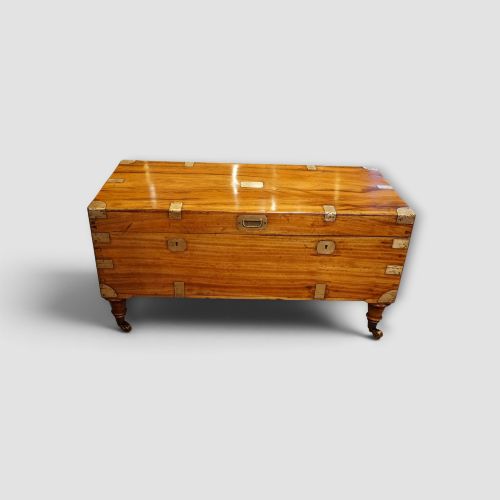

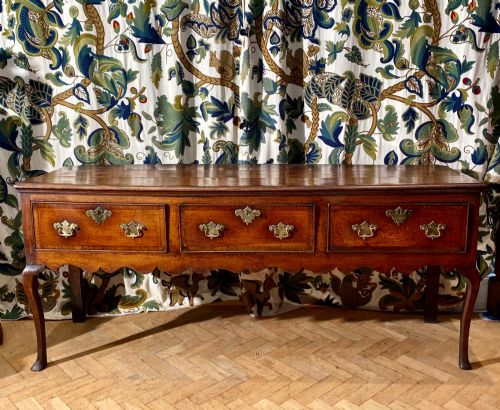
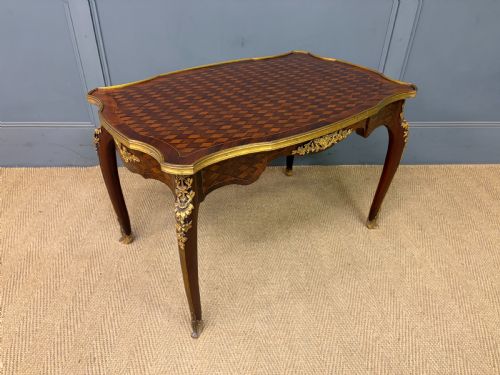
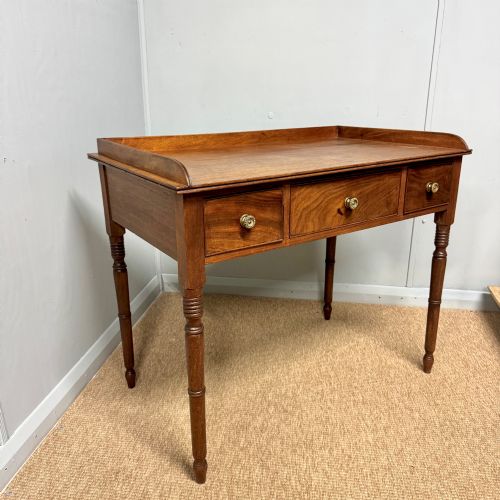
Brown Wooden Low Table
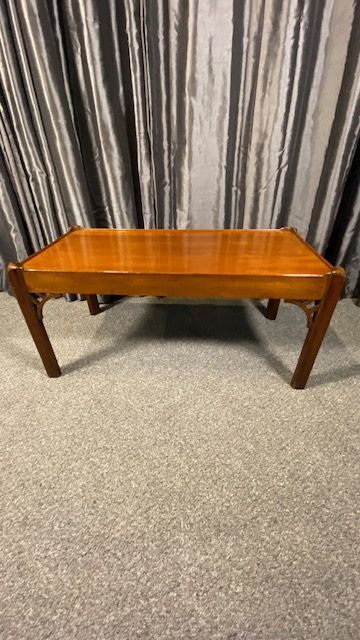
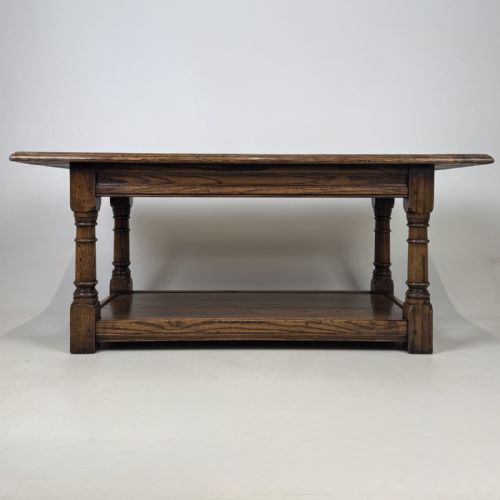
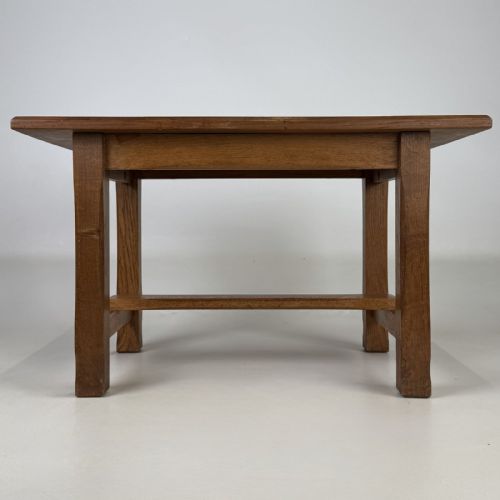
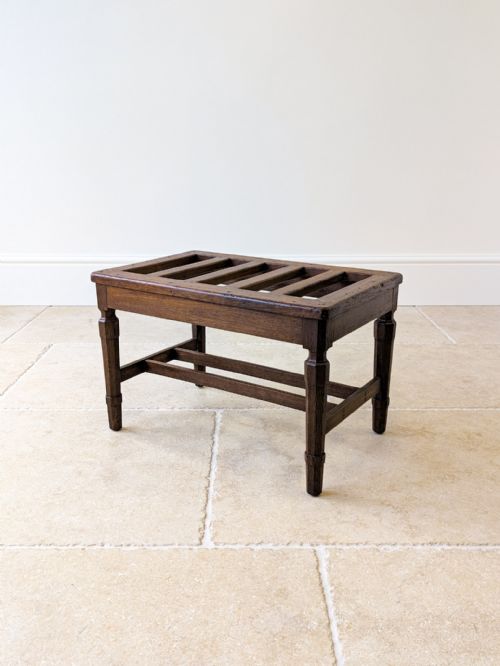
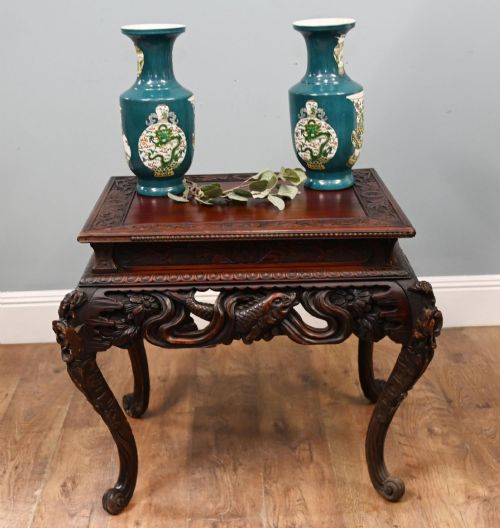
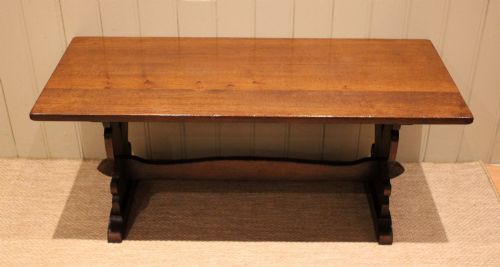
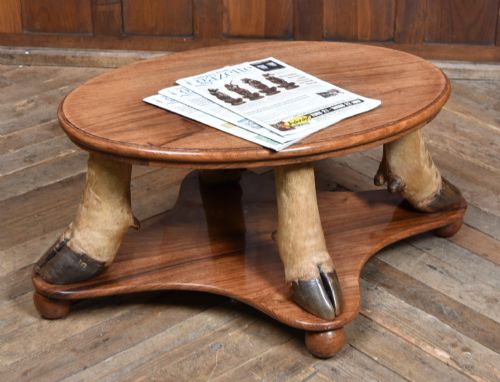
A brown wooden low table brings solid timber grain and grounded proportions to a room, ranging from rustic elm stools to walnut coffee tables.
Brown Wooden Low Table
When searching for a brown wooden low table, buyers encounter a diverse selection of low furniture forms created for practical daily use across past centuries. These pieces encompass coffee tables, low stools, benches, and dresser bases adapted from earlier utilitarian origins.
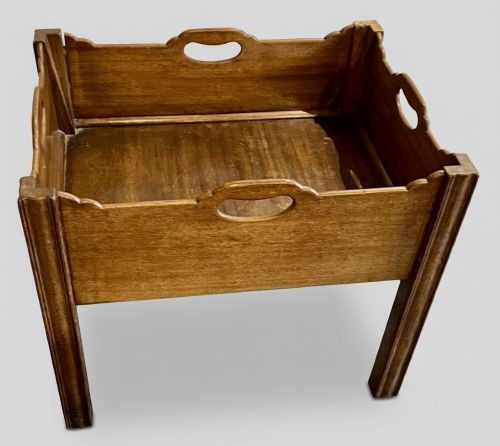
The most frequent examples on this page are low coffee tables and joint stools rendered in oak, elm, and walnut from the nineteenth and twentieth centuries. Many of these low surfaces derive their current function from older benches, stands, or reduced case pieces repurposed for modern living rooms.
Materials and construction methods
Makers utilised native hardwoods such as oak, elm, ash, and walnut, selecting timber for strength and distinctive grain patterns. Tables and benches often feature pegged joints, plank construction, and turned legs rooted in traditional vernacular carpentry.
Finishes rely on natural wax and polish that highlight the dark tones of mahogany and the pale warmth of sycamore or pine. Occasional decorative elements include marquetry inlay, carved panels, and marble tops set into wooden frames.
Brown Wooden Low Table Retail Price Guide 2026
Typical asking prices for brown wooden low table among the pieces listed under this phrase on Sellingantiques today, from the lower quarter to the upper quarter. They describe what is for sale here now, not the wider market.
Several pieces began their working lives as opium tables, jewellers' benches, and pig benches before finding retirement in the sitting room.
Distinctions in quality
Quality rests in the integrity of the timber selection and the honesty of the construction, distinguishing purpose-built furniture from heavily altered adaptations. Dense burr walnut veneer, crisp hand-carving, and well-proportioned turned legs elevate certain pieces above standard vernacular items.
The treatment of joints and the retention of original surface patination dictate the standing of a piece. Finer examples display careful joinery and aged timber surfaces that have darkened naturally over decades of use.
The Brown Wooden Low Table Glossary
- Joint stool
- A sturdy wooden stool constructed with mortise and tenon joints, commonly utilised in domestic settings from the seventeenth century onward. These low pieces frequently serve as small side tables in contemporary interiors.
- Dresser base
- The lower section of a traditional kitchen or dining room storage unit, featuring cupboards and drawers beneath a broad wooden surface. Many examples survive independently as low side tables or serving consoles.
- Refractory style
- A design format characterised by sturdy linear legs connected by a low stretcher rail, originating from long monastic dining tables. This heavy framing provides exceptional stability for low wooden tables.
- Burr walnut
- A highly figured timber harvested from walnut tree growths, prized for its swirling, decorative grain patterns. Cabinet makers applied thin veneers of this material to create striking table tops and cabinet fronts.
- Vernacular
- Everyday furniture built by regional craftsmen using local traditions rather than high-style metropolitan designs. These unpretentious pieces prioritise utility and robust construction over decorative flourish.
Brown Wooden Low Table: Frequently Asked Questions
What periods do these low tables date from?
The selection spans multiple eras, including eighteenth-century vernacular pieces, nineteenth-century oak benches, and early twentieth-century Edwardian or Art Deco designs.
Many listings reflect traditional styles revived during later periods, such as Jacobean or George II influences applied to walnut and oak furniture.
How were these low wooden surfaces originally used?
Many items began life with entirely different domestic functions before being adopted as low tables. Examples include low milking stools, workshop benches, opium tables, and dresser bases.
Craftsmen and later owners adapted these sturdy utilitarian objects to suit modern seating arrangements and living room layouts.
Which woods are most common in these pieces?
Oak is the predominant timber found across these listings, alongside elm, walnut, and mahogany. Regional hardwoods like ash and sycamore also appear in vernacular seating.
Finer decorative pieces utilise burr walnut veneer or marquetry inlay to create patterned surfaces on top of a hardwood carcase.
How do I identify a converted piece?
Modifications often involve shortened legs on older tables, stools, or dresser bases to bring the height down to a conventional coffee table level. Examining the footings and lower stretchers reveals whether the proportions are original.
Plank construction and traditional jointing methods help distinguish period alterations from modern fabrications.