


Glass Top Low Table
A glass top low table brings surface transparency to rooms needing light, pairing stout timbers and wrought iron with clear plate.
Glass Top Low Table
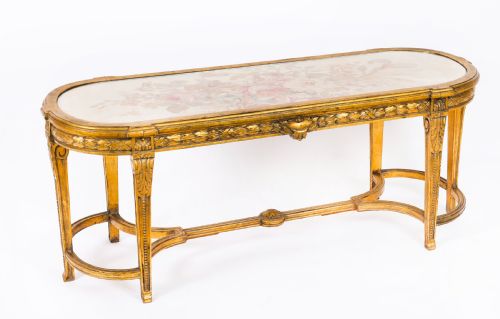
When buyers search for a glass top low table, they encounter a range of low coffee tables and occasional tables spanning the nineteenth century through the mid-twentieth century. The selection includes French Art Deco designs, Asian-influenced styles, and revival pieces rooted in earlier centuries.
The versions most commonly met on this page are low coffee tables utilising walnut, wrought iron, and glass. Many examples incorporate antique panels or mirror glass, creating functional low surfaces for seating areas.
How they were made
Construction relies on solid timbers and metals, combining walnut, mahogany, elm, and bleached pine with wrought iron and brass framing. Makers utilised traditional joinery to support inset glass plates and mirrored surfaces.
Decorative elements involve carved giltwood, fretwork panels, and textile inserts placed beneath transparent glass tops. These techniques join structural woodwork with ornamental metalwork to achieve the finished low form.
Glass Top Low Table Retail Price Guide 2026
Typical asking prices for glass top low table among the pieces listed under this phrase on Sellingantiques today, from the lower quarter to the upper quarter. They describe what is for sale here now, not the wider market.
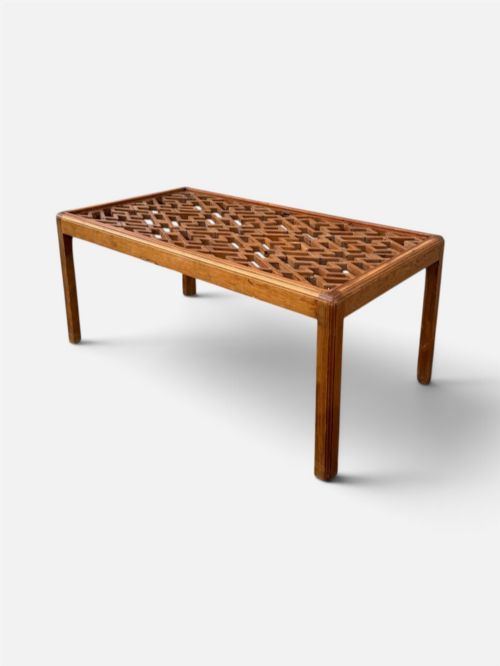
Some tables hide antique Chinese fretwork panels safely beneath clean glass so you can rest your teacup on top of history.
What varies in quality
Quality separates through the integrity of the timber framing and the character of the integrated panels. Pieces featuring detailed carving or genuine antique fretwork panels demonstrate superior craftsmanship compared to plain constructions.
The integration of the glass top into the surrounding frame defines the finish of the table. Solid joints in walnut or wrought iron and the use of original mirror glass distinguish the finer examples from simpler production.
The Glass Top Low Table Glossary
- Art Deco
- A design style from the early twentieth century characterised by geometric lines and stylised motifs. It appears frequently in coffee tables from the interwar period.
- Giltwood
- Wood that has been coated with gold leaf or gold paint. This technique decorates the frames of ornate tables from revival periods.
- Fretwork
- Openwork ornamentation carved or pierced in wood in geometric patterns. These panels sit beneath glass tops in certain Asian-style tables.
- Occasional table
- A small table designed for intermittent use in a room. These forms serve alongside low coffee tables in period settings.
Glass Top Low Table: Frequently Asked Questions
What are glass top low tables?
These are low-slung furniture pieces designed for use as coffee tables or occasional surfaces in sitting rooms. They combine structural frames of wood or metal with transparent glass tops.
Such tables date from the nineteenth century into the mid-twentieth century, encompassing styles from Art Deco to Louis Revival.
How were glass top low tables used?
They served as central surfaces in reception rooms and lounges for holding books, magazines, and tea items. The low height suited seating arrangements around sofas.
In period interiors, the glass top protected decorative textile panels or mirrored surfaces beneath while maintaining visual space in the room.
How do I live with a glass top low table?
Living with these tables involves placing them centrally in a reception room where their low profile keeps sightlines open. Regular cleaning of the glass surface maintains its transparency.
Care should be taken with heavy objects on older glass plates and delicate wood frames to preserve their condition during daily use.
How do I tell periods apart?
Periods are distinguished by stylistic cues and material choices present in the frame. Nineteenth-century pieces often show revival styles like Rococo or heavy timber construction.
Twentieth-century examples, particularly from the interwar decades, typically display clean geometric lines associated with Art Deco or Asian influences.