




1930s Walnut Low Table
A 1930s walnut low table brings warmth and clean lines to a room, offering a functional centrepiece built in rich timbers.
1930s Walnut Low Table
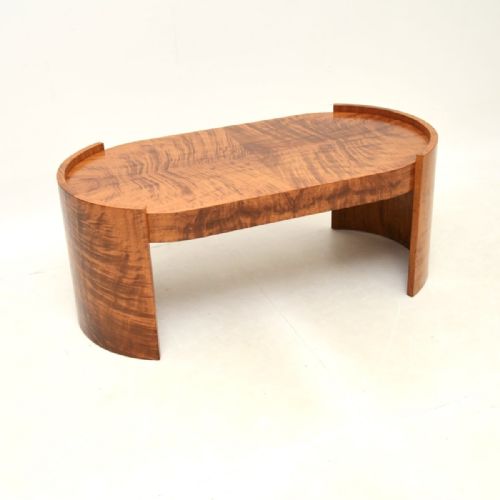
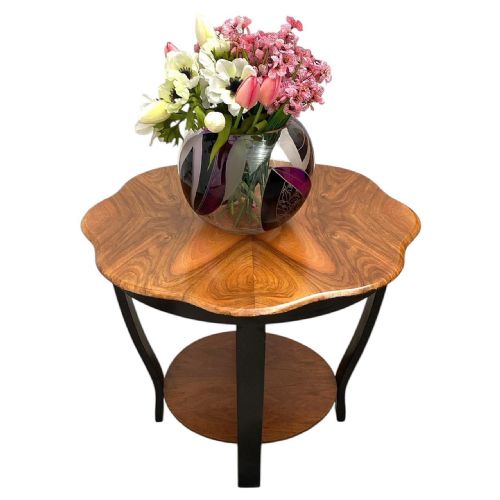
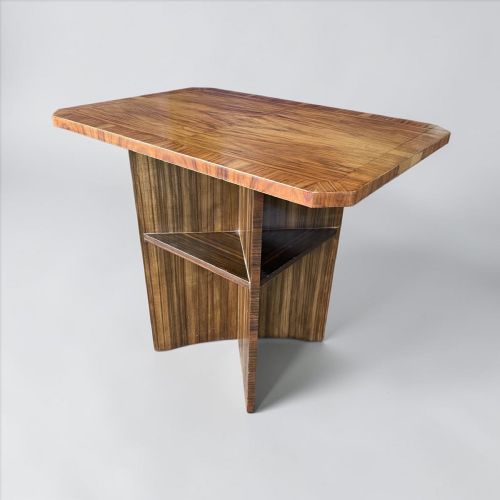
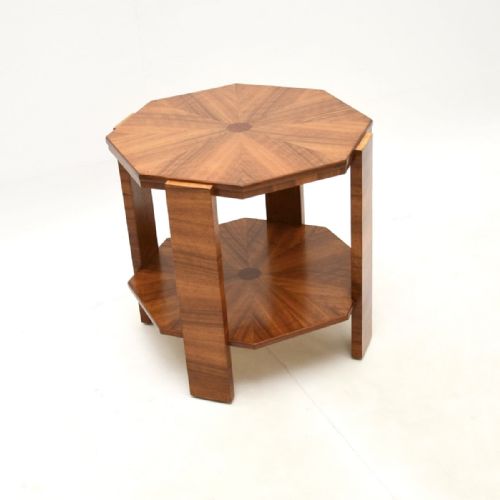
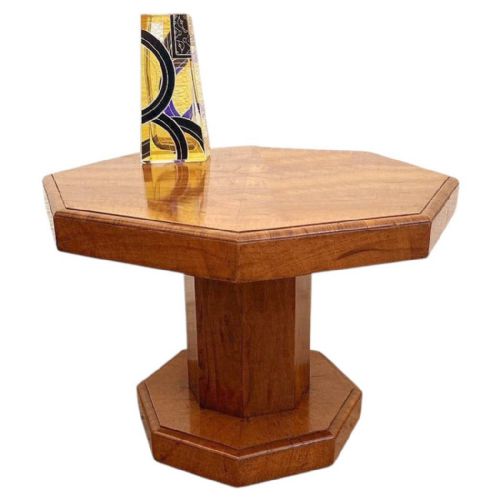
A 1930s walnut low table typically takes the form of a coffee table or occasional table, often shaped in the Art Deco style with clean geometric lines or rounded tiers. Most examples date from the 1930 period, though some pieces span the 1920 to 1940 range.
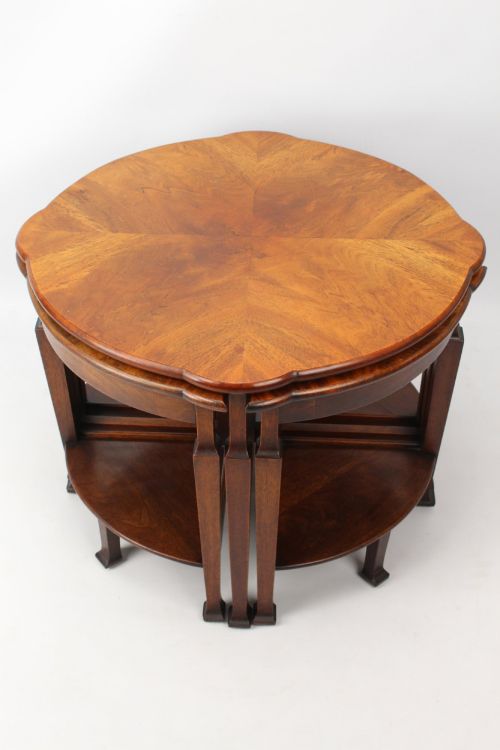
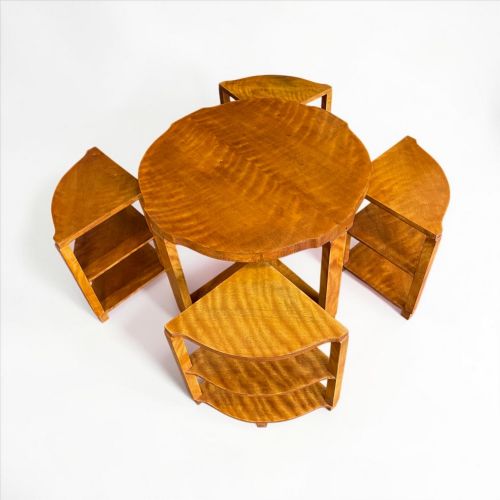
Buyers will find coffee tables, two-tier designs, nests of tables, and occasional side tables among the current selection. These low forms suit modern sitting rooms while retaining the distinct character of mid-twentieth-century cabinet work.
How they were made
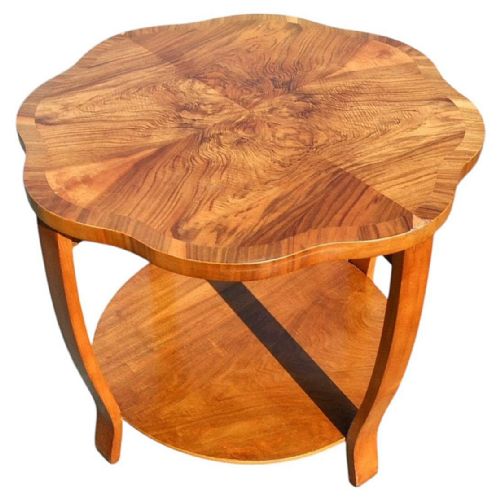
Cabinet makers utilised walnut, burr walnut, and figured walnut veneers applied over solid wood foundations to create striking grain patterns across the surface. Bleached walnut and ebony accents also appear, giving variation to the tone and finish of the timber.
Construction techniques focus on display of the natural wood figure, utilising book-matched veneers on top surfaces. Glass inserts and leather upholstery panels occasionally complement the primary wood structure.
1930s Walnut Low Table Retail Price Guide 2026
Typical asking prices for 1930s walnut low table among the pieces listed under this phrase on Sellingantiques today, from the lower quarter to the upper quarter. They describe what is for sale here now, not the wider market.
Some nests cleverly stack up to five tables underneath a single top.
What varies in quality
The choice of timber creates the primary distinction in quality, with burr walnut and figured veneer surfaces offering richer visual depth than standard walnut boards. Skilled veneer matching across a top surface demonstrates superior craftsmanship.
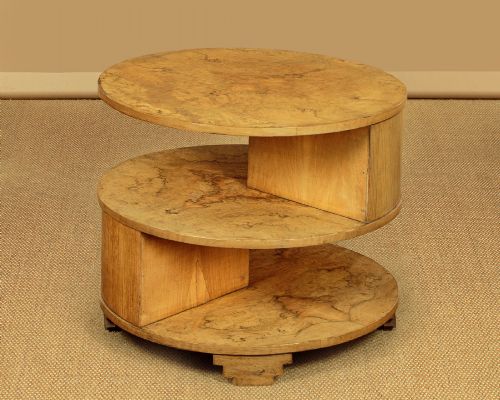
Construction complexity also sets pieces apart, such as multi-tiered structures, nests of tables, and pedestals requiring precise joinery compared to simpler single-surface coffee tables.
Gilbert Rohde·Bowman Brothers
The 1930s Walnut Low Table Glossary
- Burr walnut
- A veneer taken from the warted growth on a walnut tree, yielding a swirling, highly decorative grain pattern. It was frequently utilised on high-end Art Deco furniture tops.
- Figured walnut
- Timber exhibiting an attractive, natural grain pattern that catches the light differently from plain wood. Makers selected these boards to create decorative surfaces on coffee tables.
- Veneer
- A thin slice of superior wood applied over a secondary timber foundation. This technique allowed makers to display expensive grains efficiently.
- Art Deco
- A design style spanning the 1920s and 1930s characterised by streamlined geometric forms, symmetry, and modern materials. It dominates the aesthetic of these low tables.
- Two tier
- A furniture design featuring a primary upper surface supported above a lower shelf. This provides additional display or storage space in a compact footprint.
1930s Walnut Low Table: Frequently Asked Questions
What styles are common?
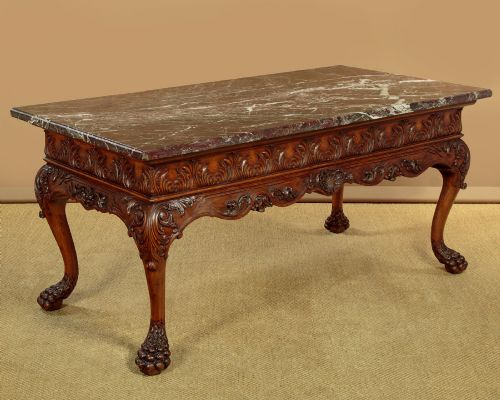
Art Deco designs dominate the selection, featuring geometric forms, rounded edges, and occasional George II revival influences.
Most pieces adhere to the aesthetic of the 1930 period with clean horizontal lines.
How were they used?
These low tables served as coffee tables, occasional surfaces, or nest arrangements in sitting rooms.
Their height suited modern entertaining and relaxed seating arrangements of the period.
What timber is used?
Walnut is the primary material, appearing as solid wood, standard veneer, burr walnut, and figured walnut.
Some examples incorporate contrasting ebony or bleached walnut finishes.
Are there multi-tiered options?
Several listings feature two tiers, providing an additional lower shelf beneath the main surface.
Nests of tables also appear, offering space-saving modular arrangements.