

1930s Burr Walnut Table
A 1930s burr walnut table brings striking grain patterns and geometric lines into a room, offering both practical surface space and distinct period character.
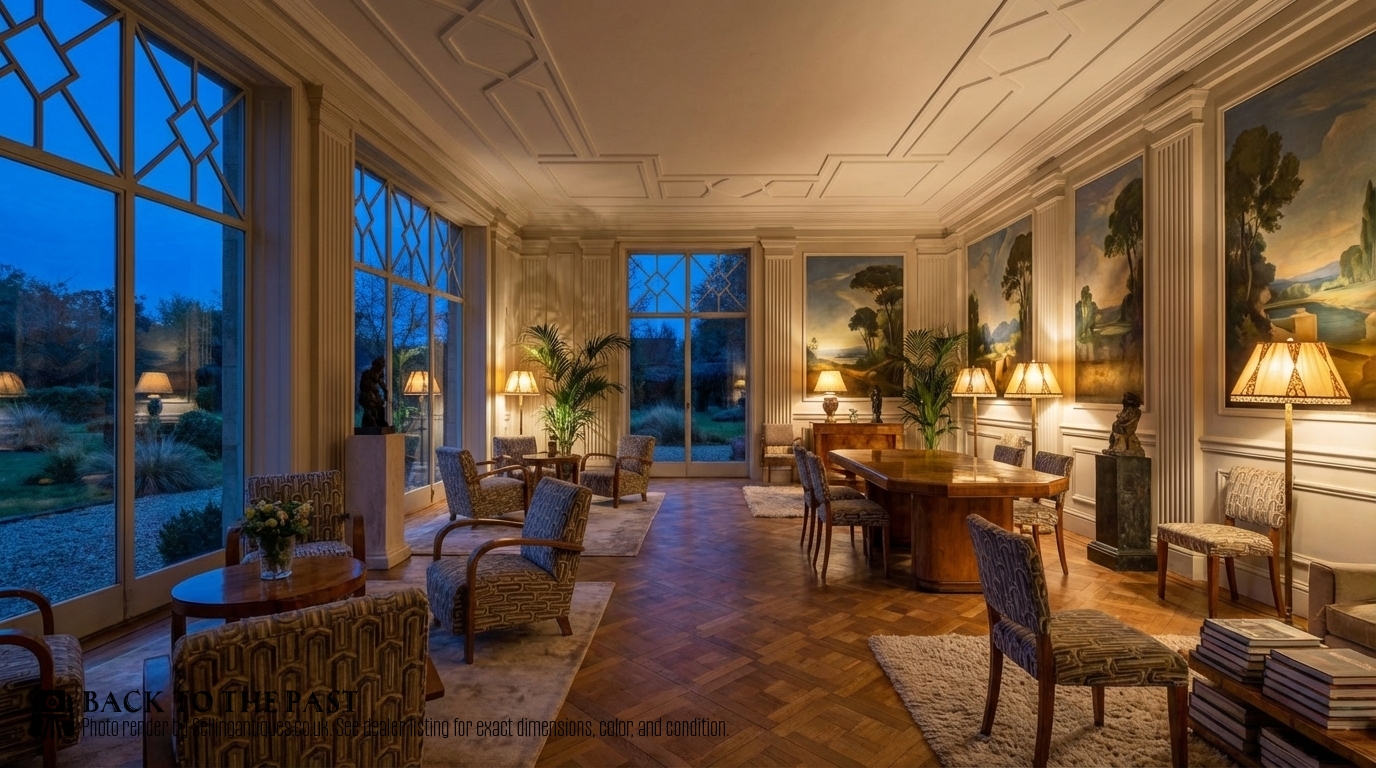
1930s Burr Walnut Table
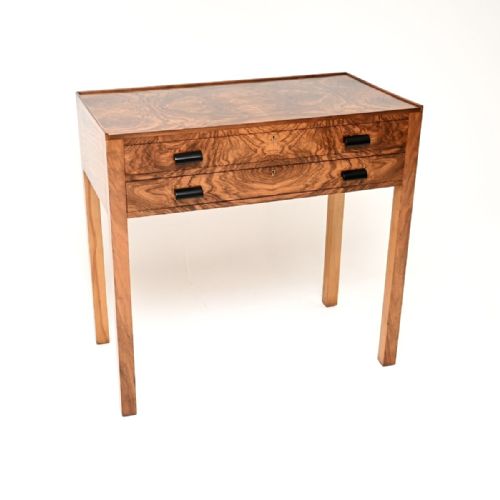
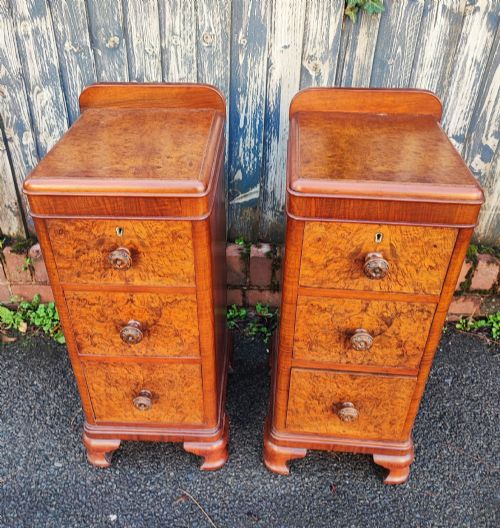
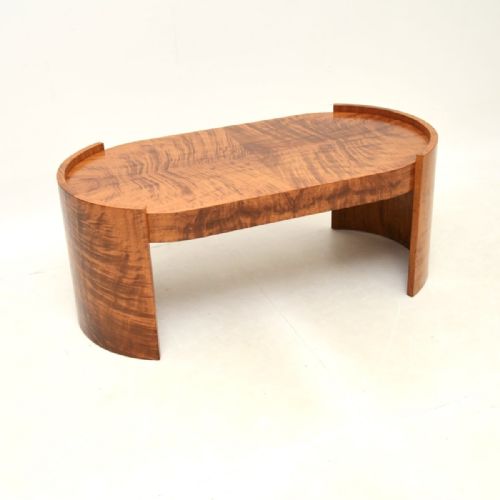
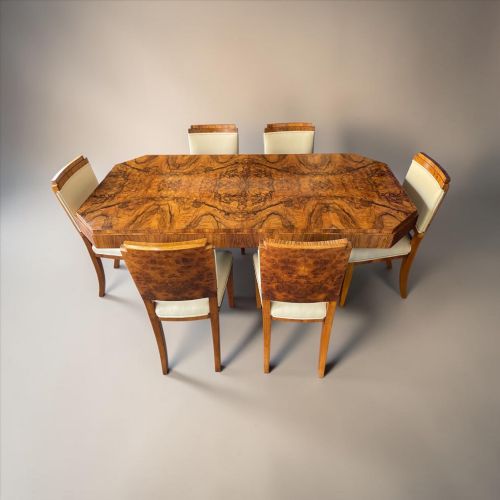
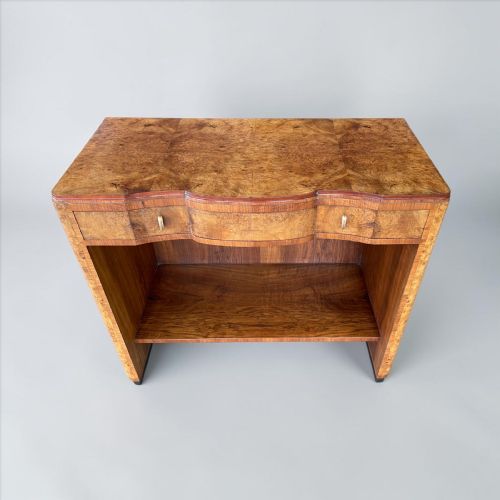
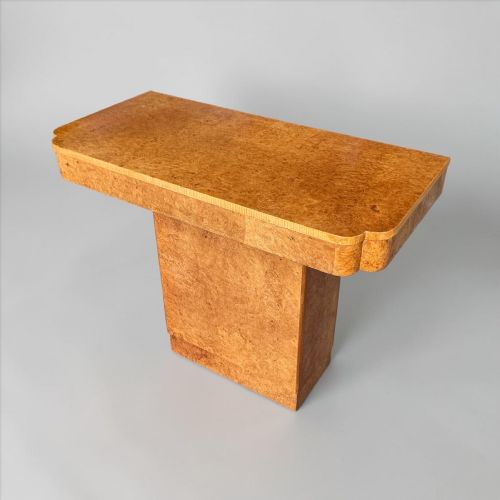
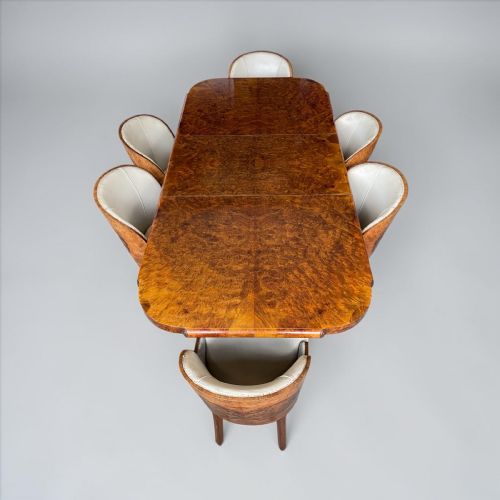
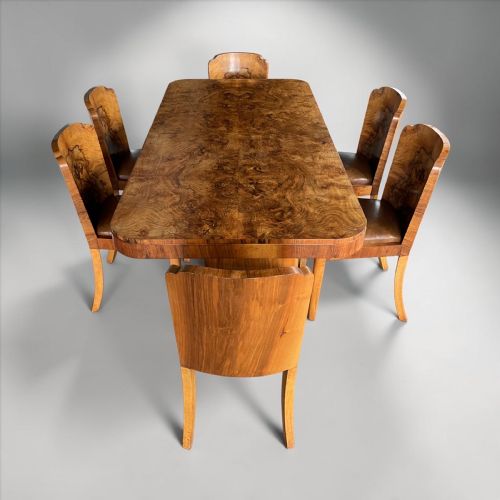
When you search for a 1930s burr walnut table, you encounter items shaped by the prominent design movements of the interwar decades. The selection spans distinct forms built for specific rooms, including coffee tables, console tables, and dining tables.
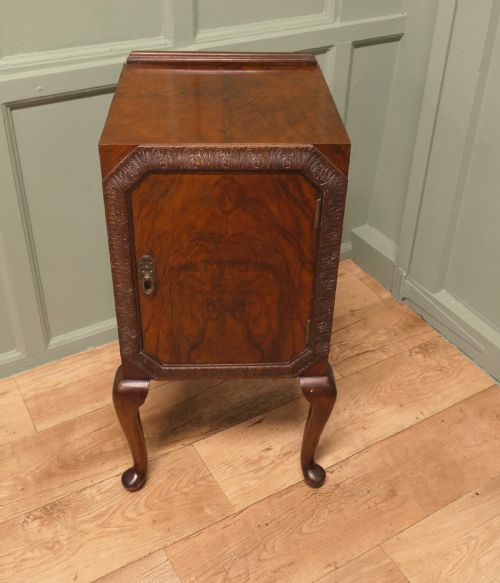
Art Deco styling dominates the selection, bringing architectural silhouettes and clean planes that contrast with occasional Queen Anne Revival elements. These pieces serve functional roles in domestic interiors while displaying the decorative potential of figured wood.
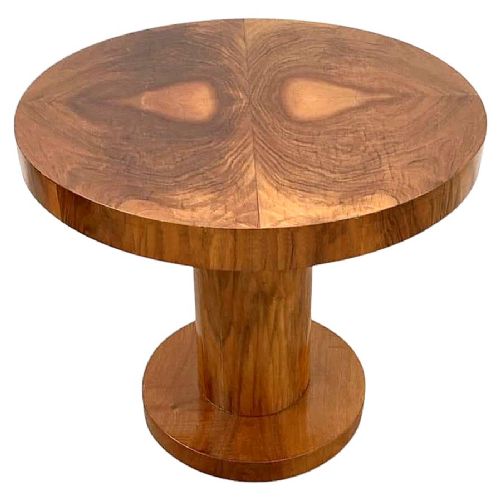
Coffee tables and console tables appear frequently among the listings, often featuring rounded corners or stepped pedestals. Dining suites and extending variants also emerge, providing larger surfaces scaled for entertaining.
Materials and Construction
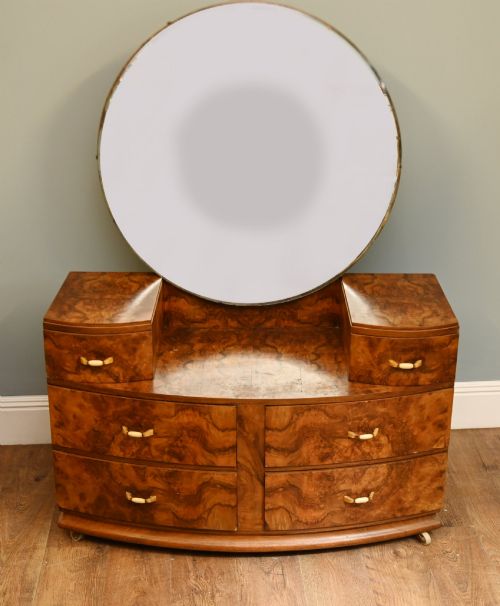
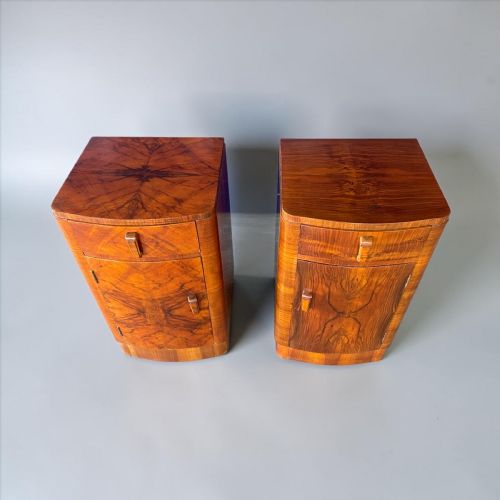
Cabinet makers of this era utilised burr walnut and walnut veneer applied over solid secondary timbers to achieve sweeping, symmetrical grain patterns across broad surfaces. This technique allowed workshops to display the intricate swirls and knots of the burl growth without wasting scarce material.
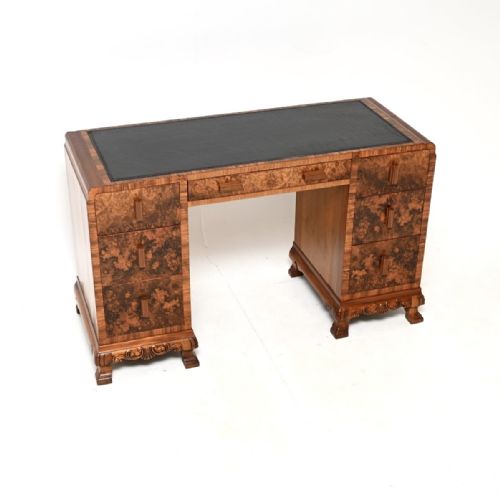
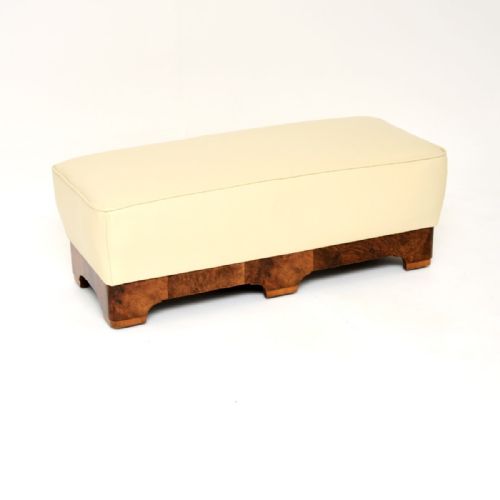
Secondary elements incorporate brass and chrome hardware, glass top inserts, and leather writing surfaces on desk variants. These contrasting textures complement the warm, dark tones of the polished wood veneer.
1930s Burr Walnut Table Retail Price Guide 2026
Typical asking prices for 1930s burr walnut table among the pieces listed under this phrase on Sellingantiques today, from the lower quarter to the upper quarter. They describe what is for sale here now, not the wider market.
The documented objects span the 1920, 1930, and 1940 periods, reflecting the enduring popularity of Art Deco design.
Distinctions in Quality
The standard of a piece depends heavily on the symmetry and continuity of the veneer matching across the top and sides. Skilled execution ensures that the natural swirls of the grain align harmoniously along table edges and drawer fronts.
The presence of designated maker attribution elevates certain items, reflecting the workshop standards of notable firms operating during the period. Robust structural joinery and integrated secondary materials such as chrome or brass further separate standard production from exceptional examples.
Maurice Adams·Walter Carter Harrods·Hille·Frank Taylor and Co·Harry and Lou Epstein·Haller
The 1930s Burr Walnut Table Glossary
- Burr walnut
- A veneer sliced from the distorted growth or burl of a walnut tree, prized for its swirling, highly figured patterns. It provides a decorative surface texture distinct from straight-grained timber.
- Art Deco
- A design style of the 1920s and 1930s characterised by sleek geometric shapes, streamlined forms, and modern industrial materials. It heavily influences the architecture and ornament of these tables.
- Veneer
- A thin slice of superior wood applied over a base of lesser quality timber to create a decorative exterior. This method prevents warping while displaying expensive grain figures.
- Pedestal
- A central column or support structure holding up the main surface of a desk or table. It often incorporates stepped geometric profiling typical of the period.
1930s Burr Walnut Table: Frequently Asked Questions
What rooms suit a 1930s burr walnut table?
These tables fit comfortably into living rooms, home offices, and dining spaces depending on the specific form. Coffee tables and console variants anchor sitting areas, while desks serve functional study spaces.
The rich grain patterns allow these pieces to function as focal points within both traditional and modern interiors. Their geometric lines complement neutral walls and minimalist furnishings.
How do I clean a burr walnut surface?
Dust the surface regularly with a soft, dry cloth to prevent particulate accumulation. Avoid chemical polishes that leave residue on the polished finish.
Keep the wood away from direct sunlight and heat sources to prevent the veneer from drying out. Periodic application of appropriate wax maintains the natural sheen.
Are these tables solid wood?
Most examples use burr walnut veneer applied over a stable core of secondary timber. This method was standard practice to prevent warping while displaying intricate grain patterns.
Solid walnut appears primarily in structural framing and legs, while the broad tabletops rely on veneering techniques. Expert book-matching creates the symmetrical patterns seen across the tops.
How do I distinguish Art Deco from other styles?
Art Deco pieces display symmetrical geometry, stepped forms, and streamlined silhouettes without heavy ornamentation. They favour clean horizontal and vertical lines.
Occasional Queen Anne Revival pieces in the same era retain curved cabriole legs and traditional proportions. Comparing the leg architecture and edge profiles clarifies the stylistic category.