

Art Deco Walnut Table
When you search for an art deco walnut table, you encounter striking geometric forms and rich grain patterns originating primarily from the 1920s to 1940s.
Art Deco Walnut Table
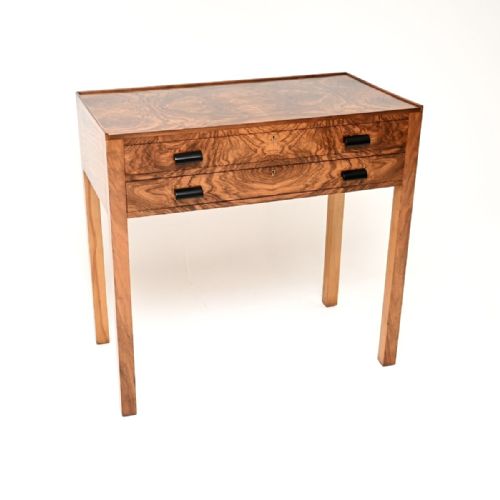
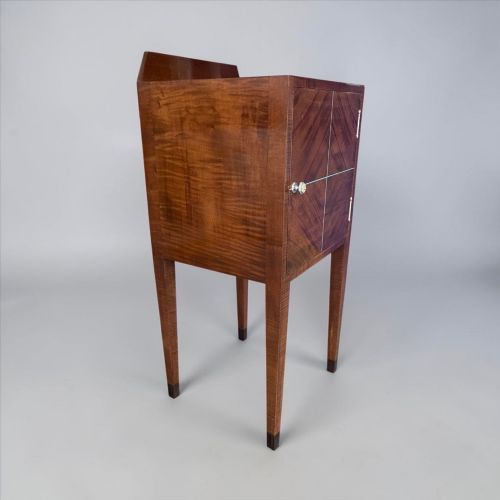
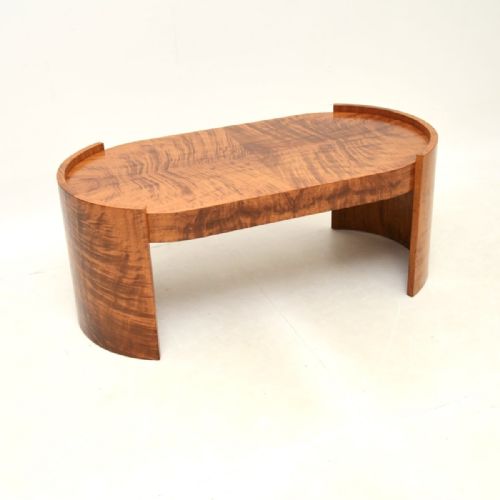
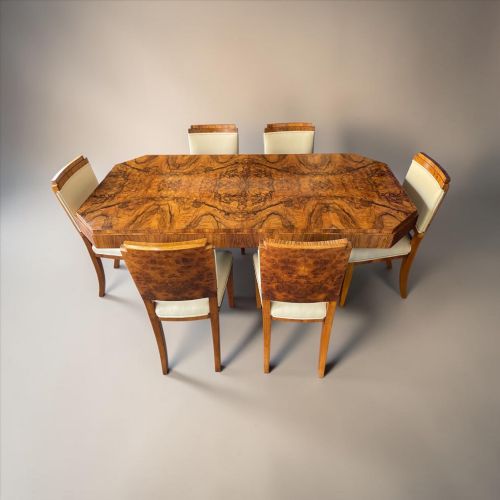
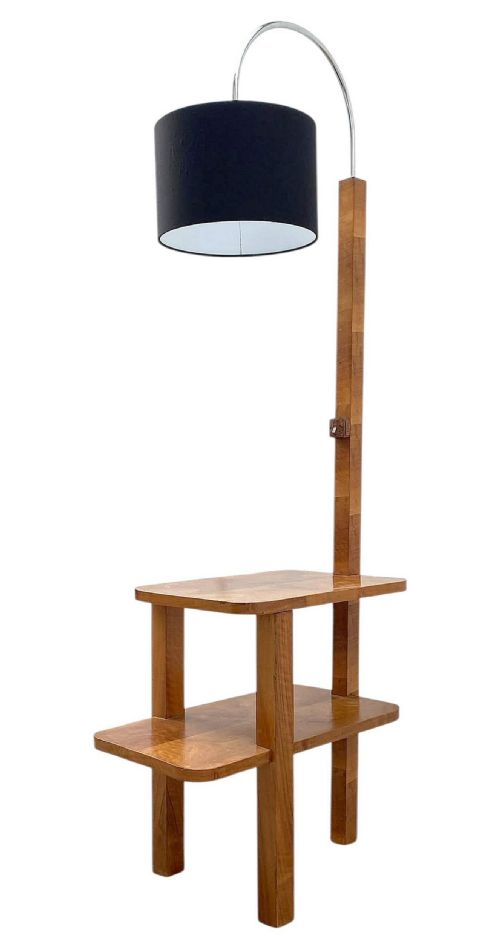
When searching for an art deco walnut table, buyers encounter a diverse range of domestic furniture designed for both social spaces and private quarters. The selection spans compact bedside tables and coffee tables to expansive dining tables and console tables, reflecting the versatile interior requirements of the period.
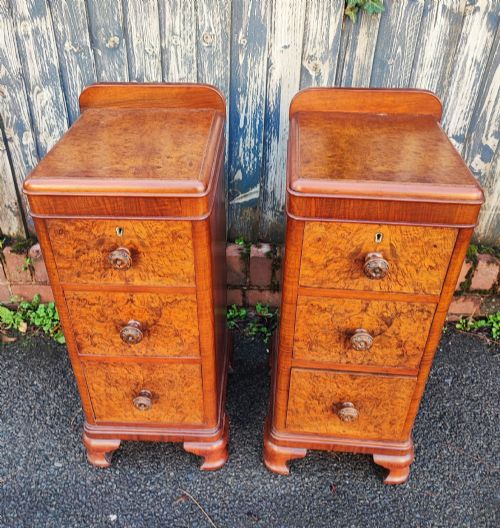
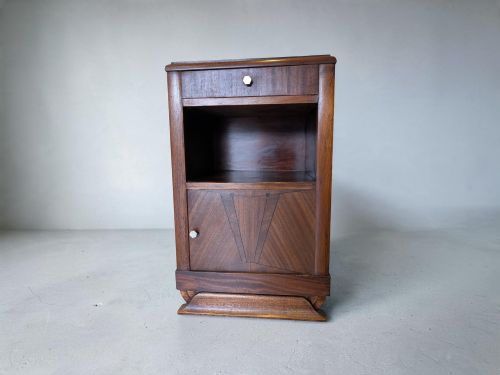
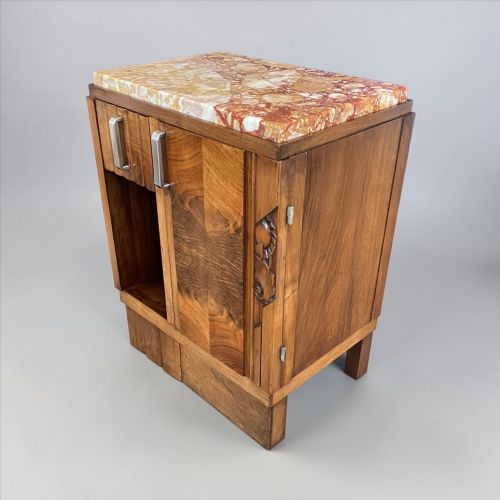
The most prevalent examples on this page are coffee tables, occasional tables, and bedside cabinets dating predominantly from around 1930. English and French workshops produced these pieces in substantial quantities, alongside occasional Georgian revival interpretations and pieces incorporating maple or elm.
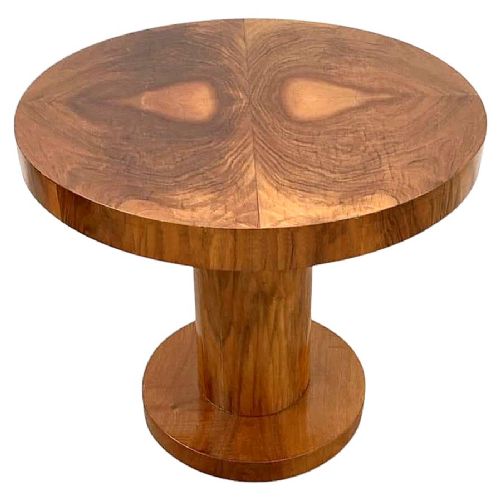
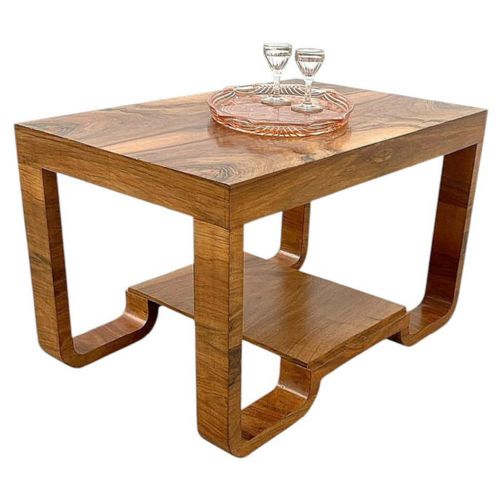
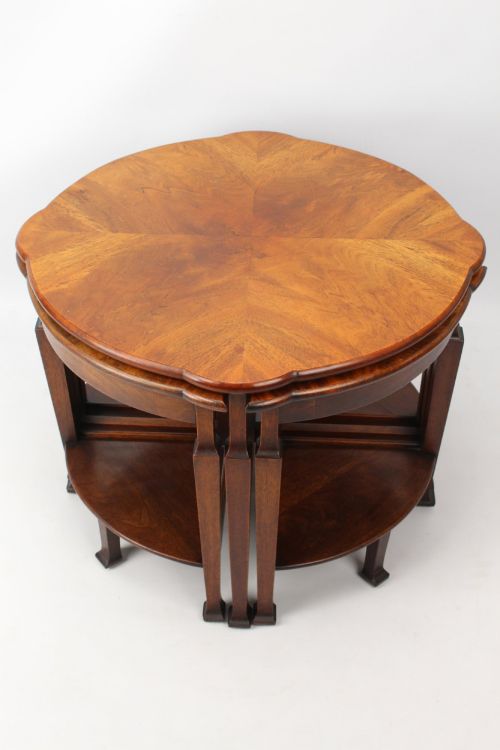
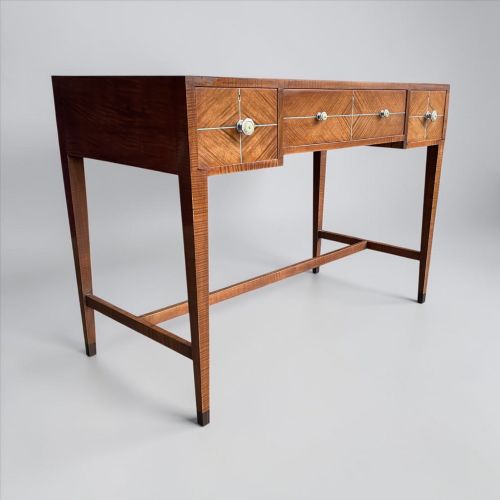
Forms vary from tiered nesting arrangements and circular pedestals to rectangular desks and serving trolleys. Buyers find matching pairs of nightstands as well as singular statement pieces designed to anchor a room.
How they were made
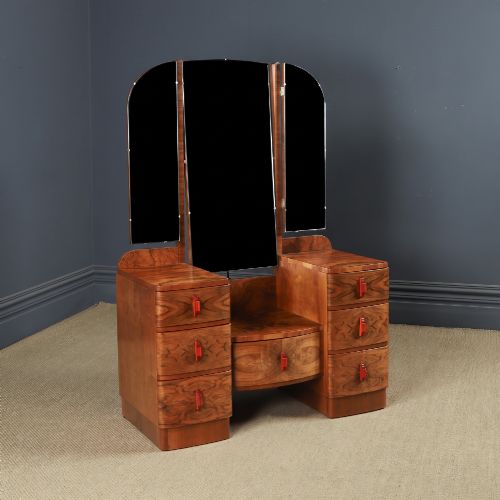
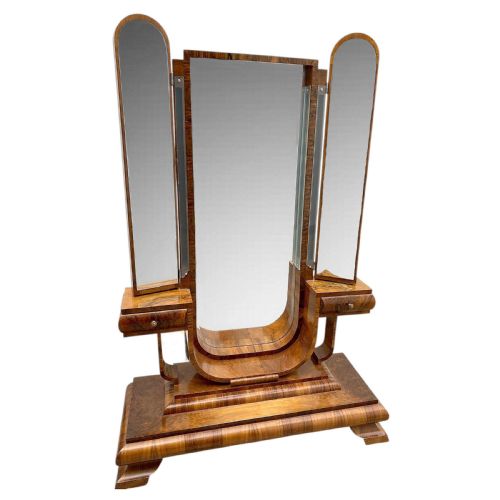
Makers applied thin veneers of figured walnut and burr walnut over solid secondary timbers to display the dramatic, swirling patterns of the grain across flat surfaces and curved pedestals. Cabinetmakers carefully matched these veneers symmetrically to create striking visual patterns on table tops and cabinet doors.
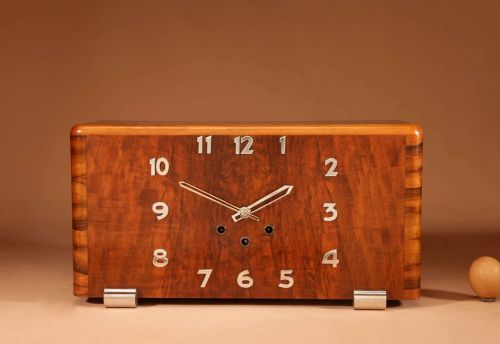
Construction frequently integrated glass, chrome, brass, and leather alongside wood, combining traditional cabinetmaking techniques with modern industrial materials. Metal details appeared on handles, trims, and skyscraper pedestal bases, while leather surfaces lined the tops of writing desks and stools.
Art Deco Walnut Table Retail Price Guide 2026
Typical asking prices for art deco walnut table among the pieces listed under this phrase on Sellingantiques today, from the lower quarter to the upper quarter. They describe what is for sale here now, not the wider market.
Listings feature walnut, burr walnut, and veneer alongside brass, glass, chrome, and leather across pieces dated from 1910 to 1940.
What varies in quality
The sophistication of the veneer selection and the symmetry of its application distinguish finer pieces from standard production. Master cabinetmakers aligned the natural figuring across multiple drawers and tiers to achieve a cohesive, uninterrupted design.
The integration of auxiliary materials such as heavy plate glass, cast brass fittings, and supple leather elevates the execution of a piece. Structural complexity, demonstrated in tiered framing, metamorphic mechanisms, or cantilevered tiers, also separates standard items from ambitious workshops.
Maurice Adams·Walter Carter Harrods·Hille·Waring and Gillow·Epstein
The Art Deco Walnut Table Glossary
- Burr walnut
- A wood harvested from the warted growths on walnut trees, yielding intricate, swirling grain patterns highly prized for decorative veneer work. Cabinetmakers utilised this timber on prominent surfaces like coffee table tops and console fronts.
- Figured walnut
- Timber exhibiting wavy, striped, or mottled patterns within the grain structure. It differs from plain walnut by reflecting light differently across the surface.
- Veneer
- A thin slice of superior wood adhered to a stable core structure. This technique allowed makers to display expensive grain patterns without the structural instability of solid burr timber.
- Skyscraper style
- An architectural influence manifesting in stepped profiles and vertical pedestals. It appears frequently in the base supports of office desks and side tables.
- Metamorphic
- Furniture designed to transform or fold out into alternative configurations. These pieces include serving trolleys and tables with adjustable tiers.
Art Deco Walnut Table: Frequently Asked Questions
How do I identify a 1930s piece?
Examine the timber selection and geometric silhouette, as pieces from this decade frequently feature figured walnut veneer paired with stepped or rounded profiles.
Construction methods also provide clues, often combining traditional dovetailing with contemporary metal or glass accents typical of the era.
Where were these tables used?
These items served various domestic functions, from bedside nightstands and hallway console tables to central coffee tables in reception rooms.
Larger variations functioned as office writing desks or dining furniture within period homes.
Are nesting tables common?
Sets of nesting tables appear regularly in multiple tiers, offering practical surface space that tucks away compactly when not needed.
These sets often incorporate circular or rectangular tops supported by wooden frames or pedestal bases.
What is a two tier trolley?
A two tier trolley is a mobile serving or drinks table featuring an upper and lower surface connected by wooden or metal supports.
Some examples include metamorphic mechanisms or wheels for easy transport between rooms.