


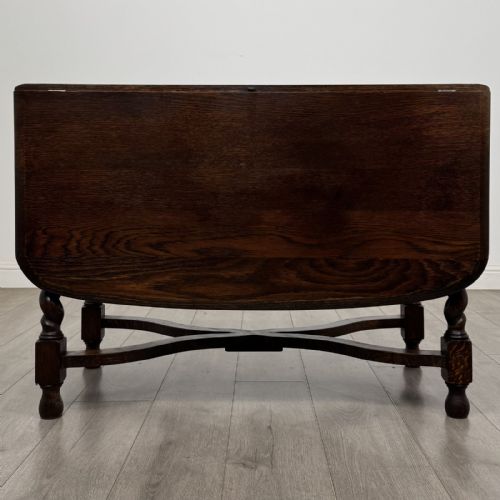
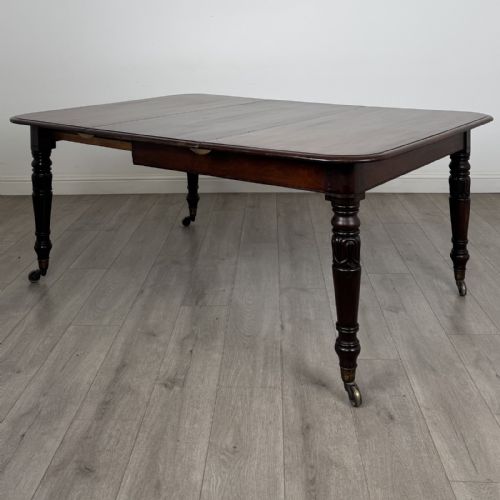
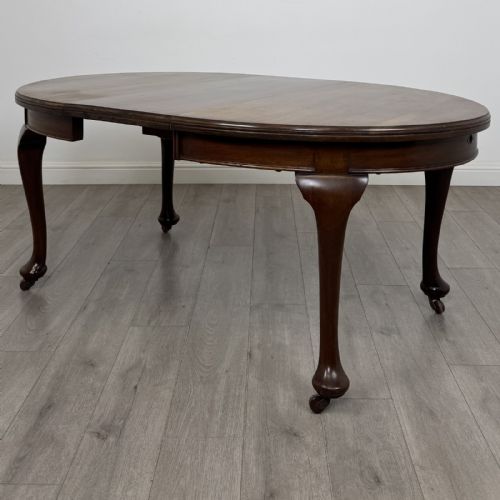
Antique Style Dining Table
An antique style dining table brings period proportion and formal presence to a room, drawing people together for daily meals and long gatherings.
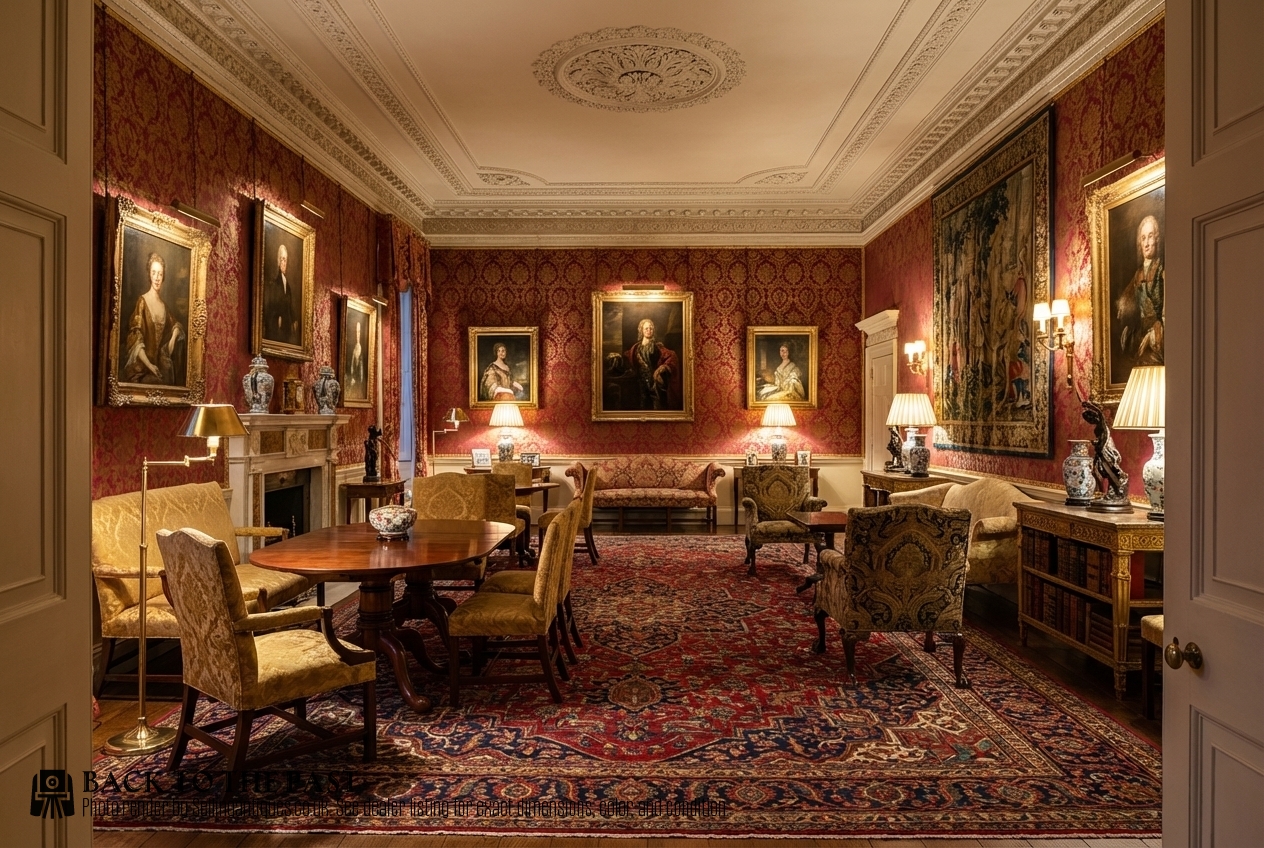
Antique Style Dining Table
An antique style dining table gathers together revival forms and period interpretations from the early twentieth century, Edwardian era, and the nineteen-tens and twenties. These pieces draw heavily on earlier design vocabularies, including Regency, Jacobean, Georgian, Queen Anne, and Art Deco traditions.
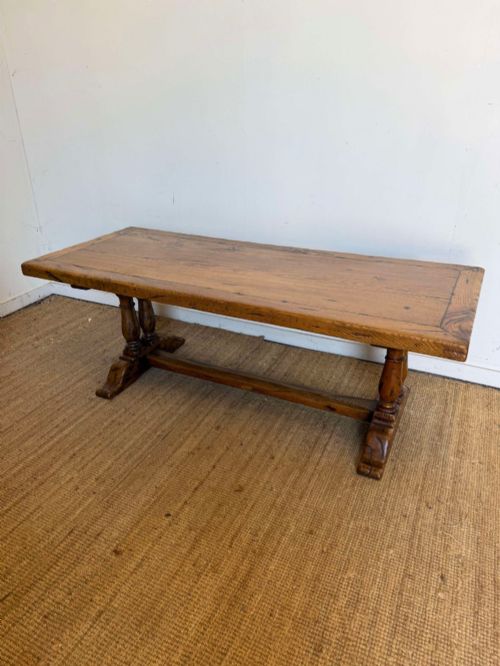
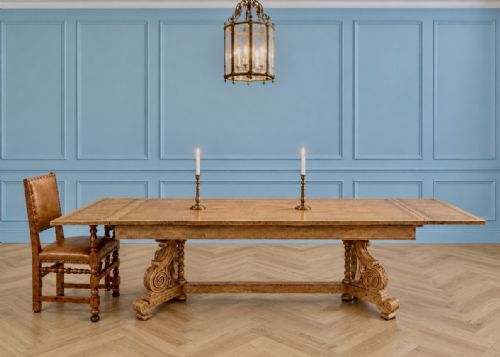
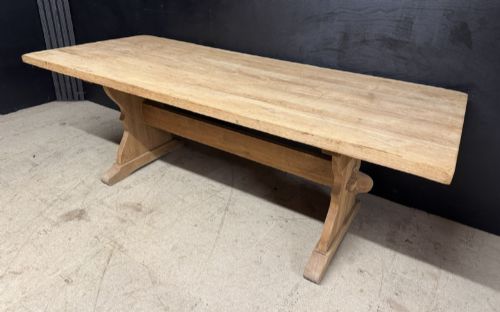
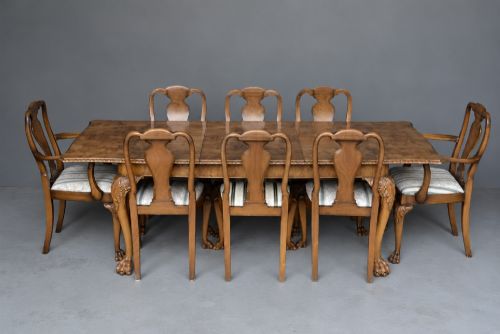
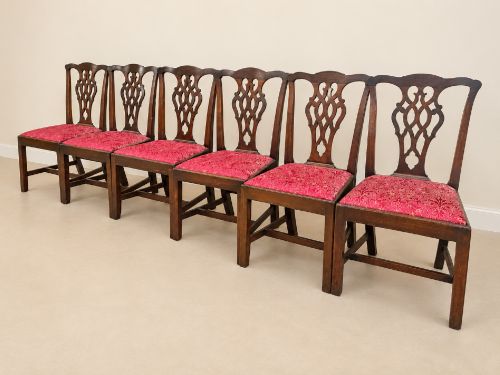
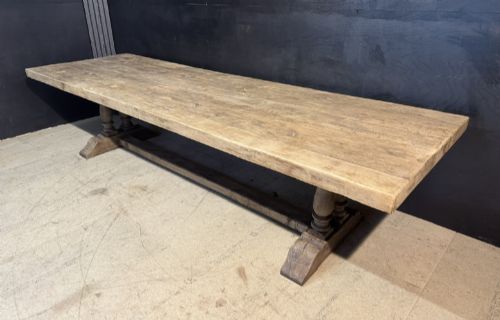
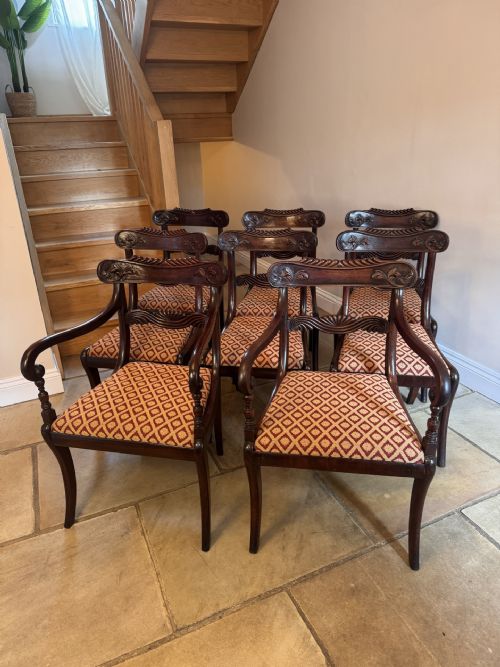
Buyers most frequently meet tables built in mahogany, oak, and burr walnut, often configured as twin pillar twin pedestal designs, extending formats with leaves, or sturdy refectory layouts. Many examples appear alongside matching dining sets or chairs, while specific regional interpretations such as French country styles also emerge.
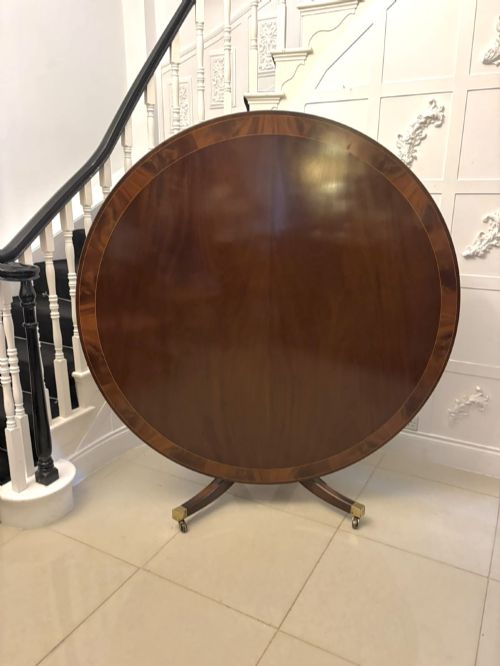
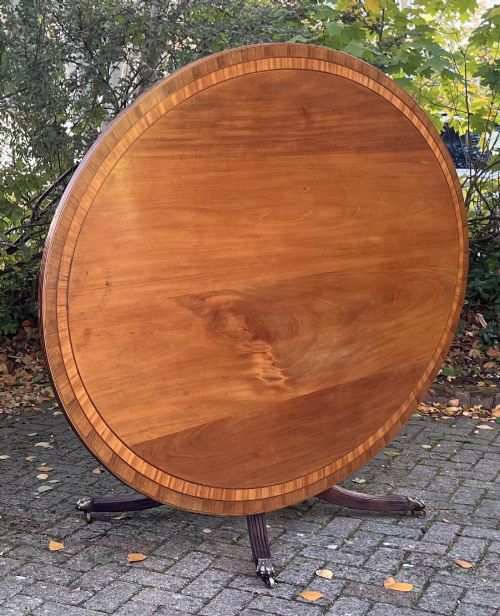
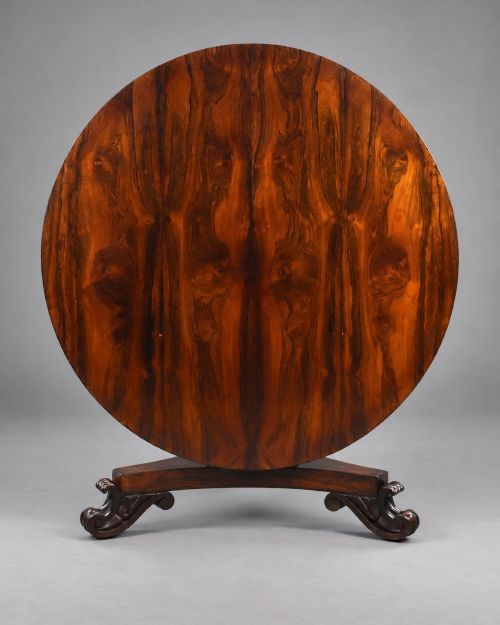
The scale of these tables ranges from compact domestic boards to large twelve-foot imperial formats and circular configurations. Whether shaped by seventeenth-century revivalism or twentieth-century mahogany craftsmanship, each piece offers a deliberate historical silhouette.
Materials and Construction
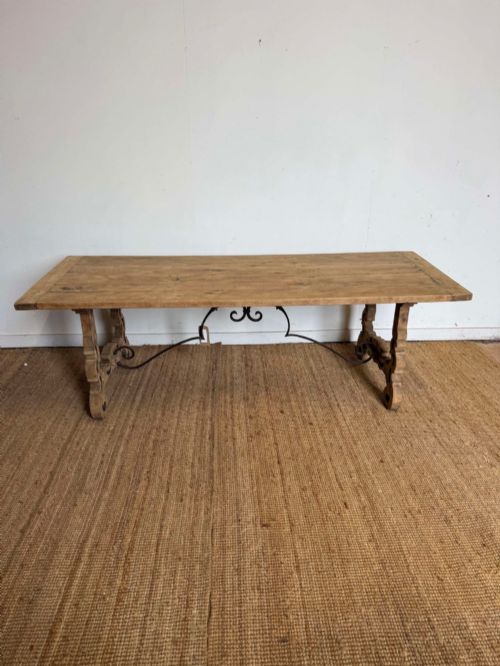
Makers utilised solid timbers like oak, cherry wood, ash, and reclaimed elm alongside figured mahogany veneers and burr walnut surfaces. Structural strength relied on heavy framing, robust pedestals, and substantial refectory trestles.
Surface detailing incorporated brass inlays and stamped maker signatures, while leaves allowed tables to extend for larger gatherings. Timber selection balanced visual grain patterns with durable foundations capable of supporting daily dining.
Antique Style Dining Table Retail Price Guide 2026
Typical asking prices for style dining table among the pieces listed under this phrase on Sellingantiques today, from the lower quarter to the upper quarter. They describe what is for sale here now, not the wider market.
One London workshop left their stamp firmly pressed into walnut, ensuring future diners know exactly who built the party.
Craftsmanship and Proportion
Quality rests in the fidelity of the revival style, the selection of timber veneers such as figured mahogany or burr walnut, and the precision of brass inlay work. Superior tables display balanced proportions across pedestals, leaves, and refectory framing.
The integrity of extending mechanisms and the weight of solid oak or mahogany construction separate standard production from exceptional workshop output. Maker stamps from notable firms further elevate the standing of a piece.
Hille London·Gillows
The Antique Style Dining Table Glossary
- Refectory table
- A long, narrow dining table traditionally used in monastic refectories and later revived in solid oak during the early twentieth century. These pieces rely on sturdy trestle bases and central stretchers.
- Twin pillar table
- A dining table supported by two central pedestals, often fitted with brass claw feet or castors. This construction allows maximum legroom around the perimeter.
- Extending table
- A dining table designed with removable leaves or internal mechanisms to expand its length. This layout accommodates fluctuating numbers of diners.
- Burr walnut
- A highly figured timber veneer prized for its swirling grain patterns. It frequently surfaces on cabinet work and table tops from revival periods.
- Regency revival
- A design movement looking back to the early nineteenth century, favouring mahogany, pillar supports, and classical restraint. Tables in this style often feature clean lines and subtle brass details.
Antique Style Dining Table: Frequently Asked Questions
How do I measure for an extending table?
Measure your dining space while leaving adequate room for chairs to pull out comfortably on all sides. Account for the maximum length when all leaves are inserted.
Allow approximately sixty centimetres of perimeter space per seated guest to ensure comfortable dining during gatherings.
How do I care for mahogany surfaces?
Clean timber surfaces using a soft, dry cloth to remove dust and prevent micro-scratches. Avoid placing wooden furniture in direct sunlight or near heat sources.
Apply quality beeswax periodically to nourish the mahogany grain and maintain a natural protective sheen.
How do I distinguish revival styles?
Jacobean revival tables display dark oak, heavy turned legs, and linear stretchers. Regency revival examples favour mahogany, twin pedestals, and classical restraint.
Comparing leg turning, edge moulding, and timber choice helps clarify which historical period a piece emulates.
How do refectory and pillar tables differ?
Refectory tables use long oak stretchers and trestle supports derived from monastic dining boards. Pillar tables rely on central pedestals beneath mahogany or walnut tops.
Pillar designs offer flexible leg placement, whereas refectory tables provide fixed, robust structural framing.