

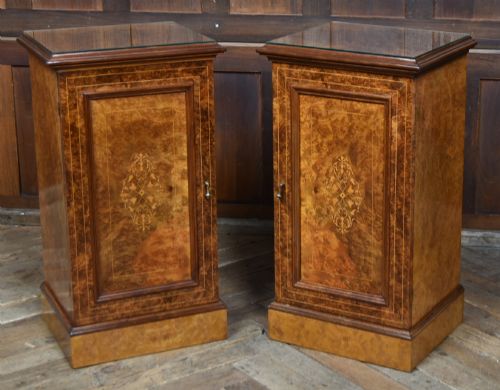
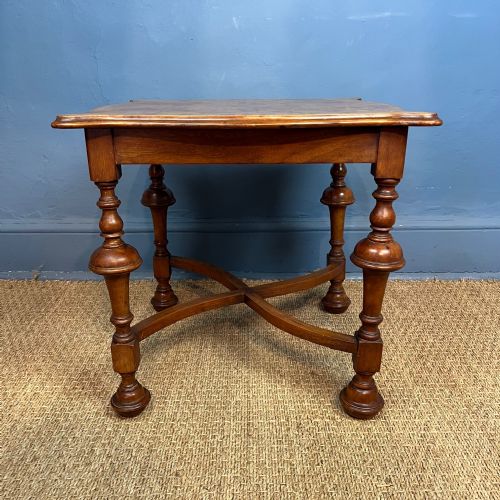
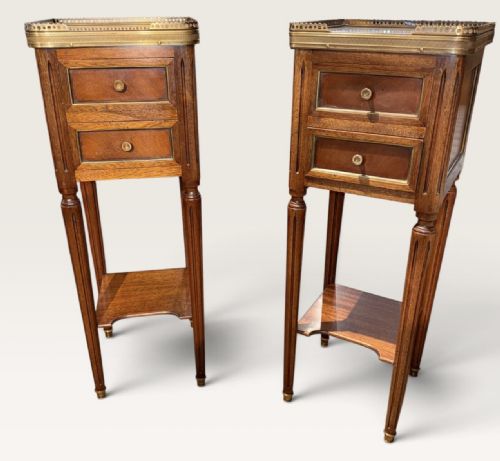
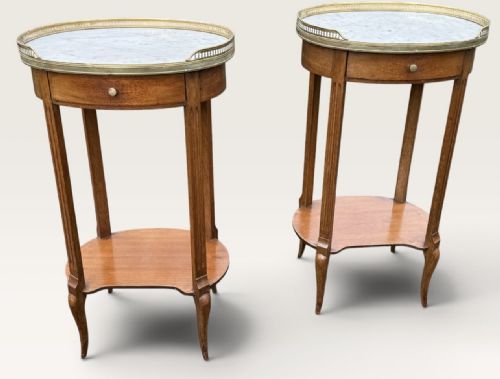
Vintage Pedestal Table
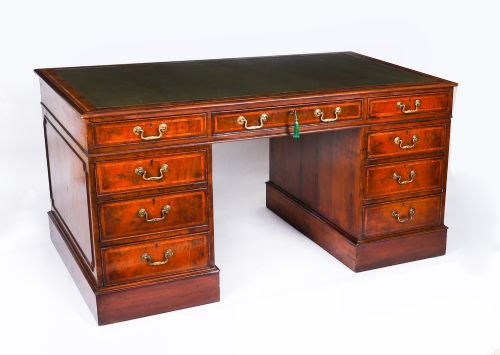
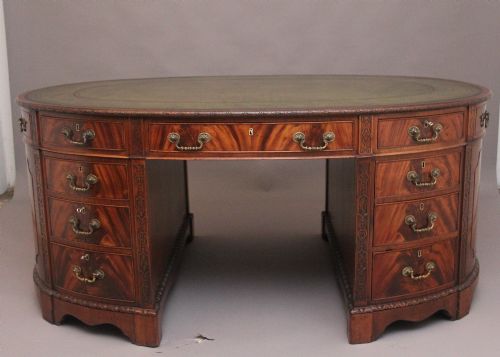
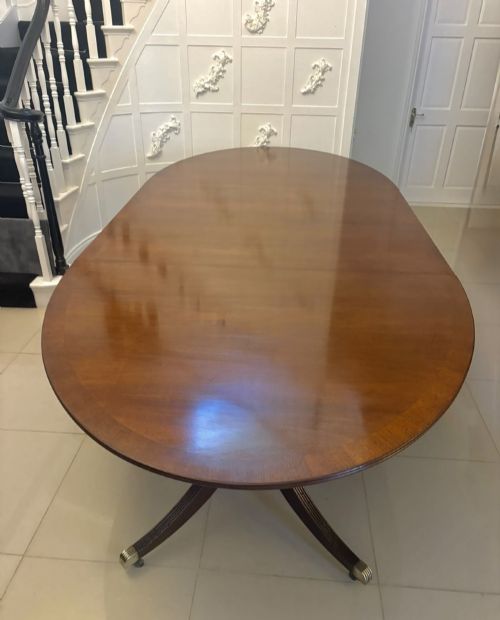
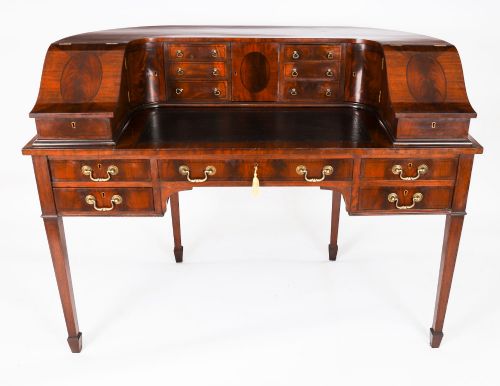
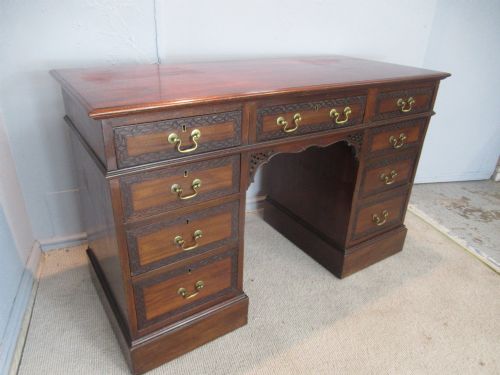
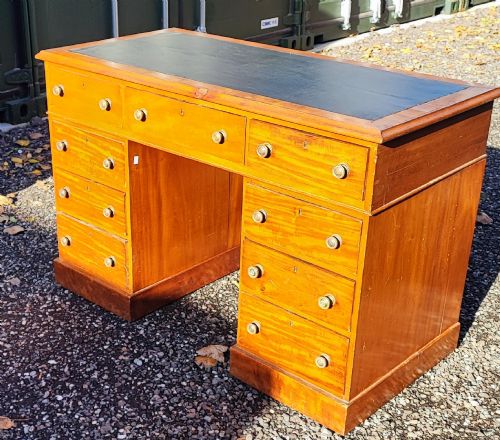
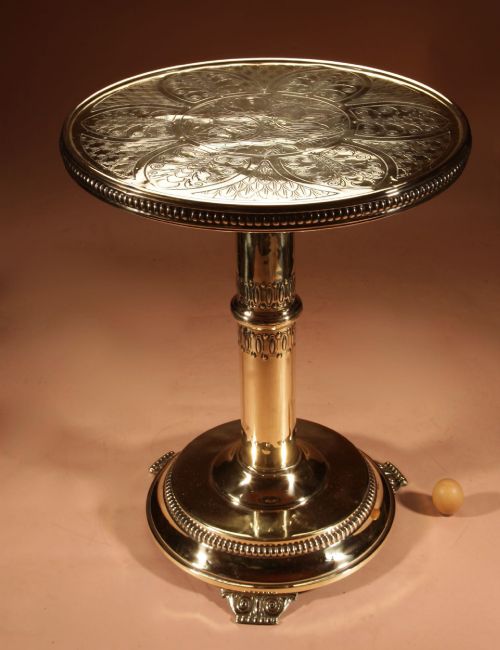
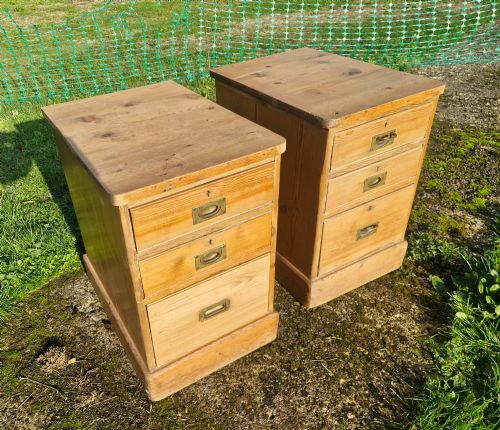
A vintage pedestal table anchors a room with a central column, and mahogany dining versions and oak writing desks appear frequently here.
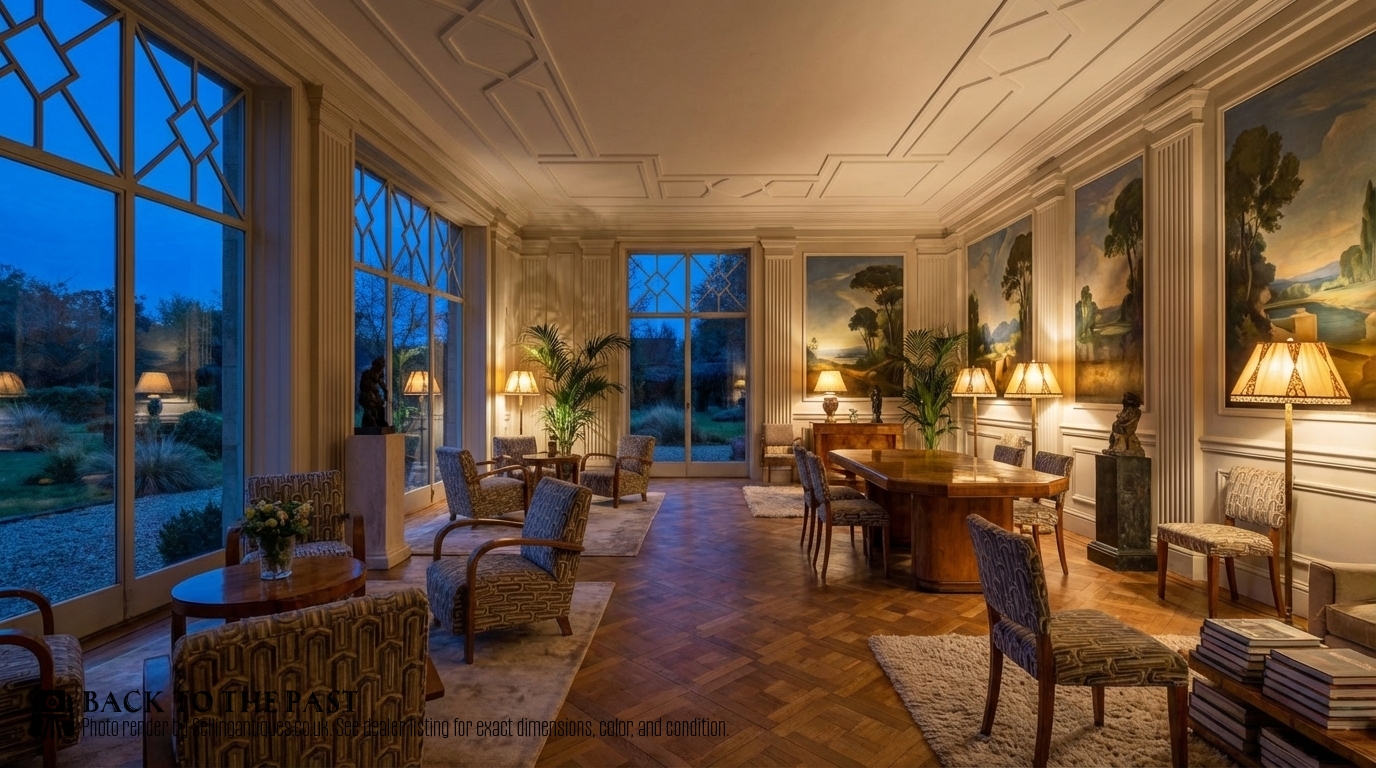
Vintage Pedestal Table
Buyers seeking a vintage pedestal table encounter a wide spectrum of forms spanning dining tables, writing desks, and small lamp tables. These single-pillar or multi-pillar supports lift surfaces away from awkward leg positions, creating practical clearance.
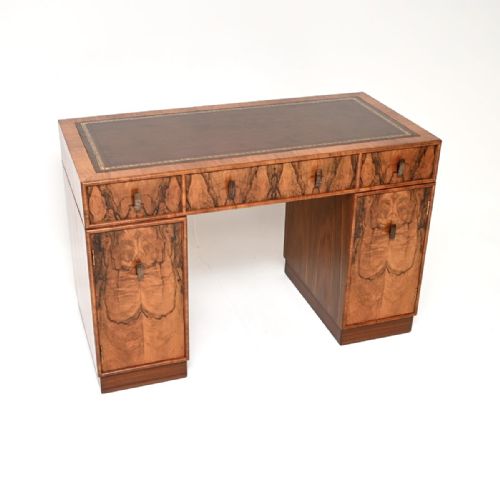
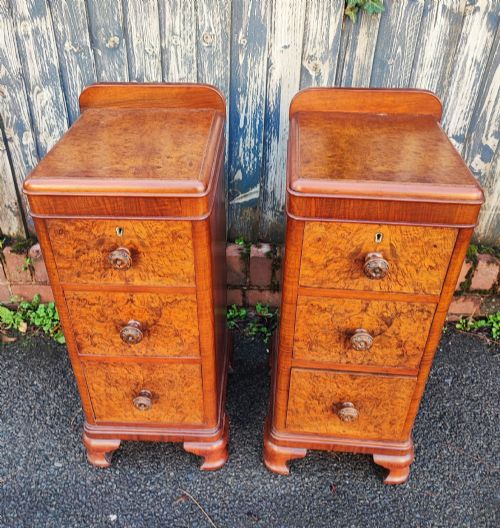
The most common examples on this page date from the Victorian, Edwardian, and Art Deco periods, executed in mahogany, oak, and burr walnut. Dining formats range from twin-pillar setups to large extending tables, while smaller occasional and bedside tables utilise single central stems.
Originating largely from British workshops of the nineteenth and early twentieth centuries, these items served formal dining rooms, libraries, and studies. Their survival relies on sturdy timber frames and sensible engineering of the central junction.
Materials and construction methods
Makers relied heavily on solid hardwoods like mahogany and oak, frequently applying figured veneers such as burr walnut and satinwood to primary display surfaces. These timbers were selected for grain pattern and structural stability under daily use.
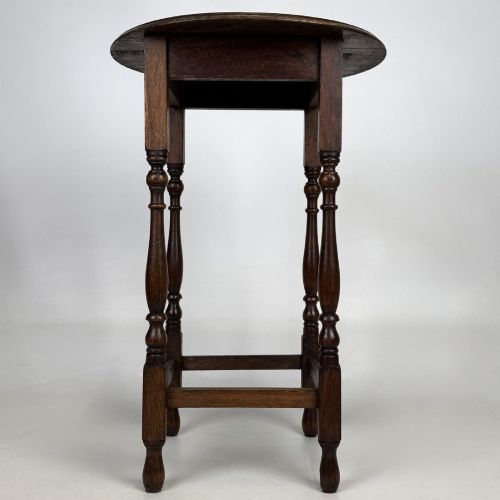
The crucial junction between the central pillar and the feet required robust joinery, often employing heavy internal ironwork or deep tenons to support weight distributed across the top. Turning lathes shaped the central columns, while brass castors frequently terminated the feet for mobility.
Vintage Pedestal Table Retail Price Guide 2026
Typical asking prices for vintage pedestal table among the pieces listed under this phrase on Sellingantiques today, from the lower quarter to the upper quarter. They describe what is for sale here now, not the wider market.
Listings feature oak, mahogany, walnut, burr walnut, and satinwood across Victorian, Edwardian, and Art Deco periods.
Distinguishing quality across examples
Quality rests upon the selection of timber veneers, the crispness of turned woodwork, and the stability of the central column. Superior pieces display matched wood grains across expanding leaves and tightly fitted joints that resist lateral wobble.
Lesser items show simplified turnings, standard secondary timbers, or mismatched veneer patches applied during later repairs. The engineering hidden beneath the tabletop dictates whether an extending mechanism operates smoothly or strains under load.
Trollope & sons
The Vintage Pedestal Table Glossary
- Pedestal
- A single vertical column or pillar supporting a table top or desk. It frees up floor space normally occupied by four corner legs.
- Tilt top
- A tabletop hinged to its base so it can pivot vertically when not in use. This mechanism allowed furniture to be stored against walls in smaller rooms.
- Burr walnut
- A prized wood veneer taken from the knotted growth of a walnut tree. It produces intricate, swirling grain patterns highly valued in cabinet work.
- Draw leaf
- An extension system where auxiliary leaves slide out from beneath the main tabletop. It expands dining capacity without removing the central pillar support.
- Triform
- A three-sided base or pedestal support. It provides stable floor contact for circular breakfast and lamp tables.
Vintage Pedestal Table: Frequently Asked Questions
How do I choose the right size pedestal table?
Measure your floor space carefully to ensure adequate clearance around the central column and any chairs. Consider whether you need an extending mechanism for hosting guests.
Matching the scale of the pillar to the proportions of your room prevents the furniture from dominating the interior.
Can I use a antique pedestal desk for daily work?
Many nineteenth and early twentieth century pedestal desks provide deep drawers and generous writing surfaces suited to modern laptops and paperwork. Leather inserts offer a durable surface for daily writing.
Ensure the kneehole clearance matches your seating and ergonomic needs before committing to daily office use.
How do I care for mahogany and walnut surfaces?
Dust regularly with a soft, dry cloth and avoid placing wooden furniture in direct sunlight or near heat sources. Excessive temperature fluctuations cause timber to warp and veneers to lift.
Apply quality beeswax periodically to nourish the grain and maintain a natural sheen without building up heavy silicone residues.
What is the difference between a twin pillar and triple pillar dining table?
Twin pillar tables utilise two central columns and generally seat medium-sized dining parties comfortably. They offer excellent legroom compared to traditional four-legged designs.
Triple pillar tables incorporate three pedestals to support much longer extending surfaces designed for ten to twelve diners.